

Introduction
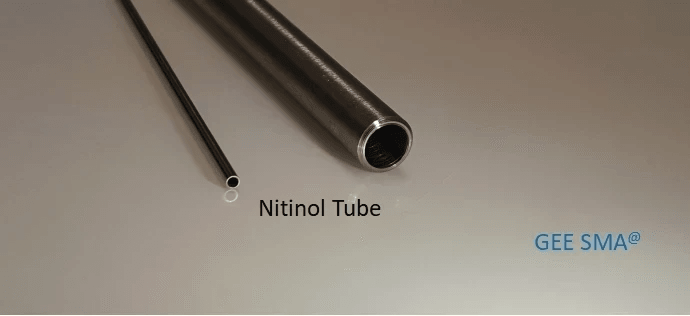
Nitinol, a remarkable alloy of nickel and titanium, has captured the attention of industries ranging from aerospace to medicine due to its unique properties. However, many wonder: is nitinol expensive? The answer lies not only in its composition but also in the intricate processes involved in its production and the demand for its innovative applications.
Understanding the Cost of Nitinol
The cost of nitinol is influenced by several factors, including the rarity of its raw materials—titanium and nickel—and the complexities involved in manufacturing it. Nickel oxide plays a significant role in production costs, as fluctuations in nickel prices can directly affect the overall expense of creating high-quality nitinol products. Additionally, advanced techniques required to harness nitinol's exceptional mechanical properties contribute to its perceived expense.
The Intriguing Science Behind Nitinol
Nitinol is celebrated for its shape memory properties, allowing it to return to a predetermined shape when heated above a specific temperature. This unique characteristic makes shape memory nitinol wire an invaluable component in various applications, from medical devices like stents to actuators in aerospace technology. Understanding these fascinating nitinol properties helps clarify why this alloy commands such attention—and price—in today’s market.
Real-World Applications of Nitinol
The versatility of nitinol extends across multiple sectors, showcasing its utility through practical applications such as surgical instruments and automotive components. In particular, GEE SMA specializes in producing high-quality nitinol shape memory alloys that are pivotal for missions like Chang’e-5 and Tianwen, where reliability is crucial under extreme conditions. As industries continue to explore innovative uses for this extraordinary material, it's clear that investing in nitinol offers significant returns despite questions about whether is nitinol expensive.
Rarity and Extraction of Nitinol
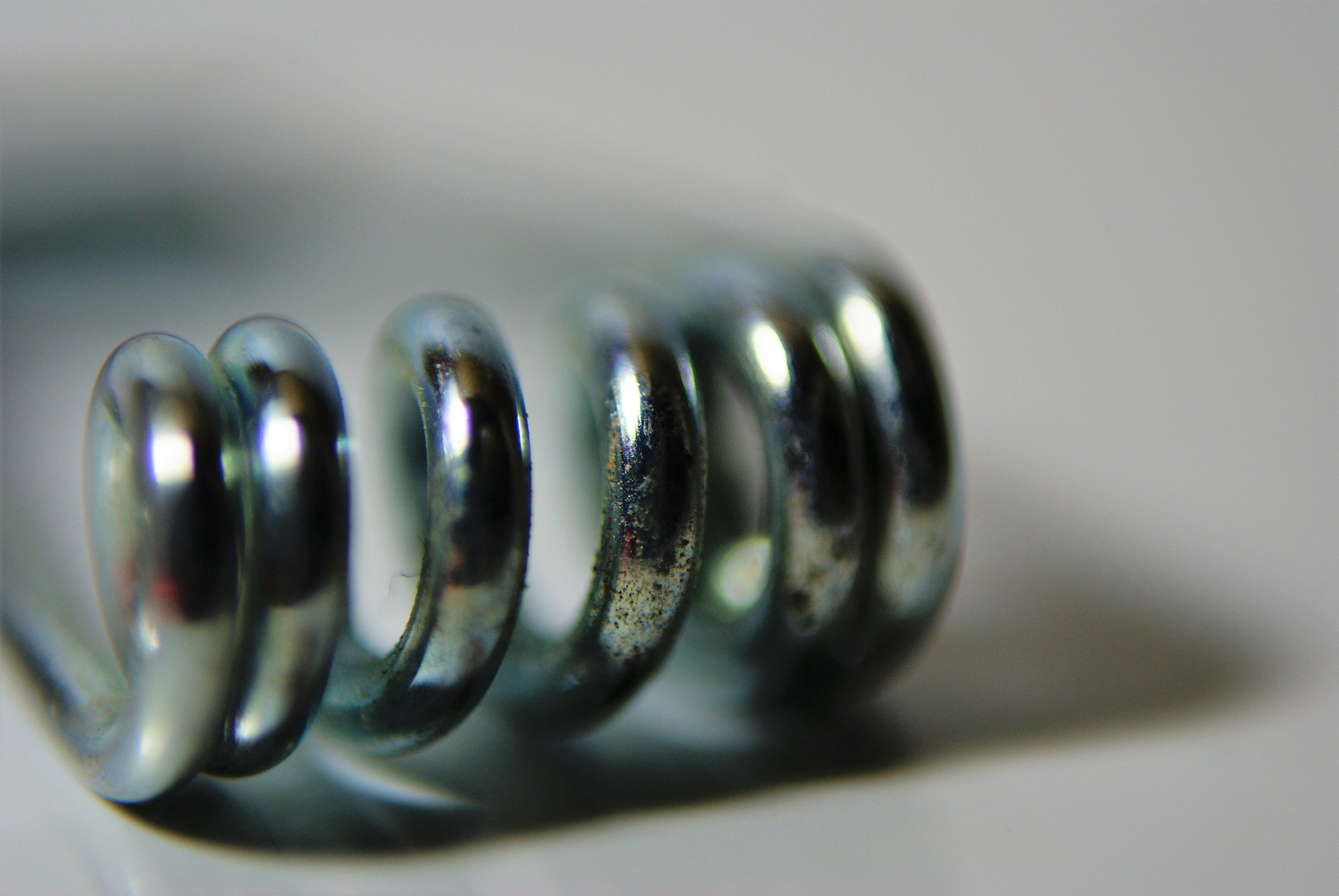
Nitinol, an alloy primarily composed of nickel and titanium, is not just a marvel of modern science but also a rare material that comes with its own set of challenges in extraction. The intricate balance between the availability of its constituent metals and the complexities involved in processing them contributes significantly to the question: is nitinol expensive? Understanding the global sources and production hurdles associated with this unique shape memory alloy can shed light on its market value.
Global Sources of Titanium and Nickel
Titanium and nickel, the building blocks of nitinol, are sourced from various locations around the globe. Major producers include countries like Australia, Canada, and China for titanium, while nickel is predominantly mined in Indonesia, Russia, and Canada. However, accessing these resources isn't as straightforward as it sounds; geopolitical factors and environmental regulations can complicate extraction efforts.
The rarity of high-quality titanium ore adds to the overall expense associated with producing nitinol springs. As demand for nitinol properties rises across industries—from medical devices to aerospace—competition for these raw materials intensifies. This heightened competition often results in increased production costs that ultimately influence whether consumers wonder if nitinol is expensive.
Impact of Nickel Oxide on Production Costs
Nickel oxide plays a crucial role in determining production costs for nitinol due to its impact on both quality and yield during manufacturing processes. When nickel is oxidized during extraction or processing, it can lead to lower efficiencies that drive up expenses significantly. Consequently, manufacturers like GEE SMA must invest heavily in advanced techniques to minimize oxidation effects while ensuring optimal nitinol mechanical properties.
The presence of impurities or inconsistent nickel oxide levels can also compromise the integrity of shape memory nitinol wire products. This variability necessitates rigorous quality control measures that further inflate operational costs—prompting questions about why is nitinol expensive? The pursuit of purity not only enhances performance but also solidifies GEE SMA's reputation for delivering high-quality Nitinol Shape Memory Alloys tailored to customer needs.
Challenges in Obtaining Nitinol
Obtaining nitinol isn't merely about sourcing titanium and nickel; several challenges arise throughout the entire supply chain that contribute to its perceived expense. From fluctuating commodity prices influenced by global market dynamics to technical difficulties during alloying processes, each stage presents potential roadblocks that manufacturers must navigate carefully.
Additionally, achieving consistent quality in mechanical properties across batches remains a significant hurdle due to variations in raw materials or production methods employed by different suppliers. These inconsistencies can lead customers to question whether investing in custom Nitinol solutions is worth it when they consider factors such as reliability under extreme conditions—especially given GEE SMA’s involvement with critical missions like Chang’e-5 and Tianwen.
Ultimately, understanding these challenges reinforces why many still ponder if nitinol is expensive; it's not just about material cost but also about ensuring high performance through effective production strategies.
Advanced Production Techniques
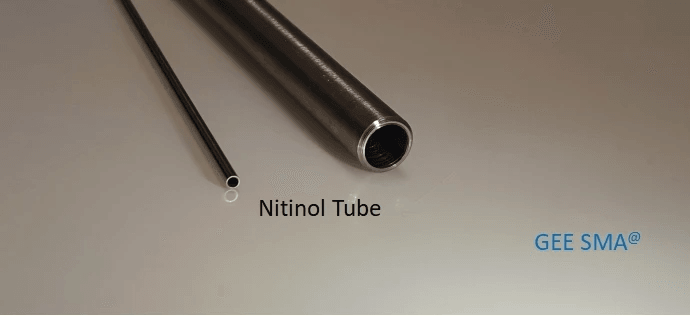
Nitinol, with its unique properties and applications, requires sophisticated production techniques to meet the growing demand across various industries. As the market for this remarkable alloy expands, innovations in nitinol manufacturing have become crucial in ensuring quality and cost-effectiveness. By leveraging advanced technologies, producers can optimize the use of nickel oxide and other materials, ultimately enhancing the performance of nitinol springs and components.
Innovations in Nitinol Manufacturing
The landscape of nitinol manufacturing has evolved significantly through innovative approaches that focus on efficiency and precision. New techniques such as additive manufacturing and advanced casting methods allow for better control over nitinol material properties, resulting in superior shape memory nitinol wire. These innovations not only improve mechanical properties but also reduce waste and production costs, addressing concerns about whether is nitinol expensive for end-users.
Moreover, research into alternative nickel sources aims to mitigate fluctuations caused by nickel oxide prices, making production more stable and predictable. As manufacturers adopt these cutting-edge processes, they can create customized solutions that cater to specific applications while maintaining high standards of quality. Ultimately, these advancements position nitinol as a competitive choice in various sectors including aerospace and medical devices.
Role of GEE SMA in Quality Assurance
GEE SMA stands at the forefront of nitinol shape memory alloy production, emphasizing quality assurance throughout its manufacturing process. With a mission focused on enhancing product quality and swiftly addressing customer requirements, GEE SMA ensures that every batch of nitinol meets stringent standards for performance and reliability. This commitment is vital given the critical role that shape memory alloys play in high-stakes applications like space missions.
By implementing rigorous testing protocols to analyze nitinol mechanical properties before deployment, GEE SMA guarantees that their products can withstand extreme conditions without compromising functionality. Their expertise extends beyond just creating materials; they tailor solutions specifically designed to meet unique customer needs while maintaining a strong focus on cost-effectiveness—helping to answer questions about whether is nitinol expensive compared to alternatives.
Additionally, GEE SMA's involvement in significant missions such as Chang’e-5 highlights their capability to produce reliable components capable of performing under pressure—literally! This dedication sets them apart as industry leaders who prioritize both innovation and customer satisfaction.
Investment in Cutting-Edge Technology
Investment in cutting-edge technology is essential for advancing the production capabilities of nitinol alloys while keeping costs manageable amidst rising demand. Companies are increasingly turning towards automation and smart manufacturing processes that enhance precision during fabrication—ensuring consistent quality across all products including different forms like springs or wires made from shape memory alloys.
Furthermore, integrating data analytics into production lines allows manufacturers to monitor processes closely; this helps identify inefficiencies related to nickel oxide usage or waste management strategies concerning raw materials used for creating high-quality nitinol products. Such technological advancements not only streamline operations but also contribute towards reducing overall costs—addressing concerns surrounding whether is nitinol expensive when compared with traditional metal options.
As investments continue flowing into research initiatives aimed at improving both existing technologies and developing new ones tailored specifically for Nitinol applications—there’s no doubt we’ll see even more exciting developments on the horizon! The future looks bright indeed!
Nitinol Material Properties
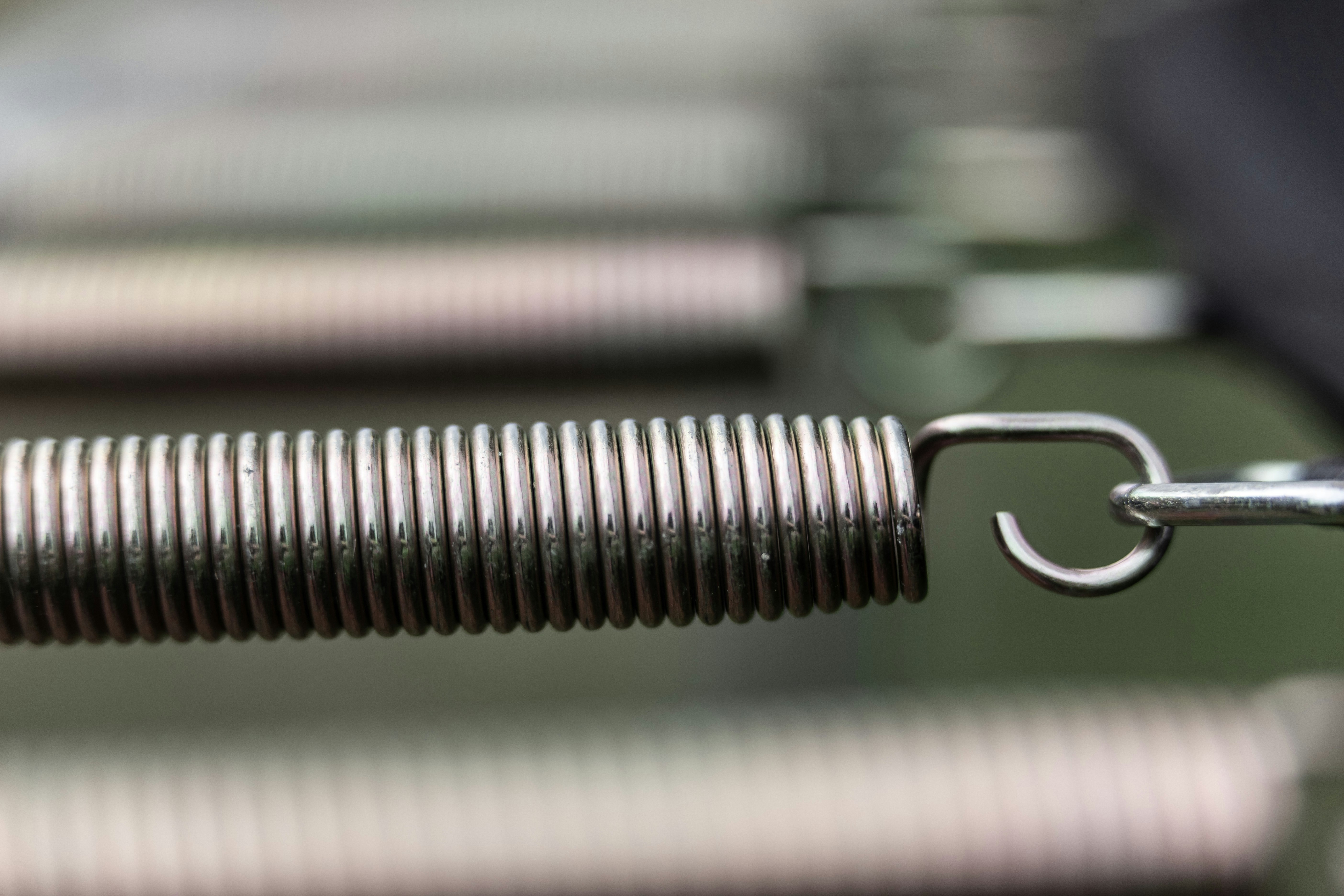
Nitinol, a remarkable alloy of nickel and titanium, is renowned for its unique material properties that set it apart from traditional metals. The distinctive attributes of shape memory nitinol wire allow it to return to a predetermined shape when heated, showcasing its extraordinary versatility in various applications. Understanding these properties is essential for industries looking to leverage the benefits of nitinol, especially in high-stakes environments such as aerospace and medical devices.
Unique Attributes of Shape Memory Nitinol Wire
One of the most fascinating features of shape memory nitinol wire is its ability to remember a specific shape after being deformed. This property arises from the phase transformation between its martensitic and austenitic states, which occurs at certain temperatures. When heated above its transformation temperature, the wire can revert to its original form, making it invaluable for applications like nitinol springs in medical devices where precision and reliability are paramount.
In addition to its shape memory capabilities, nitinol exhibits superelasticity, allowing it to undergo significant deformation without permanent change. This elasticity means that components made from nitinol can absorb shocks and stresses better than conventional materials. With GEE SMA leading the charge in producing high-quality nitinol shape memory alloys, industries can trust that their applications will perform reliably under extreme conditions.
Analyzing Nitinol Mechanical Properties
When discussing nitinol mechanical properties, one cannot overlook its impressive tensile strength combined with lightweight characteristics. This alloy boasts a tensile strength comparable to steel while remaining significantly lighter than many other metals—an appealing combination for aerospace engineers seeking efficiency without compromising structural integrity. Moreover, the fatigue resistance of nitinol allows components made from this material to endure repeated cycles of stress without failure.
Another critical aspect is how nickel oxide impacts production costs and overall performance; understanding this relationship can provide insights into why some may ask if nitinol is expensive compared to other materials. The careful balance between cost-effective manufacturing processes and maintaining high-quality standards is crucial for companies like GEE SMA as they strive for excellence in their products while keeping an eye on market demand.
Comparison with Other Alloys
When comparing nitinol with other alloys such as stainless steel or aluminum, it's clear that each material has strengths suited for specific applications; however, few can match the unique properties offered by nitinol. For instance, while stainless steel may excel in corrosion resistance and aluminum in weight savings, neither possesses the remarkable shape memory effect inherent in nitinol properties. This makes it particularly advantageous in fields requiring precise movement control—think surgical instruments or actuators used in spacecraft missions like Chang’e-5 or Tianwen.
Furthermore, while some may question if nitinol is expensive due to higher raw material costs associated with titanium and nickel extraction processes—particularly influenced by factors like nickel oxide—the long-term benefits often outweigh initial investments when considering durability and performance longevity across various applications. As industries continue adopting advanced technologies powered by GEE SMA's innovations in Nitinol manufacturing techniques, we anticipate further enhancements that will solidify this alloy's position as a leading choice among engineers worldwide.
Market Demand and Supply Dynamics

The market dynamics surrounding Nitinol are influenced by its unique properties and the growing demand across various industries. As applications for Nitinol expand, understanding the balance between supply and demand becomes crucial to determining whether is nitinol expensive or a worthwhile investment. This section will explore trends in Nitinol applications, the impact of key industries, and the fluctuations in pricing that accompany these changes.
Trends in Nitinol Applications
In recent years, there has been a notable surge in the applications of Nitinol due to its remarkable mechanical properties and shape memory capabilities. Industries are increasingly utilizing shape memory Nitinol wire for innovative solutions, ranging from medical devices like stents to advanced robotics. As more sectors recognize the benefits of this unique alloy, such as its ability to return to a predetermined shape upon heating, it is clear that demand for Nitinol will continue to rise.
Moreover, advancements in technology have led to new uses for Nitinol springs in automotive and aerospace applications. These springs provide reliable performance under extreme conditions while also being lightweight—qualities that are highly sought after in modern engineering projects. The versatility of Nitinol properties ensures that it remains at the forefront of material science innovations.
Impact of Aerospace and Medical Industries
The aerospace sector has significantly contributed to the increasing demand for Nitinol due to its lightweight nature and exceptional durability under harsh conditions. GEE SMA specializes in producing high-quality Nitinol Shape Memory Alloys that power important missions like Chang’e-5 and Chang’e-6, showcasing how critical these materials are for reliable deployment and actuation systems in space exploration. Similarly, the medical industry relies heavily on shape memory alloys for devices such as guidewires and catheters, further driving up market demand.
These industries not only require high-performance materials but also push manufacturers toward investing in advanced production techniques that enhance quality assurance processes—ensuring that every piece meets stringent safety standards. With continuous innovation tailored by companies like GEE SMA, we can expect even more applications emerging from these sectors as they strive for improved efficiency and reliability.
Price Fluctuations in the Nitinol Market
Price fluctuations within the Nitinol market can often be attributed to several factors including raw material costs—especially nickel oxide—and global supply chain dynamics. The cost associated with extracting titanium and nickel impacts overall pricing; hence understanding whether is nitinol expensive becomes essential when evaluating project budgets or investments into new technologies involving this alloy.
As production techniques improve through investments by companies like GEE SMA, we may see stabilization or even reductions in prices over time; however, external factors such as geopolitical tensions or environmental regulations could still introduce volatility into pricing structures across industries reliant on this unique material property set.
Research and Development Costs

When it comes to Nitinol, the costs associated with research and development (R&D) can be quite significant. This is primarily due to the complexity of its unique properties, which include shape memory and superelasticity, making it a sought-after material in various industries. The question arises: is Nitinol expensive? The answer often hinges on the investment made in R&D to unlock its full potential.
Investment in Nitinol Research
Investment in Nitinol research has surged as industries recognize the material's remarkable properties and applications. Companies like GEE SMA are at the forefront, specializing in producing high-quality Nitinol shape memory alloys that cater to diverse needs—from medical devices to aerospace applications. With rising demand for innovative solutions, funding for projects that explore new uses of Nitinol properties continues to grow, pushing the boundaries of what this alloy can achieve.
Future Innovations in Nitinol Properties
The future of Nitinol looks promising as researchers delve deeper into enhancing its mechanical properties. Innovations may include improving fatigue resistance or developing new forms of shape memory nitinol wire that can withstand even more extreme conditions than before. As these advancements unfold, they could significantly impact sectors like aerospace and medicine, where reliability is paramount—ultimately addressing concerns about whether is nitinol expensive by offering cost-effective solutions through improved performance.
Significance of Custom Nitinol Solutions
Custom solutions are becoming increasingly relevant as businesses seek tailored applications for their specific needs involving nitinol springs or other components made from this versatile alloy. GEE SMA understands this demand and focuses on crafting materials that meet unique customer specifications while ensuring high-quality standards are maintained throughout production processes. By investing in custom nitinol solutions, companies not only enhance their product offerings but also ensure they remain competitive in a market where innovation dictates pricing—further solidifying the notion that while is nitinol expensive today, its value may well justify the cost tomorrow.
Conclusion
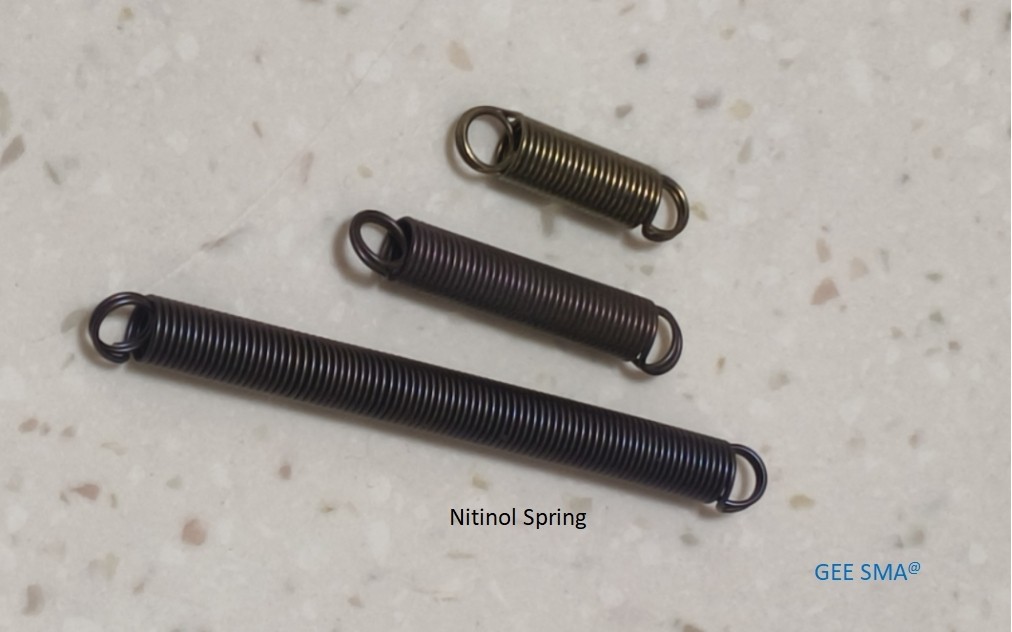
In conclusion, the cost of Nitinol is influenced by several key factors that shape its market positioning and accessibility. The rarity of its components, particularly nickel oxide, along with advanced production techniques and the unique nitinol properties contribute to its pricing dynamics. Understanding these elements is crucial for stakeholders in industries that rely on this remarkable material.
Key Factors Behind Nitinol's Pricing
The price of Nitinol can be attributed to its complex production process and the cost of raw materials, especially nickel oxide. As global demand for high-performance materials increases, so does the competition for titanium and nickel sources, further driving up costs. Additionally, the specialized nature of nitinol mechanical properties means that manufacturing requires significant investment in technology and expertise, making it a premium product in the marketplace.
The Future of Nitinol in Industry
Looking ahead, the future of Nitinol in various industries appears promising as innovation continues to thrive. With advancements in nitinol material properties and ongoing research into new applications—such as nitinol springs for robotics or medical devices—the potential for growth is substantial. Companies like GEE SMA are at the forefront of this evolution, ensuring that their high-quality Nitinol shape memory alloys meet the ever-evolving needs across aerospace and healthcare sectors.
Why Nitinol's Value Is Worth the Cost
Despite inquiries about whether is nitinol expensive, it’s essential to recognize why investing in this material pays off in many scenarios. The unique attributes offered by shape memory nitinol wire enable groundbreaking solutions that can outperform traditional materials under challenging conditions. Ultimately, when considering durability and performance against other alloys, nitinol's value becomes evident—making it a worthy investment for cutting-edge applications.