

Introduction
Shape memory alloys (SMAs) are remarkable materials that can return to a predetermined shape when subjected to certain temperature conditions. Among these, Nitinol stands out due to its unique properties and versatility, making it a favorite in various industries. This introduction will explore the magic of Nitinol, its applications, and how GEE SMA plays a pivotal role in its production.
Overview of Shape Memory Alloys
Shape memory alloys are metallic compounds that exhibit a fascinating phenomenon known as the shape memory effect. When deformed at lower temperatures, they can revert to their original shape upon heating above a specific transformation temperature. This property is not only limited to metals; shape memory polymers also exist, showcasing similar characteristics but with different material properties and applications.
The Magic of Nitinol
Nitinol, an alloy of nickel and titanium, is often referred to as the star of shape memory alloys due to its extraordinary abilities. Its unique combination of superelasticity and shape memory effect allows it to be used in various applications ranging from medical devices like stents and guidewires to innovative gadgets such as Nitinol Memory Wire for everyday use. The magical aspect of Nitinol lies in its ability to transform under specific thermal conditions while maintaining exceptional mechanical properties.
Real-World Applications of Shape Memory Alloys
The real-world applications of shape memory alloys are vast and varied, with Nitinol leading the charge in numerous fields. In medicine, for instance, Nitinol's uses include minimally invasive surgical tools that expand or contract based on body temperature—making procedures safer and more efficient. Beyond healthcare, examples include aerospace components where reliable deployment mechanisms are critical; GEE SMA's contributions ensure that missions like Chang’e-5 and Tianwen utilize high-quality Nitinol for dependable performance even in extreme environments.
What are Shape Memory Alloys?
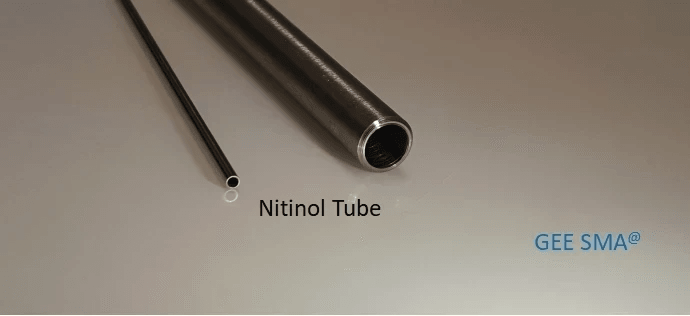
Shape memory alloys (SMAs) are a unique class of materials known for their ability to return to a predetermined shape when subjected to specific thermal or mechanical stimuli. Among these, Nitinol stands out due to its exceptional properties and versatility, making it a favorite in various applications, especially in the medical field. The fascinating behavior of shape memory alloys is not only a topic of scientific curiosity but also has practical implications across multiple industries.
Definition and Characteristics
Shape memory alloys are metallic materials that exhibit two distinct phases: martensite and austenite. The most defining characteristic of SMAs is their ability to undergo deformation at one temperature and recover their original shape upon heating above a certain transition temperature. This remarkable property allows for innovative applications, such as Nitinol Memory Wire, which can be used in everything from eyeglass frames to stents in medical devices.
The unique characteristics of shape memory alloys include high energy absorption capacity and excellent fatigue resistance, making them ideal for dynamic applications. Their ability to remember shapes means they can be engineered for specific functions in various environments. For instance, Nitinol uses in robotics leverage this property for precise movements and actuation mechanisms.
Types of Shape Memory Alloys
While there are several types of shape memory alloys available today, the most commonly discussed are nickel-titanium (Nitinol), copper-aluminum-nickel, and copper-zinc-aluminum systems. Nitinol is particularly noteworthy due to its biocompatibility and corrosion resistance, which makes it suitable for medical implants and devices. Other SMAs like copper-based alloys may offer cost advantages but often lack the same level of performance or durability found in Nitinol.
In addition to metallic SMAs, there are also shape memory polymers that exhibit similar properties but operate through different mechanisms involving polymer chains rather than metal lattices. These polymers can be more flexible and lightweight compared to traditional SMAs while still providing useful applications in fields like soft robotics or wearable technology. Each type has its own set of advantages depending on the intended application.
The Science Behind Shape Memory Effect
The science behind the shape memory effect involves phase transformations within the material structure that occur at specific temperatures. When an SMA like Nitinol is cooled below its transformation temperature, it adopts a martensitic phase allowing it to be deformed easily; upon heating above this point, it transforms into the stable austenitic phase where it regains its original form—hence the term shape memory.
This transition is not merely physical; it's rooted deeply in crystallography where changes at the atomic level dictate how these materials behave under stress or thermal conditions. Understanding these principles allows engineers at companies like GEE SMA to customize Nitinol functional materials tailored precisely for demanding applications such as aerospace missions—powering Chang’e-5 and Tianwen missions with reliable actuation mechanisms even under extreme conditions.
Nitinol: The Star of Shape Memory Alloys

Nitinol, a remarkable member of the shape memory alloys family, stands out due to its unique properties and diverse applications. This alloy, primarily composed of nickel and titanium, exhibits an extraordinary ability to return to a predefined shape when heated above a certain temperature. Its fascinating behavior makes it a preferred choice in various fields, particularly in medical devices where reliability and precision are paramount.
Unique Properties of Nitinol
One of the standout features of Nitinol is its shape memory effect, which allows it to remember its original form even after being deformed. This property is not just a party trick; it enables Nitinol to withstand significant stress while maintaining functionality across various applications. Additionally, Nitinol exhibits superelasticity at certain temperatures, allowing it to undergo large strains without permanent deformation—an invaluable trait for many engineering solutions.
The combination of these unique properties makes memory nitinol an exceptional material for numerous industries. For instance, unlike traditional materials that may fail under stress or fatigue, Nitinol’s resilience ensures longevity and reliability in demanding environments. When compared with other shape memory materials like shape memory polymers or different alloys, Nitinol's performance remains unmatched in terms of strength-to-weight ratio and adaptability.
Comparison with Other Shape Memory Materials
While there are several types of shape memory materials available today—including various shape memory polymers—Nitinol consistently leads the pack due to its superior mechanical properties and thermal stability. Shape memory polymers may offer flexibility but often lack the robustness required for critical applications where durability matters most. In contrast, memory nitinol can operate effectively across extreme temperatures and conditions without compromising performance.
Moreover, when comparing Nitinol with other traditional metals used in similar contexts, such as stainless steel or titanium alone, the advantages become even clearer. The unique phase transformation in Nitinol provides capabilities that standard metals simply cannot match—such as self-expanding stents that adjust perfectly within blood vessels upon heating. This level of customization is crucial for ensuring successful medical interventions while minimizing patient risk.
Nitinol uses in Medical Devices
The versatility of Nitinol has led to widespread adoption in medical devices where precision is essential—think stents, guidewires, and surgical instruments designed for minimally invasive procedures. These devices leverage the remarkable properties of nitinol to provide better patient outcomes through enhanced performance and reduced recovery times compared to conventional options. For instance, nitinol's ability as a memory wire allows stents to expand automatically at body temperature.
Beyond just stents and guidewires, there are numerous other innovative nitinol uses within healthcare settings—from orthodontic wires that gently shift teeth over time to advanced surgical tools that adapt seamlessly during operations. The ongoing development within this sector highlights how GEE SMA specializes in producing high-quality nitinol shape memory alloys tailored specifically for these applications—ensuring they meet rigorous industry standards while remaining cost-effective despite fluctuations in the nitinol price market.
In conclusion, as we explore further into manufacturing processes and testing methods for these incredible materials like those offered by GEE SMA—which powers missions such as Chang’e-5—we can only anticipate more groundbreaking advancements driven by this stellar alloy’s capabilities.
The Role of GEE SMA in Nitinol Production

GEE SMA plays a pivotal role in the production of Nitinol shape memory alloys, focusing on crafting high-quality materials and components that leverage the unique properties of this remarkable alloy. With a commitment to innovation, GEE SMA specializes in developing Nitinol functional materials that cater to diverse applications ranging from medical devices to aerospace technologies. Their expertise ensures that every piece of memory nitinol produced meets stringent industry standards while addressing specific customer needs.
GEE SMA’s Specialization in Nitinol Shape Memory Alloys
At the heart of GEE SMA's success is its specialization in Nitinol shape memory alloys, which are celebrated for their ability to return to a predetermined shape when heated above a certain temperature. This unique property makes memory nitinol an ideal choice for various applications, including actuators and stents. By harnessing advanced production techniques and deep industry knowledge, GEE SMA consistently delivers high-performance shape memory alloys that stand out among other materials.
Quality Assurance in Manufacturing
Quality assurance is paramount at GEE SMA, ensuring that every batch of Nitinol produced meets rigorous specifications and performance criteria. The manufacturing process includes comprehensive testing protocols designed to verify the mechanical properties and thermal behavior of each sample, establishing confidence in their reliability for critical applications like medical devices and aerospace components. By prioritizing quality throughout the production cycle, GEE SMA reinforces its reputation as a trusted supplier of top-tier shape memory materials.
Customization of Nitinol Functional Materials
Customization is key when it comes to meeting the diverse needs of clients utilizing Nitinol for various purposes; whether it's creating specialized wire configurations or tailored shapes for specific applications, GEE SMA excels in providing bespoke solutions. This flexibility allows customers to fully exploit the potential of shape memory alloys by integrating them seamlessly into their designs—be it innovative stents or cutting-edge robotics using Nitinol Memory Wire. As industries continue to evolve, so too does GEE SMA’s commitment to delivering customized memory nitinol products that push boundaries and inspire new possibilities.
Prototype Development and Testing
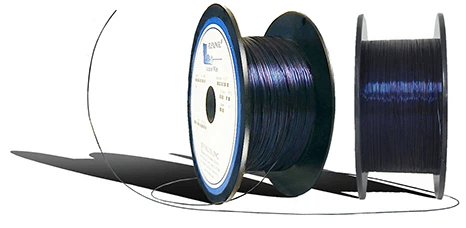
The journey from concept to prototype is a thrilling phase in the development of shape memory alloys, particularly Nitinol. This process involves brainstorming innovative designs that leverage the unique properties of memory nitinol, followed by rigorous engineering to create functional prototypes. Each prototype serves as a testbed, allowing developers to refine their ideas and ensure that the final product meets both performance and safety standards.
From Concept to Prototype
The transformation from an abstract idea into a tangible prototype begins with detailed design schematics that consider the specific applications of shape memory alloys. Engineers utilize advanced modeling software to simulate how Nitinol will behave under various conditions, ensuring that its remarkable properties are harnessed effectively. Once finalized, these designs are translated into physical prototypes using techniques tailored for producing high-quality Nitinol components.
Prototyping with Nitinol Memory Wire is particularly popular due to its versatility and ease of use in various applications—from robotics to medical devices. The ability of this wire to return to its original shape after deformation makes it an ideal candidate for testing in real-world scenarios. With GEE SMA’s expertise in crafting custom Nitinol functional materials, developers can create prototypes that not only meet design specifications but also exhibit superior performance.
Testing Shape Memory Alloys in Extreme Conditions
Once prototypes are developed, they must undergo rigorous testing, especially when designed for extreme environments such as aerospace or medical applications. The unique characteristics of shape memory alloys allow them to function reliably under conditions that would challenge traditional materials—think high temperatures or significant mechanical stress. This testing phase is crucial for validating the performance of Nitinol uses in critical applications like satellite deployment mechanisms or surgical tools.
During these tests, engineers assess how well the memory nitinol responds when subjected to stressors outside typical operating ranges. For instance, they might expose a prototype made from shape memory polymers and alloys to extreme heat or cold, analyzing its recovery behavior after each cycle. Such evaluations help ensure that products will perform consistently over time without failure.
Examples of Shape Memory Alloys in Prototypes
There are numerous compelling examples where shape memory alloys have been successfully integrated into prototypes across various industries. For instance, one notable application involves using Nitinol Memory Wire in self-expanding stents designed for minimally invasive surgeries—these devices can expand automatically once placed inside a blood vessel, significantly improving patient outcomes while reducing recovery times.
In aerospace engineering, GEE SMA has contributed significantly by powering missions like Chang’e-5 and Chang’e-6 with components made from Nitinol shape memory alloys; these parts ensure reliable deployment mechanisms even under extreme conditions of space travel. Another exciting example lies within robotics; engineers have created actuators using shape memory materials capable of mimicking natural muscle movement—this innovation could revolutionize prosthetics by providing smoother motion control.
Manufacturing Processes for Shape Memory Alloys

The manufacturing processes for shape memory alloys, particularly Nitinol, are crucial in determining their performance and applications. Nitinol, with its unique properties, requires precise techniques to ensure that the desired shape memory effect is achieved. Understanding these processes allows industries to harness the full potential of Nitinol uses across various fields.
Techniques for Producing Nitinol
Producing Nitinol involves several sophisticated techniques that ensure the alloy retains its remarkable shape memory characteristics. The most common methods include vacuum induction melting and mechanical alloying, which help achieve a homogeneous mixture of nickel and titanium. Additionally, processes like hot working and cold working are employed to refine the microstructure, enhancing the performance of Nitinol memory wire used in diverse applications.
The production process must also account for specific thermal treatments that induce phase transformations critical to the shape memory effect. These treatments allow manufacturers to customize the transformation temperatures according to specific requirements, making it possible to create tailored solutions in medical devices or robotics. As GEE SMA specializes in crafting high-quality Nitinol shape memory alloys, their expertise ensures that every batch meets stringent quality standards.
Analysis of Nitinol Price Factors
Understanding the price factors associated with Nitinol is essential for businesses looking to utilize this advanced material effectively. The cost of producing memory nitinol can fluctuate based on raw material prices, particularly nickel and titanium, which are subject to market volatility. Moreover, labor costs and technological investments in manufacturing techniques also play a significant role in determining overall pricing.
Another factor influencing Nitinol price is the complexity of manufacturing processes required for achieving optimal material properties. Higher precision often comes at a premium; however, investing in quality can lead to superior performance in applications such as medical devices or aerospace components—where reliability is paramount. GEE SMA’s commitment to quality assurance helps mitigate these costs by ensuring efficient production without compromising on standards.
Innovative Processes in Shape Memory Materials
Innovation continues to drive advancements in manufacturing processes for shape memory materials like Nitinol and shape memory polymers. New techniques such as additive manufacturing are emerging as game-changers within this field by allowing more complex geometries that traditional methods cannot achieve easily. These innovations enable manufacturers not only to produce intricate designs but also reduce waste and improve efficiency.
Furthermore, researchers are exploring hybrid materials combining both shape memory alloys and polymers to exploit their respective advantages fully—resulting in even more versatile applications across industries including automotive and healthcare sectors. GEE SMA remains at the forefront of these developments by continuously adapting their practices while maintaining high-quality standards tailored specifically for customer needs.
In summary, understanding how we produce shape memory alloys like Nitinol reveals much about their versatility and application potential—from space missions powered by Chang’e-5 technology using reliable actuation systems made from these materials—to everyday uses where precision matters most.
Conclusion

In summary, shape memory alloys, particularly Nitinol, represent a remarkable class of materials that can remember their original shapes after deformation. These alloys exhibit unique properties that allow them to return to a predetermined shape when exposed to specific temperatures. The versatility of Nitinol and other shape memory materials opens doors to innovative applications across various fields.
Key Takeaways on Shape Memory Alloys
Shape memory alloys are fascinating materials with the ability to undergo significant deformation and revert back to their original forms upon heating. Among these, Nitinol stands out due to its unique properties and wide range of applications, especially in medical devices where reliability is paramount. Additionally, the emergence of shape memory polymers has expanded the horizons for potential uses beyond traditional metal-based solutions.
Future Trends in Nitinol Applications
Looking ahead, the future for Nitinol applications appears bright as advancements in technology drive innovation in this field. We can expect more sophisticated uses for Nitinol Memory Wire in robotics and aerospace engineering, where reliability under extreme conditions is essential. Furthermore, ongoing research into reducing Nitinol price will likely make these advanced materials more accessible for broader industrial applications.
Nitinol’s Impact on Various Industries
Nitinol's impact spans multiple industries including healthcare, aerospace, and robotics due to its exceptional properties like biocompatibility and resilience under stress. GEE SMA plays a crucial role by providing high-quality Nitinol shape memory alloys that power significant missions like Chang’e-5 and Chang’e-6 while ensuring reliable deployment in harsh environments. As industries continue to leverage the benefits of both shape memory alloys and polymers, we can anticipate groundbreaking innovations that enhance performance across diverse sectors.