

Introduction
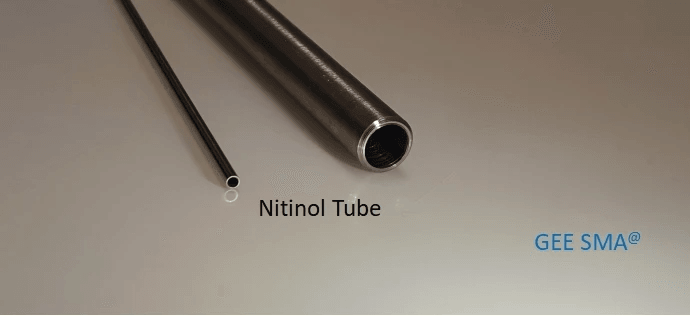
Nitinol, a unique alloy of nickel and titanium, has emerged as a game-changer in various industries, particularly in healthcare. Its remarkable properties, such as shape memory and superelasticity, make it invaluable for medical applications. Understanding the intricacies of nitinol price is essential for stakeholders in the medical device sector as they navigate its growing importance.
Understanding Nitinol and Its Importance
Nitinol's significance lies not only in its advanced mechanical properties but also in its ability to improve patient outcomes through innovative medical devices. This alloy can return to its original shape when heated, making it ideal for stents and guidewires. As more healthcare professionals recognize these benefits, questions about whether nitinol is expensive become increasingly relevant.
The Growing Demand for Nitinol in Medical Devices
The demand for nitinol has surged due to its applications in minimally invasive surgeries and other cutting-edge technologies. With an increasing number of procedures relying on nitinol-based devices, manufacturers are keenly interested in understanding how much nitinol costs per pound to maintain competitive pricing while ensuring quality. This growing market trend highlights the necessity of exploring the cost of nitinol tubing and springs as vital components.
Key Factors Influencing Nitinol Pricing
Several factors contribute to the fluctuations in nitinol pricing, including raw material costs, production methods, and market demand dynamics. Additionally, regional variations can lead to significant differences in what is the price of nitinol spring or tubing based on local economic conditions. As buyers seek cost-effective solutions without compromising quality, understanding these key influences becomes critical for making informed purchasing decisions.
An Overview of Nitinol

Nitinol, a nickel-titanium alloy, has gained significant attention in various industries, particularly in healthcare. Its unique properties allow it to undergo phase transformations, enabling it to return to a predetermined shape when heated. This remarkable ability makes it indispensable for a range of medical applications, driving the growing demand and influencing the nitinol price.
What is Nitinol and How Does it Work
Nitinol stands for Nickel Titanium Naval Ordnance Laboratory, where it was first discovered in the 1960s. The magic of nitinol lies in its shape memory effect and superelasticity; when deformed at a lower temperature, it can revert to its original shape upon heating above a certain threshold. This characteristic not only enhances the performance of devices but also raises questions like Is nitinol expensive? due to its specialized manufacturing process.
Understanding how nitinol works is crucial for appreciating its value in modern medicine. The material's ability to change forms allows for innovative designs that improve patient outcomes while minimizing invasive procedures. As such, many healthcare providers are eager to know how much does nitinol cost per pound when considering its integration into their products.
Applications of Nitinol in Healthcare
Nitinol is used extensively in medical devices such as stents, guidewires, and orthopedic implants due to its biocompatibility and flexibility. For instance, stents made from nitinol can expand within blood vessels without causing damage, significantly improving patient safety during procedures. Furthermore, this alloy is not just limited to cardiovascular applications; it's also utilized in dental tools and surgical instruments.
The versatility of nitinol means that manufacturers are continually exploring new applications across various medical fields. As innovations emerge, so does curiosity about the cost implications; specifically inquiries about what is the cost of nitinol tubing or springs often arise among suppliers and manufacturers alike. With each application comes an assessment of whether Is nitinol expensive? given the benefits it provides.
The Unique Properties of Nitinol
What sets nitinol apart from other materials are its unique properties: shape memory effect and superelasticity being at the forefront. These traits enable devices made from this alloy to perform under stress while returning seamlessly to their original form when conditions change—a game-changer for many medical interventions!
Moreover, these unique qualities influence factors like durability and longevity in healthcare applications—making them worth every penny despite questions about How much does nitinol cost per pound? Additionally, understanding these properties helps stakeholders evaluate potential savings over time versus initial costs when considering options like what is the price of nitinol spring or tubing.
In summary, as we delve deeper into understanding Nitinol's significance within healthcare contexts—its workings through unique properties—it's clear why this material continues attracting interest despite ongoing discussions about pricing dynamics across markets worldwide.
Current Nitinol Price Trends
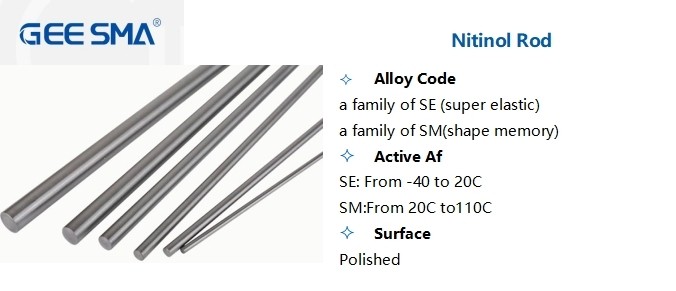
The world of nitinol pricing is a dynamic landscape, influenced by various market forces. As demand for this unique alloy grows, so do the fluctuations in its price, making it essential for stakeholders to stay informed. Understanding these trends can help buyers navigate the complexities of nitinol costs and determine whether nitinol is expensive or a worthwhile investment.
Analyzing Market Fluctuations in Nitinol Price
Nitinol price trends exhibit notable volatility due to several factors, including raw material costs and manufacturing processes. Over recent years, the demand for nitinol in medical devices has surged, leading to increased competition among suppliers. Consequently, prices have seen both upward spikes and occasional dips as manufacturers adjust to market demands and production capabilities.
In addition to supply-demand dynamics, geopolitical events can also impact nitinol pricing. For instance, trade policies or tariffs on nickel and titanium—key components of nitinol—can create ripples throughout the industry. Therefore, staying updated on these external factors is crucial for anyone asking how much does nitinol cost per pound?
Regional Variations in Nitinol Costs
When examining the cost of nitinol tubing or springs, one must consider regional differences that can significantly affect pricing structures. In North America and Europe, higher labor costs and stringent regulations may drive prices up compared to other regions like Asia where manufacturing costs are generally lower. This geographical disparity means that buyers need to be strategic about sourcing their materials based on location.
Moreover, local demand can influence prices as well; regions with a booming medical device industry may experience inflated nitinol prices due to heightened competition among local suppliers. It's essential for manufacturers looking into custom solutions to evaluate these regional variations when determining what is the cost of nitinol tubing or springs in their area.
Comparing Nitinol Price with Other Alloys
Is nitinol expensive? To answer this question effectively requires comparing its price against other commonly used alloys like stainless steel or cobalt-chromium alloys. While stainless steel is often cheaper upfront due to its widespread availability and established production methods, it lacks many unique properties that make nitinol invaluable in healthcare applications.
For example, while the initial cost of stainless steel might be lower than that of nitinol springs or tubing, they do not provide the same level of flexibility or shape memory characteristics that are critical in many medical devices. Thus, when evaluating how much does nitinol cost per pound compared to alternatives like stainless steel or other alloys, it's vital to consider not just monetary value but also performance benefits over time.
Is Nitinol Expensive?
When it comes to determining whether nitinol is expensive, the answer isn't black and white. The nitinol price reflects a combination of factors, including production costs, demand in the medical sector, and its unique properties that set it apart from other materials. As we delve deeper into this topic, you'll see that while nitinol may seem pricey at first glance, its value in specific applications often justifies the cost.
Factors That Determine Nitinol's Value
Several key factors influence nitinol's value in the marketplace. First and foremost, the alloy's unique properties—such as shape memory and superelasticity—make it highly sought after for medical devices like stents and guidewires. Additionally, production complexity plays a significant role; manufacturing nitinol requires precise control over composition and processing conditions, which can drive up costs.
Another crucial aspect is supply chain dynamics. The availability of raw materials used to produce nitinol can fluctuate due to geopolitical factors or market demand changes. This variability directly impacts how much does nitinol cost per pound? Thus, understanding these elements provides insight into why many ask: Is nitinol expensive?
Cost Comparison: Nitinol vs. Stainless Steel
When comparing nitinol to stainless steel, you might find yourself pondering which material offers better value for money. Generally speaking, stainless steel is more affordable than nitinol; however, it's essential to consider their respective applications before making a judgment call on overall worth. While stainless steel may be cheaper upfront—often leading many to question what is the cost of nitinol tubing?—nitinol’s advanced features can lead to better patient outcomes and lower long-term costs in healthcare settings.
For instance, a stent made from stainless steel may not provide the same flexibility or adaptability as one crafted from nitinol; thus requiring additional procedures or interventions down the line could negate any initial savings with stainless steel options. So when evaluating costs between these two materials, it's crucial to weigh not just the upfront prices but also their long-term implications on patient care.
Evaluating the Value for Medical Applications
In medical applications specifically, evaluating whether nitinol is expensive becomes even more nuanced than mere dollar signs suggest. The benefits of using this innovative alloy often outweigh its higher price tag due to improved patient outcomes and reduced complications associated with devices like stents or orthopedic implants made from it. So when people ask about what is the price of a nitinol spring or how much does it cost per pound?, they should also consider its potential impact on healthcare efficiency.
Moreover, researchers continually explore new uses for this remarkable material beyond traditional applications—the potential for innovation could further enhance its value proposition within medicine over time! As such discussions unfold regarding future trends in pricing dynamics surrounding this versatile metal alloy continue shaping perceptions around Is nitinol expensive?, ultimately revealing that sometimes quality comes at a premium worth paying.
How Much Does Nitinol Cost Per Pound?

When considering the nitinol price, it's essential to understand that this unique alloy's cost can fluctuate based on various factors, including market demand and production methods. On average, nitinol is priced between $30 to $100 per pound, depending on its form and specific applications. This range can be influenced by the complexity of manufacturing processes and the purity of the material used.
Pricing Breakdown of Nitinol Products
The pricing breakdown of nitinol products reveals a variety of options available in the market. For instance, raw nitinol wire may cost around $50 per pound, while specialized forms such as tubing or springs can vary significantly based on specifications and customization needs. When asking how much does nitinol cost per pound for specific applications like medical devices, it’s crucial to factor in additional costs associated with machining or finishing processes.
The Economics of Nitinol Tubing and Springs
In exploring the economics of nitinol tubing and springs, one must consider both their initial costs and long-term value in medical applications. Tubing typically ranges from $40 to $80 per pound depending on diameter and wall thickness, while nitinol springs might command prices upwards of $60 per pound due to their intricate design requirements. These products are often seen as investments due to their durability and performance benefits; thus, many wonder if nitinol is expensive compared to alternatives.
Understanding Cost-Effective Solutions for Buyers
For buyers looking for cost-effective solutions regarding nitinol price points, bulk purchasing or establishing direct relationships with manufacturers can lead to significant savings. Additionally, exploring generic options or less customized versions may help reduce expenses while still meeting application requirements effectively. Ultimately, understanding how much does nitinol cost per pound requires a comprehensive view that balances upfront investment with long-term benefits in performance and reliability.
Exploring Nitinol Tubing Prices
When it comes to nitinol tubing, understanding the cost is crucial for manufacturers and healthcare providers alike. The nitinol price can vary significantly based on several factors, including the size, shape, and specific properties required for different applications. As we delve deeper into what drives these costs, it becomes clear that nitinol's unique characteristics often justify its expense.
What is the Cost of Nitinol Tubing?
The cost of nitinol tubing typically ranges from $50 to over $200 per pound, depending on specifications and market demand. This price range reflects not only the material's inherent properties but also the complexity involved in its production processes. So, if you're asking yourself, How much does nitinol cost per pound? it's essential to consider these factors alongside your specific needs.
Pricing Factors in Custom Nitinol Solutions
Several elements influence the pricing of custom nitinol solutions beyond just raw material costs. For instance, customization often requires advanced manufacturing techniques that can further increase expenses. Additionally, considerations such as diameter, wall thickness, and heat treatment processes play a significant role in determining whether you might find yourself wondering if Is nitinol expensive? when comparing it to other materials.
The Role of GEE SMA in Nitinol Tubing
GEE SMA has positioned itself as a leader in providing high-quality nitinol tubing solutions tailored to meet various medical applications. Their commitment to innovation ensures that customers receive products that not only meet stringent regulatory requirements but also offer competitive pricing within the market landscape. By focusing on quality and efficiency in production processes, GEE SMA helps alleviate concerns regarding overall nitinol price while ensuring reliability for critical medical devices.
The Price of Nitinol Springs
When it comes to the price of nitinol springs, several factors come into play that can influence the overall cost. Generally, nitinol springs are considered a premium product due to their unique properties such as shape memory and superelasticity. This leads many to wonder, is nitinol expensive? The answer often hinges on the specific application and quantity being purchased.
What is the Price of Nitinol Spring?
The price of nitinol spring varies widely based on specifications like size, design complexity, and production methods. On average, manufacturers can expect to pay anywhere from $50 to $200 per pound for these specialized components. When considering how much does nitinol cost per pound?, it's essential to factor in not just raw material costs but also production techniques and customization options that may be required for specific applications.
Applications and Benefits of Nitinol Springs
Nitinol springs find their niche in various medical devices due to their remarkable properties. They are commonly used in stents, guidewires, and other implantable devices where flexibility and reliability are crucial. The benefits include reduced fatigue under cyclic loading conditions, which translates into longer-lasting products—an attractive feature when evaluating whether is nitinol expensive?
Cost Considerations for Manufacturers
For manufacturers looking at the cost of nitinol tubing or springs, there are several considerations that can impact pricing significantly. Customization often adds to the base price; however, investing in high-quality nitinol can lead to improved performance and reduced failure rates in end products. Ultimately, understanding what drives the price of nitinol spring will help manufacturers make informed decisions about their sourcing strategies while balancing quality with cost-effectiveness.
Conclusion
In our exploration of Nitinol, we've uncovered its pivotal role in the medical landscape, showcasing how this unique alloy is not just a material but a game-changer. From stents to guidewires, the applications of Nitinol highlight its exceptional properties that make it invaluable in healthcare. With increasing demand and innovative uses emerging regularly, understanding the nitinol price becomes essential for manufacturers and healthcare providers alike.
Recap: The Value of Nitinol in Medicine
Nitinol's significance in medicine cannot be overstated; it's a material that combines flexibility with strength, making it ideal for various medical devices. Its ability to return to a predetermined shape after deformation means it can perform critical functions within the human body without causing harm. As we ponder whether nitinol is expensive, it's crucial to remember that its unparalleled benefits often justify its cost.
Future Trends in Nitinol Pricing
Looking ahead, we anticipate fluctuations in nitinol pricing driven by factors such as raw material availability and technological advancements in production methods. As more industries recognize the advantages of Nitinol beyond healthcare, demand will likely rise—potentially influencing how much does nitinol cost per pound? Additionally, as suppliers streamline their processes and innovate new applications, we may witness stabilization or even reductions in prices over time.
GEE SMA's Commitment to Quality and Innovation
At GEE SMA, we pride ourselves on our unwavering commitment to quality and innovation within the realm of Nitinol products. Our focus on delivering superior materials ensures that customers receive not only excellent performance but also competitive pricing—addressing concerns like what is the cost of nitinol tubing or what is the price of nitinol spring effectively. By continuously investing in research and development, we aim to lead the charge into a future where high-quality Nitinol is accessible for all medical applications.