

Introduction

Shape Memory Alloys (SMAs) are fascinating materials that have the unique ability to return to a predetermined shape when subjected to specific thermal conditions. This remarkable property is harnessed in SMA wire, which is widely used across various engineering disciplines for its exceptional performance characteristics. Understanding the intricacies of SMA wire, including its composition and training effects, is essential for leveraging its potential in innovative applications.
Understanding Shape Memory Alloys
At the core of SMA technology lies the concept of shape memory, where materials can remember their original form after deformation. What is SMA wire? It's essentially a type of alloy that exhibits this behavior, primarily composed of nickel and titanium—two metals that work harmoniously to create an extraordinary material with unique thermal and mechanical properties. The ability of SMAs to undergo phase transformations makes them invaluable in applications ranging from medical devices to robotics.
Significance of SMA Wire in Engineering
SMA wire has become a game-changer in modern engineering due to its versatility and reliability. What is SMA in engineering? It plays a crucial role by enhancing structural performance through smart actuation systems that respond dynamically to environmental changes. With applications spanning aerospace, automotive, and even consumer electronics, understanding the significance of SMA wire is vital for engineers seeking innovative solutions.
Overview of Training Effects on SMA Wire
One intriguing aspect of SMAs is their training effects—processes that optimize their performance through repeated thermal cycling or mechanical loading. These training effects can significantly influence how effectively an SMA wire responds under various conditions, making it imperative for engineers to consider during design phases. As we explore whether SMAs can be 3D printed or delve into their pricing dynamics, grasping these foundational concepts will illuminate the path forward in utilizing shape memory alloys effectively.
What is SMA Wire?
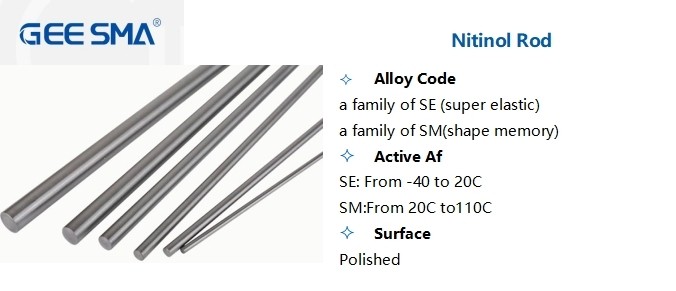
SMA wire, or shape memory alloy wire, is a remarkable material that exhibits unique properties allowing it to return to a predetermined shape when heated. This fascinating behavior stems from the alloy's ability to undergo phase transformations between its austenite and martensite states. The most common type of SMA wire is made from a nickel-titanium alloy known as Nitinol, which stands out in engineering for its versatility and reliability.
Definition and Characteristics
At its core, SMA wire is defined by its ability to remember shapes, hence the name shape memory alloy. When deformed at lower temperatures, the wire can revert back to its original configuration upon heating above a specific temperature threshold. This characteristic makes SMA wire not only intriguing but also highly useful in various engineering applications where precision movement or actuation is required.
The characteristics of SMA wires extend beyond just their shape memory capabilities; they also possess excellent fatigue resistance and high damping properties. These traits enable them to absorb vibrations effectively while maintaining structural integrity over extended periods of use. In essence, understanding what SMA wire is reveals its potential as an innovative solution across multiple fields.
Applications in Modern Engineering
What is SMA used for? The applications of SMA wire span numerous industries including aerospace, robotics, medical devices, and automotive engineering. In aerospace engineering, for instance, SMAs are utilized in actuators for wing flaps that adjust based on temperature changes during flight. Similarly, in robotics, these wires serve as artificial muscles that can mimic natural movements with precision.
In the medical field, SMA wires find their way into stents and guidewires where flexibility combined with strength can be life-saving during procedures like angioplasty. Additionally, automotive manufacturers have begun integrating SMAs into systems such as self-adjusting seatbelts or active suspension systems that enhance ride comfort. As we explore what two metals make up SMA wire—nickel and titanium—it becomes clear how this combination unlocks such diverse applications.
Benefits of Using SMA Wire
The benefits of using SMA wire are numerous and compelling for engineers looking to innovate within their projects. First off, the unique ability of SMAs to change shape under thermal stimuli allows for compact designs that maximize functionality without sacrificing space—a crucial factor in modern engineering solutions like aerospace components or miniature robotic systems.
Moreover, SMAs are lightweight yet incredibly strong when compared to traditional materials like steel or aluminum; this property provides significant advantages in reducing overall system weight without compromising performance or safety standards. Finally, the adaptability offered by SMAs opens doors for customization—engineers can tailor the properties of these alloys through varying composition ratios (such as nickel-titanium) which directly influence performance outcomes.
In summary, whether you're pondering Can SMAs be 3D printed? or considering the sma wire price against traditional materials' costs—the value proposition remains strong across sectors exploring innovative uses for shape memory alloys today.
What is SMA in Engineering?
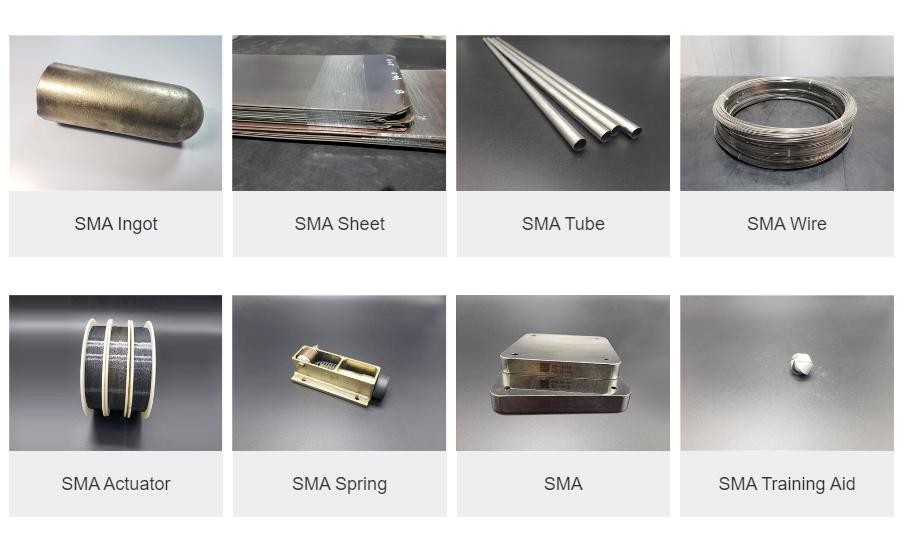
Shape Memory Alloys (SMAs) have taken the engineering world by storm, offering unique properties that allow them to return to their original shape after deformation. These materials, particularly SMA wire, are revolutionizing various industries by providing innovative solutions to complex challenges. From aerospace to robotics, understanding what SMA is in engineering can unlock a plethora of possibilities.
Role of Shape Memory Alloys
The role of shape memory alloys in engineering cannot be overstated; they serve as a bridge between traditional materials and cutting-edge technology. What is SMA wire? Essentially, it’s an alloy that exhibits remarkable capabilities when subjected to thermal or mechanical stress. Engineers leverage these properties to create components that can adapt and respond dynamically to changing conditions, enhancing overall functionality.
In practical terms, SMAs are often used for actuators and sensors due to their ability to undergo reversible phase transformations. This means they can change shape when heated or cooled, making them incredibly versatile in applications where precise movement is crucial. The integration of SMA wire into engineering designs not only improves performance but also reduces weight and increases efficiency.
How SMA Enhances Structural Performance
One of the most compelling aspects of using SMAs like SMA wire is their ability to enhance structural performance significantly. By incorporating these alloys into designs, engineers can achieve greater resilience against fatigue and stress-induced failures. What two metals make up SMA wire? Typically, nickel and titanium form the backbone of most SMAs—this combination provides the necessary strength while allowing for the unique shape memory effect.
When subjected to loads or temperature changes, structures utilizing SMAs can adapt without permanent deformation, which is particularly beneficial in dynamic environments such as aerospace applications. For instance, wings equipped with SMA actuators can morph during flight for improved aerodynamics without additional mechanical complexity. This adaptability not only enhances safety but also optimizes performance across various operational scenarios.
Real-world Applications in Aerospace and Robotics
The real-world applications of Shape Memory Alloys are both fascinating and diverse; they play pivotal roles in aerospace and robotics sectors primarily due to their unique properties. In aerospace engineering, what is shape memory alloy used for? Common uses include deployable structures like antennae or landing gear systems that need reliable actuation under extreme conditions—think about how critical it is for these components to function flawlessly during missions!
Robotics also benefits immensely from SMAs; robotic hands made with SMA wire can mimic human dexterity by contracting or expanding based on temperature changes—a game changer for prosthetics! Moreover, as industries explore additive manufacturing techniques like 3D printing with SMAs (Can SMAs be 3D printed?), the potential applications continue expanding rapidly.
In summary, understanding what SMA is in engineering reveals its transformative impact on modern technology—from enhancing structural integrity through innovative designs to enabling smarter robotics solutions that improve quality of life everywhere.
What Two Metals Make Up SMA Wire?
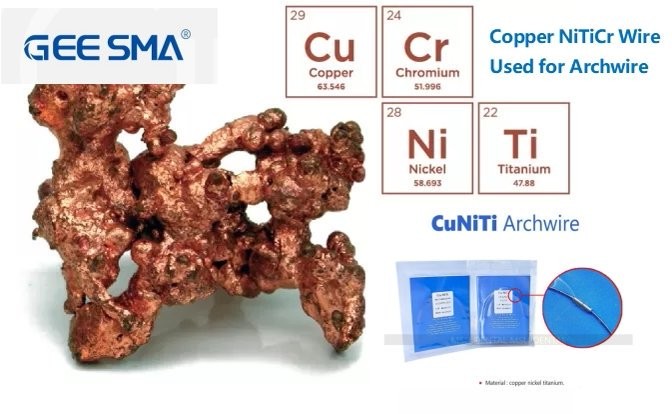
Understanding the composition of SMA wire is crucial for grasping its unique properties and applications. The primary alloy used in most shape memory alloys (SMAs) is Nitinol, which combines nickel and titanium in a specific ratio to create its remarkable shape memory effect. This section will delve into the composition of Nitinol, explore the properties of its constituent metals, and discuss how these factors influence the performance of SMA wire in various engineering applications.
Composition of Nitinol
Nitinol is a fascinating alloy primarily composed of nickel (Ni) and titanium (Ti), typically with about 55% nickel and 45% titanium by atomic percentage. This precise blend allows Nitinol to exhibit its signature characteristics: shape memory and superelasticity, which are essential for many engineering applications. When discussing what two metals make up SMA wire, it’s clear that this combination plays a pivotal role in defining the material's behavior under stress or temperature changes.
Properties of Nickel and Titanium
Nickel is known for its corrosion resistance, ductility, and ability to withstand high temperatures, making it an ideal component for SMA wire applications that require durability and longevity. Titanium contributes strength while remaining lightweight; it's also biocompatible, which opens doors for medical uses such as stents or surgical tools made from SMA wire. Together, these properties enhance what is SMA in engineering by allowing the creation of components that can endure extreme conditions while performing optimally.
Impact of Alloy Composition on Performance
The specific ratio of nickel to titanium significantly impacts the performance characteristics of SMA wire. Variations in this composition can lead to differences in transformation temperatures—the temperatures at which the material changes from one phase to another—thus affecting how effectively it can be utilized across various fields like aerospace or robotics. Understanding these nuances helps engineers determine what is shape memory alloy used for in their designs, ensuring they select the right type based on desired performance outcomes.
Can SMAs Be 3D Printed?

The fascinating world of shape memory alloys (SMAs) has found a new frontier in the realm of additive manufacturing, specifically with SMA wire. The question Can SMAs be 3D printed? is gaining traction as engineers and researchers explore innovative methods to fabricate these unique materials. This section delves into the advancements in 3D printing SMA, the benefits of using additive manufacturing for SMA wire, and the challenges that come with it.
Innovations in 3D Printing SMA
Recent innovations in 3D printing have made it possible to create intricate structures using SMA wire, which was once thought to be challenging. Techniques such as selective laser melting (SLM) and direct energy deposition (DED) are now being employed to produce complex geometries that leverage the unique properties of shape memory alloys. These advancements open up exciting possibilities for applications where traditional manufacturing methods fall short, allowing for more efficient designs that can adapt to changing conditions.
Benefits of Additive Manufacturing for SMA Wire
Additive manufacturing offers numerous benefits when it comes to producing SMA wire components. Firstly, it allows for customization; engineers can design parts tailored specifically for their applications, optimizing performance while minimizing waste material—an appealing factor given the often high sma wire price. Additionally, the ability to rapidly prototype means that iterations can be tested quickly, leading to faster development cycles and ultimately more innovative solutions in fields like robotics and aerospace.
Challenges and Solutions in 3D Printing
Despite its advantages, 3D printing SMAs does come with its fair share of challenges. One major hurdle is ensuring consistent quality throughout the printing process; variations in temperature or material feed can lead to defects that compromise performance—a crucial aspect when considering what is shape memory alloy used for? However, researchers are actively developing solutions such as improved monitoring systems and optimized processing parameters to mitigate these issues effectively.
The Role of GEE SMA in Advancements
In the realm of aerospace engineering, GEE SMA (Shape Memory Alloy) has emerged as a game-changer, pushing the boundaries of what is possible with materials technology. This innovative material not only enhances structural performance but also provides unique solutions to complex engineering challenges. With its remarkable properties, GEE SMA is redefining how engineers approach design and functionality.
GEE SMA’s Contributions to Aerospace
GEE SMA's contributions to aerospace are nothing short of revolutionary. By leveraging the unique characteristics of shape memory alloys, such as their ability to return to a predetermined shape when heated, engineers can create more efficient and lightweight structures. This is particularly important in aerospace applications where weight reduction directly translates into fuel savings and improved performance.
Moreover, the adaptability of SMA wire allows for innovative designs that were previously unimaginable. For instance, components made from shape memory alloys can be programmed to change shape under specific conditions, leading to more dynamic and responsive systems in aircraft and spacecraft design. As we explore what is SMA wire in greater depth, it's clear that its integration into aerospace technology opens new avenues for efficiency and functionality.
Case Studies: Chang’e-5 and Tianwen Missions
The Chang’e-5 and Tianwen missions illustrate the practical application of GEE SMA in real-world scenarios. In these ambitious space exploration endeavors, SMAs played a critical role in various mechanisms designed for landing gear operations and sample collection systems. The reliability of sma wire ensured that these sophisticated machines could withstand extreme conditions while maintaining operational integrity throughout their missions.
For example, during the Chang’e-5 mission, components made from shape memory alloys enabled precise movements necessary for landing on the lunar surface and retrieving samples efficiently. Similarly, Tianwen's use of SMAs allowed for adaptive mechanisms that enhanced rover mobility on Mars' rugged terrain. These case studies highlight not only what is shape memory alloy used for but also how it contributes significantly to advancing our capabilities in space exploration.
Meeting Customer Needs with Tailored Solutions
GEE SMA excels at meeting customer needs by providing tailored solutions across various industries beyond just aerospace. Engineers are increasingly recognizing that understanding what two metals make up sma wire—namely nickel and titanium—allows them to customize properties for specific applications effectively. This capability ensures that clients receive materials optimized for their unique requirements.
Additionally, innovation doesn’t stop at composition; advancements in additive manufacturing have made it possible to 3D print sma wire components tailored precisely to customer specifications while reducing waste associated with traditional manufacturing methods. However, despite the benefits of 3D printing SMAs—including reduced lead times—the challenges remain significant regarding material consistency and mechanical properties post-printing. Nevertheless, companies like GEE continue exploring these avenues diligently while keeping an eye on sma wire price fluctuations influenced by market demand.
In conclusion, as we delve deeper into what is SMA in engineering contexts like aerospace or robotics applications through case studies or tailored solutions offered by companies like GEE SMA—it's evident this remarkable material will continue shaping our technological landscape well into the future.
Conclusion
In wrapping up our exploration of shape memory alloys (SMAs), particularly SMA wire, it's clear that these materials hold immense promise across various engineering domains. The unique properties of SMA wire allow for innovations that can significantly enhance the functionality and efficiency of modern applications. Understanding the implications of training on SMA wire not only sheds light on its current capabilities but also opens doors to future advancements.
Implications of Training on SMA Wire
Training effects in SMA wire are pivotal in determining how these materials respond to thermal stimuli. By manipulating the microstructure through specific heating and cooling cycles, engineers can fine-tune the performance characteristics of SMA wire for targeted applications. This training process directly influences what shape memory alloy is used for, allowing it to perform optimally in critical environments such as aerospace or robotics.
Future Directions in SMA Wire Research
The future of research surrounding SMA wire appears bright, with ongoing studies focusing on enhancing its properties and expanding its applications. One exciting avenue is the integration of advanced manufacturing techniques like 3D printing, which raises the question: can SMAs be 3D printed? As we explore this potential, researchers are also investigating new alloy compositions beyond just nickel and titanium to create even more versatile shape memory alloys.
Investing in SMA Wire for Innovative Solutions
Investing in SMA wire presents a unique opportunity for industries looking to innovate and improve their product offerings. With a competitive sma wire price, businesses can leverage the benefits offered by these materials without breaking the bank. As more companies recognize what is shape memory alloy used for—such as actuators in robotics or adaptive structures—the demand for high-quality SMA products will only continue to rise.