

Introduction
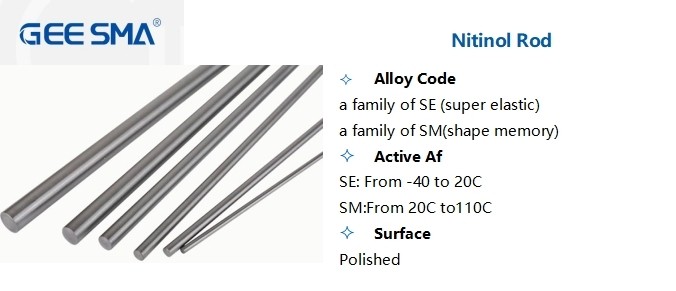
In the ever-evolving world of orthodontics, the materials used play a crucial role in treatment effectiveness and patient comfort. Among these materials, nickel titanium wires have emerged as a game-changer, thanks to their unique properties that set them apart from traditional options. This introduction will explore the significance of high nickel alloys in orthodontics, highlighting their benefits and innovative applications.
Understanding Nickel Titanium Wires
Nickel titanium wires are a fascinating blend of two metals that create a remarkable synergy in performance and flexibility. These wires exhibit superelasticity and shape memory effects, allowing them to return to their original shape after deformation—a trait that is particularly beneficial in orthodontic treatments. This combination of characteristics makes nickel titanium an ideal choice for various applications within dental practices.
The Role of Nickel Titanium in Orthodontics
In orthodontics, nickel titanium archwire has become increasingly popular due to its ability to exert consistent forces on teeth while maintaining comfort for patients. Unlike traditional stainless steel wires, nickel titanium wires can adapt to the changing positions of teeth throughout treatment without losing their effectiveness. This adaptability not only accelerates tooth movement but also enhances overall treatment outcomes, ensuring that patients experience less discomfort along the way.
Why High Nickel Alloys Matter
High nickel alloys are essential components of modern orthodontic materials because they offer superior mechanical properties compared to lower nickel compositions. The increased nickel content contributes significantly to enhanced flexibility and strength, making these alloys ideal for creating resilient archwires that withstand daily wear and tear. In addition, high nickel alloys exhibit excellent resistance to corrosion, ensuring longevity and reliability during long-term treatments.
Overview of Nickel Titanium Wires
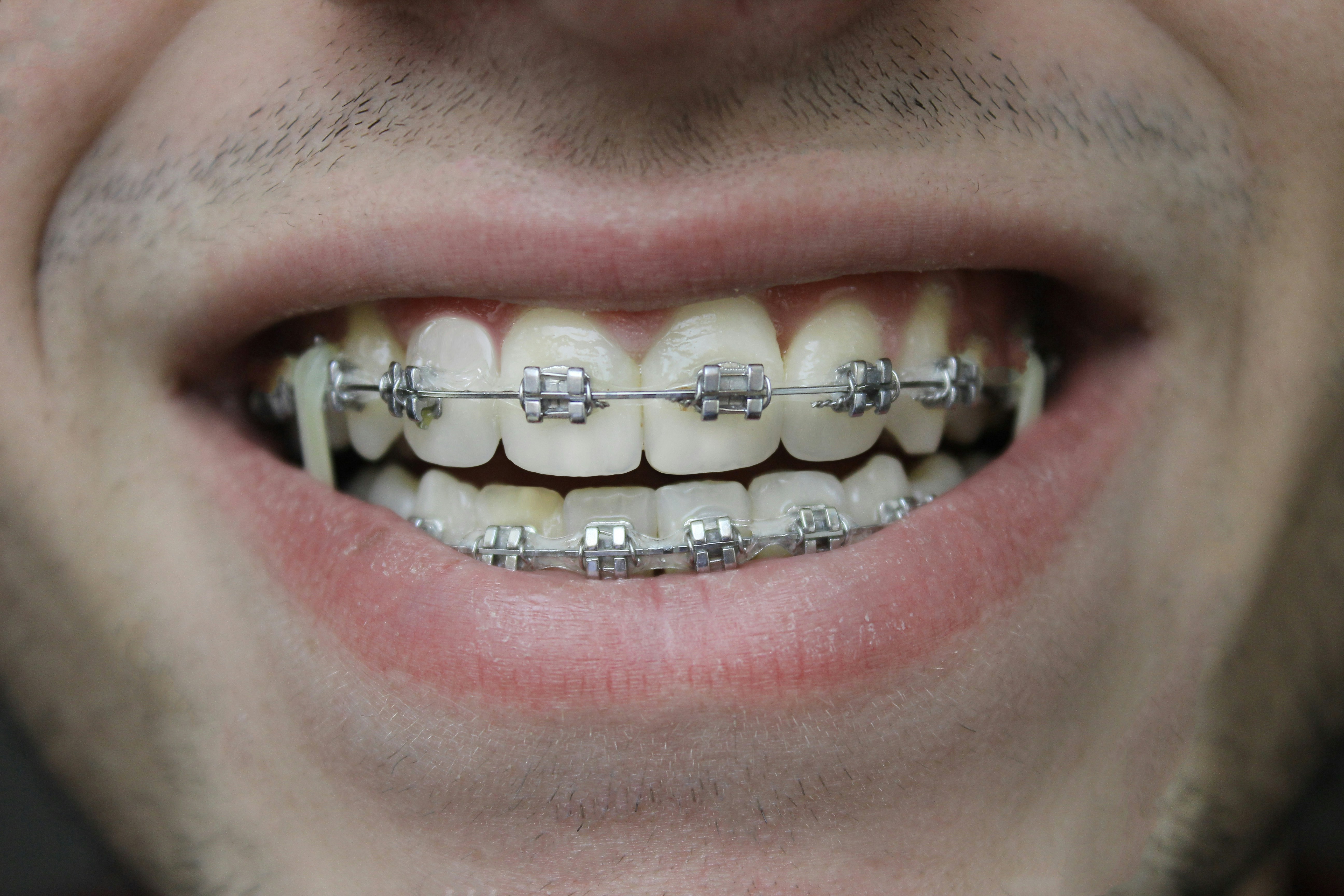
Nickel titanium wires have revolutionized the field of orthodontics, providing a unique blend of properties that set them apart from traditional materials. These wires are primarily composed of nickel and titanium, which contribute to their impressive performance in various dental applications. Understanding their composition and properties is crucial for both orthodontists and patients seeking effective treatment options.
Composition and Properties
The primary components of nickel titanium wires are nickel and titanium, typically in a ratio that yields high nickel alloys with exceptional characteristics. This specific alloying results in a material that exhibits superelasticity and shape memory effects, allowing the wire to return to its original form after deformation. Such properties make nickel titanium archwire particularly advantageous for orthodontic treatments, as they can exert consistent forces over extended periods while maintaining flexibility.
In addition to their unique composition, high nickel alloys also boast remarkable thermal stability and corrosion resistance. This means that they can withstand the oral environment without degrading, ensuring longevity throughout the treatment process. The combination of these properties not only enhances performance but also contributes to improved patient outcomes.
Advantages in Orthodontics
One of the standout advantages of using nickel titanium wires in orthodontics is their ability to provide gentle yet effective force application on teeth. This results in more comfortable adjustments for patients compared to traditional materials like stainless steel or other alloys often used in braces. The superelastic nature of these wires allows for more significant tooth movement with less discomfort, which is a win-win for both orthodontists and their patients.
Moreover, the flexibility inherent in high nickel alloys allows for easier placement within brackets during initial wire insertion or adjustments. This adaptability means fewer visits back to the orthodontist due to broken or bent wires—an added bonus for busy lifestyles! Additionally, because these wires can maintain their shape under stress while still applying consistent pressure on teeth, they play a pivotal role in achieving optimal alignment efficiently.
Comparison with Traditional Materials
When comparing nickel titanium archwire with traditional materials such as stainless steel, several clear distinctions emerge that highlight its advantages. While stainless steel is known for its strength and rigidity, it lacks the flexibility and superelasticity found in high nickel alloys; this often translates into less comfort during treatment phases where tooth movement is critical. Patients using traditional materials may experience more discomfort from wire adjustments than those treated with innovative nickel titanium options.
Furthermore, high nickel alloys demonstrate superior resistance to corrosion compared to conventional materials; this property ensures that they remain effective even when exposed to moisture-laden environments like the mouth over time. In contrast, traditional materials may corrode or degrade faster under similar conditions—leading potentially to complications down the line if not monitored closely by dental professionals! Ultimately, choosing nickel titanium wires offers distinct benefits worth considering when embarking on an orthodontic journey.
High Nickel Alloys and Their Benefits

High nickel alloys, particularly in the form of nickel titanium wires used in orthodontics, offer a plethora of benefits that revolutionize dental treatment. These materials are specifically engineered to enhance performance and provide superior outcomes for patients. Understanding their advantages is crucial for both practitioners and patients seeking effective orthodontic solutions.
Enhanced Flexibility and Strength
One of the standout features of high nickel alloys is their remarkable flexibility combined with exceptional strength. Nickel titanium wires orthodontics leverage this unique property to adapt seamlessly to the varying needs of teeth movement during treatment. This means that orthodontists can apply gentle, continuous forces without compromising on strength, ensuring a more efficient alignment process.
Moreover, the enhanced flexibility allows these wires to navigate complex dental arch forms with ease, reducing the risk of breakage or deformation during adjustments. In contrast to traditional materials, high nickel alloys maintain their integrity even under significant stress, making them an ideal choice for dynamic orthodontic applications. As a result, patients experience faster results with less discomfort—an undeniable win-win!
Resistance to Corrosion
Another significant advantage of high nickel alloys is their impressive resistance to corrosion. Nickel titanium archwire is designed to withstand exposure to moisture and various oral environments without degrading over time. This corrosion resistance not only ensures longevity but also maintains the aesthetic appeal of braces throughout treatment.
The durability provided by these materials means fewer replacements or adjustments are necessary, leading to shorter overall treatment times and less frequent visits to the orthodontist. Patients can enjoy peace of mind knowing that their orthodontic appliances are built to last while remaining safe from wear due to saliva or food particles. With high nickel alloys at work, patients can focus on achieving that perfect smile rather than worrying about maintenance issues.
Improved Patient Comfort
When it comes to patient comfort during orthodontic treatment, high nickel alloys shine brightly compared to traditional materials. The inherent properties of nickel titanium wires allow for smoother finishes and rounded edges that minimize irritation against gums and cheeks—a common complaint among those undergoing brace treatments. This thoughtful design consideration significantly enhances the overall experience for patients.
Additionally, since these wires exert consistent forces over time due to their unique shape memory effect, discomfort from tightening procedures is greatly reduced as well. Patients often report feeling less pressure during adjustments compared with older wire types—making each visit a more pleasant experience overall! Ultimately, improved patient comfort translates into higher satisfaction rates and better compliance with treatment plans.
The Science Behind Nickel Titanium Archwire

Nickel titanium archwires represent a significant leap in orthodontic technology, thanks to their unique properties derived from high nickel alloys. These wires are designed to apply consistent and gentle forces on teeth, making them an essential tool in modern orthodontics. Understanding the scientific principles behind these materials can illuminate their advantages in effective treatment plans.
Mechanisms of Action
The mechanisms of action for nickel titanium wires in orthodontics revolve around their ability to exert continuous force over time while maintaining flexibility. When a nickel titanium archwire is activated, it can engage with the brackets and apply pressure to the teeth, promoting gradual movement without causing excessive discomfort. This is primarily due to the unique composition of high nickel alloys, which allows these wires to adapt dynamically as they respond to temperature changes within the oral environment.
Shape Memory Effect Explained
One of the most fascinating aspects of nickel titanium archwires is their shape memory effect, a phenomenon that allows them to return to a predetermined shape after deformation. When heated above a certain threshold, these wires revert back to their original form—perfectly suited for orthodontic applications where precise tooth positioning is crucial. This effect not only enhances treatment efficiency but also minimizes adjustments needed during appointments, making life easier for both patients and orthodontists alike.
Application in Treatment Plans
Incorporating nickel titanium wires into treatment plans offers several advantages that enhance patient outcomes significantly. Their inherent flexibility allows for easier manipulation during placement while ensuring that they maintain consistent forces throughout tooth movement phases. Additionally, because high nickel alloys are less prone to breakage or deformation under stress compared to traditional materials, orthodontists can confidently design more efficient and effective treatment strategies tailored specifically for each patient's needs.
GEE SMA and Nitinol Shape Memory Alloys

In the world of orthodontics, GEE SMA (Shape Memory Alloys) is making waves with its innovative approaches to high nickel alloys, particularly in the development of nickel titanium wires. These advancements are not just theoretical; they have practical implications that enhance patient care and treatment outcomes. By integrating cutting-edge technology with traditional orthodontic practices, GEE SMA is redefining what’s possible in dental treatments.
Overview of GEE SMA’s Innovations
GEE SMA has pioneered several innovations that leverage the unique properties of high nickel alloys, especially in their formulation of nickel titanium archwire. Their research focuses on enhancing the shape memory effect, which allows these wires to return to a predetermined shape when activated by body heat. This innovation not only improves flexibility but also optimizes performance during orthodontic treatments.
Additionally, GEE SMA has developed proprietary techniques for manufacturing these high nickel alloys that ensure consistent quality and performance. This consistency is crucial for orthodontists who rely on predictable outcomes when using nickel titanium wires in their practices. As a result, patients can expect more reliable and efficient treatment processes.
Contributions to Orthodontic Advancements
The contributions of GEE SMA to orthodontics are manifold, particularly through the improved functionality of nickel titanium wires. These high nickel alloys offer superior mechanical properties compared to traditional materials, allowing for greater force delivery while maintaining patient comfort. The enhanced performance translates into shorter treatment times and fewer adjustments needed throughout the process.
Furthermore, GEE SMA's focus on patient-centric design means that their innovations prioritize not just effectiveness but also comfort and aesthetics in orthodontic appliances. The combination of strength and flexibility found in their nickel titanium archwire allows for smoother transitions during tooth movement without causing significant discomfort or irritation to patients' mouths.
Moreover, as dentists increasingly recognize the benefits of these advanced materials, more practitioners are adopting them into their treatment plans—further solidifying GEE SMA’s role as a leader in this field.
Real-world Applications in Space Missions
Interestingly enough, the applications of high nickel alloys extend beyond orthodontics into realms like aerospace engineering—specifically space missions! The same properties that make nickel titanium wires ideal for dental use—such as resilience under stress and shape memory capabilities—are also invaluable in extreme environments encountered during space travel.
For instance, components made from Nitinol (a type of shape memory alloy) are used in spacecraft systems where reliability is paramount under fluctuating temperatures and pressures found beyond Earth’s atmosphere. By testing these materials in such demanding conditions, researchers can further refine their applications back on Earth—including advancements within orthodontics using innovative materials like those produced by GEE SMA.
Ultimately, this cross-disciplinary exploration highlights how innovations initially designed for one field can revolutionize another—showing just how interconnected modern technology has become across industries.
Choosing Nickel Titanium Wires for Orthodontics
Selecting the right materials for orthodontic treatments is crucial for achieving optimal patient outcomes. Nickel titanium wires, particularly high nickel alloys, have become increasingly popular due to their unique properties and advantages. Understanding the factors influencing material selection can help both orthodontists and patients make informed decisions.
Factors Influencing Material Selection
When it comes to choosing nickel titanium wires in orthodontics, several key factors come into play. The composition of the high nickel alloys significantly affects flexibility, strength, and resistance to deformation—critical attributes for effective treatment. Additionally, practitioners consider the specific needs of each patient, including age, dental condition, and treatment goals when selecting the appropriate nickel titanium archwire.
Another important consideration is the wire's performance under different environmental conditions. High nickel alloys exhibit excellent corrosion resistance, making them suitable for prolonged use in diverse oral environments. This durability ensures that patients receive consistent treatment without compromising on comfort or efficacy.
Lastly, cost-effectiveness is often a deciding factor in material selection. While high-quality nickel titanium wires may come at a premium price point compared to traditional materials, their long-term benefits can outweigh initial costs by reducing the need for frequent replacements or adjustments during treatment.
Patient-Centric Benefits
Choosing nickel titanium wires offers numerous patient-centric benefits that enhance overall satisfaction with orthodontic treatment. One of the most significant advantages is improved comfort due to the gentle forces exerted by these archwires; they adapt more naturally to tooth movement compared to traditional materials. This means fewer painful adjustments and a more pleasant experience throughout the duration of treatment.
Moreover, high nickel alloys provide exceptional resilience and shape memory characteristics that contribute to effective tooth alignment over time. Patients can expect quicker results with less discomfort since these wires maintain their form while applying consistent pressure on teeth throughout various phases of treatment.
Additionally, aesthetic considerations are essential for many patients undergoing orthodontic work; nickel titanium archwires can be designed with aesthetics in mind while still providing top-notch functionality—making them an appealing option for individuals concerned about appearance during their smile transformation journey.
Future Trends in Orthodontic Materials
As technology continues to evolve within dentistry and orthodontics specifically, we can anticipate exciting advancements in materials like high nickel alloys and their applications in practice. Researchers are exploring new formulations of nickel titanium wires that enhance biocompatibility while maintaining superior mechanical properties—an innovation that could lead to even better patient outcomes.
Furthermore, digital technology integration will likely influence future trends in material selection as 3D printing becomes more prevalent within orthodontics. Customization options will expand significantly through this technology; allowing practitioners to create tailored solutions using advanced high nickel alloy compositions designed specifically for individual patient needs.
Finally, ongoing research into smart materials holds great promise for revolutionizing how we approach orthodontic treatments altogether; imagine archwires that adapt dynamically based on real-time feedback from oral sensors! Such innovations could redefine standards in comfort and effectiveness while solidifying the role of high nickel alloys as indispensable tools in modern orthodontics.
Conclusion
The journey of orthodontics is continuously evolving, and high nickel alloys like nickel titanium wires are at the forefront of this transformation. As we look ahead, the integration of these advanced materials promises to redefine treatment methodologies, making orthodontic care more effective and patient-friendly. Embracing innovations such as nickel titanium archwire positions practitioners to deliver exceptional results while enhancing overall patient satisfaction.
The Future of Orthodontics with Nickel Titanium
The future of orthodontics is undeniably bright with the incorporation of high nickel alloys, particularly through the use of nickel titanium wires. These materials not only provide superior flexibility and strength but also adapt seamlessly to the dynamic needs of orthodontic treatment. As research progresses, we can anticipate even more refined applications for nickel titanium archwire that will further enhance treatment outcomes and streamline processes.
Customization Options for Patients
Customization in orthodontics is becoming increasingly vital as patients seek personalized experiences tailored to their unique needs. High nickel alloys allow for a range of customization options in treatment plans, enabling practitioners to adjust wire properties based on individual patient requirements. With advancements in technology and materials like nickel titanium wires, patients can look forward to bespoke solutions that improve comfort and effectiveness throughout their orthodontic journey.
Long-term Benefits of Using Nickel Titanium Wires
Opting for high nickel alloys such as nickel titanium wires offers long-term benefits that extend beyond immediate results. These materials boast exceptional durability and resistance to wear over time, ensuring that patients enjoy consistent performance throughout their treatment duration. Moreover, the unique properties of nickel titanium archwire contribute to enhanced oral health outcomes by minimizing discomfort and promoting better alignment—making them a wise choice for both practitioners and patients alike.