

Introduction
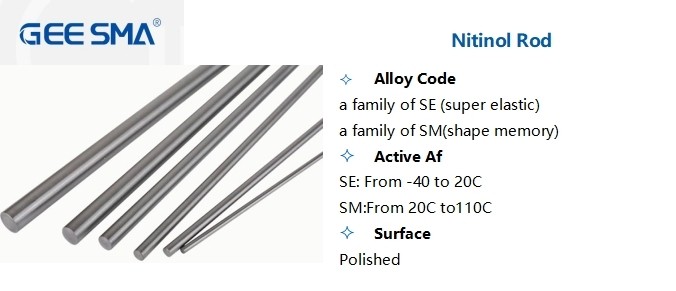
Nickel-titanium alloys, particularly known for their unique properties, have captured the interest of engineers and innovators alike. These materials, especially Nitinol—a specific nickel-titanium alloy—are transforming industries with their remarkable capabilities. From medical devices to aerospace applications, the versatility of nickel titanium is astounding and often underappreciated.
The Allure of Nickel-Titanium Alloys
What is nickel-titanium used for? This question opens a treasure trove of possibilities that showcase the exceptional characteristics of these alloys. With an ability to return to a predetermined shape when heated, nickel titanium stands out in the world of materials science. Its charm lies not only in its shape memory effect but also in its biocompatibility, making it a favorite in medical applications.
How Nitinol Changes the Game
Nitinol changes the game by offering a combination of strength and flexibility that traditional metals simply can't match. Is nickel-titanium strong? The answer is a resounding yes! Nitinol exhibits impressive tensile strength while retaining enough flexibility to adapt to various applications, making it indispensable in fields such as robotics and biomedical engineering.
Applications You Didn't Know About
When pondering what NiTi is used for, one might think primarily of stents or dental wires; however, its uses extend far beyond these familiar examples. This alloy plays a crucial role in aerospace innovations where lightweight yet strong materials are essential for efficiency and performance. Moreover, as we delve deeper into its potential applications—from actuators in robotics to smart structures—the future looks bright for nickel titanium and its transformative capabilities.
Understanding Nickel-Titanium Alloys
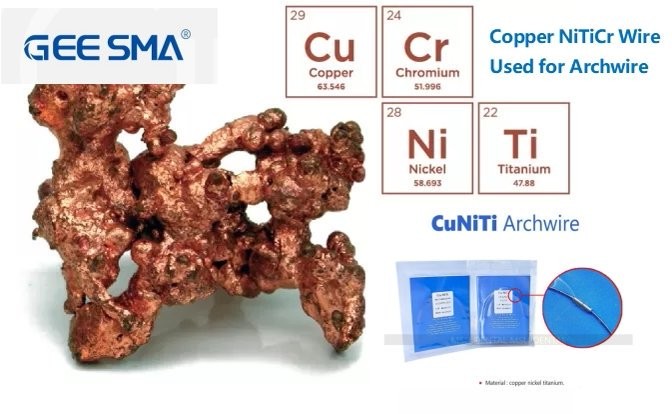
Nickel-titanium, often referred to as NiTi, is an extraordinary alloy that combines the best traits of its constituent metals. This unique blend offers remarkable properties that set it apart from traditional materials, making it a favorite in various high-tech applications. But what exactly is nickel-titanium used for? Let’s dive into the fascinating world of this innovative alloy.
What is Nickel-Titanium?
At its core, nickel-titanium is a shape memory alloy (SMA) composed primarily of nickel and titanium in varying proportions. This combination grants the material its distinctive ability to return to a predetermined shape when heated above a certain temperature. The versatility of nickel-titanium makes it suitable for many applications, ranging from medical devices to aerospace components.
The question often arises: Is nickel-titanium strong? While strength can be relative depending on context, NiTi demonstrates impressive durability and resilience compared to many traditional alloys. Its unique properties allow it to endure stress while maintaining flexibility, making it an ideal choice for demanding environments.
The Science Behind the Alloys
The magic of nickel-titanium lies in its atomic structure and how the atoms interact with each other under different conditions. When subjected to heat or cold, the arrangement of atoms shifts between two distinct phases: martensite and austenite. This phase transformation is what enables the shape memory effect—allowing NiTi to remember its original form after deformation.
Understanding how these transformations occur helps answer questions like “What is NiTi used for?” In medical applications such as stents or guidewires, this property allows devices to be compressed for easy insertion but then expand once they reach body temperature. The science behind nickel-titanium not only reveals why it's effective but also showcases its potential across various industries.
Composition and Properties
Nickel and titanium typically make up about 50-60% of the alloy's composition, with specific ratios influencing its characteristics significantly. For instance, higher titanium content generally enhances corrosion resistance while affecting mechanical properties like strength and ductility. This careful balance between elements leads us back to the question: Is nickel related to titanium?
Indeed, their relationship is crucial; together they create an alloy that boasts excellent fatigue resistance and biocompatibility—qualities essential in medical devices where human interaction occurs frequently. Furthermore, understanding these composition nuances helps engineers tailor nickel-titanium alloys for specific uses across fields such as robotics or aerospace innovations.
In summary, grasping what makes up nickel-titanium provides insight into why it's so widely utilized today—its unique blend of strength and adaptability opens doors previously thought impossible in material science.
Is Nickel-Titanium Strong?
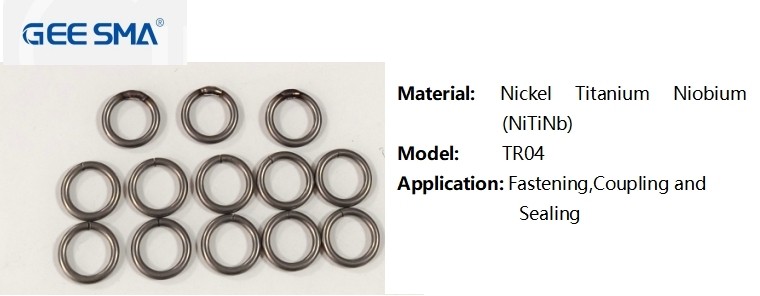
When it comes to strength, nickel-titanium alloys, particularly Nitinol, are often surprising contenders against traditional metals. While conventional alloys like steel or aluminum boast impressive strength metrics, nickel-titanium brings unique attributes that set it apart. This section will explore how nickel-titanium compares to these traditional materials and the implications for various applications.
Comparing Strength to Traditional Alloys
Nickel-titanium is not just strong; it's uniquely engineered for specific applications that require a combination of strength and flexibility. In fact, when compared to traditional alloys, nickel-titanium can exhibit a higher yield strength while maintaining its shape memory properties. This means that in environments where deformation could be detrimental, nickel-titanium stands out as a superior choice for engineers looking for durability without sacrificing performance.
In addition to its mechanical strength, the fatigue resistance of nickel-titanium is noteworthy. Unlike many traditional alloys that may weaken over time with repeated stress cycles, Nitinol can endure significant strain without permanent deformation. This resilience makes it an attractive option in high-stress environments such as aerospace and medical devices.
Benefits of Strength and Flexibility
One of the most remarkable features of nickel-titanium is its ability to combine both strength and flexibility seamlessly. This duality allows components made from this alloy to absorb shock and return to their original form after deformation—an attribute known as the shape memory effect. Such characteristics make nickel titanium ideal for applications where both robustness and adaptability are essential.
The flexibility of nickel-titanium also plays a crucial role in its usability across various sectors. For instance, in the medical field, this alloy is used in stents and guidewires where bending without breaking is critical for patient safety and procedure success. The combination of strength and flexibility allows engineers to design more efficient systems that can withstand dynamic environments while minimizing risks associated with material failure.
Real-World Applications in Engineering
Nickel titanium finds itself at home in numerous engineering applications due to its unique properties—both strong yet flexible—making it invaluable across several industries. In aerospace engineering, components made from Nitinol are used in actuators and couplings where weight savings combined with high performance are paramount; these parts must endure extreme conditions while remaining reliable over time.
Moreover, when we ask ourselves What is NiTi used for? we discover its significant role in robotics as well; actuators crafted from this alloy enable robots to perform complex movements while maintaining structural integrity under stressors they encounter during operation. The versatility doesn’t stop there; automotive industries have also begun incorporating nickel titanium into suspension systems due to improved handling characteristics under various driving conditions.
In summary, the question Is nickel titanium strong? can be answered affirmatively through numerous examples across multiple sectors showcasing its unmatched blend of durability and adaptability which challenges traditional perceptions surrounding metal alloys.
What is NiTi Used For?
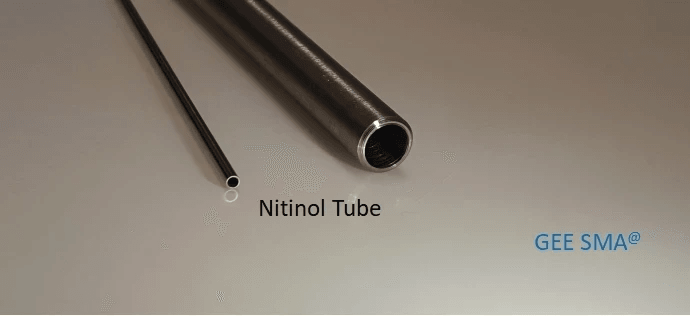
Nickel-titanium alloys, commonly referred to as NiTi, are revolutionizing various industries with their unique properties. From medical devices that save lives to aerospace innovations that push the boundaries of technology, understanding what nickel-titanium is used for opens up a world of possibilities. Let’s dive into the fascinating applications of this remarkable alloy.
Medical Applications of Nickel-Titanium
One of the most impactful uses of nickel-titanium is in the medical field, where its unique characteristics shine brightly. Devices such as stents and guidewires leverage the flexibility and strength of NiTi to navigate through complex bodily pathways with ease. Additionally, orthodontic wires made from nickel-titanium help in effective tooth movement due to their shape memory effect, making dental treatments more efficient and comfortable for patients.
The biocompatibility of nickel-titanium is another reason it’s favored in medical applications; it doesn’t cause adverse reactions when implanted in the body. This quality allows for long-lasting devices that can withstand physiological conditions without degrading over time. As a result, medical professionals increasingly rely on nickel-titanium products for surgical procedures and patient care.
In summary, when asking What is nickel-titanium used for? in medicine, the answer includes life-saving devices that combine strength with flexibility—qualities essential for modern healthcare solutions.
Aerospace Innovations and Nitinol
The aerospace industry has also embraced nickel-titanium alloys due to their lightweight nature and exceptional strength-to-weight ratio. Engineers utilize NiTi components in aircraft structures and systems where performance under extreme conditions is crucial. The ability of these alloys to undergo significant deformation while returning to their original shape makes them ideal for applications like actuators and control surfaces.
Moreover, Nitinol's resistance to fatigue ensures reliability over countless cycles during flight operations—a critical factor in aerospace engineering where safety cannot be compromised. The innovative use of this alloy helps reduce overall weight without sacrificing performance or safety standards in aviation technologies.
Thus, when exploring What is NiTi used for? within aerospace contexts, one finds an array of applications designed not only to enhance efficiency but also ensure safety in our skies.
The Role of GEE SMA in Space Missions
GEE SMA (Shape Memory Alloys) plays a pivotal role in space missions by utilizing nickel-titanium's remarkable properties under extreme conditions found beyond Earth’s atmosphere. In spacecraft design, components made from GEE SMA can adapt dynamically to varying temperatures encountered during launch and re-entry phases—an essential feature given the harsh environment outside our planet's protective layers.
These advanced materials are employed in deployable structures such as solar arrays or antennas that need precise positioning after launch; they can expand or contract based on temperature changes thanks to their shape memory effect derived from nickel titanium properties. This capability not only enhances mission reliability but also contributes significantly toward reducing overall spacecraft weight—an important factor when considering payload limits.
In conclusion, understanding Is nickel related to titanium? leads us directly into its application within space missions: GEE SMA leverages this relationship effectively to push boundaries further than ever before while ensuring mission success against all odds.
The Shape Memory Effect Explained
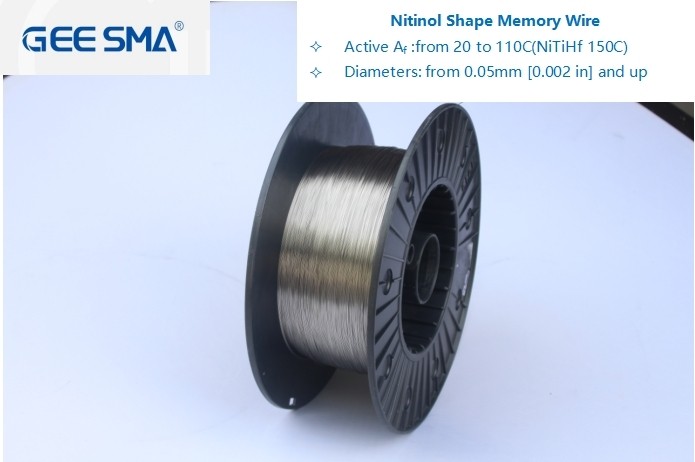
Nickel-titanium alloys, particularly Nitinol, are famous for their remarkable shape memory effect, which allows them to return to a predetermined shape when heated. This unique property arises from the transformation of the alloy's crystalline structure in response to temperature changes. As temperatures fluctuate, nickel-titanium can undergo phase transitions that enable it to remember its original form, making it a fascinating topic in materials science.
How Nickel-Titanium Reacts to Temperature
When we discuss how nickel-titanium reacts to temperature, we're diving into the heart of its shape memory effect. At lower temperatures, Nitinol can be easily deformed into various shapes; however, once heated above a certain threshold—known as the transformation temperature—it snaps back to its original configuration. This reaction is not just a party trick; it has practical implications in various fields where precision and reliability are paramount.
Understanding this temperature-dependent behavior raises questions about what nickel-titanium is used for beyond mere novelty. From medical devices like stents that expand at body temperature to eyeglass frames that return to their intended shape after bending, the applications are both innovative and practical. This leads us seamlessly into exploring what NiTi is used for in everyday life.
Practical Uses in Everyday Products
The versatility of nickel-titanium shines through in its wide range of applications across everyday products. One notable example is its use in dental braces; they apply consistent pressure on teeth due to their unique ability to maintain force over time while adapting to body heat. Similarly, many modern tools and gadgets incorporate Nitinol springs because they resist fatigue better than traditional materials—who wouldn’t want a tool that lasts longer?
Beyond dental and mechanical uses, you might be surprised by how often you encounter nickel-titanium without even realizing it! From self-healing materials that can mend themselves when exposed to heat or specific conditions to innovative clothing with adjustable fit features based on body temperature—Nitinol continues redefining our interaction with everyday items. It's clear that understanding what nickel-titanium is used for opens up a world of possibilities.
Nitinol in Robotics and Beyond
In the realm of robotics and automation, nickel-titanium plays an increasingly vital role due to its remarkable properties and adaptability under varying conditions. Robots equipped with Nitinol actuators can perform complex movements mimicking natural muscle contractions more efficiently than traditional motors could manage alone—a feat made possible by the alloy's strength combined with flexibility. This capability makes robots lighter while enhancing their performance.
Moreover, researchers are exploring how this material can revolutionize soft robotics—a field focused on creating flexible machines capable of navigating delicate environments or interacting safely with humans. Imagine robots made from nickel titanium that adapt their shapes seamlessly based on environmental stimuli! As we continue asking whether nickel titanium is strong enough for these applications, it's evident that its unique properties position it as a game-changer.
In conclusion, understanding how Nitinol reacts thermally illuminates not only its intriguing science but also reveals practical applications across various industries—from healthcare innovations answering the question What is NiTi used for? to advancements pushing robotic capabilities further than ever before.
Is Nickel Related to Titanium?
When we dive into the world of nickel-titanium alloys, it’s crucial to understand the relationship between these two metals. Nickel and titanium combine to create a unique alloy known as Nitinol, which is celebrated for its remarkable properties. But what exactly makes this combination so special?
The Chemistry Behind the Alloys
At a fundamental level, nickel and titanium form an intermetallic compound that boasts extraordinary characteristics. The atomic structure of nickel-titanium allows for a distinct phase transformation, which is the basis for its shape memory effect. This means that when subjected to specific temperature changes, nickel-titanium can revert to a predetermined shape—a fascinating feature that has numerous applications.
The composition of nickel-titanium alloys typically consists of around 50% nickel and 50% titanium by atomic percentage. This precise balance contributes not only to the alloy’s strength but also enhances its flexibility and resilience under stress. Understanding this chemistry is essential when exploring what is NiTi used for in various industries.
Interactions and Benefits of Nickel and Titanium
The synergy between nickel and titanium creates an alloy that excels in several key areas: strength, flexibility, and biocompatibility. The presence of nickel imparts corrosion resistance, while titanium offers excellent mechanical properties—making them an ideal pair for high-performance applications. Together, they produce an alloy that stands out among traditional materials often used in engineering.
Moreover, this interaction leads to enhanced performance in extreme environments such as aerospace or medical settings where durability is paramount. As we ask ourselves whether nickel-titanium is strong enough for these demanding applications, it's clear that their combined strengths make them formidable contenders against conventional metals.
Why This Relationship Matters
Understanding why nickel is related to titanium goes beyond mere chemistry; it opens doors to innovative technologies across various fields. For instance, in medicine, Nitinol's unique properties allow it to be used effectively in stents and guidewires—essential tools in minimally invasive surgeries where reliability matters immensely.
In aerospace innovations as well, the relationship between these two metals plays a critical role; lightweight yet strong components made from this alloy can significantly enhance aircraft efficiency and performance. So when pondering what is nickel-titanium used for or if it stands up against traditional materials—it's evident that their partnership not only matters but drives advancements across multiple industries.
Conclusion

In summary, nickel-titanium alloys, particularly Nitinol, have revolutionized various industries with their unique properties and innovative applications. From medical devices to aerospace advancements, the versatility of nickel-titanium is truly remarkable. As we continue to explore and harness the potential of these alloys, the future looks bright for both technology and everyday life.
Innovative Applications of Nickel-Titanium
What is nickel-titanium used for? The answer is extensive, ranging from stents in medical procedures to actuators in robotics. Its ability to return to a predetermined shape when heated makes it invaluable in applications where precision and reliability are paramount. Furthermore, its lightweight nature combined with strength means that designers can create more efficient products without sacrificing durability.
GEE SMA’s Role in Advancing Technology
The Global Engineering Excellence Shape Memory Alloy (GEE SMA) has played a pivotal role in advancing technology utilizing nickel-titanium's extraordinary characteristics. By focusing on innovative designs and applications, GEE SMA has pushed the boundaries of what is possible with these materials. Their contributions not only enhance existing technologies but also pave the way for new inventions that rely on the unique properties of nickel-titanium.
Future Prospects for Nickel-Titanium Alloys
As we look ahead, the question arises: Is nickel related to titanium? The synergy between these two elements will continue to unlock new possibilities in material science and engineering. With ongoing research into enhancing their properties further and discovering novel applications—like smart textiles or advanced robotics—the future prospects for nickel-titanium alloys seem limitless.