

Introduction

Titanium, often celebrated for its strength and lightweight nature, holds a magnetic mystery that intrigues scientists and engineers alike. As we delve into the question, is titanium magnetic? we uncover the nuances of this remarkable metal and its unique attributes. From aerospace to medical applications, understanding titanium's role in modern technology is essential for appreciating its significance in various industries.
The Magnetic Mystery of Titanium
When pondering whether is titanium magnetic, one might be surprised to learn that titanium is generally classified as a non-magnetic metal. However, this classification can vary depending on specific grades of titanium, such as Grade 5 titanium—often used in critical applications due to its superior properties. This distinction raises fascinating questions about how different forms of titanium interact with magnetic fields and what that means for their practical uses.
Understanding Titanium's Unique Attributes
Is titanium a metal? Absolutely! It boasts an impressive combination of lightweight characteristics and high tensile strength, making it a favored choice in numerous applications. Beyond its physical properties, the question is grade 5 titanium magnetic further complicates our understanding of this versatile material—an inquiry that leads us to explore not only its industrial uses but also how it interacts with other metals.
The Role of Titanium in Modern Applications
Titanium's unique attributes make it indispensable across various sectors—from aerospace engineering to medical implants. With an increasing focus on sustainability and efficiency, many industries are turning to titanium due to its durability and resistance to corrosion, prompting discussions about whether is titanium expensive when compared to alternatives like stainless steel or aluminum. As we navigate through these considerations, it's clear that the future potential for titanium in technological advancements is vast and exciting.
What is Titanium?
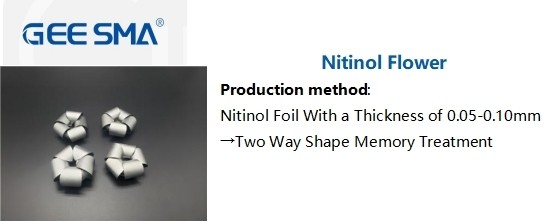
Titanium is often hailed as a wonder metal, renowned for its strength, lightweight properties, and corrosion resistance. But what exactly makes titanium so special? First and foremost, it’s important to recognize that titanium is a metal — specifically, it belongs to the transition metals group on the periodic table. This classification helps explain why it behaves differently than other materials, particularly when we ponder questions like “is titanium magnetic?”
Characteristics of Titanium as a Metal
Titanium's unique characteristics set it apart from many other metals. It boasts an impressive strength-to-weight ratio, making it both robust and lightweight — perfect for applications where every ounce counts. Additionally, titanium exhibits excellent resistance to corrosion and high temperatures; this durability means that items made from titanium can last for decades without degrading.
Another fascinating aspect of titanium is its low thermal conductivity compared to other metals; this property makes it less likely to heat up quickly in extreme conditions. When pondering whether is titanium magnetic, it's worth noting that this metal is generally not magnetic at room temperature and retains its non-magnetic nature even when subjected to various treatments or environments. These characteristics make titanium an incredibly versatile choice across numerous industries.
The Different Grades of Titanium
Titanium comes in several grades, each tailored for specific applications based on their unique properties and compositions. The most commonly used grades are Grade 1 through Grade 4, which vary in purity and mechanical strength; the higher the grade number, the stronger the material becomes but with slightly less ductility. Then there’s Grade 5 titanium (Ti-6Al-4V), which combines aluminum and vanadium for enhanced strength while still being lightweight — a popular choice in aerospace engineering.
When discussing whether is grade 5 titanium magnetic, it's essential to understand that while pure titanium remains non-magnetic, certain alloys can exhibit slight magnetic properties under specific conditions due to their composition changes during processing or treatment. However, even these variations typically do not produce significant magnetism compared to ferromagnetic metals like iron or nickel.
Common Uses of Titanium in Industry
The versatility of titanium leads to its use across a wide array of industries—from aerospace engineering to medical implants—thanks largely to its remarkable properties discussed earlier. In aerospace applications, manufacturers favor titanium for aircraft frames because they require materials that are both strong yet lightweight; thus, using this metal significantly improves fuel efficiency during flight.
In the medical field, questions such as “is titanium magnetic in the body?” arise frequently since many implants are made from this biocompatible metal due to its ability to integrate well with human tissue without causing adverse reactions. From dental implants to orthopedic devices like joint replacements or screws, the use of titanium has revolutionized modern medicine by providing durable solutions for patients needing surgical interventions.
Moreover, beyond these high-tech applications lies another consideration: “is titanium expensive?” While initial costs may be higher than some alternatives due to extraction processes and material treatment requirements, many industries find that investing in quality materials pays off over time through longevity and performance improvements.
Exploring Titanium's Magnetic Properties
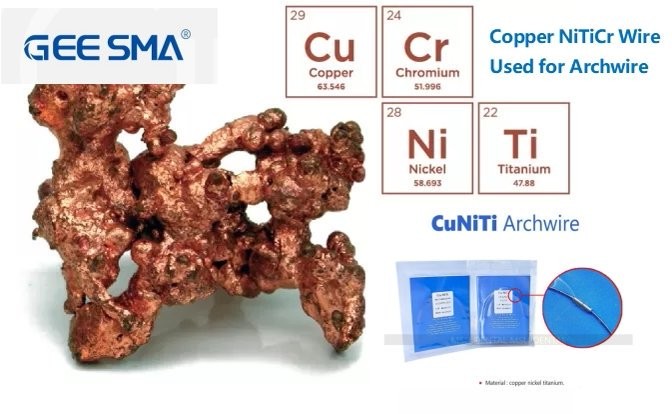
When we delve into the magnetic properties of titanium, we find ourselves at a crossroads of science and curiosity. Many people wonder, Is titanium magnetic? The answer is nuanced; titanium is not magnetic in the conventional sense, meaning it does not have a strong attraction to magnets like iron or cobalt. Instead, titanium exhibits paramagnetic behavior, which means it can be weakly attracted by a magnetic field but does not retain magnetism once the field is removed.
Is Titanium Magnetic?
To understand whether titanium is magnetic, one must first grasp its atomic structure. Titanium has a unique arrangement of electrons that limits its ability to become magnetized like ferromagnetic materials. While you won’t find your refrigerator magnets sticking to a titanium surface, this metal's low level of magnetism makes it suitable for various applications where magnetic interference could be problematic.
In medical settings where implants are used, many ask if is titanium magnetic in the body? The answer remains consistent; titanium does not pose any significant risk in terms of magnetism during MRI scans or other medical imaging techniques. This non-magnetic property significantly contributes to its popularity in medical devices and implants.
Differences Between Grades: Is Grade 5 Titanium Magnetic?
Titanium comes in multiple grades, each with varying compositions and properties. One commonly discussed grade is Grade 5 titanium (Ti-6Al-4V), which contains aluminum and vanadium as alloying elements. Despite these additions enhancing strength and corrosion resistance, they do not impart any significant magnetic properties—so the question arises again: Is Grade 5 titanium magnetic? The answer remains no; even with its alloying elements, Grade 5 retains its non-magnetic character.
This characteristic makes Grade 5 an excellent choice for applications such as aerospace components and medical implants where weight savings are crucial without compromising structural integrity or introducing unwanted magnetic interference. Thus, whether you're using pure titanium or an alloy like Grade 5, you can rest assured that magnetism won't be an issue.
Comparing Titanium with Other Metals
When comparing titanium to other metals regarding magnetism, it's essential to highlight some key differences that set it apart from ferromagnetic metals like iron and nickel. These metals possess unpaired electrons that allow them to exhibit strong magnetic properties—something that simply isn't present in titanium's structure. This distinction raises important questions about how materials behave under electromagnetic conditions.
For instance, while steel can easily attract magnets due to its iron content—making it unsuitable for certain sensitive applications—titanium’s lack of magnetism provides advantages in environments where electronic precision matters most. So when pondering whether is titanium expensive, consider how this non-magnetic quality adds value across various industries by reducing complications related to electromagnetic interference.
In summary, while many metals boast robust magnetic characteristics that can either help or hinder their utility depending on the context, titanium stands out as a reliable option devoid of such complications—even when compared against alloys like Grade 5 titanum which still hold onto their non-magnetism status firmly.
Titanium in the Human Body

When it comes to the human body, titanium has carved out a niche that is both fascinating and functional. One of the most pressing questions is: *is titanium magnetic in the body?* The answer is a resounding no; titanium is not magnetic, which makes it an ideal choice for medical applications where magnetic interference could pose serious risks, such as with MRI machines.
Is Titanium Magnetic in the Body?
In the context of medical implants and devices, understanding whether *is titanium magnetic* becomes crucial. Titanium exhibits paramagnetic properties, meaning it doesn’t exhibit magnetism under normal conditions and remains unaffected by external magnetic fields. This characteristic ensures that when titanium implants are placed within the body, they won't interfere with imaging technologies or cause discomfort during procedures.
Applications of Titanium in Medical Implants
Titanium's unique properties make it a superstar in medical implants. From dental crowns to hip replacements, its strength and lightweight nature provide durability without compromising patient comfort. Moreover, given that *is grade 5 titanium magnetic*? The answer remains consistent—grade 5 titanium also maintains those non-magnetic qualities while being one of the most commonly used grades for orthopedic applications due to its excellent mechanical properties.
Biocompatibility of Titanium
One of the standout features that make titanium so appealing for medical use is its biocompatibility. This means that when implanted into the human body, titanium does not provoke an adverse reaction from surrounding tissues—an essential factor when considering if *is titanium expensive* compared to other materials like stainless steel or cobalt-chromium alloys. Its ability to integrate well with bone tissue further enhances its appeal as an implant material, ensuring longevity and reducing complications associated with rejection or inflammation.
Is Titanium Expensive?
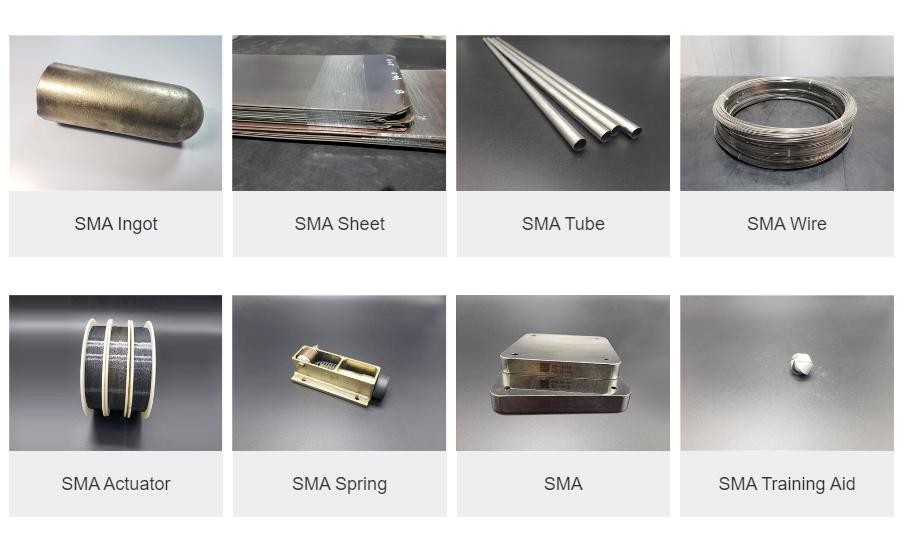
When it comes to titanium, many people wonder, Is titanium expensive? The answer can be a bit complex, as the price of titanium fluctuates based on various factors. Understanding these factors can shed light on why this remarkable metal commands a premium in the market.
Factors Affecting Titanium Pricing
Several key factors influence the pricing of titanium. First and foremost, the extraction and processing of titanium ore are labor-intensive and costly. Additionally, fluctuations in demand from industries such as aerospace and medical technology can significantly impact prices; when demand rises, so does the cost. Furthermore, geopolitical issues and trade regulations also play a role in shaping the market dynamics for titanium.
The quality and grade of titanium also affect its price; for instance, higher grades like Grade 5 titanium often come with a heftier price tag due to their enhanced properties. When asking Is grade 5 titanium magnetic? one might be surprised to learn that while it’s not magnetic itself, its superior strength-to-weight ratio makes it particularly valuable in high-performance applications. Overall, understanding these pricing factors helps clarify why titanium is often viewed as an expensive material.
Comparison with Other Metals
Comparing the cost of titanium with other metals reveals some interesting insights into its value proposition. For example, while steel is generally more affordable due to abundant availability and lower production costs, it lacks many unique attributes found in titanium—such as corrosion resistance and lightweight characteristics. In contrast to precious metals like gold or platinum, which are priced primarily based on rarity rather than utility, titanium offers a blend of affordability and performance that makes it attractive for various applications.
When considering whether is titanium magnetic, it's essential to note that unlike ferromagnetic metals such as iron or nickel—which are cheaper but less versatile—titanium provides durability without being magnetic at all. This non-magnetic property is particularly advantageous in specialized fields like medicine where MRI compatibility is crucial; thus making it an ideal choice despite its higher cost compared to other materials.
The Cost-Benefit Analysis of Using Titanium
Conducting a cost-benefit analysis reveals that using titanium may be worth every penny despite initial expenses associated with procurement and fabrication. The long-term advantages include reduced maintenance costs due to its corrosion resistance—a significant factor for industries like aerospace where failure could lead to catastrophic results. Moreover, lightweight properties mean lower fuel consumption for aircraft or vehicles made from this metal over time.
In medical applications where implants must withstand bodily conditions without causing adverse reactions (leading us back to is titanium magnetic in the body?), the benefits far outweigh initial costs when considering longevity and patient safety. Overall, while some may question is titanium expensive? it's essential to recognize that investing in this remarkable metal often leads to significant savings down the line through enhanced performance and durability.
The Future of Titanium in Technology

Titanium is poised to play a pivotal role in the technological advancements of the future, particularly in sectors like aerospace and space exploration. As industries seek materials that are not only lightweight but also incredibly strong, titanium's unique properties make it an ideal candidate. With ongoing research and development, we can anticipate innovative applications that will redefine how we use this remarkable metal.
Innovative Applications in Aerospace
The aerospace industry has long been a frontrunner in utilizing titanium due to its impressive strength-to-weight ratio and corrosion resistance. Aircraft manufacturers are increasingly turning to titanium components to improve fuel efficiency and reduce overall weight, which is crucial for performance and sustainability. As engineers explore new designs, the question is titanium magnetic? becomes relevant; understanding its magnetic properties can lead to better integration into advanced systems.
With advancements in technology, companies are experimenting with titanium alloys that enhance performance even further. For instance, Grade 5 titanium is a popular choice for critical structural components due to its durability and lightness; however, it's important to note that is Grade 5 titanium magnetic? remains a topic of interest as researchers delve deeper into the material’s characteristics. The aerospace sector continues to innovate with titanium applications—from airframes to engine components—setting the stage for a future where this metal becomes even more integral.
GEE SMA and Advanced Materials
One exciting frontier involves the combination of titanium with shape memory alloys (SMA), particularly those developed under GEE (Global Engineering Excellence). These advanced materials leverage the unique attributes of titanium while providing additional functionalities such as shape recovery at specific temperatures. This innovation raises intriguing questions about whether is titanium magnetic plays a role in how these materials function under various conditions.
By integrating these smart materials into various applications—from robotics to automotive technologies—engineers are unlocking new potentials that were previously unimaginable. The versatility of is titanium expensive becomes apparent when considering its long-term benefits compared to traditional metals; while initial costs may be higher, the durability and efficiency often justify the investment over time. As research progresses, we can expect even more groundbreaking uses for these advanced combinations.
The Role of Titanium in Space Exploration
In space exploration, where every ounce matters, titanium has carved out an essential niche due to its lightweight nature combined with exceptional strength properties. Rockets and spacecraft increasingly incorporate titanium components because they can withstand extreme conditions without adding unnecessary weight—a crucial factor when launching payloads into orbit or beyond. Questions about is titanium magnetic take on new dimensions here; understanding how it interacts with other elements is vital for designing effective systems.
Moreover, as missions aim further into deep space or even Mars colonization efforts ramp up, using biocompatible materials like those found in medical implants highlights another aspect of why “is titanium expensive” might be worth it: its reliability under harsh conditions ensures mission success while minimizing maintenance needs during long journeys through space. This interplay between cost-effectiveness and performance makes it clear that investing in this remarkable metal could yield significant returns for future endeavors.
As we look ahead at what lies on our horizon—be it advanced aircraft or interplanetary travel—the importance of understanding both is grade 5 titanium magnetic and other grades’ properties will become increasingly essential for engineers pushing boundaries across disciplines.
Conclusion
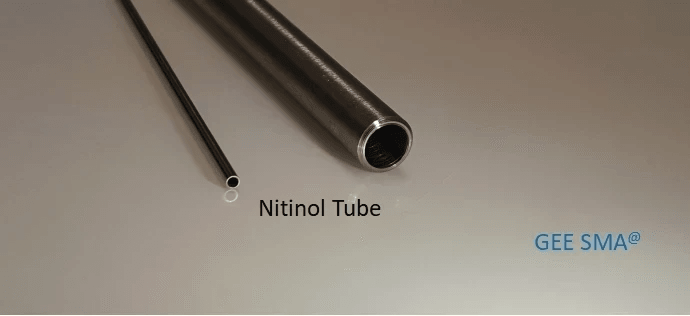
In wrapping up our exploration of titanium, it’s clear that this remarkable metal possesses unique properties that set it apart from others. From its lightweight strength to its impressive resistance to corrosion, titanium is a material that continues to fascinate both scientists and industry professionals alike. As we’ve seen, understanding whether is titanium magnetic can influence its applications significantly, especially in fields like aerospace and medicine.
Recap of Titanium's Unique Properties
Titanium is not just another metal; it's a powerhouse of attributes that make it indispensable across various industries. Its low density combined with high tensile strength allows for innovative uses where weight savings are crucial without compromising durability. Additionally, the fact that is titanium magnetic remains a point of curiosity highlights the need for deeper understanding as we apply this metal in diverse settings.
The Importance of Understanding Titanium's Behavior
Understanding whether is titanium magnetic in the body is particularly vital in medical applications where implants must be safe and effective. Titanium’s non-magnetic nature means it doesn’t interfere with MRI scans, making it an ideal choice for surgical implants and devices. By grasping how titanium behaves under different conditions—whether in everyday environments or within the human body—we can better harness its potential.
Future Prospects for Titanium and Its Applications
Looking ahead, the future prospects for titanium are bright as innovation continues to drive demand for advanced materials like grade 5 titanium, known for its superior mechanical properties. As industries evolve—especially aerospace and space exploration—the question is titanium expensive becomes increasingly relevant when considering cost versus performance benefits. With ongoing research into new applications and technologies, including GEE SMA (Shape Memory Alloys), we can expect exciting developments that will further cement titanium's role as a key player in modern engineering.