

Introduction
Titanium foil, a versatile and lightweight material, has become increasingly popular across various industries due to its unique properties and applications. This thin sheet of titanium metal combines strength with corrosion resistance, making it an ideal choice for demanding environments. Understanding the uses of titanium foil is essential for anyone looking to leverage its benefits in their projects.
Understanding Titanium Foil and Its Uses
Titanium foil is produced by rolling or processing titanium metal into thin sheets, typically measuring less than 0.5 mm in thickness. Its applications range from aerospace components to medical devices, where durability and biocompatibility are crucial factors. By harnessing the unique characteristics of titanium alloy materials, manufacturers can create solutions that enhance performance while minimizing weight.
The Importance of Quality Titanium Selection
When working with titanium materials, selecting quality titanium is paramount to ensure optimal performance and longevity. Poor-quality titanium can lead to failures in critical applications, resulting in costly repairs or safety hazards. Therefore, understanding the differences between various grades and types of titanium alloys is essential for engineers and designers alike.
Exploring Titanium Foil Types
There are several types of titanium foil available on the market today, each tailored for specific applications based on their unique properties. From commercially pure grades to specialized titanium alloy materials designed for high-stress environments, knowing which type best fits your project requirements is vital. By exploring these options thoroughly, you can make informed decisions that will significantly impact your project's success.
Overview of Titanium Foil
Titanium foil is a thin sheet of titanium metal, typically measuring less than 0.25 mm in thickness. Renowned for its strength-to-weight ratio, titanium foil boasts remarkable durability while remaining lightweight, making it an ideal choice for various applications. This versatile titanium material is utilized in industries ranging from aerospace to medical devices, showcasing its multifaceted nature.
What is Titanium Foil?
At its core, titanium foil is a product derived from titanium alloy material that undergoes processes such as rolling and annealing to achieve the desired thinness and flexibility. This process allows manufacturers to produce high-quality titanium sheets that retain the intrinsic properties of titanium metal, including corrosion resistance and excellent mechanical strength. The unique characteristics of this metallic form make it a preferred option for specialized applications where traditional materials may fall short.
Common Applications of Titanium Foil
The applications of titanium foil are vast and varied, reflecting the material's exceptional qualities. In the aerospace industry, it is often used in components that require lightweight yet robust materials to enhance fuel efficiency and performance. Additionally, in the medical field, quality titanium foil finds use in implants and surgical instruments due to its biocompatibility and resistance to bodily fluids.
Benefits of Using Titanium Material
Using titanium material presents numerous advantages that set it apart from other metals. One significant benefit is its impressive corrosion resistance; unlike many traditional metals that succumb to rust or degradation over time, quality titanium can withstand harsh environments without compromising integrity. Furthermore, the lightweight nature of titanium alloy materials means that products made with this metal can be more efficient and easier to handle while maintaining superior strength.
Types of Titanium Alloys
When it comes to titanium alloys, understanding the differences between them is crucial for selecting the right titanium material for your needs. These alloys are primarily categorized into two types: alpha and beta, each with unique properties that make them suitable for various applications. Choosing the appropriate titanium alloy can significantly impact the performance and durability of your final product.
Alpha and Beta Titanium Alloys
Alpha titanium alloys are characterized by their high strength and excellent corrosion resistance, making them ideal for applications where durability is paramount. On the other hand, beta titanium alloys offer greater ductility and formability, which can be beneficial in situations requiring intricate shapes or designs. Both types of titanium alloy material have their own distinct advantages, allowing engineers to tailor their choice based on specific project requirements.
The distinction between alpha and beta alloys lies in their crystal structures; alpha alloys maintain a hexagonal close-packed structure while beta alloys adopt a body-centered cubic structure. This fundamental difference leads to variations in mechanical properties such as strength, toughness, and temperature resistance. Understanding these characteristics is essential when deciding which type of titanium metal will best suit your project's demands.
Unique Properties of Titanium Alloy Material
Titanium alloy materials boast a remarkable combination of strength-to-weight ratio, corrosion resistance, and biocompatibility that makes them stand out among metals. These properties ensure that products made from titanium foil or other forms maintain integrity under extreme conditions while remaining lightweight—an essential factor in industries like aerospace and medical devices. Additionally, titanium's ability to withstand high temperatures without losing its structural integrity enhances its appeal across various applications.
Another unique feature of titanium metal is its low thermal conductivity compared to other metals such as aluminum or copper. This characteristic allows for better thermal management in specific applications where heat dissipation is critical. Furthermore, the inherent resistance to oxidation ensures that components made from quality titanium remain functional over extended periods without degrading due to environmental factors.
Selecting the Right Alloy for Your Project
Choosing the right titanium alloy involves careful consideration of several factors including mechanical properties, application requirements, and environmental conditions that may affect performance over time. For instance, if you're working on a project where weight savings are critical—like aerospace components—you might lean towards a beta alloy known for its superior ductility without sacrificing strength. Conversely, if corrosion resistance is your primary concern—such as in marine or chemical processing environments—an alpha alloy may be more suitable due to its enhanced protective qualities.
It's also essential to evaluate how different manufacturing processes might influence your choice of titanium foil or other forms of this versatile metal material during fabrication stages like welding or machining. Compatibility with these processes can make or break your project's success; thus understanding each alloy's behavior under stress becomes vital when selecting quality titanium options tailored specifically for your needs.
In summary, navigating through the diverse world of titanium alloys requires an understanding not only of their types but also their unique properties and suitability for specific applications within various industries—from aerospace engineering to medical devices—all while ensuring you select quality materials that meet stringent performance standards.
Characteristics of Titanium Foil
When it comes to titanium foil, understanding its characteristics is essential for maximizing its potential in various applications. The unique properties of titanium metal and its alloys make this material a popular choice across industries, from aerospace to medical devices. Let's delve into the specific attributes that define titanium foil and how they influence its use.
Thickness and Width Variations
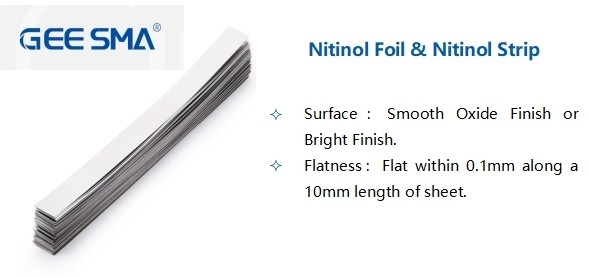
Titanium foil is available in a range of thicknesses and widths, catering to diverse project requirements. Typically, the thickness can vary from as thin as 0.001 inches to several millimeters, allowing for flexibility depending on the application at hand. Widths also vary significantly, providing options that enhance usability while ensuring that quality titanium is maintained throughout the manufacturing process.
These variations in thickness and width not only affect the mechanical properties of titanium foil but also determine its suitability for specific tasks. For instance, thinner foils are often used in applications requiring lightweight materials without compromising strength. Conversely, thicker options may be better suited for structural components where durability is paramount.
Surface Finish Options
The surface finish of titanium foil can greatly impact both aesthetics and performance in various applications. Different surface treatments—such as polished, matte, or anodized finishes—can enhance corrosion resistance while providing visual appeal. Selecting the right surface finish ensures that your titanium material meets both functional requirements and design specifications.
Moreover, surface finishes can influence how well a titanium alloy interacts with other materials or coatings during manufacturing processes like welding or bonding. A quality titanium finish can reduce friction and improve adhesion when combined with other components. Therefore, understanding available options helps in making informed decisions about which type of titanium metallic surface will best suit your project needs.
Mechanical Properties of Titanium Foil
The mechanical properties of titanium foil are among its most compelling characteristics, making it an ideal choice for demanding applications. Titanium metal boasts remarkable strength-to-weight ratios; it’s incredibly strong yet lightweight compared to many other metals like steel or aluminum. This unique combination allows engineers to design more efficient structures without adding unnecessary weight.
Additionally, titanium alloy materials exhibit excellent fatigue resistance and tensile strength under high-stress conditions—qualities that are indispensable in aerospace engineering and medical implants alike. The resilience against deformation ensures longevity even when exposed to harsh environments or repeated loading cycles over time. Understanding these mechanical properties will enable you to select the right type of titanium foil tailored specifically for your project's requirements.
Key Factors in Titanium Foil Selection
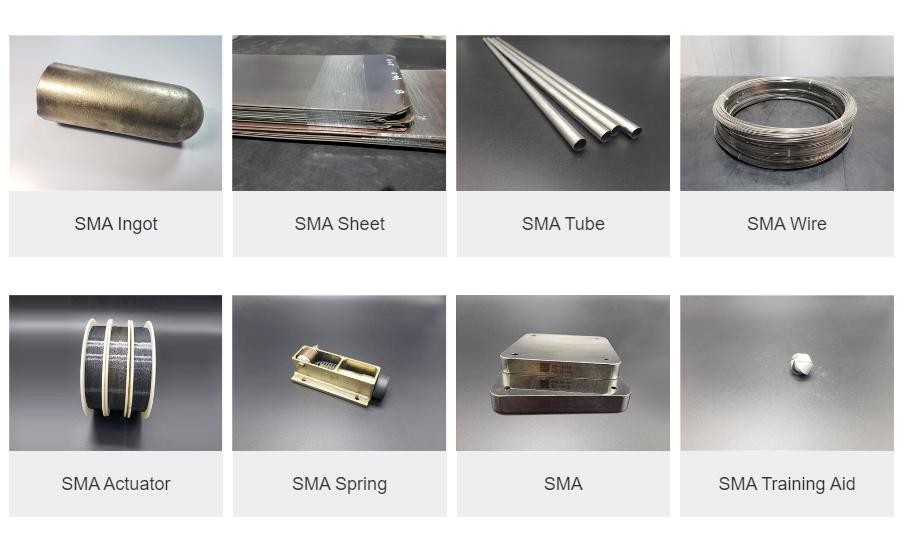
When selecting titanium foil for your projects, several key factors come into play that can significantly influence the final product's performance and durability. Understanding quality titanium standards, the importance of corrosion resistance, and evaluating thermal conductivity are essential steps in ensuring you choose the right titanium material for your needs. By considering these elements, you can make informed decisions that enhance the effectiveness of your applications.
Assessing Quality Titanium Standards
Quality titanium standards serve as a benchmark for determining the suitability of titanium foil and other titanium materials for specific applications. Various organizations set these standards to ensure consistency in properties such as strength, ductility, and overall performance of titanium metal products. When assessing quality titanium, it’s crucial to look for certifications from reputable sources that confirm adherence to industry standards, ensuring that you’re working with high-grade titanium alloy material.
Moreover, understanding the composition of different types of titanium alloys is vital when evaluating quality. The presence of specific alloying elements can significantly impact mechanical properties and corrosion resistance. Therefore, always check if your selected supplier provides detailed specifications regarding their titanium foil products to ensure you are using quality titanium that meets your project requirements.
Importance of Corrosion Resistance
One of the standout features of titanium metal is its exceptional corrosion resistance compared to other metals. This characteristic makes it an ideal choice for applications where exposure to harsh environments or corrosive substances is a concern. When selecting titanium foil, it's essential to evaluate its ability to withstand oxidation and chemical reactions over time; this will directly affect its longevity and reliability in various settings.
Corrosion resistance is particularly critical in industries like aerospace and medical devices where failure could lead to catastrophic outcomes or health risks. Choosing high-quality titanium alloy materials ensures that you benefit from this inherent property while minimizing maintenance costs associated with corrosion damage. Always prioritize suppliers who provide extensive information on their products' corrosion resistance capabilities when sourcing your titanium foil.
Evaluating Thermal Conductivity
Thermal conductivity is another important factor when choosing between different types of titanium foil or alloys for specific applications. While pure titanium has relatively low thermal conductivity compared to other metals like copper or aluminum, certain alloys may offer improved thermal properties depending on their composition and intended use cases. Understanding how well a particular type of titanium material conducts heat can help determine its suitability for applications requiring heat management or dissipation.
For example, industries such as electronics may require specialized grades of titanium alloy material designed for better thermal performance without compromising structural integrity. Evaluating thermal conductivity alongside other mechanical properties will provide a comprehensive view of how well the selected material will perform under varying temperature conditions. Ultimately, balancing these factors will lead you toward choosing the most effective type of titanium foil tailored specifically for your project needs.
GEE SMA and Titanium Foil Innovations
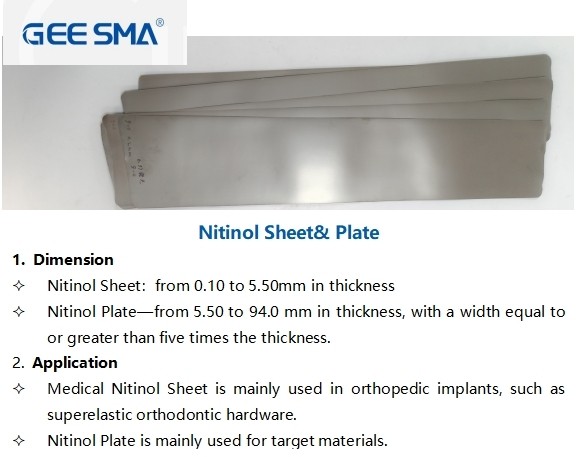
The intersection of GEE SMA technology and titanium foil innovations is a fascinating area that showcases the versatility and potential of titanium materials. As industries push the boundaries of what's possible, the integration of Nitinol shape memory alloys with titanium foil is becoming increasingly relevant. This section delves into how these advancements are reshaping applications across various fields.
Nitinol Shape Memory Alloys Explained
Nitinol, an alloy of nickel and titanium, is renowned for its unique ability to return to a predetermined shape when heated above a specific temperature. This remarkable property makes Nitinol an ideal candidate for applications requiring dynamic movement or flexibility, which is where titanium foil comes into play. When combined with titanium metal, Nitinol enhances the capabilities of products that rely on both strength and adaptability.
Incorporating Nitinol into designs using titanium alloy materials allows for innovative solutions in sectors such as medical devices, aerospace engineering, and robotics. The lightweight nature of both materials ensures that structures remain efficient without sacrificing performance or durability. Thus, understanding how Nitinol interacts with titanium foil can unlock new possibilities in product development.
GEE SMA’s Role in Titanium Foil Applications
GEE SMA stands at the forefront of integrating shape memory alloys with quality titanium foils to create advanced solutions tailored to specific needs. Their expertise in combining these two innovative materials leads to products that not only meet but exceed industry standards for performance and reliability. By leveraging the unique properties of both titanium metal and Nitinol, GEE SMA develops applications that are groundbreaking.
For instance, in the medical field, GEE SMA utilizes titanium foil infused with Nitinol to produce stents that adapt dynamically within patients’ bodies while maintaining structural integrity over time. This kind of innovation highlights how crucial quality titanium selection is when creating effective medical devices that require precision engineering alongside flexibility. The role of GEE SMA extends beyond just manufacturing; they are pioneers driving advancements in technology through their commitment to integrating high-quality materials.
Enhancing Product Quality with Titanium Metal
The use of quality titanium in conjunction with advanced technologies like those offered by GEE SMA results in enhanced product quality across multiple industries. Titanium's inherent properties—such as corrosion resistance, lightweight nature, and strength—make it an optimal choice for high-performance applications where durability is paramount. When combined with innovative techniques involving shape memory alloys like Nitinol, manufacturers can achieve unprecedented levels of functionality.
Furthermore, employing high-quality titanium material ensures longevity in applications ranging from aerospace components to intricate medical devices designed for patient care. As industries continue exploring new frontiers using advanced alloys and foils, it becomes clear that selecting the right combination can lead to breakthroughs previously thought unattainable. Ultimately, this collaboration between cutting-edge technology and premium materials solidifies the role of titanium as a cornerstone in modern engineering solutions.
Conclusion
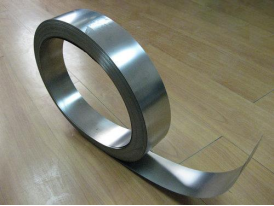
In wrapping up our exploration of titanium foil, it's clear that selecting the right type is crucial for achieving optimal performance in various applications. With numerous options available, understanding the specific requirements of your project will guide you to the best titanium foil type. Whether you need lightweight properties or enhanced durability, quality titanium choices are abundant in today’s market.
Choosing the Best Titanium Foil Type
When it comes to choosing the best titanium foil type, consider factors such as thickness, alloy composition, and intended use. Different projects may require specific characteristics found in various titanium alloy materials; thus, knowing your needs is essential. Additionally, evaluating surface finishes can significantly impact both aesthetics and functionality—something that should not be overlooked in your selection process.
The Role of Titanium in Modern Applications
Titanium has become an indispensable metal across numerous industries due to its unique properties and versatility. From aerospace engineering to medical devices, titanium's strength-to-weight ratio makes it a favored choice among manufacturers looking for reliable materials. As technology advances and demands increase, the role of titanium metallic solutions continues to expand, showcasing its importance in modern applications.
Ensuring Quality in Titanium Material Selection
To ensure quality in your titanium material selection, always assess supplier certifications and adherence to industry standards. Quality titanium not only guarantees superior performance but also enhances safety and longevity in applications where failure is not an option. By prioritizing reputable sources for your titanium alloy material needs, you can rest assured that you're investing wisely in this remarkable metal.