

Introduction
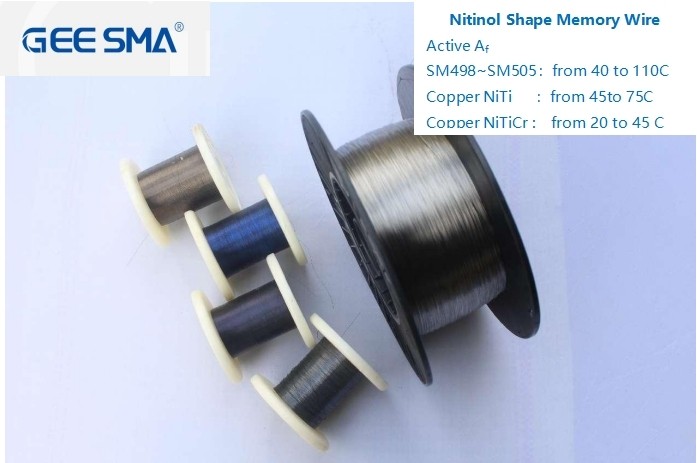
Shape memory alloys (SMAs) are a fascinating class of materials that can remember their original shape and return to it when heated. These alloys, typically composed of nickel and titanium, undergo a unique phase transformation that allows them to change shape in response to temperature variations. The use of shape memory alloys has revolutionized various industries by providing innovative solutions that leverage their remarkable properties.
What are Shape Memory Alloys?
Shape memory alloys are metallic materials that exhibit the ability to revert to a predetermined shape when subjected to specific thermal conditions. This unique characteristic is due to the materials' crystalline structure, which can switch between two different phases: martensite and austenite. Common examples of shape memory alloys include Nitinol, which is widely used in medical devices, and copper-aluminum-nickel alloys found in various engineering applications.
The Science Behind Shape Memory Alloys
The science behind shape memory alloys lies in their distinctive phase transformation behavior, which is driven by temperature changes. When cooled below a certain temperature, SMAs can be deformed into a new shape; however, upon heating above this threshold, they revert back to their original configuration—a phenomenon known as the shape memory effect. This remarkable property not only provides advantages of shape memory alloys in practical applications but also opens doors for exciting advancements across multiple fields.
Revolutionary Applications of Shape Memory Alloys
The versatility and effectiveness of SMAs have led to revolutionary applications across numerous sectors including medicine, aerospace, robotics, and consumer electronics. For instance, the use of shape memory alloys in stents has improved patient outcomes by allowing for minimally invasive surgeries with greater precision and reliability. As industries continue exploring the advantages of shape memory alloys, we can expect even more groundbreaking innovations that harness these unique materials.
Medical Devices Revolutionized
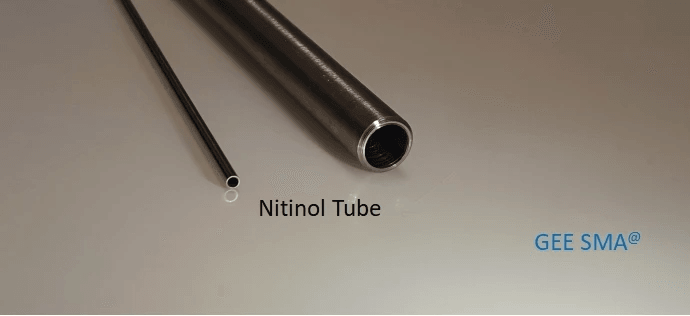
The integration of shape memory alloys (SMAs) into medical devices marks a significant leap in healthcare technology. These materials have unique properties that allow them to return to a predetermined shape when subjected to specific temperatures, making them particularly useful in various medical applications. The use of shape memory alloys has revolutionized how we approach treatment and intervention, especially in minimally invasive procedures.
Shape Memory Alloys in Stents
Shape memory alloys have found a pivotal role in the development of stents, which are small mesh tubes used to treat narrowed or blocked arteries. The use of shape memory alloys like Nitinol allows these stents to expand upon reaching body temperature, ensuring a perfect fit within the artery. This property not only enhances the effectiveness of the stent but also reduces complications associated with traditional methods.
Stents made from shape memory alloys can be compressed for easy insertion and then expand once deployed, adapting seamlessly to the body's internal environment. This adaptability is one of the many advantages of shape memory alloys; they improve patient outcomes by minimizing trauma during insertion and promoting faster recovery times. Such innovative use of shape memory alloys exemplifies their transformative impact on modern medicine.
Benefits of Shape Memory Alloys in Surgery
The benefits of using shape memory alloys extend beyond just stents; they play an essential role in various surgical applications as well. One notable advantage is their ability to provide precise control during surgical procedures, allowing for more accurate movements and reduced risk of damage to surrounding tissues. Surgeons can rely on these materials for tools that adapt dynamically during operations, enhancing both safety and efficiency.
Moreover, the lightweight nature and biocompatibility of shape memory alloys make them ideal for implants and other surgical instruments, which need to withstand bodily conditions without causing adverse reactions. The advantages of shape memory alloys are manifold: they facilitate minimally invasive surgeries with less scarring and quicker healing times compared to traditional techniques. As such, their incorporation into surgical practices represents a significant advancement in patient care.
Case Study: Nitinol in Catheters
Nitinol, a nickel-titanium alloy known for its remarkable properties as a shape memory alloy, serves as an excellent case study illustrating its application in catheters. Catheters made from Nitinol can navigate through complex vascular systems while retaining flexibility due to their unique material properties—essentially bending without breaking under pressure or stress. This makes them invaluable for procedures requiring precision access within the body’s intricate networks.
The use of Nitinol catheters has led to improved performance metrics such as reduced risk of complications like kinking or blockage during insertion—a common issue with traditional catheter materials. With these advantages firmly established, it’s clear that the integration of shape memory alloys into catheter design has not only enhanced functionality but also significantly improved patient experiences during medical interventions. This case study showcases how innovative applications can lead us toward safer and more effective healthcare solutions.
Aerospace Innovations

The aerospace sector has always been at the forefront of technological advancements, and the use of shape memory alloys (SMAs) is no exception. These remarkable materials exhibit unique properties that allow them to return to a predetermined shape when subjected to specific temperatures. In spacecraft design and operations, the adaptability and reliability of shape memory alloys have opened up new avenues for innovation.
Role of Shape Memory Alloys in Spacecraft
In spacecraft, the use of shape memory alloys is pivotal for various applications, from structural components to mechanisms that require precise movement. For example, SMAs can be employed in deployable structures such as antennas and solar panels, where they expand or contract based on temperature changes in space. This ability to respond dynamically makes them invaluable for ensuring that spacecraft operate efficiently under extreme conditions.
Moreover, the properties of shape memory alloys allow for reduced weight without compromising strength. This weight-saving feature is crucial in aerospace engineering since every gram counts when it comes to fuel efficiency and payload capacity. The integration of SMAs into spacecraft design exemplifies how innovative materials can enhance performance while addressing stringent safety standards.
GEE SMA's Contributions to Space Missions
GEE SMA has made significant strides in incorporating shape memory alloys into various space missions, showcasing their versatility and effectiveness. Their development efforts focus on creating advanced SMA components that can withstand the harsh environments encountered beyond Earth’s atmosphere. Notably, GEE SMA's innovations have been instrumental in enhancing satellite deployment mechanisms and improving thermal control systems.
By utilizing shape memory alloy technology, GEE SMA has demonstrated how these materials can lead to more reliable mission outcomes with fewer mechanical failures during critical operations. The company’s commitment to exploring new applications ensures that future space missions will benefit from enhanced performance capabilities driven by SMAs' unique characteristics. This proactive approach positions GEE SMA as a leader in aerospace innovation.
Advantages of Shape Memory Alloys in Aerospace
The advantages of shape memory alloys extend far beyond their basic functionality; they also contribute significantly to overall mission success rates in aerospace applications. One major advantage is their ability to simplify complex mechanical systems by replacing multiple moving parts with a single SMA component that performs multiple functions effectively. This reduction not only streamlines design but also minimizes potential points of failure.
Additionally, the thermal responsiveness inherent in shape memory alloys allows for active control over mechanical systems without requiring external power sources—an essential feature for long-duration space missions where energy conservation is paramount. Furthermore, SMAs are resistant to fatigue and corrosion, making them ideal candidates for enduring the challenging conditions faced by spacecraft over extended periods.
In summary, the use of shape memory alloys represents a transformative shift within aerospace engineering by providing solutions that enhance reliability while reducing complexity and weight—a trifecta that every aerospace engineer dreams about achieving.
Robotics and Automation
In the rapidly evolving field of robotics and automation, the use of shape memory alloys (SMAs) has emerged as a game-changer. These unique materials exhibit remarkable properties, such as the ability to return to a predetermined shape when subjected to heat. This characteristic is harnessed in various applications, making SMAs indispensable in modern robotic systems.
Use of Shape Memory Alloys in Actuators
One of the most exciting applications of shape memory alloys is their role in actuators. Actuators powered by SMAs can convert thermal energy into mechanical motion, enabling precise movements in robotic limbs and other devices. The advantages of shape memory alloys include their lightweight nature and compact size, allowing for more efficient designs that can operate effectively even in constrained spaces.
The use of shape memory alloys in actuators also enhances responsiveness; they can react quickly to temperature changes, facilitating fast and accurate movements. This property makes them ideal for applications where speed is crucial, such as robotic surgery or automated assembly lines. Furthermore, these alloys can be integrated seamlessly with electronic controls, further broadening their usability across various sectors.
Shape Memory Alloys in Soft Robotics
Soft robotics is an innovative field that focuses on creating flexible robots capable of navigating complex environments. Here, the use of shape memory alloys shines brightly due to their ability to mimic biological movements and adapt to different shapes seamlessly. The properties of SMAs allow soft robots to expand or contract based on temperature changes, enabling them to perform delicate tasks or maneuver through tight spaces.
This adaptability opens up new possibilities for applications ranging from medical devices that require gentle interactions with patients to exploration robots designed for uneven terrains like Mars' surface. Additionally, the advantages of shape memory alloys extend beyond functionality; they are often more cost-effective than traditional rigid components while offering similar performance levels. As research continues into integrating SMAs with soft robotics technologies, we can expect even more groundbreaking innovations.
Real-world Applications in Automation
The real-world applications of shape memory alloys are vast and varied across multiple industries within automation. In manufacturing settings, SMAs are used for self-adjusting fixtures that maintain precision during production processes—enhancing efficiency while reducing downtime caused by manual adjustments. The versatility offered by these materials allows companies to automate tasks previously thought too intricate or delicate for machines.
Moreover, the integration of SMAs into consumer products showcases their potential outside industrial settings; think about smart gadgets that respond dynamically based on user interaction! For instance, some high-end smartphones utilize shape memory polymers alongside SMAs for features like self-healing screens or adaptive interfaces—demonstrating how these materials add value beyond mere functionality.
In conclusion, whether it's improving actuator designs or revolutionizing soft robotics concepts—the use of shape memory alloys continues shaping our automated future positively!
Automotive Advancements

The automotive industry has seen a significant transformation through the integration of shape memory alloys (SMAs). These remarkable materials, known for their unique ability to return to a predetermined shape when heated, are becoming essential in vehicle design and functionality. The use of shape memory alloys is not just a trend; it’s a leap towards smarter, safer vehicles.
Integration of Shape Memory Alloys in Vehicles
The integration of shape memory alloys in vehicles is revolutionizing how automotive components are designed and utilized. From actuators that control various systems to safety features that react in real-time, SMAs offer innovative solutions that enhance performance and efficiency. Their properties allow for lightweight designs that can withstand harsh conditions while providing reliability—a crucial aspect for modern vehicles.
Benefits of Shape Memory Alloys for Safety
When it comes to safety, the advantages of shape memory alloys cannot be overstated. These materials can be employed in crumple zones and seatbelt mechanisms, allowing them to absorb energy during collisions effectively. Moreover, the use of shape memory alloys ensures that components return to their original shapes quickly after deformation, enhancing passenger safety significantly.
Examples of Shape Memory Alloys in Car Manufacturing
In car manufacturing, several notable examples highlight the practical applications of shape memory alloys. For instance, manufacturers are using SMAs in temperature-sensitive components such as thermostats and valve actuators that adjust based on engine heat levels. Additionally, some luxury car brands have incorporated SMAs into adjustable seating systems for optimal comfort—showcasing the versatility and innovation behind these materials.
Consumer Electronics Transformations

In the fast-paced world of consumer electronics, the use of shape memory alloys (SMAs) is paving the way for innovative designs and functionalities. These materials, known for their unique ability to return to a predetermined shape when heated, are becoming increasingly popular in smart devices. Their remarkable properties, such as high strength-to-weight ratios and excellent corrosion resistance, make them ideal candidates for various applications in this sector.
Shape Memory Alloys in Smart Devices
The integration of shape memory alloys into smart devices is revolutionizing how we interact with technology. From flexible screens that can bend without breaking to self-healing mechanisms in smartphone cases, the use of shape memory alloys enhances both functionality and aesthetics. For example, some modern wearables utilize SMAs to create adjustable straps that conform perfectly to the user's wrist, showcasing how these materials can improve user experience.
Enhancing Durability with Shape Memory Alloys
One of the standout advantages of shape memory alloys is their ability to enhance durability in consumer electronics. The inherent resilience of SMAs allows devices to withstand impacts and stresses that would typically lead to failure in traditional materials. By incorporating shape memory alloys into product designs, manufacturers can create more robust devices that last longer while maintaining a lightweight profile—an essential feature for today's on-the-go consumers.
Notable Products Utilizing Shape Memory Alloys
Several notable products have successfully harnessed the benefits of shape memory alloys, showcasing their potential in consumer electronics. For instance, certain high-end headphones incorporate SMAs to achieve a perfect fit by automatically adjusting ear cup positions based on user comfort preferences. Additionally, innovative smartphone designs are emerging that leverage shape memory polymers alongside SMAs for foldable screens and other transformative features—demonstrating just how versatile these materials can be.
Conclusion

As we wrap up our exploration of shape memory alloys, it’s clear that these remarkable materials are not just a scientific curiosity but a cornerstone of innovation across multiple industries. The future trends in shape memory alloys point toward even more sophisticated applications, pushing the boundaries of what these materials can achieve. With advancements in manufacturing techniques and material science, we can anticipate a broader use of shape memory alloys that will enhance functionality while reducing costs.
Future Trends in Shape Memory Alloys
Looking ahead, the future trends in shape memory alloys suggest an exciting trajectory for both research and practical applications. Innovations such as enhanced processing methods will allow for more complex shapes and functionalities, further expanding the use of shape memory alloys in fields like medicine and robotics. Moreover, the integration of smart technology with shape memory alloys is likely to yield intelligent systems capable of self-repair or adaptive responses to environmental changes.
Understanding the Advantages of Shape Memory Alloys
The advantages of shape memory alloys are multifaceted and impact various sectors significantly. These materials exhibit unique properties such as exceptional elasticity, fatigue resistance, and the ability to return to a predetermined shape when subjected to specific temperatures or stresses. Such characteristics make them invaluable for applications ranging from medical devices like stents to aerospace components where reliability is paramount; understanding these advantages helps industries harness their full potential.
The Role of Shape Memory Polymers in Modern Technology
In addition to traditional metals, the role of shape memory polymers is gaining traction within modern technology landscapes. These versatile materials offer similar properties as their metallic counterparts but with added benefits like lighter weight and greater flexibility, making them ideal for consumer electronics and wearable devices. As we continue exploring the intersection between shape memory polymers and other technologies, we may discover even more innovative uses that enhance durability and performance across various applications.