

Introduction

In the realm of modern medicine, few materials have made as significant an impact as Nitinol. This unique alloy, composed primarily of nickel and titanium, is renowned for its remarkable properties, including shape memory and superelasticity. These characteristics not only enhance the performance of medical devices but also pave the way for innovative solutions in vascular surgery.
Understanding Nitinol and Its Properties
Nitinol stands out due to its ability to return to a predetermined shape when heated, making it ideal for applications such as stents in Nitinol that require flexibility and strength. The superelastic nature of Nitinol allows it to withstand significant deformation while maintaining structural integrity. This combination of properties ensures that devices like the self-expanding Nitinol stent can adapt seamlessly within the body’s vascular system.
Importance of Nitinol in Medicine
The importance of Nitinol in medicine cannot be overstated; its applications extend far beyond traditional surgical tools. In particular, the use of a nitinol stent has revolutionized how doctors treat blockages in blood vessels, providing patients with less invasive options and quicker recovery times. With advancements such as nitinol stent drug eluting technology, these devices are now designed to release medication directly at the site of intervention, further enhancing their effectiveness.
Overview of Vascular Surgery Applications
Vascular surgery has greatly benefited from innovations involving nitinol stents; these devices are essential in treating conditions like coronary artery disease and peripheral artery disease. Surgeons often rely on self-expanding nitinol stents due to their ease of placement and ability to conform to varying vessel diameters. Additionally, understanding how are nitinol stents made plays a crucial role in ensuring quality control measures that guarantee patient safety during procedures involving these advanced medical devices.
What is a Nitinol Stent?
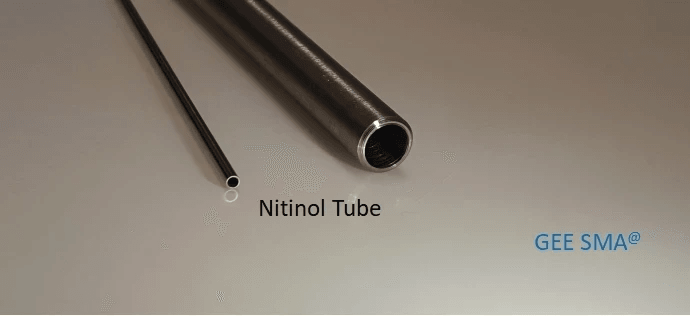
Nitinol stents are specialized medical devices designed to support blood vessels and maintain proper blood flow within the vascular system. Made from a unique nickel-titanium alloy, these stents leverage the remarkable properties of nitinol to adapt to the body's natural movements while providing structural integrity. The flexibility and strength of a stent in nitinol make it an essential tool in modern vascular procedures.
Definition and Function of Stents
A stent is a small tube-like device that is inserted into narrowed or blocked blood vessels to keep them open, allowing for improved blood flow. Essentially, when we ask, What is a nitinol stent? we refer to a specific type of stent made from the nitinol alloy, which exhibits shape memory and superelasticity. This means that once deployed, the nitinol stent can expand to its intended shape and maintain its position within the vessel over time.
How They Are Used in Vascular Procedures
Nitinol stents are commonly utilized in various vascular procedures such as angioplasty and treatment for peripheral artery disease (PAD). During these procedures, healthcare professionals insert the stent into the affected artery, often following balloon angioplasty where a balloon expands at the site of blockage. The self-expanding nitinol stent then holds the artery open, ensuring that blood can flow freely without obstruction.
Advantages of Nitinol Over Other Materials
One significant advantage of using nitinol in vascular surgery is its superior flexibility compared to traditional stainless steel or other materials used for stents. This flexibility allows for easier navigation through complex vascular pathways without compromising strength or durability. Additionally, nitinol's biocompatibility reduces risks associated with inflammation or allergic reactions—factors crucial when considering long-term implantation like with drug-eluting technology.
How Are Nitinol Stents Made?

The creation of a stent in nitinol involves a sophisticated manufacturing process that ensures the final product meets the rigorous demands of medical applications. Nitinol, an alloy primarily composed of nickel and titanium, is known for its unique properties, including superelasticity and shape memory. These characteristics make it particularly suitable for vascular surgery, where flexibility and durability are paramount.
Manufacturing Process of Nitinol
The manufacturing process of nitinol stents begins with the careful selection of raw materials to ensure optimal alloy composition. After melting and casting the alloy, it undergoes a series of processes such as cold working and heat treatment to achieve the desired mechanical properties. The resulting material is then formed into stents using advanced techniques like laser cutting or machining, which allows for precise control over dimensions and design.
Once shaped, each nitinol stent is subjected to an annealing process that enhances its superelastic behavior. This step is crucial because it enables the stent to expand once deployed within a vessel, ensuring effective support for blood flow. Finally, any additional features such as drug coatings or surface treatments are applied before packaging, ensuring each stent meets stringent medical standards.
Role of GEE SMA in Production
GEE SMA plays an integral role in the production of nitinol stents by providing specialized expertise in shape memory alloys (SMA). Their advanced technology facilitates the creation of high-quality nitinol components that meet specific clinical requirements. By leveraging GEE SMA's capabilities, manufacturers can produce self-expanding nitinol stents that offer enhanced performance during vascular procedures.
Moreover, GEE SMA collaborates closely with medical device developers to innovate new designs tailored for various vascular applications. This partnership not only streamlines production but also ensures that each stent aligns with current trends in minimally invasive surgery and patient safety protocols. Their commitment to quality and innovation positions them as a leader in the field of nitinol-based medical devices.
Quality Control Measures
Quality control measures are paramount when producing nitinol stents due to their critical role in patient health outcomes. Each batch undergoes rigorous testing throughout the manufacturing process to ensure compliance with international standards and regulations governing medical devices. These tests typically include assessments for mechanical integrity, biocompatibility, and performance under simulated physiological conditions.
In addition to standard testing protocols, manufacturers implement advanced inspection techniques such as X-ray imaging or optical measurement systems to detect any defects or inconsistencies in the stent structure. Regular audits further reinforce quality assurance practices within production facilities. By prioritizing these quality control measures, manufacturers can confidently deliver reliable products like drug-eluting nitinol stents while maintaining high levels of patient safety.
What Are the Two Types of Stents?
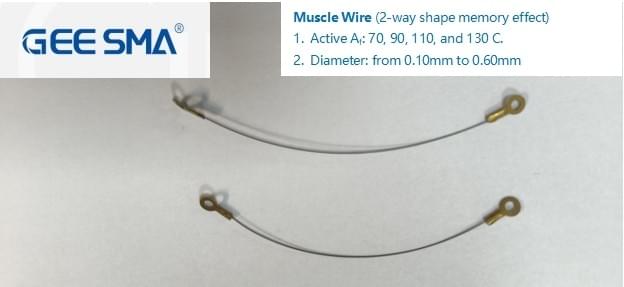
When it comes to vascular surgery, understanding the different types of stents is crucial for optimal patient outcomes. Specifically, in the realm of nitinol stents, there are two primary categories that stand out: self-expanding nitinol stents and balloon-expandable stents. Each type has unique properties and applications that cater to specific medical needs.
Overview of Self-Expanding Nitinol Stents
Self-expanding nitinol stents are fascinating devices that utilize the unique properties of nitinol, a nickel-titanium alloy known for its shape memory and superelasticity. When deployed in a blood vessel, these stents expand automatically to fit the vessel's diameter, providing consistent support without requiring additional mechanisms. This automatic expansion is particularly beneficial in scenarios where precise placement is vital, as it allows for easier navigation through complex vascular structures.
Comparison with Balloon-Expandable Stents
In contrast to self-expanding nitinol stents, balloon-expandable stents rely on an external balloon mechanism to achieve their final size and shape within the blood vessel. While both types serve similar purposes in maintaining vessel patency, their methods differ significantly; balloon-expandable stents require inflation at the site of deployment to expand fully. This distinction can affect clinical decisions based on factors like lesion characteristics and patient anatomy—where one type may be more advantageous than the other.
Applications for Each Type
The applications for self-expanding nitinol stents are vast and varied; they are often employed in treating conditions like peripheral artery disease or certain types of coronary artery blockages due to their adaptability and ease of use. Conversely, balloon-expandable stents are frequently utilized in more controlled environments such as coronary interventions where precise sizing is paramount. Understanding these nuances helps healthcare professionals choose the right device tailored to individual patient needs while maximizing efficacy.
Nitinol Stent Drug Eluting Technology
Nitinol stent drug eluting technology represents a significant advancement in vascular surgery, combining the unique properties of nitinol with therapeutic agents to enhance patient outcomes. These specialized stents are designed to release medication over time, reducing the risk of restenosis—the re-narrowing of blood vessels after intervention. By understanding what a nitinol stent is and how it functions within this innovative framework, we can appreciate its role in modern medicine.
What Is a Drug Eluting Stent?
A drug eluting stent is a type of vascular stent that slowly releases medication directly into the surrounding tissue after implantation. This medication helps prevent the buildup of scar tissue, which can lead to complications like restenosis. When discussing what is a nitinol stent?, it's important to note that these devices leverage the unique flexibility and biocompatibility of nitinol while delivering targeted therapies effectively.
The combination of drug delivery and structural support makes drug eluting stents particularly valuable in treating complex vascular conditions. The design allows for optimal expansion and retention within blood vessels while providing sustained release of therapeutic agents for months or even years post-implantation. This dual functionality positions them as a critical tool in contemporary vascular procedures.
Benefits and Risks of Drug Coatings
The benefits of using drug coatings on nitinol stents are numerous, primarily aimed at improving long-term patient outcomes by reducing the incidence of restenosis and enhancing healing processes. Patients benefit from fewer follow-up procedures due to complications associated with traditional bare-metal stents, leading to improved quality of life post-surgery. However, it’s essential to weigh these benefits against potential risks such as delayed healing or adverse reactions to the drugs used.
One notable risk involves thrombosis—blood clots forming on or around the stent—which can occur if patients do not adhere strictly to prescribed antiplatelet therapy following implantation. Additionally, some patients may experience allergic reactions or other side effects from the drugs used in these coatings, necessitating careful patient selection and monitoring post-procedure. Therefore, understanding both sides is crucial when considering nitinol stent drug eluting options.
Innovations in Nitinol Drug Eluting Stents
Recent innovations in nitinol drug eluting technology have focused on improving both effectiveness and safety profiles through advanced materials and coatings that promote better integration with biological tissues. For example, researchers are exploring biodegradable polymers that can provide temporary support while delivering drugs before being absorbed by the body over time—minimizing long-term foreign body reactions associated with traditional metals.
Furthermore, enhanced imaging techniques allow for better visualization during placement procedures—ensuring precise positioning for self-expanding nitinol stents that adapt well to varying vessel diameters without compromising structural integrity or performance. These advancements not only improve patient safety but also expand applications for what are the two types of stents?—self-expanding versus balloon-expandable designs—to address an even wider range of clinical scenarios effectively.
As we continue exploring innovations like these within the realm of Nitinol technology, it's clear that there’s much more on the horizon for improving vascular surgery outcomes through enhanced device capabilities while maintaining safety standards such as those outlined under Nitinol Stent MRI safety guidelines.
Nitinol Stent MRI Safety and Compatibility

When it comes to medical devices, safety in imaging procedures is paramount. Nitinol stents, known for their unique properties and applications in vascular surgery, raise questions about their compatibility with MRI technology. Understanding these aspects can help patients navigate their healthcare options with confidence.
Are Nitinol Stents MRI Compatible?
The good news is that nitinol stents are generally considered MRI compatible, which means they typically do not interfere with magnetic resonance imaging. This compatibility stems from the non-ferromagnetic nature of nitinol; it doesn't react to magnetic fields like some metals do. However, it's essential for patients to consult their healthcare providers before undergoing an MRI if they have a stent in nitinol.
Understanding Nitinol Stent MRI Safety
Nitinol stent MRI safety is a crucial consideration for both patients and healthcare professionals alike. While most studies indicate that these stents pose minimal risk during MRIs, factors such as the size and placement of the stent can influence safety outcomes. It's always wise to ensure that radiologists are informed about any implanted devices like a nitinol stent prior to imaging procedures.
Guidelines for Patients with Nitinol Stents
For patients who have received a self-expanding nitinol stent or other types of nitinol stents, there are specific guidelines to follow regarding MRIs and other imaging techniques. Firstly, always inform your physician or radiologist about your implanted device; this ensures they take necessary precautions during scans. Secondly, adhere strictly to any recommendations provided by your healthcare team regarding the timing of MRIs after receiving a nitinol stent—this can vary based on individual circumstances.
Conclusion
In summary, the role of nitinol in vascular surgery is becoming increasingly significant as technology advances and medical needs evolve. The unique properties of nitinol, particularly its shape memory and superelasticity, make it an ideal material for stents. As we look to the future, innovations in nitinol applications will likely transform treatment methodologies and patient outcomes.
Future Trends in Nitinol Applications
The future of nitinol applications is bright, with ongoing research into new uses that could revolutionize various medical fields. For instance, advancements in drug-eluting technologies are expected to enhance the efficacy of stents in nitinol by combining them with targeted therapies that reduce restenosis rates. Additionally, researchers are exploring bioresorbable options that could eventually lead to temporary implants that dissolve after fulfilling their purpose.
The Role of GEE SMA in Innovation
GEE SMA plays a pivotal role in the innovation landscape surrounding nitinol stents. By focusing on cutting-edge manufacturing processes and quality control measures, GEE SMA ensures that every stent produced meets rigorous safety and performance standards. Their commitment to research and development not only enhances existing products but also paves the way for groundbreaking advancements such as self-expanding nitinol stents designed for specific vascular conditions.
Key Takeaways on Nitinol in Vascular Surgery
To wrap things up neatly, understanding what a nitinol stent is and how they are made is crucial for anyone involved in vascular health discussions. From self-expanding designs to drug-eluting technologies, these devices have proven their worth by offering benefits over traditional alternatives while maintaining excellent MRI compatibility—making them safe for patients undergoing imaging procedures post-implantation. With continued innovation from leaders like GEE SMA and ongoing research into new applications, the world of vascular surgery will undoubtedly see more improvements thanks to this remarkable material.