

Introduction

Superelastic alloys are fascinating materials that exhibit remarkable properties, making them invaluable in various applications. These unique alloys can deform significantly under stress and return to their original shape upon unloading, a phenomenon known as superelasticity. Understanding what materials are superelastic, the science behind their behavior, and their diverse applications is essential for harnessing their potential in modern engineering and technology.
Understanding Superelastic Alloys
At the heart of superelastic alloys lies a special ability to undergo reversible deformation without permanent changes to their structure. This characteristic is primarily due to the presence of specific phase transformations that occur under stress, allowing these materials to absorb energy efficiently. Central to this discussion is Nitinol, a nickel-titanium alloy that exemplifies the properties of superelasticity and raises intriguing questions about why certain materials exhibit such extraordinary behavior.
Applications of Superelastic Alloys
The versatility of superelastic alloys has led to innovative solutions across various fields, from medical devices like stents and guidewires to aerospace components that require high resilience and flexibility. In robotics, these materials enable actuators that mimic natural movements by adapting seamlessly to external forces. As industries continue exploring what materials are superelastic, we can expect even more groundbreaking applications tailored for specific needs.
The Science Behind Superelasticity
Delving into the science behind superelasticity reveals a complex interplay between temperature and material composition that allows these alloys to perform exceptionally well under stress. When subjected to external forces, the microstructure transforms in ways that allow recovery after deformation—this is where understanding what is super elasticity becomes crucial for engineers and designers alike. By grasping the fundamental principles governing these materials, we can better appreciate how they differentiate themselves from traditional metals.
What Materials Are Superelastic?
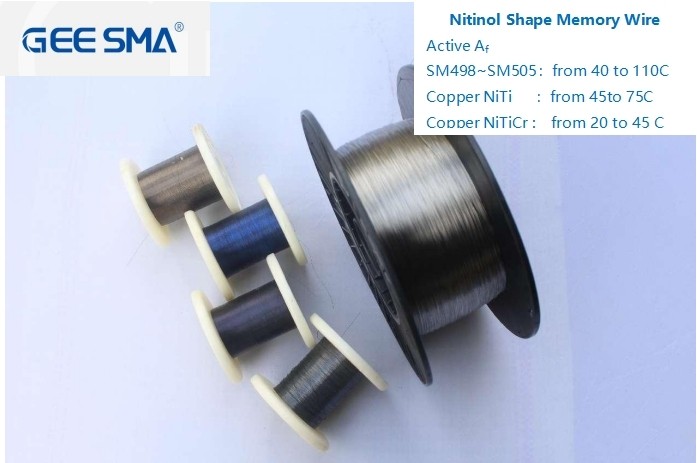
Superelastic alloys are fascinating materials that exhibit remarkable properties, allowing them to return to their original shape after significant deformation. Among these, Nitinol stands out as the poster child for superelasticity, but it’s not alone in this unique class of materials. In this section, we’ll explore the role of Nitinol, other superelastic alloys, and the criteria for selecting these extraordinary materials.
The Role of Nitinol
Nitinol is a superelastic alloy composed primarily of nickel and titanium, known for its ability to undergo significant strains while maintaining its structural integrity. This remarkable material demonstrates superelasticity at body temperature and has become a go-to choice in various applications, from medical devices to aerospace engineering. Why is Nitinol superelastic? The answer lies in its unique phase transformation behavior, which allows it to absorb energy and recover its shape even after extensive deformation.
The flexibility of Nitinol makes it an ideal candidate for applications where traditional metals might fail under stress or fatigue. Its superelastic nature enables devices like stents and guidewires to navigate complex anatomical structures with ease while returning to their original form once deployed. As we delve deeper into what materials are superelastic, it's clear that Nitinol’s properties set a high bar for other contenders.
Other Superelastic Alloys
While Nitinol often steals the spotlight when discussing superelastic alloys, several other materials exhibit similar characteristics worth mentioning. These include copper-aluminum-nickel (Cu-Al-Ni) alloys and iron-based shape memory alloys (SMAs), which also demonstrate impressive superelastic behavior under specific conditions. Each of these alloys has unique properties that can make them suitable for diverse applications across industries.
Copper-aluminum-nickel alloys are particularly noted for their excellent ductility and can be utilized in automotive components where resilience is crucial under varying stress conditions. Iron-based SMAs offer potential advantages in terms of cost-effectiveness compared to precious metal alternatives while still delivering reliable performance in demanding environments. Understanding what materials are superelastic broadens our options when designing products that require such exceptional mechanical properties.
Selection Criteria for Superelastic Materials
Choosing the right material for a specific application hinges on several key factors when considering superelastic alloys like Nitinol or others mentioned earlier. First off, one must evaluate the mechanical properties required—such as tensile strength, fatigue resistance, and recovery capabilities—based on anticipated stress levels during use. Additionally, environmental factors like temperature fluctuations or exposure to corrosive substances must also be considered since they can significantly impact material performance over time.
Another important criterion is manufacturability; some superelastic alloys may require specialized processing techniques or equipment that could increase production costs or lead times if not properly accounted for upfront. Furthermore, understanding what is the difference between superelasticity and pseudoelasticity can help inform material selection; pseudoelastics may perform adequately under certain conditions but lack the full recovery features seen in true superelastics like Nitinol.
In summary, selecting a suitable superelastic alloy involves a careful assessment of mechanical requirements alongside environmental conditions while keeping manufacturability in mind—ensuring optimal performance across various applications.
What Is Super Elasticity?
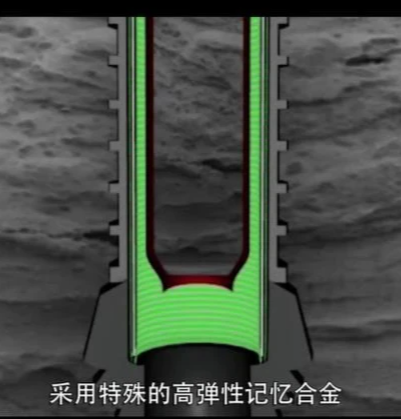
Superelasticity is a fascinating phenomenon that occurs in certain materials, particularly superelastic alloys, allowing them to undergo significant deformation and return to their original shape without permanent damage. This unique property emerges from specific structural changes within the material when subjected to stress, making it an intriguing subject of study. To grasp the full scope of superelasticity, we need to explore its definition, key characteristics, and real-world applications.
Defining Superelasticity
At its core, superelasticity refers to the ability of certain alloys to exhibit elastic behavior over a wide range of deformations. Unlike typical elastic materials that return to their original shape after being deformed within a limited range, superelastic alloys can recover from extensive strains—often exceeding 8%—due to a phase transformation in their crystalline structure. This transformation allows these materials to absorb energy efficiently and makes them ideal candidates for various applications where resilience and flexibility are paramount.
Key Characteristics of Superelastic Alloys
Superelastic alloys possess several key characteristics that set them apart from conventional materials. Firstly, they demonstrate remarkable energy absorption capabilities; this means they can withstand impacts or shocks without sustaining damage—an essential feature in fields like aerospace and medical devices. Secondly, they showcase an impressive range of operational temperatures where their superelastic properties remain effective; this adaptability makes them suitable for diverse environments and applications.
Additionally, one defining trait is their ability to revert back swiftly after deformation; this rapid recovery enhances performance in dynamic situations where speed is critical. In terms of mechanical properties, superelastic alloys exhibit low stiffness compared to traditional metals while maintaining strength—a combination that allows for innovative designs without compromising functionality.
Real-World Examples of Superelasticity
Real-world examples of superelasticity highlight the versatility and practicality of these remarkable materials across various industries. One prominent application is in the medical field with stents made from nitinol (a well-known superelastic alloy), which can expand within blood vessels upon deployment but then return to their original shape once removed from the constraining environment.
Another striking example lies in aerospace technology; components crafted from superelastic alloys are increasingly used in spacecraft due to their ability to withstand extreme conditions while maintaining structural integrity during launch and re-entry phases.
In consumer products as well, we see innovations such as eyewear frames made from superelastic alloys that bend without breaking—a perfect marriage between durability and style! These examples underscore how understanding What is super elasticity? leads us toward groundbreaking advancements across multiple sectors while showcasing the unique properties inherent in these extraordinary materials.
What Is the Difference Between Superelasticity and Pseudoelasticity?
When diving deep into the realm of materials science, particularly with superelastic alloys, one might stumble upon two terms: superelasticity and pseudoelasticity. While they sound similar and often get tossed around interchangeably, they possess distinct characteristics that are crucial in applications and material behavior. Understanding these differences can illuminate why certain materials are chosen for specific tasks, especially when discussing what materials are superelastic.
Distinguishing Features
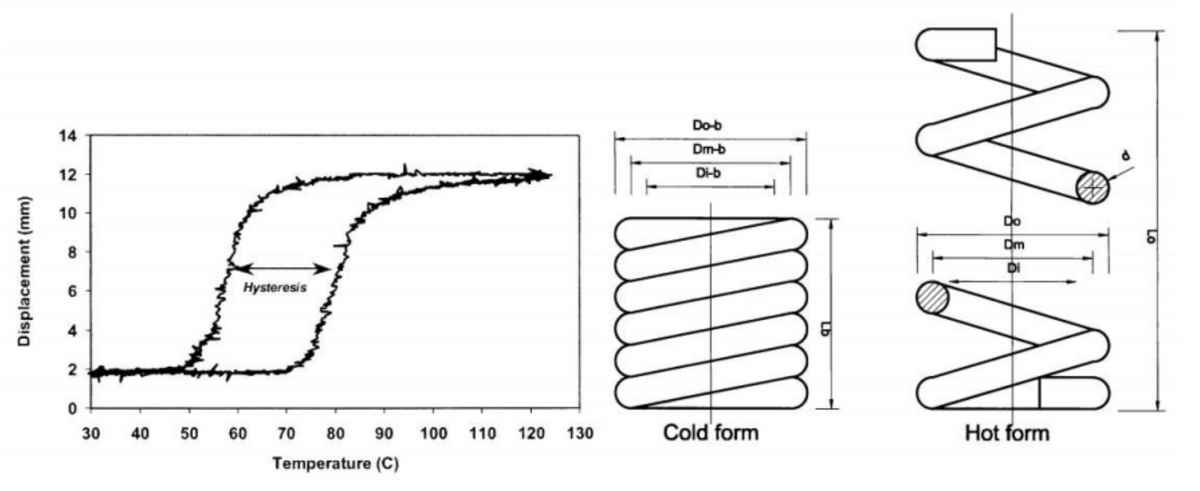
At its core, superelasticity refers to a phenomenon where a material can undergo significant deformation without permanent change when subjected to stress, returning to its original shape upon unloading. This is largely due to the unique phase transformations that occur in certain alloys like nitinol—known for being a prime example of a superelastic alloy. On the other hand, pseudoelasticity involves similar behavior but typically occurs at temperatures above the transformation range of the material; thus, it doesn’t revert back as easily as true superelastic materials do.
The key distinguishing feature lies in temperature sensitivity: while superelastic alloys exhibit their remarkable properties within specific thermal ranges, pseudoelastics require elevated temperatures to showcase their elasticity. In essence, all superelastic materials can display pseudoelastic behavior under certain conditions; however, not all pseudoelastics qualify as true superelastics due to this temperature dependency. Recognizing these nuances is vital for engineers and designers who want to maximize performance using what is known about these fascinating materials.
Application Differences
The application differences between superelasticity and pseudoelasticity are significant enough that they influence material selection across various industries. Superelastic alloys like nitinol find extensive use in medical devices such as stents and guidewires because their ability to return to an original shape after deformation is critical for ensuring safety and functionality in dynamic environments like the human body. Conversely, pseudoelastics may be better suited for applications requiring high-temperature resilience or where constant shape retention under stress isn’t as critical.
For instance, aerospace engineering often leans toward utilizing pseudoelastics due to their performance at elevated temperatures during flight operations—making them ideal candidates for components exposed to extreme conditions. Meanwhile, sectors focused on precision instruments benefit immensely from employing true super elastic alloys which provide reliability through repeated cycles of deformation without fatigue or failure over time. The choice between these two types ultimately hinges on understanding how each behaves under stress and which properties align best with project requirements.
Material Behavior Under Stress
Material behavior under stress is where we truly see the divergence between superelasticity and pseudoelasticity unfold dramatically! When subjected to stress within its transformation range, a super elastic alloy will undergo reversible phase changes that allow it not only to absorb energy but also return gracefully back into its initial form once the load is removed—a characteristic highly coveted in applications involving dynamic forces or repetitive motion scenarios. In contrast, when a pseudo elastic material experiences stress beyond its yield point at higher temperatures or loads outside its optimal range, it may not revert back fully or could even suffer permanent deformation.
This difference becomes particularly important when selecting what materials are super elastic versus those that demonstrate only pseudo-elastic characteristics—especially if long-term durability is essential in your design criteria! Engineers must carefully consider how each type will respond during operational stresses over time; this ensures reliable performance without unexpected failures down the road. Ultimately understanding how these behaviors manifest allows innovators across various fields—from medicine to aerospace—to harness the full potential of both types of elasticity effectively.
Why Is Nitinol Superelastic?
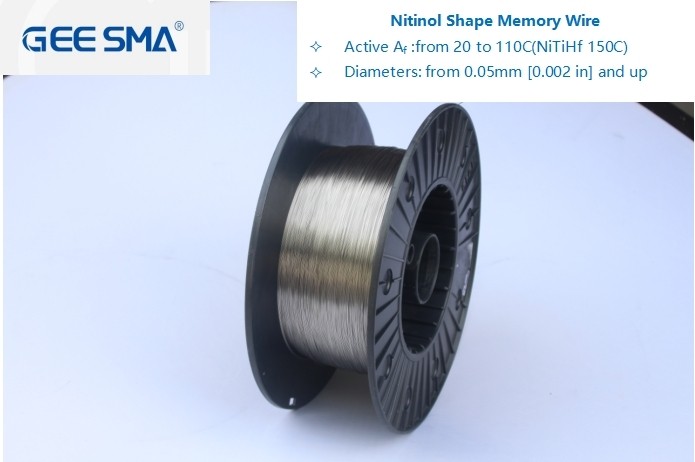
Nitinol, a remarkable superelastic alloy, has garnered significant attention in various fields due to its unique properties. This material exhibits extraordinary flexibility and resilience, making it a favorite in applications ranging from medical devices to robotics. Understanding why nitinol is superelastic involves delving into its composition, the influence of temperature on its behavior, and the advantages it offers over other materials.
Composition and Structure of Nitinol
Nitinol is primarily composed of nickel and titanium, with the typical ratio being approximately 50% nickel and 50% titanium by atomic percentage. This specific composition plays a crucial role in defining the alloy's unique crystal structure, which allows for both superelasticity and shape memory effects. The arrangement of atoms in nitinol enables it to undergo reversible phase transformations that are essential for its superelastic characteristics.
The microstructure of nitinol consists of two distinct phases: the austenite phase at higher temperatures and the martensite phase at lower temperatures. When subjected to stress, nitinol can transform from austenite to martensite without permanent deformation—a key feature that distinguishes it from many other materials when discussing what materials are superelastic? This ability makes nitinol an ideal candidate for applications requiring high flexibility under variable loads.
Temperature Influence on Nitinol
Temperature plays a pivotal role in determining the behavior of nitinol as a superelastic alloy. At elevated temperatures, nitinol exists predominantly in its austenitic form, which is stable and exhibits high strength along with excellent elasticity. As the temperature drops below a certain threshold known as the transformation temperature, nitinol transitions into its martensitic phase—this transition is what allows it to demonstrate superelasticity when stress is applied.
When examining what is super elasticity?, it's important to note that this phenomenon occurs when nitinol is deformed while in its austenitic state but returns to its original shape upon unloading as it reverts back to this stable phase. The ability for such reversible deformation under varying thermal conditions sets nitinol apart from traditional metals—this adaptability can be harnessed effectively across multiple industries.
Advantages of Using Nitinol
One major advantage of using nitinol lies in its exceptional fatigue resistance compared to other materials classified as superelastic alloys. This property ensures that devices made from nitinol can endure repeated stress cycles without succumbing to failure—a critical consideration when evaluating application differences between various alloys. Additionally, because of its biocompatibility and corrosion resistance, nitinol finds extensive use in medical applications like stents or guidewires where reliability is paramount.
Moreover, understanding what is the difference between superelasticity and pseudoelasticity further highlights why designers favor using this alloy; while both phenomena involve reversible deformation under stress, true superelasticity occurs above the transformation temperature without any energy loss during unloading—making it more efficient than pseudoelastics found within other materials under similar conditions!
In summary, Nitinol’s unique composition coupled with temperature-dependent behaviors provides significant advantages that make it an indispensable material across various sectors seeking innovative solutions.
How GEE SMA Enhances Performance

The performance of superelastic alloys, particularly Nitinol, is significantly enhanced by the innovative approaches taken by GEE SMA. By leveraging the unique properties of these materials, GEE SMA develops solutions that meet the demanding requirements of various industries. This section explores how Nitinol is utilized in space missions, the custom solutions offered for unique needs, and GEE SMA's unwavering commitment to quality and innovation.
Nitinol in Space Missions
Nitinol's unique properties make it an ideal candidate for critical applications in space missions. Superelastic alloys like Nitinol can endure extreme temperatures and stress without losing their integrity, which is essential when dealing with the harsh environment of outer space. The ability to recover from deformation allows components made from this superelastic alloy to function reliably under conditions where traditional materials might fail.
When launching spacecraft or satellites, engineers need materials that can withstand high levels of mechanical stress during takeoff and re-entry. This is where understanding what materials are superelastic becomes crucial; Nitinol stands out due to its superior fatigue resistance and lightweight nature. As a result, many space agencies are increasingly turning to superelastic alloys like Nitinol for actuators and deployable structures that require reliable performance over numerous cycles.
Moreover, the adaptability of Nitinol allows it to be used in various configurations tailored specifically for each mission's needs. For instance, its ability to return to a predetermined shape makes it perfect for mechanisms that must unfold or extend once in orbit. By integrating this remarkable material into their designs, aerospace engineers ensure optimal performance while minimizing weight—an essential factor in any space mission.
Custom Solutions for Unique Needs
Understanding what is super elasticity can help manufacturers create custom solutions tailored specifically for unique industrial needs. GEE SMA specializes in developing bespoke components made from superelastic alloys that cater to specific application requirements across diverse sectors such as medical devices and robotics. By focusing on individual client demands, GEE SMA enhances performance through precision engineering and innovative design.
For example, medical implants often require materials that can adapt under varying loads while maintaining structural integrity—qualities inherent in superelastic alloys like Nitinol. Custom-designed stents or orthopedic devices utilize these attributes effectively; they expand upon deployment within the body but remain flexible enough to accommodate natural movements without causing discomfort or damage to surrounding tissues. As such, understanding what is the difference between superelasticity and pseudoelasticity becomes vital when designing these specialized products.
GEE SMA collaborates closely with clients during development phases to ensure that every aspect—from material selection based on why nitinol is superelastic—to final production aligns with performance goals and regulatory standards. This commitment results not only in enhanced product reliability but also fosters long-lasting partnerships built on trust and transparency as organizations continue exploring new applications for these remarkable materials.
Commitment to Quality and Innovation
At GEE SMA, the commitment to quality goes hand-in-hand with a dedication to innovation within the realm of superelastic alloys like Nitinol. The company invests heavily in research & development initiatives aimed at pushing boundaries further while ensuring compliance with industry standards—a crucial consideration when working with sensitive applications such as medical devices or aerospace technologies where failure cannot be an option.
Quality assurance processes encompass everything from rigorous testing protocols designed around understanding what materials are superelastic—to continuous feedback loops involving clients who utilize their products firsthand under real-world conditions—ensuring ongoing improvements based on practical insights gained through experience over time! This proactive approach enhances overall product reliability while reinforcing confidence among users regarding material behavior under stress situations encountered daily across multiple industries.
Furthermore, embracing cutting-edge technologies enables GEE SMA not only stay ahead competitively but also provide groundbreaking solutions addressing emerging challenges faced by various sectors today! Their relentless pursuit of excellence guarantees clients access top-tier products crafted using advanced techniques—demonstrating how effective collaboration between science-driven innovation combined with practical application leads ultimately toward maximizing performance potential inherent within every piece produced utilizing these extraordinary capabilities found within superbly engineered Super Elastic Alloys!
Conclusion
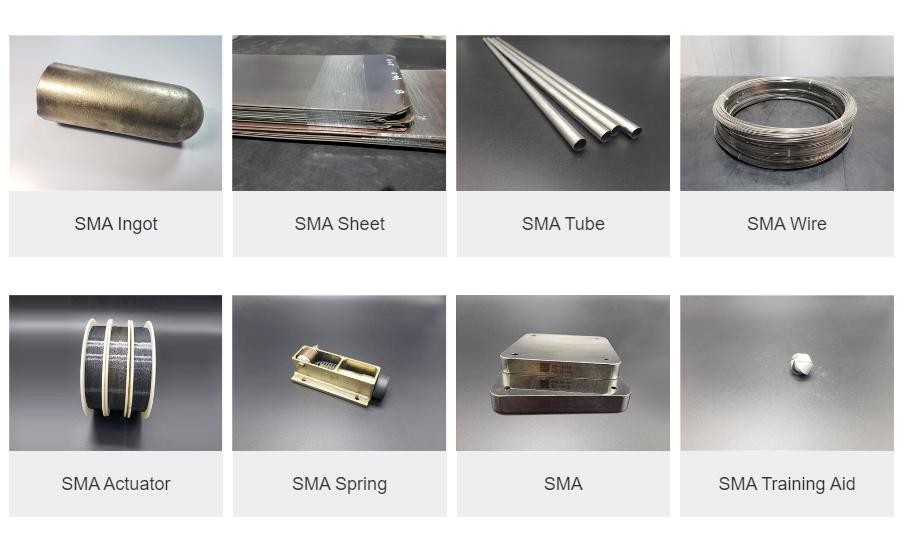
In wrapping up our exploration of superelastic alloys, it becomes evident that these remarkable materials are not just a passing trend but a cornerstone for future innovations. The potential applications of superelastic alloys span various industries, from medical devices to aerospace technology. As we look ahead, the advancements in material science promise to enhance the capabilities and functionalities of these extraordinary materials.
The Future of Superelastic Alloys
The future of superelastic alloys is bright, with ongoing research aimed at discovering new compositions and improving existing ones. Innovations in manufacturing techniques will likely lead to more cost-effective production methods, making these materials accessible for a broader range of applications. As we continue to ask What materials are superelastic? researchers are uncovering possibilities beyond traditional options like Nitinol, paving the way for exciting developments.
Integrating Superelastic Materials in Design
Integrating superelastic materials into design processes can revolutionize how products are conceived and manufactured. Designers and engineers must consider how the unique properties of these alloys can enhance functionality while reducing weight and increasing durability. When asking What is super elasticity?, it's crucial to recognize that understanding this concept allows for more innovative designs that take full advantage of the inherent characteristics offered by superelastic alloys.
Maximizing Performance with GEE SMA
GEE SMA stands at the forefront of maximizing performance through the use of advanced superelastic alloys like Nitinol. By focusing on quality and innovation, GEE SMA provides tailored solutions that meet specific needs across various sectors such as aerospace and healthcare. Understanding Why is nitinol superelastic? helps clients appreciate how this alloy can be optimized for their unique applications, ultimately leading to superior performance outcomes.