

Introduction
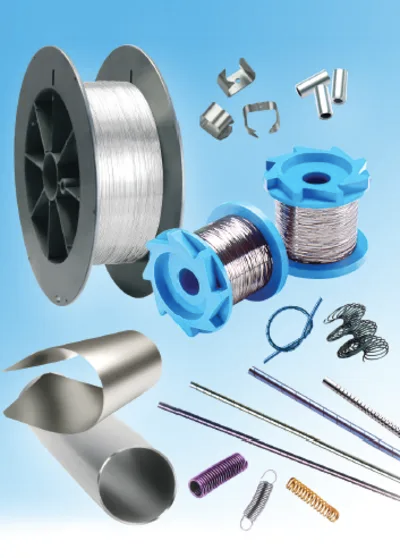
Shape memory alloys (SMAs) are fascinating materials that can return to a predetermined shape when subjected to specific temperatures. Among the various types of SMAs, Nitinol stands out for its unique properties and diverse applications, making it a hot topic in industries ranging from aerospace to medical devices. In this exploration, we will delve into the world of shape memory alloy wires, their pricing dynamics, and the manufacturers that supply them.
Explore the World of Shape Memory Alloys
The realm of shape memory alloys is an exciting intersection of science and engineering, where materials exhibit extraordinary capabilities. These alloys can remember their original shapes and revert back when heated or cooled, offering innovative solutions across multiple sectors. From tiny actuators in robotics to large-scale applications in aerospace, the versatility of shape memory alloy wires is simply remarkable.
Understanding Nitinol and Its Uses
Nitinol is a specific type of shape memory alloy composed primarily of nickel and titanium, known for its exceptional elasticity and strength. This unique combination allows Nitinol to perform under extreme conditions while maintaining its functionality—attributes that are invaluable in various fields such as medicine for stents or guidewires. The uses for Nitinol are vast; it serves as a game-changer in applications requiring precision movement and reliability.
The Advantages of Muscle Wire
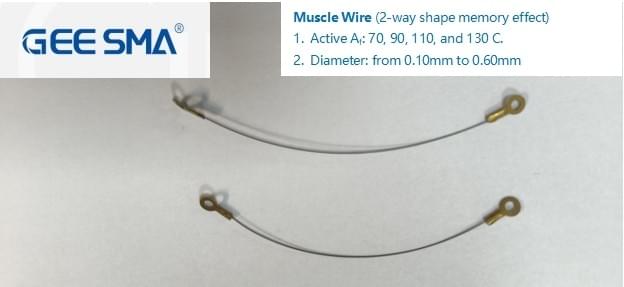
Muscle wire is another term often associated with Nitinol due to its ability to contract and expand like muscle fibers when activated by heat. This property makes muscle wire an ideal candidate for creating lightweight yet powerful actuators used in robotics or prosthetics. Additionally, considering factors like performance versus cost—particularly regarding shape memory alloy wires price—muscle wire offers an attractive solution for engineers looking to innovate without breaking the bank.
What Are Shape Memory Alloys?
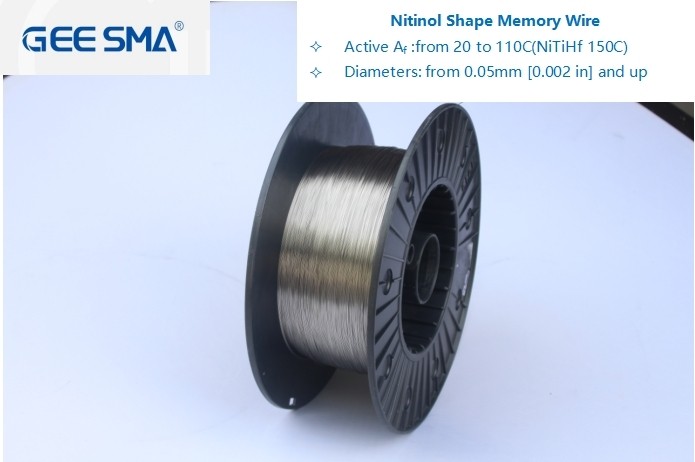
Shape memory alloys (SMAs) are a unique class of materials that can return to a predetermined shape when subjected to specific thermal conditions. These alloys, including the well-known Nitinol, exhibit remarkable properties that allow them to remember their original form after being deformed. This fascinating behavior is primarily due to a phase transformation that occurs at certain temperatures, making shape memory alloy wires incredibly versatile for various applications.
Definition and Mechanism
At its core, a shape memory alloy wire is designed to undergo significant deformation without permanent change in structure until it reaches a critical temperature. When heated above its transformation temperature, the wire reverts to its original shape through an intricate process involving martensitic and austenitic phases. This mechanism allows for impressive engineering feats in industries ranging from aerospace to medical devices, where precision and reliability are paramount.
Diverse Applications in Industry
The applications of shape memory alloys are as diverse as they are innovative. In the medical field, for instance, Nitinol is commonly used in stents and guidewires due to its biocompatibility and ability to expand or contract with body temperature changes. Similarly, aerospace engineers utilize shape memory alloy wires for actuators and deployable structures that require reliable performance under varying environmental conditions.
Key Characteristics of Nitinol
Nitinol stands out among other shape memory alloys due to its unique combination of properties: excellent corrosion resistance, high fatigue strength, and the ability to recover from significant deformation. These characteristics make it an ideal choice for demanding applications where reliability is critical—think robotics or even automotive sectors! Additionally, understanding the pricing dynamics of shape memory alloy wires can help businesses budget effectively while selecting suitable manufacturers that meet their needs without compromising quality.
How Nitinol Shape Memory Wires Work
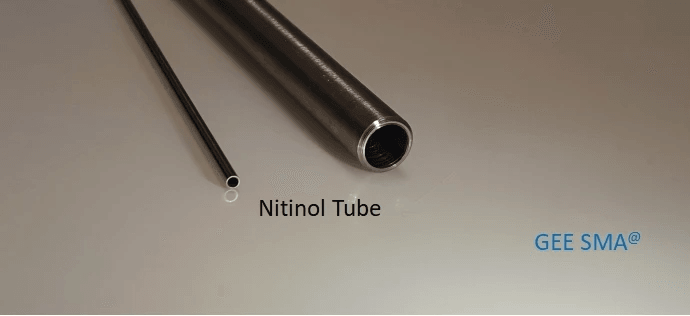
Nitinol shape memory wires are fascinating materials that exhibit unique properties, enabling them to return to a predetermined shape when subjected to specific temperature changes. Understanding how these wires operate is essential for appreciating their diverse applications in various fields. In this section, we will delve into the science behind the shape memory effect, the activation and deactivation processes, and some real-world applications of muscle wire.
The Science Behind Shape Memory Effect
The shape memory effect is a remarkable phenomenon exhibited by certain shape memory alloys, including Nitinol. When these alloys are deformed at a lower temperature, they can remember their original form and revert back once heated above a specific threshold. This transformation occurs at the atomic level; as the temperature rises, the structure of the alloy shifts from a martensitic phase (deformed) to an austenitic phase (original), allowing for impressive mechanical movements that can be harnessed in various technologies.
Understanding this science opens up exciting possibilities for innovative designs using shape memory alloy wires. Engineers and designers can exploit this property in devices where precise motion is required while minimizing energy consumption. The versatility of Nitinol allows it to be utilized in everything from medical devices to robotics, showcasing its remarkable adaptability through different applications.
Activation and Deactivation Process
The activation process of Nitinol shape memory wires involves heating them beyond their transition temperature, which causes them to revert to their original pre-deformed shape. Conversely, when cooled below this critical temperature, they can be reshaped or deformed again without losing their inherent properties as shape memory alloys. This cycle of activation and deactivation enables muscle wire systems to perform repetitive tasks with high reliability while maintaining low energy usage.
In practical terms, activating these wires can be achieved through simple methods such as passing an electric current or exposing them to heat sources like warm water or air. Once activated, they exert significant force relative to their size—making them ideal candidates for applications requiring compact actuation systems. As industries continue exploring new ways to leverage these advantages, understanding how activation and deactivation works becomes increasingly important for manufacturers producing high-quality shape memory alloy wires.
Real-World Applications of Muscle Wire
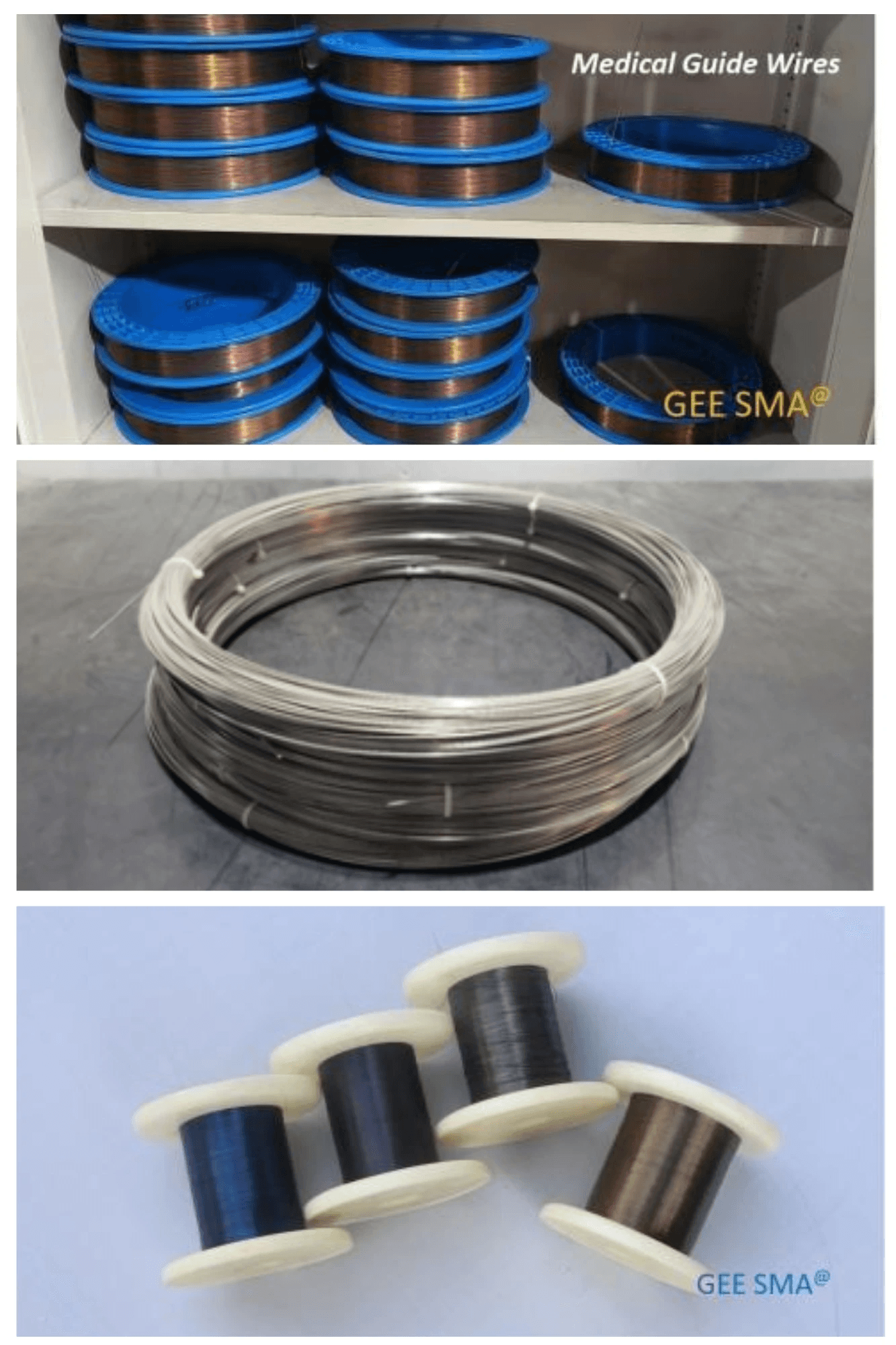
Muscle wire made from Nitinol has found its way into numerous real-world applications across various sectors due to its unique characteristics as a shape memory alloy wire. In aerospace engineering, for instance, these wires are employed in actuators that adjust wing flaps or control surfaces—enhancing performance while reducing weight compared to traditional mechanisms. Similarly, in medical devices such as stents or guidewires used during minimally invasive surgeries, Nitinol's ability to expand and contract seamlessly proves invaluable.
Robotics also benefits greatly from muscle wire technology; engineers utilize Nitinol-based actuators in robotic arms or soft robotics where precise movements are necessary without bulky motors or gears cluttering designs. Furthermore, its integration into consumer electronics showcases how adaptable these materials truly are; think about camera lenses that adjust focus automatically using tiny yet powerful shapes formed by muscle wire! With so many exciting examples of how shape memory alloys enhance technology today—and with many more innovations on the horizon—it's clear that manufacturers focusing on quality will play an essential role moving forward.
GEE SMA: Industry Leader in Nitinol
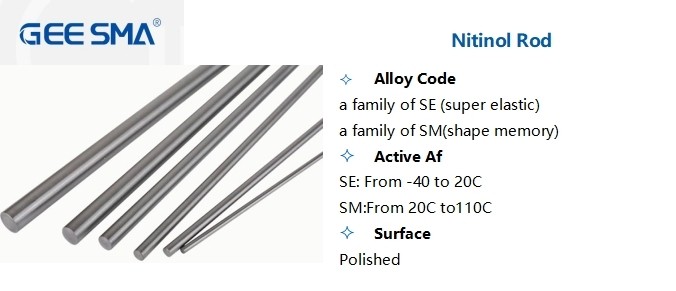
Their commitment to harnessing the unique properties of shape memory alloy wires has led them to develop cutting-edge solutions across various sectors. With a focus on quality and performance, GEE SMA is redefining the possibilities within the realm of Nitinol applications.
Overview of GEE SMA's Innovations
GEE SMA has consistently pushed the envelope with its innovative approaches to shape memory alloys. By integrating advanced manufacturing techniques with material science, they have created some of the most reliable shape memory alloy wires available today. Their research and development efforts are focused on enhancing the functionality and efficiency of these materials, making them indispensable for modern engineering challenges.
The company’s innovations also extend into custom solutions tailored specifically for clients' needs, showcasing their versatility in adapting shape memory alloys for various applications. From aerospace components to medical devices, GEE SMA’s products exemplify how creativity can merge with technology to yield exceptional results. This relentless pursuit of excellence positions GEE SMA as a leader among shape memory alloy wires manufacturers.
Products Tailored for Various Industries
GEE SMA offers an impressive array of products designed specifically for diverse industries that utilize shape memory alloys. In aerospace, their lightweight yet strong Nitinol components contribute significantly to fuel efficiency and overall performance enhancements in aircraft design. Meanwhile, in the medical field, their precision-engineered shape memory alloy wires are vital for creating effective stents and other implantable devices.
Beyond aerospace and medicine, GEE SMA’s innovations extend into robotics and automation sectors where flexibility and responsiveness are paramount. Their products not only meet but often exceed industry standards, ensuring that clients receive top-tier reliability without compromise. This adaptability across multiple fields underscores why many companies turn to GEE SMA when searching for high-quality shape memory alloys examples.
Reliability in Extreme Environments
One of the standout features of GEE SMA's offerings is their performance under extreme conditions—a crucial factor in many industrial applications that rely on shape memory alloy wires. Whether it's extreme temperatures or harsh chemical exposure, these alloys maintain their integrity and functionality without faltering under pressure. This reliability makes them particularly valuable in industries such as oil and gas exploration or space travel where failure is not an option.
Moreover, by employing rigorous testing protocols during production, GEE SMA ensures that each batch of shape memory alloy wires meets stringent durability standards before reaching customers’ hands. Clients can rest easy knowing that they're investing in materials designed to withstand some of the toughest environments imaginable while still delivering exceptional performance levels consistently over time. As a result, businesses looking at shape memory alloy wires price will find that investing in quality from leaders like GEE SMA pays off significantly down the line.
Shape Memory Alloys Examples in Action
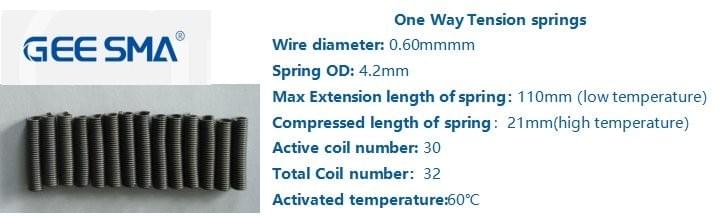
Shape memory alloys (SMAs) are not just a fascinating scientific concept; they are revolutionizing various industries with their unique properties. From aerospace to medical devices and robotics, the applications of shape memory alloy wires are diverse and impactful. Let's delve into some compelling examples that showcase the versatility of these materials.
Aerospace Applications of Nitinol
In the aerospace industry, shape memory alloys have carved out a niche for themselves thanks to their lightweight and high-strength characteristics. Nitinol, in particular, is utilized in applications such as actuators, which can change shape in response to temperature variations—an essential function for components exposed to extreme conditions. The use of shape memory alloy wires in wing flaps or landing gear mechanisms allows for more efficient designs that enhance fuel efficiency while maintaining safety standards.
Moreover, the adaptability of Nitinol makes it ideal for deploying systems like satellite antennas or space structures that require precise movements under varying temperatures. With the ongoing development of advanced aerospace technologies, manufacturers are increasingly turning to shape memory alloys examples that promise reliability and performance under duress. As these innovations continue to evolve, we can expect even broader applications within this critical sector.
Medical Devices Utilizing Shape Memory Wires
When it comes to medical devices, shape memory alloy wires have made a significant impact by providing innovative solutions in minimally invasive procedures. For instance, Nitinol stents expand when heated within the body, allowing doctors to treat blockages without extensive surgery—a game changer for patients with cardiovascular issues. The unique properties of shape memory alloys enable these devices to return to their original shapes after being deformed during insertion.
Additionally, surgical tools made from shape memory alloys offer enhanced precision and control during operations due to their ability to adapt dynamically based on temperature changes or mechanical forces applied by surgeons. As healthcare continues evolving toward less invasive techniques, manufacturers specializing in shape memory alloy wires are likely to see increased demand for their products as they become integral components of next-generation medical devices.
Robotics and Automation Integration
The integration of shape memory alloys into robotics is paving the way for smarter and more adaptable machines capable of mimicking human-like movements. By utilizing Nitinol's unique properties—particularly its ability to contract and expand—the design possibilities for robotic actuators have expanded dramatically. This allows engineers working with shape memory alloy wires manufacturers to create lighter robots that consume less energy while delivering superior performance.
Moreover, robots equipped with these innovative materials can navigate complex environments more efficiently by adjusting their structures based on real-time feedback from sensors—think soft robotics! As industries increasingly adopt automation technologies across sectors like manufacturing and logistics, the role of SMAs will undoubtedly grow larger as they enhance both functionality and versatility.
Evaluating Shape Memory Alloy Wires Price
When it comes to shape memory alloy wires, understanding their price is crucial for both manufacturers and consumers. The cost of these innovative materials can vary significantly based on several factors, including composition, processing methods, and market demand. As you delve into the world of shape memory alloys, being informed about pricing can help you make better purchasing decisions.
Factors Influencing Cost
The price of shape memory alloy wires is influenced by a variety of factors that potential buyers should consider. Firstly, the specific composition of the alloy plays a significant role; for instance, Nitinol (Nickel-Titanium) tends to be more expensive due to its unique properties and manufacturing complexities. Additionally, production processes such as wire drawing and heat treatment can add to the overall cost, as specialized techniques are often required to achieve desired characteristics in shape memory alloys.
Another factor affecting price is the scale of production; larger orders may benefit from economies of scale while smaller quantities could incur higher per-unit costs. Market demand also plays a pivotal role—when industries like aerospace or medical devices ramp up their usage of shape memory alloys examples, prices may spike accordingly due to increased competition for raw materials and finished products. Lastly, geographical location matters; shipping costs and local market conditions can further influence how much you’ll pay for your shape memory alloy wires.
Comparing Prices Among Manufacturers
With several shape memory alloy wires manufacturers in the market, comparing prices becomes essential for making an informed choice. Start by researching various suppliers and their offerings; some may provide additional services such as customization or technical support that could justify higher prices. It’s important not only to focus on cost but also on quality—after all, investing in high-quality shape memory alloys can lead to better performance and longevity in applications.
Online marketplaces and industry-specific trade shows are great places to gather information about pricing trends among different manufacturers. However, be wary of deals that seem too good to be true; when it comes to advanced materials like Nitinol or other shape memory alloys examples, quality often correlates with price. Always request samples if possible so you can evaluate the material before committing financially.
Budgeting for Shape Memory Alloy Projects
When budgeting for projects involving shape memory alloy wires, it’s essential to account not just for initial costs but also for long-term expenses related to maintenance or replacement parts over time. Begin by estimating your project's scope: how much wire will you need? Will you require additional components or specialized equipment? These considerations will help create a realistic budget that encompasses all necessary expenditures.
Don’t forget about potential fluctuations in prices due to market trends; setting aside a contingency fund might save you from unexpected financial strain later on if material costs rise suddenly within your industry sector. Additionally, consider reaching out directly to manufacturers for quotes tailored specifically to your project needs—this approach may reveal bulk discounts or special offers that could ease budget constraints while still providing high-quality shape memory alloy products.
Ultimately, understanding the landscape surrounding shape memory alloy wires price will empower you as both a consumer and an innovator in your field!
Conclusion
As we wrap up our exploration of shape memory alloys, it’s clear that these materials are not just a scientific curiosity but a cornerstone of modern technology. From Nitinol’s unique properties to its diverse applications, shape memory alloy wires have proven their worth in various industries. Understanding the nuances of shape memory alloys and their pricing can empower businesses to make informed decisions.
Key Takeaways on Shape Memory Alloys
Shape memory alloys, particularly Nitinol, exhibit remarkable characteristics such as the ability to return to a predetermined shape when heated. This unique property makes them invaluable in applications ranging from medical devices to robotics and aerospace technologies. When considering shape memory alloy wires for your projects, remember that their versatility and reliability can significantly enhance product performance.
The Future of Nitinol in Technology
Looking ahead, the future of Nitinol and other shape memory alloys is bright with potential innovations on the horizon. As industries continue to push for lightweight materials with exceptional strength and adaptability, we can expect an increase in demand for shape memory alloy wires across various sectors. Moreover, advancements in manufacturing processes will likely lead to more affordable options, making these materials accessible for even more applications.
How to Choose the Right Manufacturer
Choosing the right manufacturer for your shape memory alloy wires is crucial for ensuring quality and reliability in your projects. Start by researching several reputable shape memory alloy wires manufacturers who have proven track records and positive customer feedback. Additionally, consider factors such as price competitiveness, product range, and after-sales support before making your final decision.