

Introduction
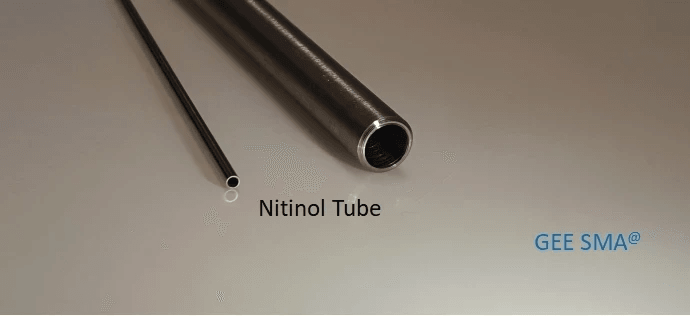
Nitinol, a remarkable metal alloy composed primarily of nickel and titanium, has captured the attention of industries ranging from medicine to aerospace due to its unique properties. This innovative material exhibits shape memory and superelasticity, making it not just a scientific curiosity but a game changer in various applications. With a growing list of uses for nitinol, including its pivotal role in the creation of nitinol stents, this alloy is reshaping our approach to modern technology.
Exploring Nitinol's Unique Properties
What sets nitinol apart from other metals is its ability to return to a predetermined shape when heated—a phenomenon known as the shape memory effect. This property allows nitinol alloys to be used in applications where flexibility and strength are crucial, such as in medical devices and robotics. Additionally, nitinol's superelasticity means it can undergo significant deformation without permanent damage, further broadening its potential uses.
The Versatility of Nitinol Alloys
Nitinol alloys are incredibly versatile; they can be tailored for specific applications by adjusting their composition and processing methods. This adaptability has led to an array of innovative products that leverage nitinol's unique characteristics—from flexible stents that navigate complex vascular pathways to robotic actuators that mimic human movement with precision. The diverse range of nitinol uses showcases how this alloy can meet the demands of various industries while pushing the boundaries of traditional materials.
Why Nitinol is a Game Changer
The impact of nitinol on innovation cannot be overstated; it represents a significant advancement in material science with implications across multiple sectors. For instance, in medical technology, the use of nitinol stent material has revolutionized cardiovascular procedures by offering less invasive options that enhance patient recovery times. As we continue to explore new applications and improve manufacturing processes through pioneering nitinol manufacturing companies, it's clear that this extraordinary alloy will play an essential role in shaping future technologies.
Nitinol in Medical Devices
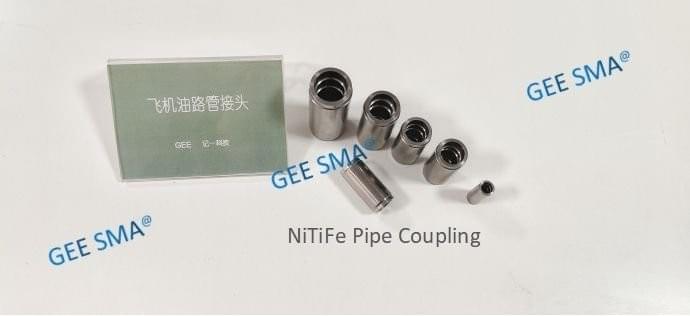
Nitinol, a unique alloy of nickel and titanium, is revolutionizing the medical device industry with its remarkable properties. Its shape memory effect and superelasticity make it an ideal material for various applications, particularly in cardiovascular interventions. As we delve into the uses for nitinol in medical devices, its significance becomes increasingly clear.
Applications of Nitinol Stents
Nitinol stents have transformed the treatment of coronary artery disease by providing a reliable solution to keep arteries open after angioplasty. The flexibility and strength of nitinol metal allow these stents to navigate complex vascular pathways while maintaining their shape under pressure. Additionally, nitinol shape memory alloys can expand upon deployment, ensuring a secure fit against arterial walls.
Beyond traditional uses, nitinol stents are also being explored for peripheral applications, such as treating blockages in the legs or renal arteries. The adaptability of nitinol alloy means that stents can be tailored to suit various anatomical challenges and patient needs. This versatility positions nitinol at the forefront of innovative medical solutions.
Benefits of Nitinol Stent Material
One major benefit of using nitinol stent material is its biocompatibility; it integrates well with human tissue without triggering adverse reactions. This property significantly reduces the risk of complications associated with foreign materials in the body, making recovery smoother for patients. Moreover, its superelastic nature means that nitinol stents can withstand significant deformation during placement without losing structural integrity.
Another advantage lies in the durability and resistance to corrosion offered by nitinol alloy; these qualities ensure that stents maintain their functionality over time. With lower rates of restenosis—re-narrowing of blood vessels—nitinol stents contribute to improved long-term outcomes for patients undergoing vascular procedures. Thus, it's no surprise that many leading nitinol manufacturing companies are focusing on developing advanced versions of these life-saving devices.
Nitinol's Role in Minimally Invasive Surgery
Nitinol plays a pivotal role in advancing minimally invasive surgical techniques by enabling smaller incisions and reduced recovery times for patients. Instruments made from this innovative metal can bend and flex through narrow passages while returning to their original shape once inside the body—a true game changer! The use of nitinol shape memory alloys allows surgeons to perform complex procedures with precision while minimizing trauma to surrounding tissues.
Furthermore, as technology evolves, new applications for nitinol are emerging within robotics-assisted surgeries where dexterity is paramount. These advancements not only enhance surgical capabilities but also improve patient outcomes by reducing hospital stays and complications associated with traditional open surgeries. As we continue exploring the vast potential uses for nitinol in medicine, it’s clear that this remarkable material will remain at the cutting edge of healthcare innovation.
Aerospace Innovations with Nitinol

Nitinol, a remarkable alloy of nickel and titanium, has made significant strides in the aerospace sector due to its unique properties. Its shape memory and superelastic characteristics offer innovative solutions that traditional materials simply cannot match. As we explore the uses for nitinol in spacecraft design, we’ll uncover how this extraordinary metal is transforming aerospace engineering.
Nitinol in Spacecraft Design
In spacecraft design, nitinol alloys are increasingly favored for their lightweight yet robust nature. The ability of nitinol to return to its original shape after deformation makes it ideal for components that experience extreme stress during launch or re-entry. From actuators to deployable structures like antennas and solar panels, the uses for nitinol are proving invaluable in creating more efficient and reliable spacecraft.
Moreover, the flexibility of nitinol allows engineers to create complex shapes that can withstand harsh conditions without compromising structural integrity. This adaptability reduces weight while enhancing performance—two critical factors in aerospace engineering. As manufacturers continue to explore new applications of nitinol metal, the potential for innovation remains vast.
GEE SMA's Contributions to Space Missions
GEE SMA (Shape Memory Alloys) has been at the forefront of integrating nitinol into various space missions, showcasing its capabilities through groundbreaking projects. Their innovative approach leverages the unique properties of nitinol alloys in systems such as deployable structures and robotic arms used on satellites and rovers. By utilizing nitinol stent material principles, GEE SMA has developed solutions that not only meet but exceed mission requirements.
The company’s work demonstrates how nitinol can improve both functionality and reliability in space applications by minimizing mechanical failures during operation. With a focus on maximizing efficiency while reducing weight, GEE SMA continues to push boundaries within aerospace technology using these advanced materials. The collaboration between engineering ingenuity and nitinol's exceptional characteristics highlights a promising future for space exploration.
How Nitinol Enhances Performance in Extreme Conditions
Nitinol's ability to perform under extreme conditions is one of its standout features that make it an asset in aerospace applications. Whether facing intense temperatures or high radiation levels encountered beyond Earth’s atmosphere, this alloy exhibits remarkable resilience compared to conventional materials. The superelasticity of nitinol allows components to endure significant stress without permanent deformation—a crucial trait when dealing with unpredictable environments.
Additionally, using nitinol shape memory alloys means that components can self-repair by returning to their original form after being subjected to stressors during flight operations or landings on other celestial bodies. This capability greatly enhances mission success rates while reducing maintenance needs post-mission—an essential factor when resources are limited on long-duration missions or distant explorations like Mars colonization efforts.
As we continue examining advancements from various manufacturing companies specializing in this unique metal, it's clear that the versatility offered by these alloys will play a pivotal role in shaping future aerospace innovations.
Remarkable Robotics Using Nitinol

Robotics is an exciting field that has seen significant advancements thanks to innovative materials like nitinol. This unique alloy, known for its shape memory properties, is revolutionizing how robots are designed and function. With diverse uses for nitinol in robotics, it offers solutions that were once thought impossible.
Nitinol Shape Memory Alloys in Robotics
Nitinol shape memory alloys are a game changer in the robotics sector due to their ability to return to a predefined shape when heated. This characteristic allows robotic components made from nitinol metal to perform complex movements with minimal energy input, making them highly efficient. The flexibility and adaptability of nitinol alloys enable engineers to create compact designs that can easily adjust to varying conditions.
Advantages of Nitinol in Robotic Actuators
One of the standout advantages of using nitinol in robotic actuators is its lightweight nature combined with high strength. This makes it an ideal choice for applications where weight is a critical factor, such as drones or small robotic limbs. Additionally, the unique properties of nitinol stent material allow for smoother and more precise movements, enhancing overall performance and reliability.
Case Studies of Nitinol in Modern Robotics
Several pioneering projects have showcased the effectiveness of nitinol in modern robotics, including soft robots that mimic natural movements found in animals. For instance, researchers have developed a soft robotic gripper using nitinol shape memory alloys that can grasp delicate objects without causing damage—a feat traditional rigid robots struggle with. Furthermore, companies specializing in nitinol manufacturing have created innovative solutions for prosthetics and exoskeletons that improve mobility and quality of life for users.
Nitinol in Consumer Products
Nitinol's unique properties are making waves beyond the medical and aerospace sectors, infiltrating the realm of consumer products. This remarkable metal, known for its shape memory and superelasticity, has found everyday applications that enhance functionality and convenience in various items we use daily. From eyeglass frames to innovative kitchen gadgets, the uses for nitinol are diverse and increasingly popular.
Everyday Applications of Nitinol
One of the most common uses for nitinol is in eyeglass frames that can bend without breaking, returning to their original shape after deformation. This flexibility not only makes them durable but also incredibly comfortable to wear, appealing to those who lead active lifestyles. Additionally, nitinol alloys are utilized in dental braces where they provide effective alignment while being less intrusive than traditional metal options.
Another fascinating application can be found in self-heating coffee mugs that utilize nitinol’s shape memory properties to maintain temperature effectively. When heated above a certain threshold, these mugs can change shape slightly to activate insulation features or other functionalities seamlessly. These everyday applications showcase how nitinol is revolutionizing consumer products by combining durability with innovative design.
How Nitinol Enhances Product Functionality
Nitinol enhances product functionality significantly due to its unique characteristics as a metal alloy that responds dynamically to temperature changes and stress conditions. For instance, its ability to return to a predetermined shape allows manufacturers to create compact devices that expand when needed—think retractable dog leashes or foldable tools that spring into action with just a flick of the wrist!
Moreover, products made from nitinol stent material benefit from its lightweight nature without sacrificing strength or resilience. This combination results in items that are not only functional but also aesthetically pleasing and easy to handle—an essential factor for consumer satisfaction.
Trendy Items Featuring Nitinol Technology
The tech-savvy market has embraced several trendy items featuring nitinol technology, with one standout being smartwatches equipped with flexible bands made from this versatile alloy. These bands adjust comfortably around users' wrists while resisting wear and tear over time—a perfect blend of style and substance!
Fitness trackers utilizing nitinol also offer a sleek design combined with durability; they can withstand rigorous activities while maintaining comfort against the skin. From fashion statements like jewelry pieces crafted from nitinol alloys to practical tools designed for everyday use, the innovative applications of this remarkable metal continue capturing consumer interest across various sectors.
The Future of Nitinol Manufacturing

The future of nitinol manufacturing is brimming with potential as companies innovate and adapt to meet the growing demand for this remarkable material. With its unique properties, such as shape memory and superelasticity, nitinol alloys are being explored for a wide array of applications beyond traditional uses. As nitinol metal continues to find its way into various sectors, manufacturers are keen on developing new techniques that enhance production efficiency and broaden the scope of nitinol uses.
Innovations from Nitinol Manufacturing Companies
Nitinol manufacturing companies are at the forefront of technological advancements aimed at refining the production processes for this versatile alloy. Innovations include improved methods for creating nitinol stent materials that enhance biocompatibility and performance in medical applications. Additionally, advancements in 3D printing technology allow for customized shapes and sizes of nitinol shape memory alloys, paving the way for tailored solutions in robotics and aerospace design.
Moreover, research into new alloy compositions is yielding even more resilient forms of nitinol metal that can withstand extreme conditions while maintaining their unique properties. These innovations not only bolster existing applications but also open doors to entirely new uses for nitinol across diverse industries. As these companies continue to push boundaries, we can expect to see an explosion in creative applications that leverage the distinct characteristics of this remarkable material.
Sustainability in Nitinol Production
Sustainability is becoming a critical focus in the manufacturing processes of many industries, including those producing nitinol alloys. Companies are increasingly adopting eco-friendly practices that minimize waste during production while maximizing resource efficiency. For instance, some manufacturers are implementing closed-loop systems that recycle scrap material back into production cycles, reducing environmental impact while ensuring high-quality outputs.
Furthermore, sourcing raw materials responsibly has become a priority among leading nitinol manufacturing companies who aim to lessen their carbon footprint throughout the supply chain. By integrating sustainable practices into their operations, these companies not only contribute positively to environmental conservation but also appeal to consumers who prioritize eco-conscious products—especially as awareness around sustainability grows within markets utilizing nitinol uses.
The Growing Market for Nitinol Uses
The market for nitinol is expanding rapidly as various industries recognize its unparalleled benefits and versatility. From medical devices like stents to applications in robotics and consumer goods, the range of uses for nitinol continues to grow exponentially each year. This surge is driven by increasing demand for innovative solutions that require materials capable of performing under diverse conditions without compromising quality or functionality.
As more sectors adopt advanced technologies incorporating nitinol shape memory alloys and other forms of this unique metal, we can anticipate a corresponding rise in investment toward research and development initiatives focused on optimizing these materials further. The growing market signals an exciting era ahead where creativity meets engineering prowess, ultimately leading us toward groundbreaking discoveries across multiple fields reliant on reliable performance from their chosen materials.
Conclusion
Nitinol, with its remarkable properties and diverse applications, has established itself as a pivotal material across various industries. From medical devices to aerospace innovations, the uses for nitinol are expanding rapidly, showcasing its versatility and efficiency. As we explore the future of this unique metal, it's clear that nitinol will continue to play a crucial role in innovative solutions.
Key Takeaways on Nitinol Applications
The applications of nitinol are vast and varied, ranging from medical uses like nitinol stents to its role in robotics and consumer products. Nitinol alloys exhibit extraordinary shape memory characteristics that allow them to return to their original form after deformation, making them ideal for numerous practical applications. Additionally, the benefits of using nitinol stent material in medical procedures highlight its significance in enhancing patient outcomes through minimally invasive techniques.
The Impact of Nitinol on Innovation
Nitinol's unique properties have sparked innovation across multiple sectors, driving advancements that were previously thought impossible. In the realm of aerospace engineering, for instance, nitinol's ability to withstand extreme conditions while maintaining performance is revolutionizing spacecraft design and functionality. Moreover, the contributions from leading nitinol manufacturing companies are pushing boundaries further as they develop new applications that leverage this metal’s extraordinary capabilities.
The Future of Nitinol in Creative Solutions
Looking ahead, the future of nitinol promises exciting developments as research continues into new applications and enhancements in manufacturing processes. With sustainability becoming increasingly important, innovative strategies within nitinol production are paving the way for eco-friendly practices without compromising quality or performance. As markets grow and demand increases for various uses for nitinol—from cutting-edge medical devices to everyday consumer products—the potential for creative solutions remains virtually limitless.