

Introduction
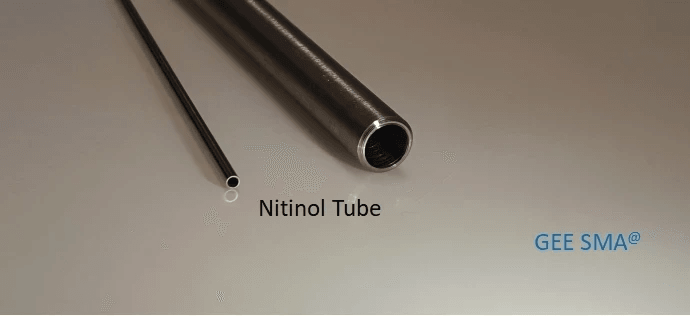
In the ever-evolving landscape of medical technology, stents have undergone a remarkable transformation. Initially, these life-saving devices were primarily made from stainless steel, but the introduction of advanced materials has revolutionized their design and functionality. Among these innovations, nitinol stands out as a game-changer, offering unparalleled advantages that are reshaping how stents are deployed in patients.
The Evolution of Stent Technology
Stent technology has come a long way since its inception, moving from rudimentary metal tubes to sophisticated devices designed for optimal performance. Early stents made from stainless steel had limitations in flexibility and adaptability during deployment, often leading to complications. The advent of nitinol manufacturing companies has introduced stents that utilize superelasticity and shape memory properties, allowing for better patient outcomes and reduced risk of complications.
What Makes Nitinol Exceptional
Nitinol is not just another metal; it’s a unique alloy known for its superelasticity and shape memory capabilities. This means that nitinol can undergo significant deformation yet return to its original shape when heated or subjected to specific conditions—a feature that enhances durability and biocompatibility in medical applications. Compared to traditional stainless steel stents, nitinol provides superior flexibility during stent deployment while maintaining structural integrity within the vascular system.
An Overview of Nitinol Manufacturing Companies
The rise of nitinol has led to an increase in specialized manufacturing companies dedicated to producing high-quality nitinol products for various applications, particularly in the medical field. These nitinol manufacturing companies focus on refining processes that enhance the material's properties while ensuring consistent quality across their product lines. As competition grows among these manufacturers, innovations continue to emerge—paving the way for even more advanced designs that leverage the unique characteristics of this remarkable alloy.
Understanding Nitinol
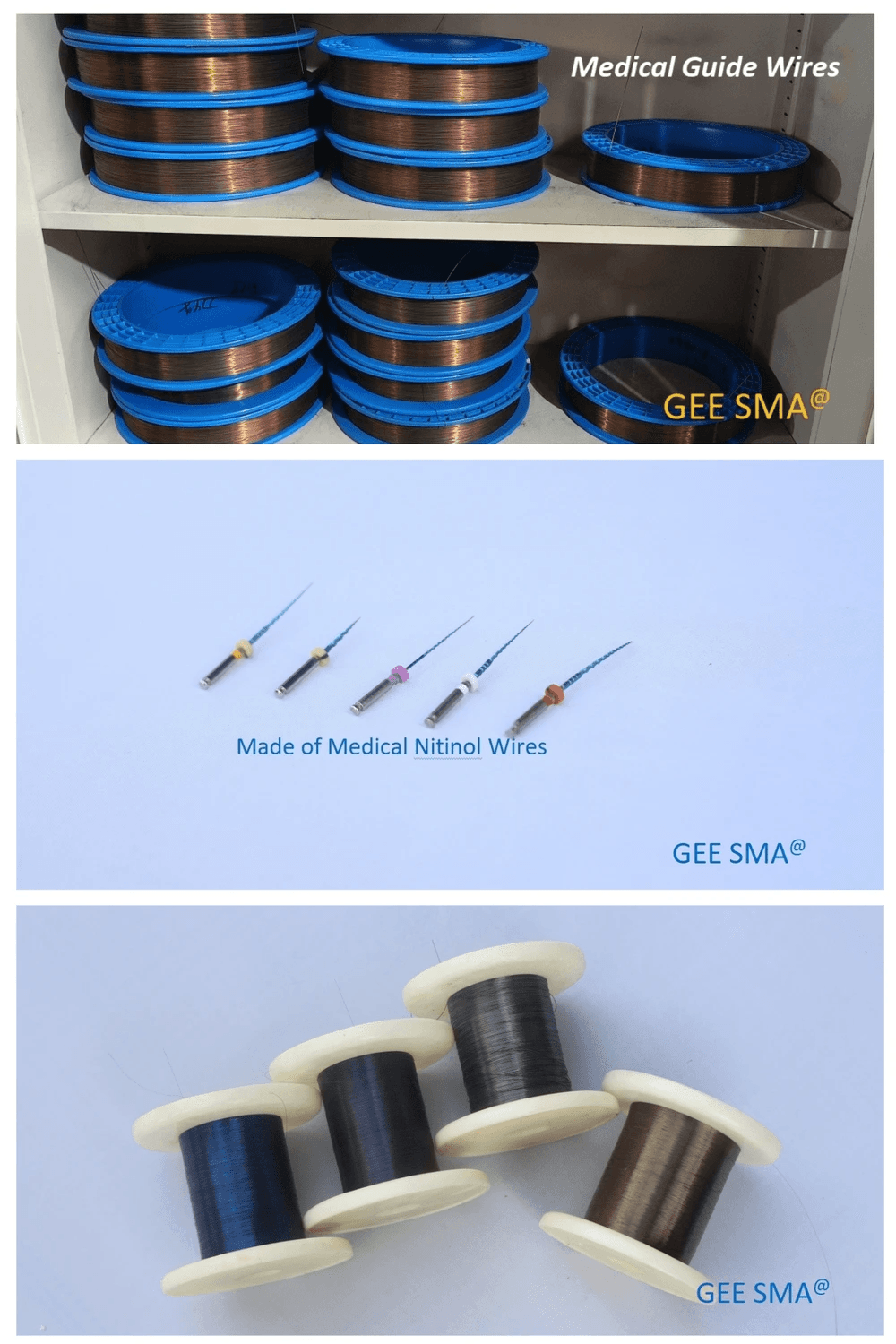
Nitinol, a unique alloy primarily composed of nickel and titanium, has revolutionized various industries, particularly in the medical field. Its remarkable properties stem from its classification as a shape memory alloy (SMA), which allows it to return to a predetermined shape when heated. This section will delve into the science behind SMAs, explore their thermal and mechanical properties, and highlight the benefits of nitinol over traditional materials like stainless steel.
The Science Behind Shape Memory Alloys
At the heart of nitinol's allure is its ability to exhibit superelasticity and shape memory characteristics. When deformed at a lower temperature, nitinol can revert to its original form upon heating above a specific transition temperature. This remarkable feature enables stent deployment with precision; as the stent warms within the body, it expands effortlessly to fit arterial walls—something traditional materials like stainless steel simply can't achieve with the same finesse.
The magic behind this behavior lies in the unique crystalline structure of nitinol. Unlike typical alloys that remain rigid under stress, nitinol can undergo phase transformations between two distinct crystal structures: martensite (the low-temperature phase) and austenite (the high-temperature phase). These transformations allow for impressive flexibility during deployment while maintaining structural integrity once in place.
Thermal and Mechanical Properties
Nitinol boasts exceptional thermal and mechanical properties that distinguish it from conventional materials used in medical devices. Its superelasticity allows for significant deformation without permanent distortion—a crucial attribute for stents that must navigate complex vascular pathways during insertion. Furthermore, nitinol exhibits excellent fatigue resistance; this durability ensures that stents maintain their functionality over time without succumbing to wear or failure.
Another critical aspect is biocompatibility; due to its unique composition and surface characteristics, nitinol minimizes adverse reactions within the human body. This property is essential for any material used in medical applications since reduced risk of rejection translates into better patient outcomes. In contrast to stainless steel stents that may provoke inflammatory responses or corrosion over time, nitinol demonstrates superior durability and biocompatibility.
Benefits Over Traditional Materials
When comparing Nitinol tubing vs. stainless steel stents, it's evident that nitinol provides substantial advantages in several key areas. First off, its flexibility not only eases deployment but also accommodates dynamic movements within blood vessels—an essential feature given how arteries expand and contract with each heartbeat. Additionally, because of its shape memory capabilities, a smaller delivery system can be utilized without compromising performance or efficacy.
Moreover, patients benefit from enhanced patency rates due to less tissue trauma during implantation; this means fewer complications down the line compared to traditional stainless steel options which may lead to restenosis—a fancy term for re-narrowing of blood vessels after treatment. As more nitinol manufacturing companies invest in research and development focused on refining these alloys further, we can expect even more innovative applications tailored specifically for patient needs.
In summary, understanding Nitinol’s science reveals why it's become such an integral part of modern medical devices—from stents designed for optimal performance through smart engineering solutions offered by leading nitinol manufacturing companies—to promising future developments on the horizon.
Nitinol’s Role in Stents
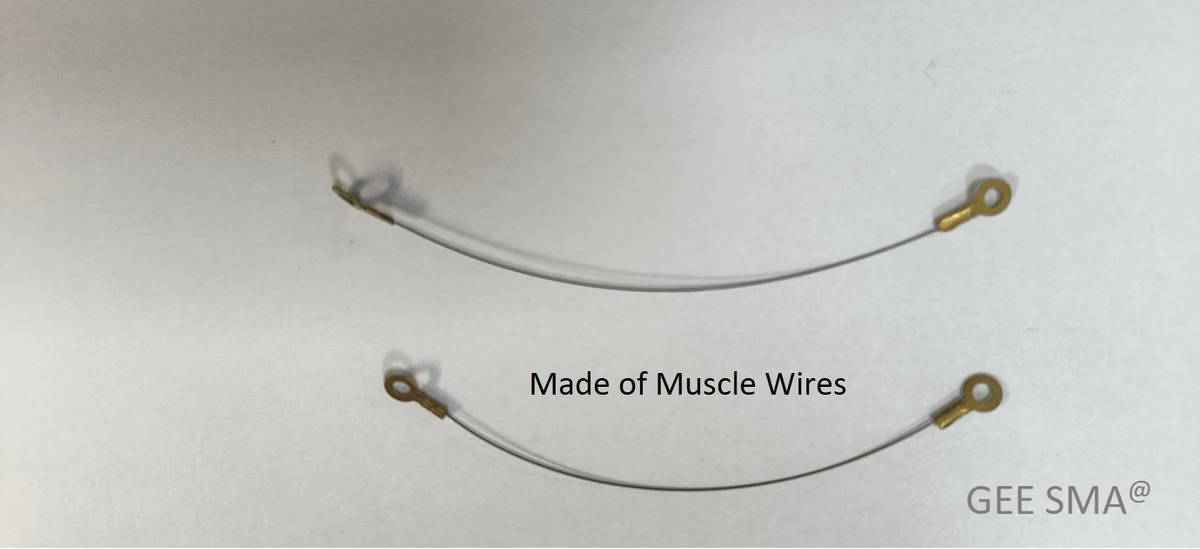
Nitinol has revolutionized the stent industry, bringing a plethora of advantages that traditional materials simply can't match. From its unique properties to its impressive performance in medical applications, nitinol is becoming the go-to choice for many leading nitinol manufacturing companies. As we delve into the specifics of how nitinol enhances stents, we will explore its flexibility, biocompatibility, and overall effectiveness.
Flexibility and Expandability
One of the standout features of nitinol is its superelasticity and shape memory capabilities, which allow stents to be both flexible and expandable. This means that during stent deployment, they can conform to the unique anatomy of patients' blood vessels without risking damage or deformation. In contrast to traditional stainless steel stents, which can be rigid and unyielding, nitinol tubing offers a gentler approach that minimizes trauma to surrounding tissues while ensuring optimal arterial support.
Moreover, the ability to expand significantly without losing structural integrity gives nitinol-based stents an edge in complex vascular cases where precision is key. The flexibility inherent in these devices allows them to navigate through intricate pathways within the body seamlessly. Thus, it’s no surprise that many leading nitinol manufacturing companies are focusing their efforts on refining this technology for enhanced patient outcomes.
Biocompatibility and Reduced Risk of Rejection
When it comes to medical devices like stents, biocompatibility is a non-negotiable factor; after all, nobody wants their body rejecting a foreign object! Nitinol's unique composition ensures minimal interaction with bodily tissues, significantly reducing the risk of rejection compared to other materials like stainless steel. This durability and biocompatibility contribute not only to improved patient comfort but also enhance long-term success rates for stent procedures.
The low thrombogenicity of nitinol further supports its use in cardiovascular applications by reducing clot formation at the site of deployment. This characteristic plays an essential role in ensuring that patients experience fewer complications post-procedure. As such, it’s clear why many healthcare professionals advocate for using nitinol-based solutions over traditional alternatives offered by various nitinol manufacturing companies.
Enhanced Patency Rates
Enhanced patency rates are another compelling reason why nitinol has become synonymous with modern stenting technology. Studies have shown that using nitinol tubing results in lower restenosis rates compared to stainless steel counterparts—meaning patients enjoy better long-term outcomes with fewer re-interventions required down the line. The combination of flexibility and biocompatibility ensures that these devices maintain their effectiveness over time while adapting well within dynamic biological environments.
Furthermore, as advancements continue within this field driven by innovative practices from leading manufacturers like GEE SMA and others focused on excellence in production processes—patients can expect even greater improvements regarding longevity and functionality from future designs featuring advanced nitinol alloys. Ultimately, enhanced patency rates signify not just success for individual procedures but also pave the way toward more effective cardiovascular care overall.
Leading Nitinol Manufacturing Companies

In the rapidly evolving landscape of medical devices, nitinol manufacturing companies are at the forefront, pushing the boundaries of innovation and technology. These companies specialize in producing nitinol components that are essential for various applications, particularly in stents and other medical devices. As healthcare continues to demand more durable and biocompatible materials, these manufacturers are stepping up to meet those needs.
GEE SMA: A Pioneer in Nitinol Production
GEE SMA has carved a niche for itself as a pioneer in nitinol production, leveraging its expertise to create high-quality products that stand out in the market. Their focus on superelasticity and shape memory properties makes their nitinol tubing a preferred choice over traditional stainless steel stents. With a commitment to durability and biocompatibility, GEE SMA ensures that their stents not only perform well but also minimize the risk of rejection by the body.
The company has invested significantly in research and development, allowing it to stay ahead of industry trends while addressing challenges related to stent deployment and patient safety. Their innovative approaches have led to breakthroughs that enhance the functionality of nitinol devices, setting new standards for performance. As one of the leading nitinol manufacturing companies globally, GEE SMA continues to innovate while maintaining a strong focus on quality.
Other Notable Players in the Market
While GEE SMA leads the way, several other notable players contribute significantly to the realm of nitinol manufacturing companies. Firms like Medtronic and Boston Scientific have also made substantial strides with their own lines of nitinol-based products designed for various medical applications. These companies are known for their rigorous testing protocols that ensure durability and biocompatibility across their portfolio.
Moreover, smaller startups are emerging with fresh ideas and innovative solutions that challenge established norms within the industry. This diverse landscape fosters competition which ultimately benefits healthcare providers by offering them enhanced options for patient care through improved stent designs featuring superior mechanical properties compared to traditional materials like stainless steel. The ongoing advancements from these players highlight an exciting future for nitinol technologies.
Innovations from Industry Leaders
The innovations coming from leading nitinol manufacturing companies reflect a strong commitment to advancing medical technology beyond conventional limits. For instance, many companies are exploring advanced coatings on their nitinol tubing that further enhance biocompatibility while reducing friction during stent deployment procedures. Such innovations not only improve patient outcomes but also streamline surgical processes.
Furthermore, industry leaders are investing heavily in smart technologies integrated into their devices—think sensors embedded within stents that provide real-time data about blood flow or potential complications post-deployment! This level of sophistication is paving the way for personalized medicine approaches where treatments can be tailored based on individual patient responses using data gathered from these advanced devices.
As competition heats up among these manufacturers, we can expect even more groundbreaking developments aimed at enhancing both performance metrics like durability and biocompatibility as well as addressing regulatory hurdles faced by new entrants into this dynamic field.
Applications Beyond Stents
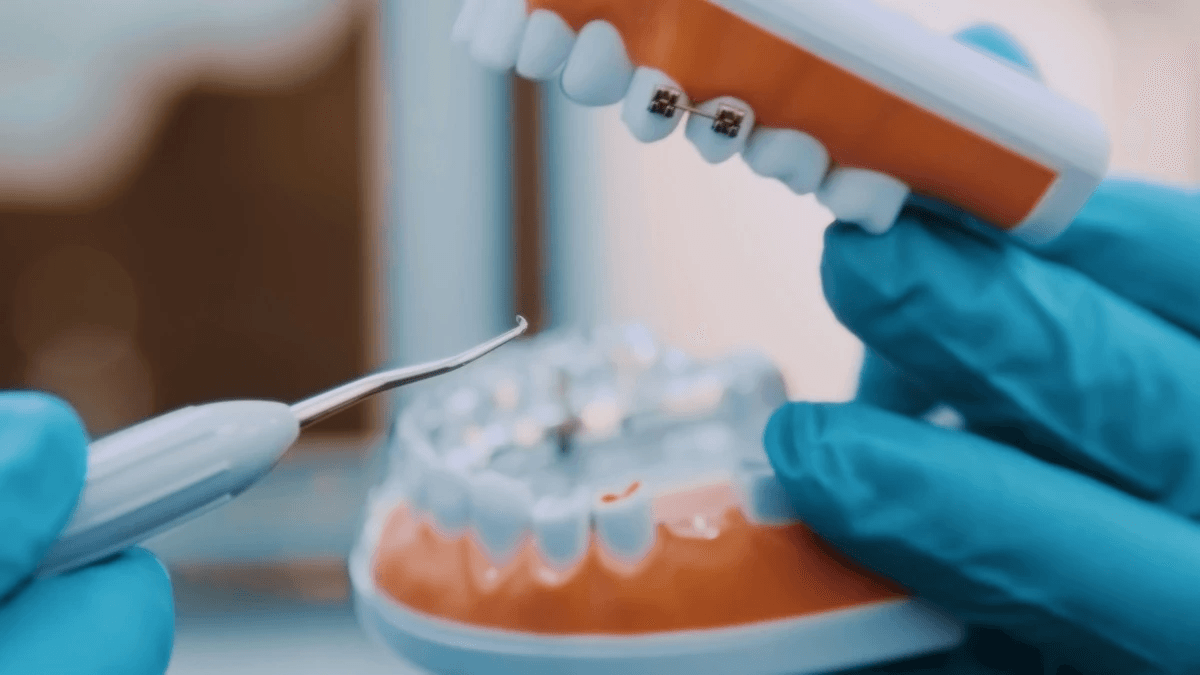
Nitinol, the wonder alloy that has revolutionized stent technology, is making waves in various other fields as well. Its unique properties not only enhance medical devices but also find applications in industries ranging from dentistry to aerospace. Let’s explore how nitinol manufacturing companies are expanding the horizons of this remarkable material beyond just stents.
Nitinol in Dental and Orthopedic Devices
In the realm of dental and orthopedic devices, nitinol’s superelasticity and shape memory make it a game changer. For instance, orthodontic wires made from nitinol provide flexible yet strong support for teeth alignment, adapting to the patient’s needs over time. Similarly, orthopedic implants crafted from nitinol exhibit durability and biocompatibility that surpass traditional materials like stainless steel, allowing for better integration with bone tissue.
Moreover, these devices benefit from enhanced stent deployment characteristics due to their ability to return to original shapes after deformation. This property ensures that dental braces maintain consistent pressure while being comfortable for patients. As more nitinol manufacturing companies innovate in this space, we can expect even more sophisticated solutions for dental and orthopedic challenges.
Aerospace Uses of Nitinol Alloys
The aerospace industry is another frontier where nitinol alloys are carving out a niche thanks to their lightweight yet durable characteristics. Components made from nitinol can withstand extreme temperatures and stress while maintaining structural integrity—an essential requirement in aviation applications. This makes them ideal candidates for actuators and fasteners where reliability is paramount.
Furthermore, the superelasticity of nitinol allows for innovative designs that can adapt under varying conditions without permanent deformation—a crucial feature when dealing with fluctuating pressures at high altitudes. As aerospace engineers increasingly recognize these advantages, partnerships with nitinol manufacturing companies are likely to flourish to develop specialized components tailored for specific aircraft needs.
Future Trends in Medical Device Design
Looking ahead, we see exciting trends shaping the future of medical device design involving nitinol alloys. With ongoing advancements in 3D printing technology combined with nitinol’s unique properties, custom-fit medical devices could soon become mainstream—think personalized stents or tailored orthopedic implants designed specifically for individual anatomies! This level of customization could significantly enhance patient outcomes while reducing recovery times.
Additionally, as regulatory hurdles continue to evolve around new materials and technologies, nimble nitinol manufacturing companies will play a critical role in pushing boundaries within healthcare innovation. The focus on durability and biocompatibility will also drive research into hybrid materials combining nitinol with other advanced composites—leading us into an era where medical devices are not just functional but also elegantly designed.
Challenges and Future Directions
The future of Nitinol in healthcare is both promising and fraught with challenges. While the material's unique properties such as superelasticity and shape memory make it an excellent candidate for various applications, the path to widespread adoption is not without obstacles. Understanding these challenges is crucial for both manufacturers and healthcare providers.
Manufacturing Challenges for Nitinol
Nitinol manufacturing companies face several hurdles in producing high-quality products that meet rigorous medical standards. The complexity of working with Nitinol, especially in processes like stent deployment, requires precise control over temperature and alloy composition to maintain its desirable properties. Moreover, the production of Nitinol tubing vs. stainless steel stents presents additional challenges; achieving the right balance of durability and biocompatibility can be a fine line to walk.
Additionally, scaling up production while maintaining quality can be a daunting task for many manufacturers. As demand increases, especially in specialized applications like cardiovascular devices, companies must invest in advanced technologies to ensure consistent outcomes. This need for innovation often translates into higher costs, which can impact pricing strategies across the market.
Regulatory Hurdles in Medical Device Approval
Regulatory approval remains one of the most significant barriers that Nitinol manufacturing companies encounter when introducing new devices into the market. The stringent requirements set by agencies such as the FDA necessitate extensive testing to demonstrate safety and efficacy before a product can be launched. This process can take years, delaying access to innovative solutions that leverage Nitinol’s unique characteristics.
Moreover, navigating this regulatory landscape becomes even more complicated when introducing novel applications beyond traditional uses like stents or orthopedic devices. Each new application may require different testing protocols or clinical trials tailored to specific patient populations or conditions, adding layers of complexity to an already lengthy approval timeline. Consequently, many companies are investing heavily in regulatory consulting services to streamline their pathways toward compliance.
The Future of Nitinol in Healthcare
Looking ahead, the future of Nitinol appears bright but will depend on overcoming existing challenges while capitalizing on its unique properties such as superelasticity and shape memory capabilities. As more healthcare providers recognize the advantages offered by Nitinol over traditional materials—like stainless steel—the demand for innovative products will likely continue to grow significantly. This trend could lead to increased collaboration between manufacturers and healthcare professionals aimed at developing next-generation devices that enhance patient outcomes.
Moreover, advancements in manufacturing techniques promise greater efficiency and cost-effectiveness without compromising durability or biocompatibility, two critical factors for successful medical devices today. With ongoing research into new applications across various fields—from dental implants to aerospace, Nitinol's versatility positions it well within future technological landscapes that prioritize patient safety and performance.
In summary, while there are notable obstacles facing nitinol manufacturing companies today—from production complexities to regulatory scrutiny, the potential benefits of this remarkable material ensure its relevance well into the future of healthcare innovation.
Conclusion
In the ever-evolving landscape of medical technology, Nitinol stands out as a revolutionary material that is reshaping the future of healthcare. Its unique properties, such as superelasticity and shape memory, provide significant advantages over traditional materials like stainless steel. As we look ahead, it’s clear that the role of Nitinol manufacturing companies will only grow more critical in driving innovation and improving patient outcomes.
The Growing Importance of Nitinol
Nitinol's significance in the medical field cannot be overstated; its applications range from stents to orthopedic devices, showcasing its versatility. Compared to stainless steel stents, Nitinol tubing offers superior flexibility and expandability during stent deployment, which can significantly enhance patient comfort and recovery times. Moreover, its durability and biocompatibility reduce the risk of rejection by the body, making it a preferred choice for medical device manufacturers.
How GEE SMA is Shaping the Future
GEE SMA has positioned itself at the forefront of Nitinol production by focusing on cutting-edge manufacturing techniques that ensure high-quality output for various applications. Their commitment to innovation allows them to explore new avenues for Nitinol use beyond traditional stents, including dental and orthopedic devices that benefit from its remarkable properties. As one of the leading nitinol manufacturing companies, GEE SMA is not just shaping products but also influencing industry standards and practices.
Why Nitinol is Here to Stay
With ongoing advancements in technology and materials science, it's evident that Nitinol will remain a staple in medical device design for years to come. Its unique combination of superelasticity and shape memory ensures that it meets the complex demands of modern healthcare solutions while maintaining durability and biocompatibility. As more nitinol manufacturing companies enter the market with innovative designs and applications, we can expect even greater enhancements in patient care driven by this remarkable alloy.