

Introduction

In the ever-evolving landscape of modern medicine, the integration of innovative materials has transformed surgical practices, particularly through the use of Nitinol medical applications. This remarkable alloy, known as NiTi Tubing, has paved the way for advancements in minimally invasive surgery. With its unique properties and versatility, Nitinol tubing is not just a trend; it's a game-changer for surgical instruments.
Understanding Nitinol Medical Applications
Nitinol medical applications have gained traction due to their exceptional flexibility and strength, making them ideal for various surgical tools like catheters and guidewires. The unique composition of NiTi Tubing allows it to adapt to complex anatomical structures while maintaining durability under stress. As healthcare continues to prioritize patient-centered care, understanding these applications becomes crucial for both practitioners and patients alike.
The Rise of Minimally Invasive Surgery
Minimally invasive surgery has surged in popularity over recent years, driven by advancements in technology and patient demand for quicker recovery times. Surgeons now utilize tools made from Niti Tubing for minimally invasive surgery instruments that facilitate precision without compromising safety. This approach not only reduces scarring but also enhances overall surgical outcomes, making it a preferred choice among healthcare providers.
Why Nitinol Tubing is Game-Changing
Nitinol tubing stands out in the realm of surgical innovation due to its shape memory effect and biocompatibility, which are vital for devices like stents and endoscopic tools. These properties allow surgeons to navigate intricate pathways with ease while ensuring that the devices perform reliably within the body. As robotic surgery applications continue to expand, Nitinol medical technology is poised to play an integral role in shaping the future of surgical techniques.
What is Nitinol?

Nitinol, a remarkable alloy of nickel and titanium, has garnered significant attention in the medical field due to its unique properties and versatility. This shape memory alloy exhibits characteristics that make it particularly suitable for various applications, especially in minimally invasive surgery. With advancements in nitinol tubing, this material is revolutionizing instruments like catheters, guidewires, stents, and even robotic surgery applications.
Unique Properties of Nitinol
Nitinol's standout feature is its shape memory effect, allowing it to return to a predetermined shape when heated above a certain temperature. This property is particularly beneficial for nitinol medical devices as it enables them to navigate complex anatomical pathways with ease. Additionally, nitinol exhibits superelasticity; it can undergo significant deformation without permanent change, making it ideal for dynamic surgical environments.
Another unique aspect of nitinol is its biocompatibility; the material is well-tolerated by the human body and reduces the risk of adverse reactions during medical procedures. This characteristic enhances patient safety and comfort while minimizing recovery time after surgeries involving nitinol-based instruments like NiTi tubing. Furthermore, these properties allow for innovative designs that can adapt to different surgical needs without compromising performance.
Composition and Structure
The composition of Nitinol typically consists of approximately 50-60% nickel and 40-50% titanium by weight, creating an alloy that boasts both strength and flexibility. The specific ratios can be adjusted to fine-tune the material's properties for particular applications in nitinol medical devices such as stents or guidewires used in minimally invasive surgery instruments. The crystalline structure formed during processing plays a crucial role in determining how effectively the alloy performs under stress.
Moreover, Nitinol’s microstructure can be altered through heat treatment processes that enhance its mechanical properties further—making it an excellent candidate for advancements in nitinol tubing technology. This adaptability ensures that devices made from Niti tubing maintain their integrity even under challenging conditions often encountered during surgical procedures. As a result, surgeons are equipped with tools that are not only efficient but also reliable.
Applications Beyond Medical Use
While nitinol medical applications have taken center stage due to their life-saving potential in surgeries involving catheters and guidewires or stents used within arteries, this versatile material has found uses beyond healthcare as well. Industries such as aerospace have embraced nitinol’s lightweight yet durable nature for components that require flexibility combined with strength—think actuators or couplings used in advanced robotics systems!
In addition to aerospace applications, nitinol has also made waves in consumer products like eyeglass frames which utilize its shape memory effect for durability and comfort—no more worrying about bent frames! These diverse applications highlight how advancements in nitinol tubing extend far beyond just surgical instruments; they represent innovation across various fields where reliability matters most.
The Role of Nitinol Medical in Surgery

Nitinol medical technology has transformed the landscape of surgical procedures, offering innovative solutions that enhance precision and efficiency. With its unique properties, NiTi tubing is increasingly becoming a staple in minimally invasive surgery instruments, providing surgeons with tools that are both reliable and effective. The advancements in nitinol tubing have led to significant improvements in various surgical applications, including catheters, guidewires, stents, and endoscopic tools.
Enhancing Precision in Surgical Procedures
Nitinol medical devices are designed to enhance precision in surgical procedures by leveraging the material's flexibility and shape memory effect. This means that NiTi tubing can adapt to complex anatomical structures without compromising its strength or integrity. Surgeons can now perform intricate maneuvers with greater accuracy using catheters and guidewires made from nitinol, which ultimately leads to better-targeted interventions.
Moreover, the use of nitinol medical devices reduces the need for larger incisions during surgeries. This is particularly beneficial for robotic surgery applications where precision is paramount; every millimeter counts! By utilizing Niti tubing for minimally invasive surgery instruments, surgeons can navigate through tight spaces more effectively while minimizing trauma to surrounding tissues.
Minimizing Patient Recovery Time
One of the most significant advantages of incorporating nitinol medical technology into surgical practices is its ability to minimize patient recovery time. Thanks to the reduced invasiveness associated with procedures using NiTi tubing, patients often experience less pain and fewer complications post-surgery. This means shorter hospital stays and quicker returns to daily activities—something everyone appreciates!
Additionally, because nitinol devices like stents and endoscopic tools are designed for optimal performance within the human body, they promote faster healing processes. Patients benefit from less scarring due to smaller incisions while enjoying improved functionality as these advanced materials integrate seamlessly with biological tissues. It’s a win-win situation for both patients and healthcare providers alike!
Improving Surgical Outcomes
The integration of nitinol medical technology into modern surgical practices has been shown to improve overall surgical outcomes significantly. With advancements in nitinol tubing allowing for more efficient delivery systems—such as catheters and guidewires—surgeons can achieve higher success rates during complex procedures. This increased reliability translates into better long-term health prospects for patients.
Furthermore, when used in conjunction with robotic surgery applications or other innovative techniques like endoscopy or stenting procedures involving Niti tubing, surgeons can achieve remarkable precision that was previously unattainable with traditional methods alone. As a result of these enhanced capabilities provided by nitinol medical solutions, healthcare professionals are witnessing improved patient satisfaction rates alongside positive clinical results.
In conclusion, the role of nitinol medical technology in surgery cannot be overstated; it enhances precision during operations while minimizing recovery times and improving overall outcomes—truly a game-changer!
Advantages of Nitinol Tubing

Nitinol tubing has revolutionized the landscape of minimally invasive surgery, offering a unique blend of properties that enhance surgical procedures. Its exceptional flexibility and strength make it an ideal choice for various medical applications, particularly in catheters and guidewires. The advancements in nitinol tubing have not only improved patient outcomes but also paved the way for innovative tools used in robotic surgery applications.
Flexibility and Strength Combined
One of the standout features of nitinol medical applications is the remarkable combination of flexibility and strength inherent to NiTi tubing. This duality allows for intricate designs that can navigate through complex anatomical pathways without compromising structural integrity. Surgeons appreciate how this flexibility aids in maneuverability during procedures, especially when utilizing stents and endoscopic tools that require precise positioning within the body.
Moreover, this robust yet pliable nature significantly reduces the risk of damage to surrounding tissues during insertion or manipulation, enhancing overall patient safety. The ability to withstand bending and twisting without breaking makes nitinol tubing a reliable choice for various instruments used in minimally invasive surgeries. As a result, patients benefit from shorter recovery times and less postoperative discomfort due to reduced trauma.
Shape Memory Effect Explained
The shape memory effect is one of the most fascinating characteristics of nitinol tubing that sets it apart from other materials used in medical devices. This property allows NiTi tubing to return to its original shape after being deformed when exposed to specific temperatures, making it particularly useful in dynamic surgical environments. For instance, this effect is crucial for catheters and guidewires that need to adapt their form while navigating through tight spaces before returning to their intended configuration once positioned correctly.
In practical terms, this means that surgeons can deploy devices with greater confidence knowing they will perform as designed even under challenging conditions. The shape memory effect also contributes significantly to minimizing complications associated with device deployment during procedures such as robotic surgeries or stent placements. This innovative feature enhances surgical precision while ensuring optimal performance across a range of applications.
Biocompatibility and Safety
When it comes to medical devices, biocompatibility is non-negotiable—and nitinol excels in this area as well. Nitinol's composition makes it highly compatible with human tissue, significantly reducing the risk of adverse reactions when used in various surgical instruments like stents or endoscopic tools. This safety factor plays a crucial role in enhancing patient trust as well as clinical outcomes following minimally invasive procedures.
Furthermore, advancements in nitinol tubing technology have led manufacturers like GEE SMA to prioritize quality craftsmanship while ensuring stringent safety standards are met throughout production processes. As healthcare professionals increasingly rely on these advanced materials for catheters and guidewires, they can be confident that their patients are receiving safe treatments backed by cutting-edge technology tailored for success in robotic surgery applications as well.
GEE SMA: The Nitinol Expert
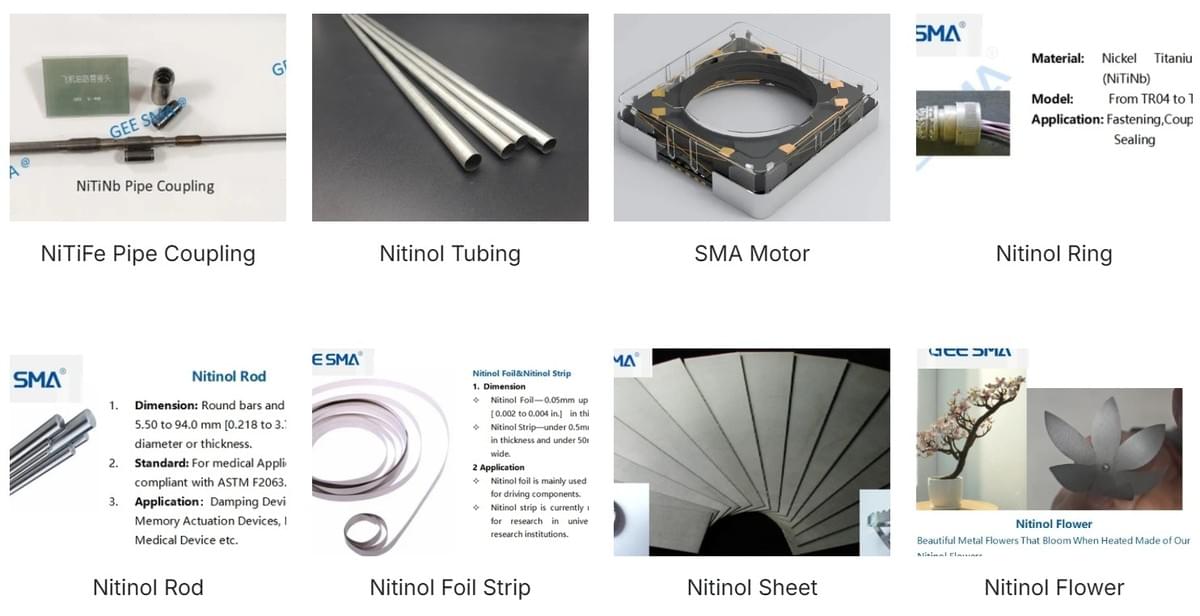
When it comes to Nitinol medical applications, GEE SMA stands out as a leader in the industry. Their dedication to quality craftsmanship ensures that every piece of NiTi tubing meets rigorous standards, making them a trusted name for manufacturers of minimally invasive surgery instruments. With a focus on precision and reliability, GEE SMA is paving the way for advancements in Nitinol tubing that are transforming surgical practices.
Commitment to Quality Craftsmanship
GEE SMA is renowned for its unwavering commitment to quality craftsmanship in the production of Nitinol medical devices. By utilizing state-of-the-art manufacturing processes and stringent quality control measures, they ensure that their NiTi tubing is not only durable but also highly functional for various surgical applications. This dedication has made their products a go-to choice for catheters and guidewires, where reliability is paramount.
The attention to detail in every stage of production reflects GEE SMA's philosophy: quality over quantity. They understand that in the world of minimally invasive surgery instruments, even the slightest imperfection can lead to significant complications during procedures. Thus, their meticulous approach has solidified their reputation as a trusted partner in healthcare innovation.
Innovations in Nitinol Tubing
Innovation is at the heart of GEE SMA’s mission, especially when it comes to advancements in Nitinol tubing technology. Their research and development teams are continuously exploring new ways to enhance the performance characteristics of NiTi tubing, ensuring it meets evolving medical needs. From improved flexibility to enhanced strength, these innovations contribute significantly to better surgical outcomes.
Moreover, GEE SMA has been instrumental in developing specialized NiTi tubing designed specifically for stents and endoscopic tools used in complex procedures. This tailored approach allows surgeons greater control and precision during operations while minimizing patient recovery time—a crucial factor that greatly influences overall satisfaction with surgical experiences. The company's commitment to pushing boundaries further establishes its position as an expert in this specialized field.
Contributions to Space and Medical Fields
While GEE SMA excels within the realm of nitinol medical applications, their expertise extends beyond healthcare into exciting territories such as aerospace engineering. The unique properties of NiTi tubing lend themselves well to innovative solutions required by space missions—where reliability under extreme conditions is non-negotiable. This cross-industry collaboration enriches both fields by fostering advancements that benefit diverse applications.
In addition to aerospace contributions, GEE SMA's innovations have also found their way into robotic surgery applications—where precision instruments are paramount for success rates and patient safety during minimally invasive procedures. By leveraging cutting-edge technologies alongside traditional practices within medicine and engineering alike, they continue shaping the future landscape across multiple sectors effectively.
As we look ahead at what’s next on this journey through nitinol medical advancements led by pioneers like GEE SMA—the possibilities seem endless!
Future Trends in Nitinol Medical Technology
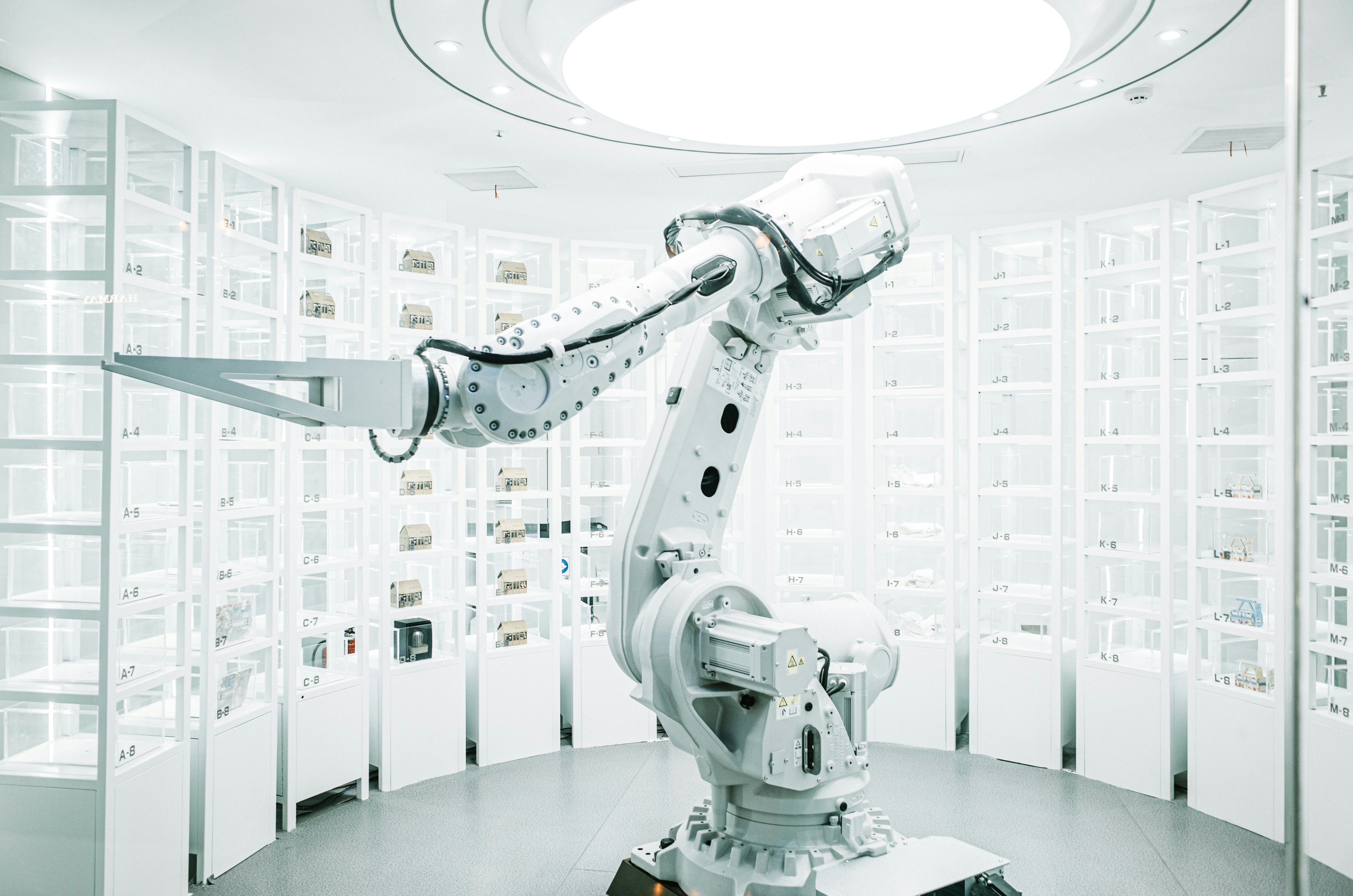
The future of nitinol medical technology is poised for exciting advancements, especially as the demand for innovative healthcare solutions continues to rise. With its unique properties, nitinol is becoming a staple in various applications, enhancing the capabilities of medical devices and surgical instruments. As we look ahead, we can expect to see nitinol playing a pivotal role in emerging healthcare applications that push the boundaries of what's possible.
Emerging Applications in Healthcare
Nitinol's versatility is paving the way for new applications within the healthcare sector, particularly with NiTi tubing used in minimally invasive surgery instruments. From advanced catheters and guidewires to sophisticated stents and endoscopic tools, nitinol is transforming how procedures are performed. As research continues to unveil its potential, we may soon witness even more groundbreaking uses for this remarkable material.
One area that stands out is the development of specialized catheters designed for intricate procedures that require precision and flexibility. These advancements in nitinol tubing are not only enhancing performance but also improving patient outcomes by reducing recovery times and minimizing complications. The trend toward utilizing nitinol medical technology is clear: it’s not just about innovation; it’s about making surgical interventions safer and more efficient.
Impact on Surgical Techniques
The integration of nitinol into surgical techniques has already begun to revolutionize how surgeons approach complex procedures. With Niti tubing designed specifically for minimally invasive surgery instruments, surgeons can now perform delicate operations with enhanced precision and control. This evolution not only streamlines surgical processes but also significantly reduces trauma to patients.
Moreover, robotic surgery applications are benefitting immensely from nitinol's unique properties like shape memory effect and flexibility. These characteristics allow robotic systems equipped with nitinol components to maneuver through tight spaces with ease while maintaining strength under pressure. As these technologies evolve further, we can anticipate even greater improvements in surgical outcomes thanks to enhanced instrumentation.
Nitinol in Combination with Other Materials
As we explore future trends, one fascinating aspect is the combination of nitinol with other materials to create hybrid solutions that capitalize on their respective strengths. For instance, integrating nitinol medical components into devices made from polymers or metals could lead to innovations that enhance biocompatibility while retaining necessary mechanical properties for specific applications like stents or guidewires.
These collaborations will likely result in products that offer improved performance metrics such as reduced friction during insertion or optimized drug delivery mechanisms within catheters and guidewires. By leveraging advancements in Niti tubing alongside other materials' benefits, manufacturers can create next-generation devices tailored for specific surgical needs while ensuring patient safety remains paramount.
As we continue pushing boundaries through innovation, one thing remains certain: the future of nitinol medical technology holds immense promise as it shapes tomorrow's healthcare landscape.
Conclusion
In the world of surgery, Nitinol has emerged as a transformative force, reshaping how procedures are performed and enhancing patient outcomes. The unique properties of NiTi Tubing allow for greater flexibility and precision in various surgical applications, particularly in minimally invasive surgery. As we continue to explore the potential of Nitinol medical technologies, we find ourselves on the brink of a new era in healthcare.
The Impact of Nitinol on Surgery
Nitinol's influence on surgical practices cannot be overstated; it has revolutionized instruments such as catheters and guidewires, making complex procedures safer and more efficient. With its remarkable shape memory effect, Nitinol adapts perfectly to the human anatomy during surgeries, leading to improved accuracy and reduced complications. Furthermore, advancements in Nitinol Tubing have paved the way for innovative tools like stents and endoscopic devices that enhance patient care.
Nitinol Tubing as a Surgical Essential
The significance of NiTi Tubing in modern surgical instruments is hard to ignore; it has become a staple for many minimally invasive procedures. Surgeons now rely on this advanced material for its strength combined with unparalleled flexibility, allowing them to navigate intricate pathways within the body with ease. As more medical professionals recognize the benefits of using Niti Tubing for Minimally Invasive Surgery Instruments, its essential role in improving surgical efficacy continues to grow.
Embracing Innovations for Better Healthcare
As we look toward the future, embracing innovations like robotic surgery applications will further enhance how we utilize nitinol medical technologies in healthcare settings. The integration of Nitinol into various medical fields not only streamlines processes but also fosters better patient experiences through quicker recovery times and fewer complications. By continuing to invest in advancements related to Nitinol Tubing, we can ensure that healthcare remains at the forefront of technological progress.