

Introduction

In the ever-evolving landscape of material science, Nitinol has emerged as a game-changer, particularly in R&D applications. This unique alloy, known for its shape memory and superelastic properties, offers unparalleled advantages for various industries including medical devices and robotics. Understanding the importance of Nitinol is essential for innovators looking to harness its capabilities in their projects.
Understanding the Importance of Nitinol
Nitinol's significance lies in its remarkable characteristics that allow it to return to a predetermined shape when heated. This property makes it indispensable for prototyping, especially in fields requiring precision and reliability. For researchers and developers, incorporating Small Batch Nitinol Tubing into their designs can accelerate innovation while minimizing waste.
The Role of Small Batch Tubing in Prototyping
Small batch tubing plays a crucial role in prototyping by allowing designers to test concepts without committing to large-scale production runs. This flexibility is particularly beneficial when exploring new applications for Nitinol, enabling rapid iterations and adjustments based on testing outcomes. As such, utilizing small batch Nitinol tubing can streamline the development process and enhance overall project efficiency.
Key Challenges in Sourcing Nitinol
Despite its advantages, sourcing Nitinol presents several challenges that can complicate the prototyping journey. Factors such as limited availability, varying quality standards among suppliers, and fluctuating costs can hinder progress for R&D teams. Addressing these key challenges is vital for ensuring that projects utilizing machining nitinol are successful from inception to completion.
Overview of Nitinol Properties

Nitinol, a nickel-titanium alloy, is renowned for its unique properties that set it apart from other materials. Its ability to undergo phase transformations allows it to return to a predetermined shape after deformation, making it a material of choice in various applications. This section delves into the unique characteristics of Nitinol, its benefits for R&D applications, and why it's an excellent option for prototyping.
Unique Characteristics of Nitinol
One of the standout features of Nitinol is its shape memory effect, which enables it to revert to a specific shape when heated above a certain temperature. Additionally, Nitinol exhibits superelasticity, allowing it to withstand significant deformations without permanent changes in structure. These characteristics make machining nitinol both intriguing and challenging; understanding these properties is crucial when working with Small Batch Nitinol Tubing for R&D.
The combination of strength and flexibility in Nitinol means that prototypes can be designed with intricate geometries that would be impossible with traditional metals. Moreover, its corrosion resistance adds another layer of appeal, particularly in medical devices where biocompatibility is essential. When considering materials for innovative designs or experiments, the unique characteristics of Nitinol often lead engineers and researchers down the path less traveled.
Benefits for R&D Applications
Nitinol's exceptional properties make it an invaluable asset in research and development (R&D) applications across various industries. Its ability to perform reliably under fluctuating temperatures means that prototypes can be tested in real-world conditions without compromising performance. Furthermore, the lightweight nature of Small Batch Nitinol Tubing makes it ideal for projects where weight reduction is critical.
In medical fields specifically, the biocompatibility of Nitinol opens doors for groundbreaking solutions such as stents and guidewires that adapt within the human body seamlessly. The versatility offered by this material allows researchers to explore new design possibilities while minimizing risks associated with failure during testing phases. Consequently, incorporating machining nitinol into your R&D toolkit can significantly enhance your innovation potential.
Additionally, sourcing Small Batch Nitinol Tubing facilitates rapid prototyping cycles—an essential aspect when time-to-market is crucial. Researchers benefit from having access to tailored specifications without committing to large-scale production runs upfront. This flexibility not only fosters creativity but also accelerates development timelines considerably.
Why Nitinol for Prototyping
When considering materials specifically for prototyping purposes, one might wonder: Why choose Nitinol? The answer lies primarily in its adaptability and performance attributes that cater perfectly to experimental designs requiring precision and reliability. Machining nitinol allows engineers to create prototypes that not only meet design specifications but also simulate real-world conditions effectively.
Moreover, using Small Batch Nitinol Tubing helps mitigate risks associated with larger production runs—if something goes awry during testing or if modifications are needed mid-project; adjustments can be made quickly without incurring hefty costs or delays typical with traditional manufacturing processes. This agility contributes significantly towards successful prototyping endeavors across diverse sectors including aerospace and biomedical engineering.
Lastly, choosing Nitinol as a prototyping material positions developers at the forefront of innovation by leveraging advanced material science principles while addressing complex design challenges head-on! As industries continue evolving toward more sophisticated technologies requiring robust yet flexible solutions—Nitinol stands out as an unparalleled contender worth serious consideration.
Identifying Reliable Suppliers

When it comes to sourcing small batch nitinol tubing for R&D applications, identifying reliable suppliers is crucial. The right supplier can make or break your prototyping efforts, ensuring you have high-quality materials that meet your specific needs. With the growing demand for nitinol in various industries, a careful evaluation of potential suppliers is essential to ensure they can deliver on their promises.
Evaluating Supplier Capabilities
Evaluating supplier capabilities involves a comprehensive assessment of their production processes and technical expertise in machining nitinol. Look for suppliers with a proven track record in handling nitinol and who understand its unique properties, which can significantly impact the success of your R&D applications. Additionally, consider their ability to provide small batch nitinol tubing tailored to your specifications; flexibility in production often indicates a deeper understanding of customer needs.
Another key factor is the supplier's investment in technology and equipment for machining nitinol effectively. Advanced machinery can enhance precision and reduce waste during production, which is particularly important when working with this specialized material. Always ask potential suppliers about their experience with custom orders—this will give you insight into how well they can support your prototyping endeavors.
Importance of Certification and Quality Standards
Certification and quality standards play an integral role in ensuring that the small batch nitinol tubing you receive meets industry requirements and safety regulations. Suppliers should ideally hold certifications such as ISO 9001 or AS9100, which demonstrate their commitment to quality management systems that govern manufacturing processes. This focus on quality not only ensures reliability but also enhances the overall performance of products used in R&D applications.
Moreover, many industries have stringent guidelines regarding material specifications; thus, partnering with certified suppliers helps mitigate risks associated with non-compliance or inferior materials during machining nitinol operations. Regular audits by third-party organizations further validate a supplier's adherence to these standards, providing additional peace of mind when sourcing materials for prototyping projects.
Spotlight on GEE SMA as a Leading Provider
GEE SMA stands out as a leading provider of small batch nitinol tubing specifically designed for R&D applications due to its unwavering commitment to quality and customer satisfaction. They offer an extensive range of customization options tailored to fit various prototyping needs while maintaining rigorous quality control measures throughout the production process—perfect for those who prioritize precision during machining nitinol tasks.
Their team boasts extensive expertise in both the technical aspects of working with nitinol and understanding client requirements, making them an invaluable partner in any development project involving this innovative material. By choosing GEE SMA as your supplier, you gain access not only to high-quality products but also expert guidance throughout the entire process—from initial design considerations through final delivery.
Machining Nitinol: Best Practices

Machining nitinol can be a game-changer for R&D applications, but it requires a nuanced approach to harness its unique properties effectively. This section outlines the best practices in machining nitinol, ensuring that your small batch nitinol tubing for R&D is both efficient and precise. Understanding the intricacies involved will help you avoid common pitfalls and maximize the benefits of using this remarkable alloy.
Techniques for Effective Machining
When it comes to machining nitinol, understanding its unique thermal and mechanical properties is crucial. One effective technique is to maintain a lower cutting speed, which helps prevent work hardening—a common issue with this material. Additionally, using continuous cutting rather than interrupted cuts can significantly improve surface finish and prolong tool life, making your small batch nitinol tubing for R&D applications more reliable.
Another essential technique involves proper cooling during machining operations. Utilizing flood coolant or high-pressure mist can dissipate heat effectively, reducing the risk of thermal distortion and ensuring dimensional accuracy in your components. Lastly, consider employing specialized cutting tools designed specifically for machining nitinol; these tools are often made from carbide or coated materials that withstand the challenges posed by this alloy.
Tools and Equipment Recommendations
Selecting the right tools is vital when machining nitinol to achieve optimal results. Carbide end mills and drills are generally preferred due to their hardness and resistance to wear; they perform well even under challenging conditions associated with machining nitinol. Additionally, high-speed steel (HSS) tools can be used but may require more frequent replacements due to their susceptibility to work hardening.
For equipment, CNC machines equipped with precise control systems are ideal for achieving the tight tolerances often required in prototyping applications involving small batch nitinol tubing for R&D projects. Furthermore, investing in tool holders that minimize vibration will enhance stability during machining operations—leading to improved surface finishes and reduced cycle times.
Lastly, don’t overlook measuring instruments; having accurate gauges will ensure that any machined parts meet stringent specifications necessary for successful prototyping using nitinol.
Common Mistakes to Avoid
While there’s much potential in machining nitinol, several common mistakes can derail your efforts if you're not careful. One prevalent error is neglecting proper tool selection; using standard tools instead of those specifically designed for machinable alloys like nitinol can lead to premature wear or catastrophic failure during operations—definitely not what you want when working on small batch nitinol tubing for R&D applications!
Another mistake lies in overlooking the importance of chip removal during machining processes; failing to manage chips properly can cause re-cutting of chips on finished surfaces or even tool damage due to buildup around cutting edges. Regularly clearing chips away ensures smoother operation and better overall results while also enhancing safety by reducing potential hazards associated with chip accumulation.
Finally, many machinists underestimate the significance of testing initial setups before full production runs begin; always conduct trial cuts first! This practice allows you to fine-tune parameters such as feed rates and spindle speeds specific to your project requirements—ensuring a smoother path toward successful prototyping with why Nitinol for prototyping becomes apparent through flawless execution.
Cost Considerations in Small Batch Sourcing

When it comes to small batch sourcing of Nitinol tubing, understanding the financial landscape is crucial. Budgeting for Nitinol tubing involves not only the material costs but also the expenses related to machining Nitinol and any additional processing required for R&D applications. As prototyping demands can vary significantly, it’s essential to have a clear budget that accommodates both expected and unexpected costs.
Budgeting for Nitinol Tubing
Creating a budget for small batch Nitinol tubing starts with an accurate assessment of your project's needs. Consider factors such as the specifications of the tubing, the complexity of machining Nitinol, and potential wastage during production. By estimating these costs upfront, you can allocate resources more effectively and avoid unpleasant surprises down the line.
In addition to direct material costs, factor in expenses related to supplier selection and quality assurance processes. If you're working with a reputable supplier like GEE SMA, their expertise can help streamline your budgeting by providing clear pricing structures that reflect current market trends. This proactive approach not only keeps your project on track but also ensures you can focus on what really matters—innovating within your R&D applications.
Factors Influencing Cost
Several key factors influence the cost of small batch Nitinol tubing that every prototyping team should consider. First off is the raw material pricing; fluctuations in demand or supply issues can lead to significant changes in cost per unit. Additionally, machining nitinol requires specialized tools and techniques, which may incur extra charges depending on complexity and precision requirements.
Another factor is customization—tailoring specifications can enhance performance but often comes at a premium price point. The level of quality assurance required also plays a role; rigorous testing protocols ensure reliability but add to overall expenses as well. By understanding these variables, teams can make informed decisions that align with their budgets while still achieving high-quality prototypes.
Cost-Benefit Analysis of Sourcing Small Batches
Conducting a cost-benefit analysis when sourcing small batches of Nitinol tubing reveals valuable insights into whether this approach suits your project needs. On one hand, while sourcing small quantities may seem pricier per unit compared to bulk orders, it allows for greater flexibility in design iterations crucial for R&D applications. This flexibility often outweighs higher initial costs when considering time-to-market advantages.
Moreover, investing in high-quality materials like Nitinol ensures better performance outcomes in prototypes—ultimately leading to more successful product development cycles down the road. When evaluating whether small batch sourcing is worth it for your team’s objectives or if you should pursue larger orders instead, weigh these benefits against potential risks associated with lower-quality alternatives that could jeopardize project integrity.
In conclusion, while budgeting for small batch nitinol tubing involves navigating various factors influencing cost—from raw materials to machining processes—the benefits gained from specialized suppliers like GEE SMA ultimately justify this investment in innovation-driven prototyping efforts.
Customization Options for Prototyping
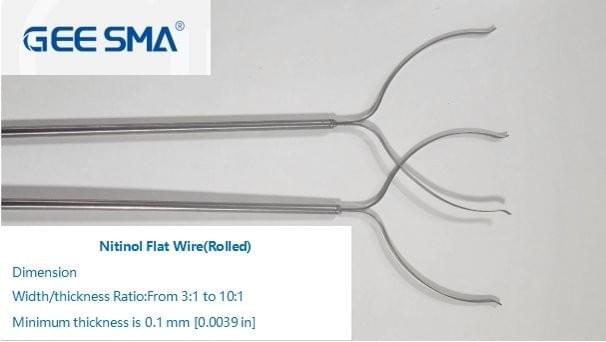
Small batch nitinol tubing allows researchers and developers to tailor their setups according to specific project requirements without being locked into large-scale orders. This flexibility not only enhances innovation but also accelerates the prototyping process, making it easier to test and iterate designs.
Tailoring Tubing Specifications
These include diameter, wall thickness, and heat treatment processes that can affect the material's unique properties. By customizing these specifications, you can ensure that your machined nitinol components meet precise performance criteria for your R&D applications.
Moreover, adjusting the mechanical properties of nitinol through customization can lead to improved functionality in prototypes. For instance, varying the alloy composition or altering the manufacturing conditions can yield different shape memory effects or superelastic behaviors. This level of customization is crucial in ensuring that every aspect of your design aligns with its intended application.
Working with GEE SMA for Custom Solutions
Partnering with a reliable supplier like GEE SMA can significantly enhance your customization journey when working with small batch nitinol tubing for R&D purposes. GEE SMA specializes in providing tailored solutions that cater specifically to your project's needs—whether it's adjusting dimensions or offering specialized treatments post-machining nitinol. Their expertise ensures you receive high-quality products designed precisely for your innovative projects.
GEE SMA also offers a collaborative approach where engineers work closely with clients throughout the design process. This partnership fosters an environment where ideas flow freely and adjustments can be made on-the-fly based on testing outcomes or evolving project demands. Such flexibility not only saves time but also reduces costs associated with reworking designs later in development phases.
Real-Life Examples of Successful Customization
Real-life examples highlight how successful customization has transformed projects involving small batch nitinol tubing in R&D applications across various industries. For instance, a medical device company was able to optimize their prototype stents by working closely with GEE SMA; they customized wall thicknesses and surface finishes that enhanced biocompatibility while maintaining structural integrity during deployment.
Another example comes from aerospace engineering where a team needed specific shape memory characteristics from their machined nitinol components for adaptive wing structures. By collaborating directly with GEE SMA for tailored solutions, they achieved unprecedented performance metrics in wind tunnel tests—showcasing how critical customization is in pushing boundaries within R&D applications.
These examples demonstrate not just success but also emphasize why nitinol is becoming increasingly popular for prototyping: its unique properties combined with effective customization lead to innovative solutions that stand out in competitive markets.
Conclusion
In the ever-evolving landscape of materials science, small batch sourcing has emerged as a game-changer, particularly in the niche of Nitinol applications. By opting for small batch Nitinol tubing for R&D, innovators can swiftly test and iterate their designs without the burden of large inventories or excessive costs. This approach not only enhances flexibility but also accelerates the prototyping process, allowing teams to focus on refining their ideas.
Advantages of Small Batch Sourcing
Small batch sourcing offers a myriad of advantages that cater specifically to research and development needs. For one, it allows for tailored orders that align closely with project demands—whether it's specific dimensions or unique properties needed for machining nitinol components. Furthermore, this method minimizes waste and reduces financial risk; you only pay for what you need when you need it.
Additionally, small batch Nitinol tubing enables rapid prototyping cycles which are crucial in R&D applications where time is often of the essence. Companies can quickly pivot based on testing results without being tied down by excess material or outdated designs. This agility fosters innovation and encourages experimentation, key elements in today's competitive landscape.
Ensuring Quality and Reliability in Nitinol
Quality assurance is paramount when working with specialized materials like Nitinol, especially during machining nitinol processes where precision is critical. Sourcing from reputable suppliers who adhere to stringent quality standards ensures that the material will perform as expected under various conditions encountered during R&D applications. Certifications such as ISO 9001 can serve as indicators of a supplier's commitment to quality.
Furthermore, maintaining close communication with suppliers can lead to better understanding and reliability regarding material properties—essential when considering why Nitinol for prototyping is often favored over other materials. Regular audits and checks can help identify potential issues before they escalate into costly mistakes down the line. Ultimately, investing time in ensuring quality pays dividends through successful prototypes that meet design specifications.
Future Trends in Nitinol Tubing for Prototyping
Looking ahead, several trends are poised to shape the future of Nitinol tubing within prototyping contexts. Advances in machining nitinol technologies promise greater efficiency and precision than ever before—making it easier for engineers to create complex geometries that were previously difficult or impossible to achieve with traditional methods. This evolution could open up new avenues in sectors ranging from medical devices to robotics.
Moreover, customization options are likely to expand significantly as demand grows for specialized applications within R&D environments; expect more suppliers like GEE SMA stepping up with bespoke solutions tailored specifically for niche projects involving small batch Nitinol tubing for R&D efforts. The integration of smart manufacturing techniques may also streamline processes further while enhancing product reliability.
In conclusion, embracing small batch sourcing strategies not only aligns with modern prototyping demands but also paves the way for innovative breakthroughs using this remarkable alloy known as Nitinol.