

Introduction
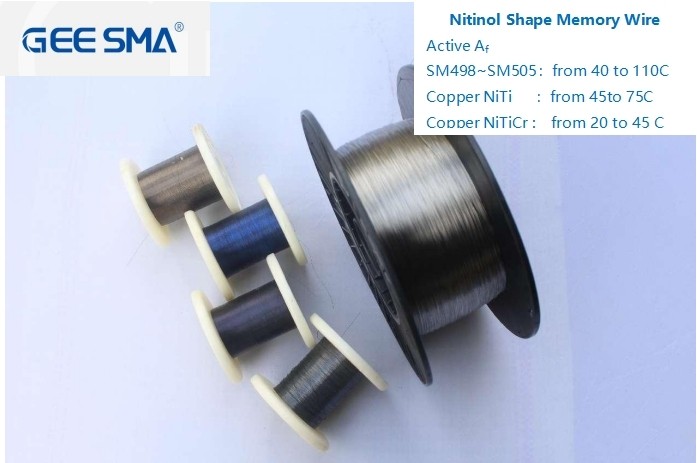
In a world where technology continually pushes the boundaries of what's possible, shape memory alloys (SMAs) stand out as one of the most fascinating innovations. These remarkable materials, particularly nickel titanium (NiTi), can remember their original shape and return to it after deformation when exposed to heat. This unique property not only captures the imagination but also opens up a plethora of applications across various fields, from medicine to aerospace.
Understanding Shape Memory Alloys
Shape memory alloys are specialized metal alloys that exhibit the ability to undergo significant deformation and then revert back to their pre-deformed shape upon heating or cooling. The most commonly known type is nickel titanium, often referred to as Nitinol, which combines excellent elasticity with biocompatibility—making it an ideal choice for medical applications. The science behind these memory metals lies in their unique crystalline structure, which allows them to remember their original form and respond dynamically to changes in temperature.
The Magic of Memory Metals
The magic of memory metals is not just in their ability to return to a specific shape; it's also about how this property can be harnessed for innovative solutions in real-world scenarios. For instance, when used in medical devices like stents or catheters, these shape memory materials can adapt seamlessly within the human body, improving patient outcomes significantly. This enchanting capability transforms ordinary objects into smart tools that react intelligently—blurring the lines between traditional materials and advanced technology.
Why Shape Memory Matters Today
Shape memory matters today more than ever due to its potential impact on numerous industries and everyday life products. As we strive for smarter technologies that enhance efficiency and functionality, SMA alloys provide a versatile solution that meets these demands head-on. From revolutionizing healthcare with minimally invasive devices to enhancing robotics and automating processes, the future looks bright for these remarkable memory metal alloys.
Medical Devices
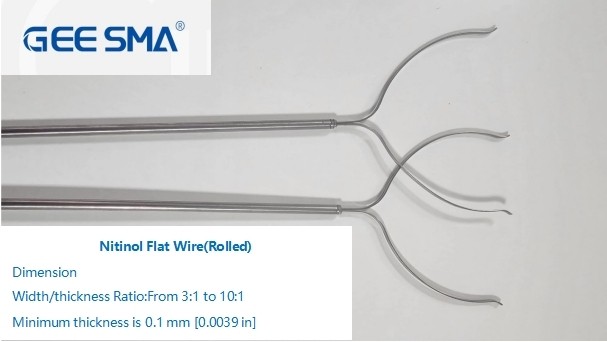
The integration of shape memory alloys (SMAs) into medical devices has ushered in a new era of healthcare innovation. Among these remarkable materials, nickel titanium stands out for its unique properties, allowing it to remember its original shape after deformation. This characteristic not only enhances the functionality of medical tools but also significantly improves patient outcomes across various applications.
Nitinol Stents Revolutionizing Healthcare
Nitinol stents are a prime example of how memory metals can revolutionize healthcare practices. These stents, made from nickel titanium, expand to their predetermined shapes upon reaching body temperature, making them incredibly effective for treating vascular diseases. The flexibility and strength of the shape memory alloy allow for minimally invasive procedures, reducing recovery times and enhancing patient comfort.
Moreover, the use of nitinol in stents minimizes complications associated with traditional metal stents, such as restenosis or blockage. With their ability to adapt to the body's natural movements, these memory metal devices provide long-lasting support without compromising blood flow. As research continues to advance in this field, we can expect even more innovative applications for shape memory materials in cardiovascular health.
Shape Memory Alloys in Orthopedic Surgery
In orthopedic surgery, shape memory alloys have become invaluable tools that enhance surgical precision and patient recovery. SMA alloys are used in various implants and fixation devices due to their unique property of expanding or contracting based on temperature changes within the body. This adaptability allows surgeons to design implants that can conform perfectly to a patient's anatomy during surgery.
For instance, when inserted into a cold environment (like inside the human body), these memory metal implants can be compressed and then expand once they reach body temperature—securing themselves firmly in place without additional mechanical fasteners. This feature not only simplifies surgical procedures but also promotes faster healing by reducing tissue trauma associated with traditional methods. As advancements continue in SMA technology, orthopedic solutions will become even more tailored and effective.
Catheters and Endoscopes: The Future of Medicine
Shape memory alloys are paving the way for revolutionary advancements in catheters and endoscopes as well. These medical instruments benefit immensely from the unique properties of SMAs; they can be designed to navigate through complex pathways within the body while maintaining flexibility and resilience thanks to their nickel titanium composition. The ability of these memory materials to revert back to their original shapes ensures precision during delicate procedures.
Furthermore, catheters made from shape memory metals can be engineered with specific functionalities that enhance diagnostic capabilities or therapeutic interventions—such as controlled drug delivery systems that release medication at targeted sites within the body. As researchers explore new designs incorporating SMAs into endoscopic technology, we are likely on the cusp of breakthroughs that could redefine minimally invasive procedures altogether!
Robotics and Automation

Robotics is a field that thrives on innovation, and shape memory alloys (SMAs) are at the forefront of this revolution. These remarkable materials, particularly nickel titanium, exhibit unique properties that enable them to change shape in response to temperature variations. With their ability to return to a predetermined shape after deformation, memory metals are transforming robotic actuators into more efficient and responsive components.
Shape Memory Alloys in Robotic Actuators
Shape memory alloys have become essential in robotic actuators due to their remarkable ability to convert thermal energy into mechanical work. When heated, these SMA alloys can expand or contract significantly, providing precise movement without the need for complex motors or gears. This simplicity not only reduces the weight of robots but also enhances their energy efficiency, making them ideal for applications ranging from industrial automation to delicate surgical robots.
The use of nickel titanium as a shape memory metal allows for enhanced performance under various conditions. Its high fatigue resistance ensures that these actuators can endure repeated cycles of motion without degrading over time. As robotics continues to evolve, the integration of shape memory materials will likely lead to even more sophisticated designs and capabilities.
GEE SMA's Role in Robotic Innovations
GEE SMA has emerged as a key player in advancing robotic technologies through innovative applications of shape memory alloys. By focusing on developing specialized SMA alloys tailored for specific tasks, GEE SMA has paved the way for breakthroughs in robotic design and functionality. Their contributions range from creating flexible joints that mimic human movement to developing compact actuators that fit seamlessly into small spaces.
One exciting application involves using GEE's unique memory metal formulations in soft robotics, where traditional rigid structures fall short. Soft robots made with SMAs can adapt their shapes dynamically, allowing them to navigate complex environments with ease—think of robots that can squeeze through tight spots or morph into different shapes! This adaptability is crucial for tasks like search-and-rescue missions or delicate surgeries where precision is paramount.
Memory Metals Making Robots Smarter
Memory metals are not just about movement; they also play a vital role in enhancing the intelligence of robotic systems. By incorporating sensors alongside shape memory materials, robots can achieve greater levels of autonomy and responsiveness based on environmental feedback. For instance, an actuator made from a shape memory alloy could adjust its position automatically when it detects changes in load or temperature.
Moreover, advancements in smart materials technology allow these systems to learn from their interactions with the environment over time—imagine a robot that gets better at its job simply by performing it! As researchers continue exploring the synergy between artificial intelligence and SMAs, we may soon see robots capable of adapting their behavior based on real-time data analysis using these incredible memory metals.
Aerospace Applications

The aerospace industry is on a quest for materials that can withstand extreme conditions while providing unmatched performance, and shape memory alloys (SMAs) are stepping up to the challenge. These remarkable materials, particularly nickel titanium, are revolutionizing how we approach everything from spacecraft design to satellite technology. With their unique ability to return to a predetermined shape when heated, memory metals are paving the way for innovations that were once confined to the realm of science fiction.
GEE SMA's Contributions to Space Exploration
GEE SMA has been at the forefront of integrating shape memory alloys into space exploration technologies. Their innovative use of nickel titanium in deployable structures allows spacecraft components to compact during launch and then expand in space, optimizing payload capacity without sacrificing functionality. This capability not only enhances mission efficiency but also reduces costs associated with launching heavier payloads into orbit—truly a win-win for space agencies.
The versatility of shape memory metals extends beyond mere structural applications; they also play a critical role in actuation systems within spacecraft. By utilizing SMA actuators, engineers can create lightweight mechanisms that respond quickly and reliably under varying temperatures encountered in space. This adaptability ensures that missions can proceed smoothly even when faced with the unpredictable challenges of outer space.
Shape Memory Alloys in Satellite Technology
In satellite technology, shape memory alloys have become indispensable due to their unique properties and reliability under extreme conditions. Satellites equipped with SMA-based mechanisms can adjust their solar panels or antennas autonomously, ensuring optimal positioning for energy absorption and communication capabilities. The integration of these smart materials significantly enhances satellite performance while minimizing maintenance needs over long operational lifespans.
Furthermore, the lightweight nature of SMAs allows satellites to carry more equipment or scientific instruments without exceeding weight limits—a crucial factor given the high costs associated with launching payloads into orbit. As this technology continues to evolve, we can expect even more groundbreaking applications of shape memory alloys in future satellite designs that push the boundaries of our understanding of space.
Enhancing Aerodynamics with Memory Metals
Aerodynamics is at the heart of aerospace engineering, and incorporating memory metals like nickel titanium offers exciting possibilities for improving aircraft performance. By using SMAs in wing flaps or control surfaces that adapt dynamically during flight, engineers can enhance lift and reduce drag—leading to more fuel-efficient aircraft designs that contribute positively to environmental sustainability efforts.
Moreover, these advanced materials enable real-time adjustments based on flight conditions or pilot commands without adding significant weight or complexity to aircraft systems. As research progresses into new forms of shape memory metals and their potential applications within aviation technologies, we may soon witness an era where planes not only fly smarter but also adapt seamlessly during flight operations.
Consumer Products

In today’s world, shape memory materials are not just a fascinating topic for scientists; they are also revolutionizing the consumer products we use daily. From gadgets to clothing, the applications of shape memory alloys (SMAs), particularly nickel titanium, are transforming how we interact with the items around us. As we delve into these innovative uses, it becomes clear that memory metals are reshaping our everyday experiences in exciting ways.
Shape Memory Materials in Everyday Gadgets
Shape memory alloys have found their way into a variety of everyday gadgets, enhancing functionality and user experience. For instance, some smartphone cases now utilize SMA alloys to provide self-healing capabilities; when bent or deformed, these materials return to their original shape upon heating. This not only ensures durability but also adds a touch of magic to our technology—who wouldn’t want a phone case that can mend itself?
Furthermore, the integration of nickel titanium in electronics is paving the way for new designs and features that were once deemed impossible. Imagine headphones that adjust to fit your ears perfectly every time you wear them! With memory metal innovations like this, consumers can expect more intuitive and responsive gadgets that adapt seamlessly to their needs.
Innovative Uses in Clothing and Footwear
The fashion industry is embracing shape memory materials with open arms as designers explore innovative uses in clothing and footwear. Imagine garments made from shape memory metals that can change color or pattern based on temperature or light exposure—truly wearable art! These advancements not only offer aesthetic appeal but also practical benefits like improved comfort and fit.
In footwear, SMA alloys are being incorporated into shoe designs for enhanced performance and adaptability. Shoes equipped with memory metal components can adjust their stiffness based on activity levels; whether you're running or lounging, your shoes will provide optimal support where it's needed most. This fusion of style and function represents a bold step forward in how we think about personal apparel.
Memory Metal in Sports Equipment
Sports equipment has seen significant enhancements thanks to the introduction of shape memory materials like nickel titanium alloys. Athletes benefit from gear designed with SMAs that can adapt during use; for example, tennis rackets featuring these materials can alter stiffness for better control during play. This level of customization allows athletes to push their limits while minimizing injury risks.
Moreover, sportswear embedded with shape memory properties offers unparalleled comfort by adjusting fit based on body movements or climate conditions. Imagine a cycling jersey that breathes more when it’s hot out—this is no longer just a dream but an emerging reality due to advancements in memory metals! The integration of SMA technologies into sports equipment signifies a new era where performance meets innovation.
Architectural Innovations

The world of architecture is undergoing a transformative shift, thanks to the innovative use of shape memory alloys (SMAs). These remarkable materials, particularly nickel titanium, are not just for medical devices or robotics; they’re making waves in the construction of smart buildings. The ability of memory metals to respond dynamically to environmental changes opens up exciting possibilities for creating structures that can adapt and evolve.
Shape Memory Alloys in Smart Buildings
Incorporating shape memory alloys into smart buildings is a game-changer for sustainability and energy efficiency. For instance, SMA alloys can be used in automated shading systems that adjust based on sunlight exposure, reducing the need for artificial lighting and cooling. This adaptation not only lowers energy consumption but also enhances occupant comfort by maintaining optimal indoor conditions.
Moreover, the durability and strength of memory metal make it an ideal choice for structural components that require flexibility without compromising safety. Buildings equipped with shape memory materials can withstand seismic activities by automatically adjusting their form during tremors. As urban environments become more complex and challenging, integrating these advanced materials will be crucial in designing resilient infrastructures.
Dynamic Facades Using Memory Metals
Dynamic facades powered by shape memory metals are revolutionizing how buildings interact with their surroundings. These facades can change shape or color in response to weather conditions or time of day, creating visually stunning effects while improving energy efficiency. Imagine a building where the exterior panels open up on sunny days to let in natural light but close during harsh weather—this is made possible through innovative use of SMA alloys.
Furthermore, dynamic facades constructed from memory metal not only enhance aesthetic appeal but also contribute to sustainable architecture by optimizing thermal performance. By adapting their properties based on external stimuli, these facades help regulate indoor temperatures more effectively than traditional designs ever could. As architects embrace this technology, we can expect a new era where buildings are no longer static structures but living entities that respond intelligently to their environment.
The Future of Responsive Architecture
Looking ahead, the future of responsive architecture will undoubtedly be shaped by advancements in shape memory materials like nickel titanium and other SMAs. The potential applications are vast: from self-healing structures that repair minor damages using embedded SMA elements to entire buildings that reconfigure themselves based on occupancy patterns or climate changes. This shift towards adaptive design promises not only greater functionality but also a significant reduction in resource consumption over time.
Moreover, as awareness grows about climate change and environmental responsibility, architects will increasingly turn to memory metals as viable solutions for sustainable building practices. The integration of these advanced materials into architectural design signifies a pivotal moment where engineering meets creativity—leading us toward smarter cities equipped with responsive infrastructures capable of meeting future challenges head-on.
Conclusion

In wrapping up our exploration of shape memory alloys, it’s clear that these remarkable materials hold incredible promise for a wide range of applications. From revolutionizing medical devices to enhancing the capabilities of robotics and aerospace technologies, shape memory metals like nickel titanium are paving the way for innovations that were once confined to the realm of science fiction. The versatility and adaptability of memory metals position them as essential components in future technological advancements.
The Promise of Shape Memory Alloys
Shape memory alloys (SMAs) such as nickel titanium have already demonstrated their potential across various industries, but their promise extends far beyond current applications. These materials can return to a predetermined shape when heated, making them ideal candidates for smart devices and adaptive systems. As research continues to unlock new possibilities, we can expect shape memory metals to play a pivotal role in solving complex challenges in engineering and design.
Impact on Future Technologies
The impact of shape memory alloys on future technologies cannot be overstated; they are set to redefine how we approach problem-solving in numerous fields. In medicine, for instance, SMA alloys are already transforming surgical procedures with their unique properties, while in robotics, they enhance precision and responsiveness in robotic actuators. As industries increasingly adopt these innovative materials, we will witness breakthroughs that enhance performance and efficiency across the board.
Embracing the Versatility of Memory Metals
Embracing the versatility of memory metals means recognizing their potential not just as materials but as catalysts for innovation. From dynamic architectural designs that respond to environmental changes to consumer products that enhance daily life, shape memory materials are becoming integral parts of our world. As we continue to explore the capabilities of these extraordinary alloys, there's no telling what exciting advancements await us on the horizon.