

Introduction
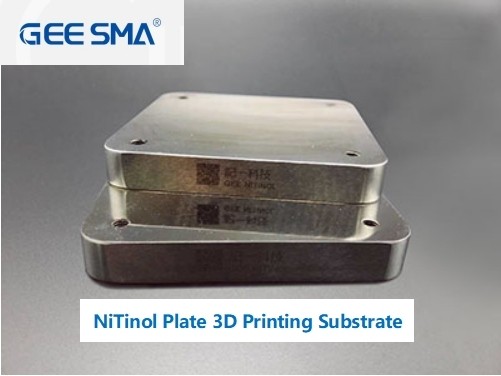
Nitinol sheets are at the forefront of materials science, combining unique properties that make them indispensable in various applications. These shape memory alloys, primarily composed of nickel and titanium, exhibit remarkable behaviors that set them apart from traditional metals. The versatility of nitinol wire and titanium metal plates allows for innovative designs across multiple industries, making it a game changer.
The Basics of Nitinol Sheets
Nitinol sheets are thin layers of a nickel-titanium alloy known for their ability to return to a predetermined shape when heated above a certain temperature. This shape memory effect is not just a gimmick; it's rooted in the unique crystalline structure of nitinol alloys that can remember their original form. Whether used in medical devices or robotics, these sheets offer unmatched flexibility and durability compared to standard nickel sheets or titanium sheets.
Why Nitinol is a Game Changer
The advent of nitinol has revolutionized industries by providing solutions that were previously unattainable with conventional materials. Its ability to undergo significant deformation while maintaining structural integrity makes it ideal for applications requiring precision and reliability, such as in aerospace or medical fields. With the growing demand for lightweight yet strong components, the role of nitinol alloys continues to expand, creating opportunities for innovation.
Key Properties of Nitinol Alloys
One standout characteristic of nitinol alloys is their superelasticity, which allows them to absorb stress without permanent deformation—a feature not commonly found in traditional metals like stainless steel or aluminum. Additionally, nitinol exhibits excellent corrosion resistance due to its unique composition, ensuring longevity even in harsh environments. These key properties make nitinol sheets an attractive choice for engineers looking to push the boundaries of design and functionality.
Exploring Nitinol Sheets in Robotics
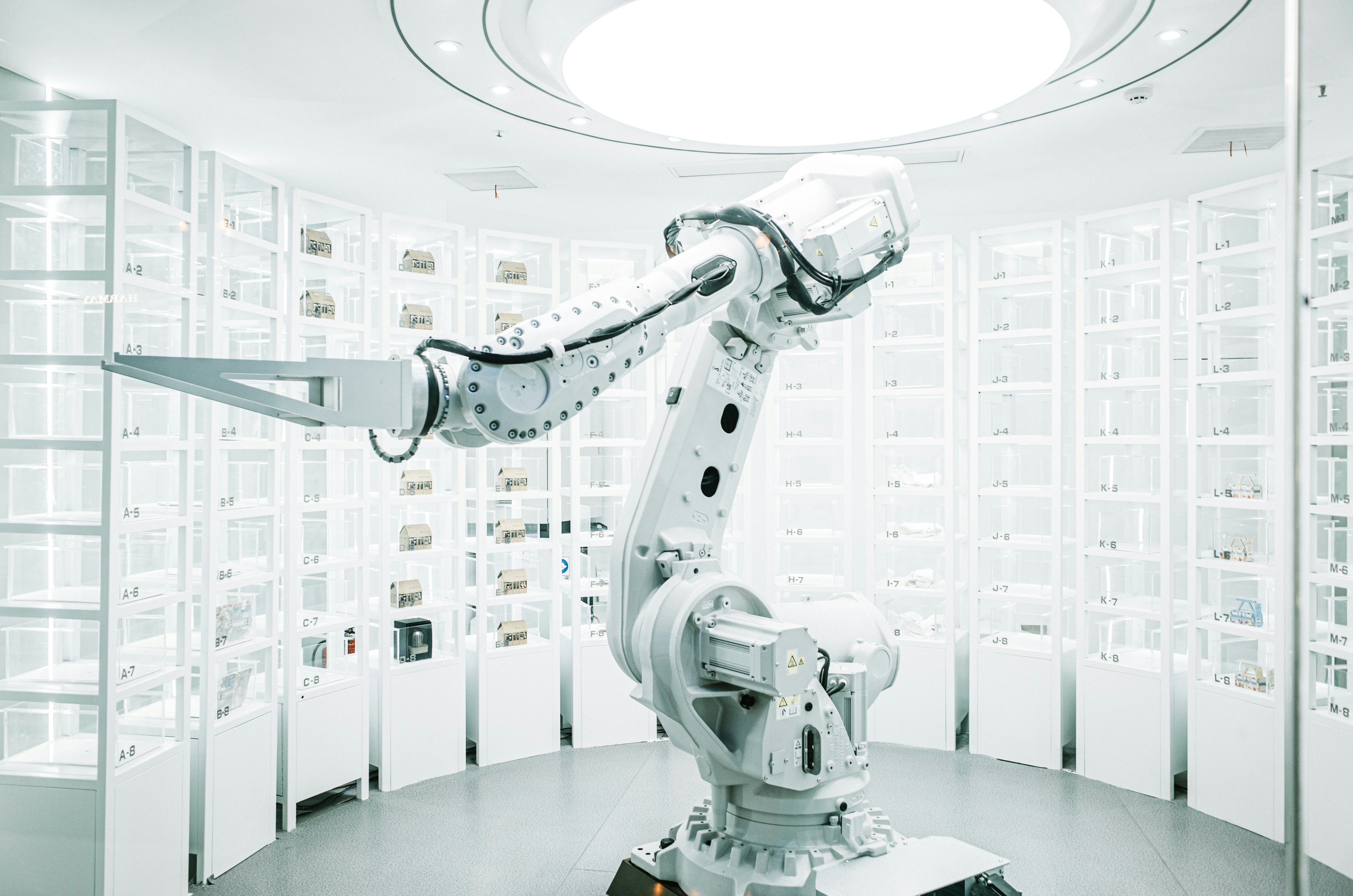
Nitinol sheets are revolutionizing the field of robotics by providing unique functionalities that traditional materials simply cannot match. The integration of these shape memory alloys into robotic systems allows for enhanced performance, flexibility, and adaptability. As robotics continues to evolve, the use of nitinol alloys is becoming increasingly essential for creating advanced robotic solutions.
Integration with Robotics Systems
Integrating nitinol sheets into robotic systems offers a plethora of advantages that enhance their overall functionality. These nickel sheets can be programmed to change shape or stiffness in response to temperature changes, enabling robots to perform complex tasks with ease. Moreover, when combined with nitinol wire and titanium metal plates, the resulting structures are not only lightweight but also incredibly strong, making them ideal for various applications.
The incorporation of nitinol alloys into robotics systems also allows for more compact designs. Traditional actuators often require bulky components; however, shape memory alloys can significantly reduce the size and weight while maintaining high levels of performance. This is particularly beneficial in fields like medical robotics or drone technology where space constraints are paramount.
Benefits of Shape Memory Alloys
Shape memory alloys (SMAs), such as nitinol sheets, provide remarkable advantages over conventional materials used in robotics. One key benefit is their ability to remember a predetermined shape after being deformed; this characteristic allows for innovative designs that can adapt dynamically during operation. Additionally, the fatigue resistance inherent in metal nitinol ensures longevity and durability even under repetitive stress conditions.
Another significant advantage is the energy efficiency offered by SMAs like those made from titanium sheets and nickel content found in nitinol alloys. When activated by heat or electrical stimuli, these materials require less energy compared to traditional motors or actuators while still delivering impressive performance outputs. This not only reduces operational costs but also contributes positively to sustainability efforts within robotic design.
Furthermore, using nitinol wire as part of a robotic system enables smoother motion transitions and greater precision during tasks such as gripping or lifting objects. This precision makes it easier for robots equipped with these materials to perform delicate operations without damaging sensitive components or surfaces they interact with.
Case Study: GEE SMA in Robotic Applications
One notable example showcasing the prowess of GEE SMA's nitinol sheets in robotic applications is their implementation in soft robotics projects aimed at improving surgical procedures. By utilizing shape memory alloy technology, these soft robots can navigate through tight spaces inside the human body while minimizing trauma to surrounding tissues—a feat difficult to achieve with rigid structures made from conventional metals like titanium plates alone.
In another exciting application, GEE SMA has developed a nimble robotic hand that utilizes both nitinol wire and sheet materials to replicate human-like dexterity effectively. The combination allows each finger joint to flex seamlessly through programmed thermal activation—demonstrating how versatile these materials can be when integrated thoughtfully within robotic frameworks.
These case studies illustrate just how transformative nitinol alloys have become within modern robotics—paving the way for future innovations that promise not only enhanced capabilities but also improved patient outcomes across various industries including healthcare and manufacturing alike.
Innovative Uses in Medical Devices
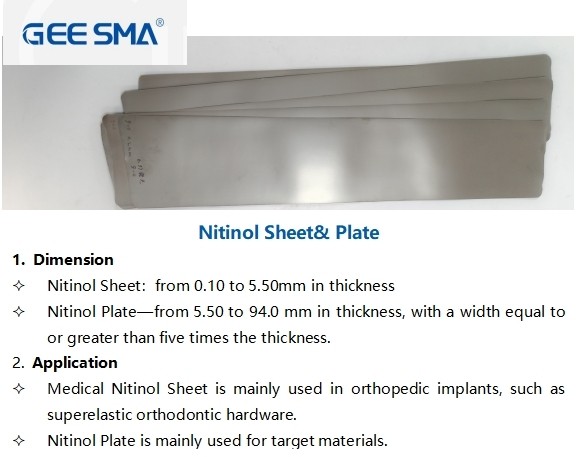
Nitinol sheets have revolutionized the medical device industry, especially in the development of stents and guidewires. These shape memory alloys exhibit unique properties that enhance their functionality and reliability in various applications. Their ability to return to a predetermined shape when heated makes them ideal for minimally invasive procedures, offering significant advantages over traditional materials.
Nitinol Sheets in Stents and Guidewires
Nitinol sheets are crucial components in the manufacturing of stents and guidewires due to their remarkable flexibility and strength. When deployed within the body, these nitinol alloys can expand to support blood vessels or navigate complex anatomical pathways with ease. The use of nitinol wire allows for a smoother insertion process, minimizing trauma to surrounding tissues compared to rigid alternatives.
Advantages Over Traditional Materials
One of the standout benefits of using nitinol sheets over traditional materials like stainless steel is their superior biocompatibility and corrosion resistance. Unlike typical nickel sheets or titanium metal plates, nitinol alloys adapt seamlessly within the human body, reducing the risk of adverse reactions. Additionally, their shape memory capabilities enable devices made from nitinol to maintain optimal performance under varying physiological conditions.
Impact on Patient Care
The integration of nitinol sheets into medical devices has significantly improved patient care by enhancing procedural outcomes and recovery times. With fewer complications associated with stents and guidewires made from metal nitinol, patients experience shorter hospital stays and faster rehabilitation periods. As healthcare continues to advance, the role of nitinol alloys will undoubtedly expand, leading to even more innovative solutions that prioritize patient well-being.
Aerospace Applications of Nitinol
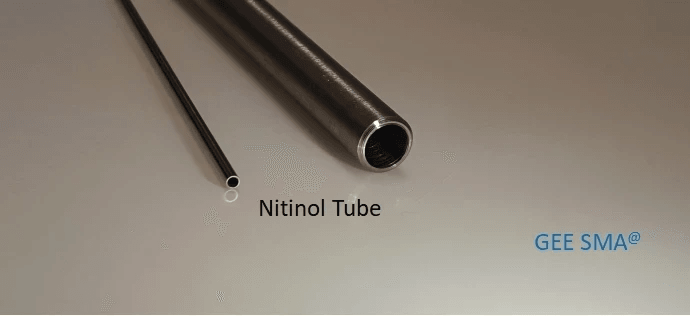
When it comes to the aerospace industry, nitinol sheets and alloys are rapidly becoming essential materials in the design and construction of advanced spacecraft. Their unique properties, particularly shape memory effects and superelasticity, make them ideal for applications that require reliability under extreme conditions. As space missions become more ambitious, incorporating nitinol wire and titanium metal plates allows engineers to create components that can withstand the harsh realities of outer space.
Role of Nitinol Alloys in Space Missions
Nitinol alloys play a crucial role in modern space missions by providing lightweight yet durable solutions for various structural components. These materials can be engineered into shapes that respond dynamically to temperature changes, making them perfect for applications like deployable structures or actuators. By utilizing nitinol sheets, engineers can reduce weight while enhancing functionality, which is critical when every gram counts during launch.
Reliability in Extreme Conditions
One of the standout features of nitinol is its ability to maintain performance under extreme temperatures and pressures found in outer space. Unlike traditional materials like aluminum or steel that may become brittle or lose their integrity at low temperatures, nitinol retains its flexibility and strength thanks to its unique composition as a shape memory alloy. This reliability ensures that components made from metal nitinol can function effectively throughout the mission duration without unexpected failures or maintenance issues.
GEE SMA’s Contributions to Spacecraft Technology
GEE SMA has been at the forefront of integrating nitinol technology into spacecraft design, pushing boundaries with innovative applications of titanium sheets and other forms of this remarkable alloy. Their work not only enhances spacecraft performance but also contributes to overall mission safety by reducing potential points of failure associated with conventional materials. By championing the use of nitinol wire and sheets, GEE SMA is helping pave the way for future explorations beyond our planet.
Designing Smart Textiles with Nitinol
The integration of nitinol sheets into the realm of smart textiles is revolutionizing how we think about fabric functionality. By leveraging the unique properties of shape memory alloys, these textiles are not merely passive materials but active participants in their environment. Imagine a world where your clothing can respond to temperature changes, shape-shift for comfort, or even assist in medical monitoring—all thanks to the remarkable capabilities of nitinol alloys.
Mechanisms of Shape Memory in Fabrics
At the heart of smart textiles incorporating nitinol is the fascinating mechanism of shape memory. When embedded within fabrics, nitinol wire can “remember” its original shape and return to it when stimulated by heat or electrical current. This transformation not only enhances the versatility of textiles but also enables innovative designs that adapt dynamically to various conditions, making every wear an experience tailored just for you.
The use of nickel sheets and titanium metal plates further enhances these mechanisms by providing structural support while maintaining lightweight characteristics essential for wearable applications. The combination creates fabrics that are not just functional but also comfortable and stylish, breaking away from traditional notions about what clothing can do. As we continue to explore these materials, the potential for creating responsive garments seems endless.
Potential for Wearable Technology
Wearable technology is rapidly evolving, and nitinol sheets play a pivotal role in this transformation. With their ability to change shape and properties under specific conditions, garments made from these materials can house sensors that monitor health metrics like heart rate or body temperature without sacrificing style or comfort. Imagine a shirt that adjusts its fit based on your activity level or pants that regulate temperature—this isn’t science fiction; it’s the future powered by metal nitinol!
Moreover, integrating nitinol into wearable tech allows designers to push boundaries creatively while ensuring functionality remains at the forefront. The lightweight nature of titanium sheets combined with the flexibility offered by nitinol wire means wearables won’t feel cumbersome or awkward; instead, they’ll enhance everyday life seamlessly. This blend of technology and fashion opens doors to new markets and consumer experiences.
Future Trends in Smart Fabric Innovation
Looking ahead, we see exciting trends shaping the future landscape of smart fabrics featuring nitinol alloys. Innovations will likely focus on enhancing energy efficiency through sustainable practices in producing metal nitinol while optimizing performance characteristics such as durability and responsiveness under varying environmental conditions. Additionally, advancements in nanotechnology may allow for even more precise control over how these fabrics behave.
As industries increasingly recognize the potential applications—from fashion-forward designs to life-saving medical devices—the demand for versatile materials like nitinol sheets will rise sharply. We’re already witnessing collaborations between tech companies and fashion designers eager to harness this cutting-edge material's capabilities fully; it’s a match made in innovation heaven! Expect dynamic developments that transform everyday items into intelligent solutions tailored specifically for our needs.
The Future of Nitinol in Manufacturing
The future of manufacturing is bright, especially when it comes to the innovative applications of nitinol sheets. These versatile materials, known for their unique shape memory alloy properties, are revolutionizing various industries by offering customization options that traditional metals simply cannot match. As manufacturers look for ways to enhance efficiency and performance, nitinol alloys are stepping up as a leading choice.
Customization and Versatility of Nitinol Sheets
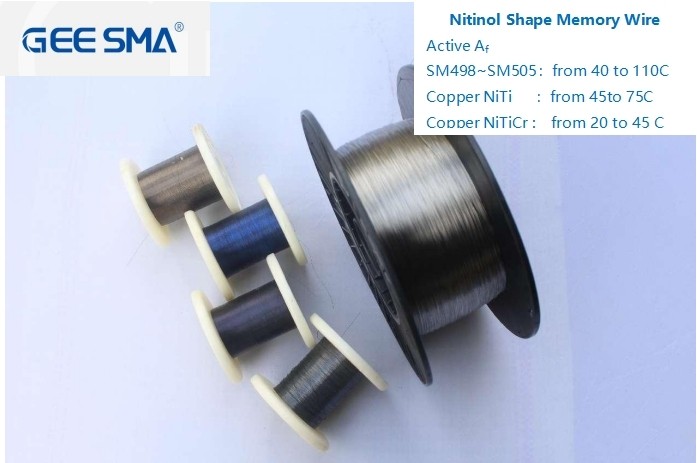
Nitinol sheets and wires provide an exceptional level of customization that allows engineers to tailor products to specific needs. The ability to manipulate the properties of these shape memory alloys means they can be designed for everything from intricate medical devices to robust aerospace components. With options like varying thicknesses and shapes, including titanium metal plates and nickel sheets, the versatility of nitinol is unmatched.
This adaptability doesn't just stop at physical dimensions; it extends into functionality as well. For instance, manufacturers can create nitinol components that respond dynamically to changes in temperature or stress—an advantage not found in standard titanium sheets or other conventional materials. As industries continue to innovate, the demand for customized solutions using nitinol alloys will only grow.
Sustainability in Metal Nitinol Production
Sustainability is becoming a crucial factor in manufacturing processes across the globe, and metal nitinol production is no exception. The use of nickel and titanium in creating these alloys lends itself well to recycling efforts; both metals can be reclaimed from old products without significant loss of quality. This characteristic not only reduces waste but also aligns with global initiatives aimed at decreasing environmental impact.
Moreover, advancements in production techniques are making it easier than ever to produce high-quality nitinol sheets while minimizing energy consumption and emissions. Manufacturers are increasingly turning towards greener methods that utilize less hazardous chemicals during processing—enhancing both safety and sustainability within the industry. Embracing these practices ensures that companies remain competitive while contributing positively to our planet's health.
Emerging Trends in Industrial Applications
As we look ahead, several emerging trends suggest a bright future for nitinol alloys across various industrial applications. From robotics to medical devices, businesses are discovering new ways this remarkable material can improve performance and efficiency—think smart textiles integrating nitinol wire for responsive clothing designs or advanced stents made from flexible yet durable nitinol sheets.
Furthermore, industries such as automotive engineering are beginning to explore how shape memory alloy features can enhance vehicle safety systems or adaptive components that react on-the-fly during operation. With ongoing research into new applications for these versatile materials, it's clear that the potential uses for metal nitinol will continue expanding rapidly over the coming years.
Conclusion
As we wrap up our exploration of nitinol sheets and their transformative potential across various industries, it's clear that these remarkable materials are not merely a trend but a cornerstone for innovation. The unique properties of shape memory alloys, particularly those found in nitinol sheets, make them an ideal choice for projects requiring precision and adaptability. Whether you're designing advanced robotics or cutting-edge medical devices, choosing nitinol sheets can elevate your work to new heights.
Why Choose Nitinol Sheets for Your Projects
Nitinol sheets offer unparalleled versatility and functionality that few other materials can match. Their ability to return to a predetermined shape when heated is not just fascinating; it opens doors to innovative applications in fields ranging from robotics to healthcare. When you incorporate nitinol sheets into your projects, you're investing in a material that combines the best of nickel sheet and titanium metal plate properties, ensuring reliability and performance.
Moreover, the lightweight nature of nitinol alloys makes them suitable for applications where weight savings are crucial—like aerospace engineering or wearable technology. By utilizing these advanced materials, you can create solutions that are not only effective but also efficient in terms of energy consumption and resource use. Ultimately, opting for nitinol sheets means choosing a smart path toward innovation and sustainability.
The Competitive Edge of Nitinol Alloys
What sets nitinol alloys apart from traditional materials is their unique combination of strength and flexibility under varying conditions. Unlike standard titanium sheets or nickel sheets, which may falter under stress or temperature changes, nitinol exhibits remarkable resilience thanks to its shape memory capabilities. This competitive edge allows engineers and designers to push boundaries previously thought impossible—transforming concepts into reality with ease.
Additionally, the adaptability of metal nitinol means it can be tailored to meet specific project requirements without sacrificing performance quality. Whether you need custom sizes or specialized configurations like nitinol wire for intricate designs, these alloys provide options that many conventional materials simply cannot offer. In an age where customization is key to success in manufacturing and design, leveraging the advantages of nitinol alloys positions your projects at the forefront of innovation.
GEE SMA: Your Partner in Nitinol Solutions
When it comes to sourcing high-quality nitinol solutions tailored specifically for your needs, GEE SMA stands out as a trusted partner in this evolving landscape. With extensive experience in providing top-notch nitinol sheets and other shape memory alloy products, GEE SMA ensures you have access to all the resources necessary for successful project execution. Their commitment to quality means that every titanium sheet or metal nitinol product meets rigorous standards before reaching your hands.
Furthermore, GEE SMA understands the importance of collaboration throughout each phase of development—from initial concept discussions through final production runs—ensuring seamless integration into your workflow. By partnering with GEE SMA for your next project involving Nitinol alloys or related products like titanium metal plates or wires, you'll be equipped with cutting-edge technology backed by exceptional support every step along the way.