

Introduction
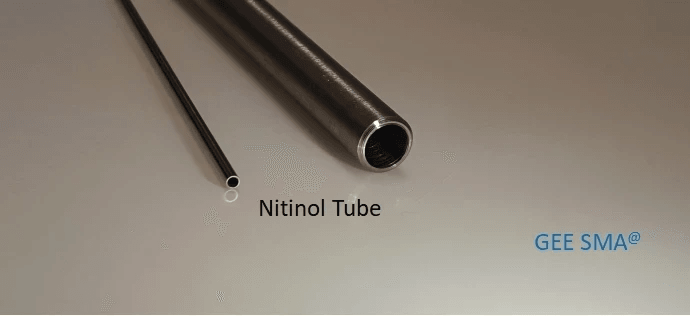
In the ever-evolving world of materials science, shape memory alloys (SMAs) have emerged as a fascinating category due to their unique ability to return to a predetermined shape when subjected to specific thermal conditions. Among these, Nitinol—a nickel-titanium alloy—stands out not only for its remarkable properties but also for its diverse applications across industries, particularly in medical devices and robotics. However, understanding the intricacies of shape memory alloy cost is crucial for manufacturers and engineers alike when selecting materials for their projects.
Understanding the Basics of Shape Memory Alloys
Shape memory alloys are metallic materials that can undergo significant deformation and return to their original shape upon heating or unloading. This property arises from a phase transformation within the material's crystalline structure, making SMAs incredibly versatile for various applications. The most notable characteristic of these alloys is their ability to 'remember' shapes, which has led to innovations in fields ranging from aerospace engineering to consumer electronics.
Importance of Cost in Material Selection
When it comes to material selection, cost plays a pivotal role that cannot be overlooked. The price of shape memory alloys can vary significantly based on factors such as production processes and raw material availability, directly impacting project budgets and feasibility. For industries looking to harness the benefits of Nitinol or other shape memory alloys materials, a thorough analysis of shape memory alloy cost is essential for making informed decisions.
Nitinol and Its Unique Properties
Nitinol possesses extraordinary properties that set it apart from other shape memory alloys; these include superelasticity and biocompatibility, making it ideal for medical applications like stents and guidewires. The unique nitinol properties allow it not only to revert back after deformation but also endure substantial stress without permanent damage—an attractive feature in high-demand environments. As companies specializing in nitinol continue to innovate, understanding these characteristics becomes increasingly vital in leveraging this remarkable material effectively.
What Is Shape Memory Alloy?

Shape memory alloys (SMAs) are a fascinating class of materials that can return to a predetermined shape when subjected to specific temperature changes. This unique ability stems from a phenomenon known as the shape memory effect, which allows these materials to remember their original form. Among the various types of SMAs, Nitinol stands out due to its remarkable properties and wide-ranging applications.
Definition and Functionality
At its core, a shape memory alloy is an alloy that undergoes reversible phase transformations in response to temperature variations, enabling it to revert back to its original shape after being deformed. The functionality of SMAs relies on two key characteristics: the shape memory effect and superelasticity. These properties make them ideal for applications where flexibility and resilience are crucial.
Examples of Common Shape Memory Alloys
While Nitinol is perhaps the most well-known example of a shape memory alloy, there are several other notable SMAs worth mentioning. Copper-aluminum-nickel and iron-based alloys also exhibit similar properties but tend to have different mechanical characteristics and costs associated with their production. Each type of SMA has its unique advantages, depending on the application requirements and desired performance metrics.
Applications Across Industries
The versatility of shape memory alloys makes them invaluable across various industries, including aerospace, automotive, medical devices, and robotics. In medicine, for instance, Nitinol is commonly used in stents and guidewires due to its biocompatibility and ability to expand under body temperature conditions. Meanwhile, in aerospace applications, SMAs can be utilized for actuators that adjust wing shapes or control surfaces based on flight conditions—showcasing how these innovative materials can enhance performance while managing costs effectively.
The Fascinating Nitinol Properties
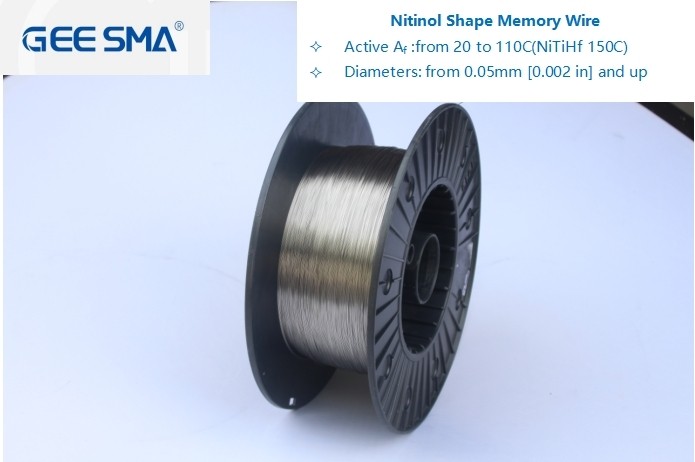
Nitinol, a unique type of shape memory alloy, boasts properties that make it particularly captivating in various applications. Understanding these nitinol properties is essential for industries seeking innovative solutions. From its remarkable ability to return to a predetermined shape to its superelastic characteristics, nitinol stands out among other shape memory alloys materials.
Shape Memory Effect Explained
The shape memory effect is the cornerstone of nitinol's appeal as a shape memory alloy. This phenomenon allows the material to remember its original form when subjected to specific temperature changes. When heated above a certain threshold, the nitinol alloy properties enable it to revert from a deformed state back to its pre-set geometry, which can be incredibly useful in applications requiring precise movements or configurations.
This effect is not just a party trick; it has real-world implications that drive the demand for shape memory alloys materials across various sectors. For instance, in medical devices such as stents and guidewires, this property ensures that they can expand or contract as needed once they reach body temperature. The shape memory effect not only enhances functionality but also contributes significantly to overall efficiency and effectiveness in diverse applications.
Superelasticity and Its Advantages
Superelasticity is another fascinating characteristic of nitinol that distinguishes it from traditional metals and other shape memory alloys characteristics. This property allows nitinol wires or components to undergo significant deformation under stress and return to their original shape upon unloading without permanent deformation occurring—an impressive feat for any material!
The advantages of superelasticity are manifold; it provides enhanced flexibility and resilience in demanding environments such as aerospace or medical contexts where precision and reliability are paramount. For example, when used in orthodontic wires or surgical instruments, superelastic nitinol components can withstand considerable forces while maintaining their integrity—a critical factor when considering both performance and long-term durability.
Nitinol Applications in Medicine and Beyond
Nitinol's remarkable properties have led it into various applications beyond just being an intriguing material for scientists and engineers. In medicine, this versatile alloy plays a vital role—think stents that expand within blood vessels or self-retracting surgical tools designed for minimally invasive procedures. The biocompatibility of nitinol further enhances its desirability in medical settings where patient safety is paramount.
However, the charm of nitinol doesn't stop at healthcare; it's also making waves in industries like robotics, automotive engineering, and even consumer electronics due to its unique combination of strength and flexibility. As companies explore innovative ways to leverage these characteristics, understanding the associated costs becomes essential—especially when comparing the price point of different shape memory alloys materials on the market today.
In summary, harnessing the fascinating properties of nitinol not only opens doors for advanced technologies but also prompts consideration about how these innovations influence overall shape memory alloy cost across various sectors.
Analyzing Shape Memory Alloy Cost Factors

When it comes to shape memory alloys, understanding the cost factors is crucial for both manufacturers and consumers. The price of these materials, particularly Nitinol, can significantly influence project budgets and design decisions. By dissecting production processes, market demand, and comparing costs with other alloys, we can gain a clearer picture of the overall landscape.
Production Processes and Their Impact
The production processes involved in creating shape memory alloys play a pivotal role in determining their cost. For instance, Nitinol's unique properties stem from complex manufacturing techniques that require precision and advanced technology. This complexity often results in higher initial investments compared to simpler alloys, which can drive up the overall shape memory alloy cost.
Moreover, factors such as raw material sourcing and processing methods contribute to the final price tag of these innovative materials. Companies specializing in Nitin SMA must balance quality with affordability to remain competitive while ensuring that the nitinol alloy properties meet industry standards. Ultimately, understanding these production nuances helps stakeholders make informed decisions regarding their investment in shape memory alloys materials.
Market Demand and Pricing Trends
Market demand significantly influences the pricing trends of shape memory alloys across various industries. As applications for Nitinol expand—from medical devices to aerospace components—the need for this versatile material continues to grow. This rising demand puts upward pressure on prices, further complicating the analysis of shape memory alloy costs.
In addition to increasing applications, competition among manufacturers also affects market dynamics. Companies that innovate faster or offer superior nitinol properties may command higher prices due to perceived value and performance advantages over competitors. Tracking these trends is essential for anyone looking to invest in or utilize shape memory alloys characteristics effectively.
Comparing Costs: Nitinol vs. Other Alloys
When comparing costs between Nitinol and other shape memory alloys, several key factors come into play that can sway decision-making processes dramatically. While Nitinol often commands a premium due to its remarkable properties—such as superelasticity—it’s essential to weigh those benefits against alternatives like copper-aluminum or iron-based alloys that might be less expensive but lack specific functionalities.
For instance, while some alternatives may have lower upfront costs associated with them, they might not deliver the same long-term performance or reliability found in nitinol alloy properties like fatigue resistance or biocompatibility—especially crucial in medical applications where failure is not an option. Therefore, an informed comparison should consider not just initial expenditures but also lifecycle costs associated with maintenance and potential replacements over time when evaluating shape memory alloy cost options.
Key Characteristics of Shape Memory Alloys

Shape memory alloys (SMAs) exhibit unique characteristics that make them invaluable across various applications. Understanding these characteristics is crucial for evaluating the shape memory alloy cost and determining the best material for specific uses. In this section, we will explore the stress response and recovery behavior, fatigue resistance and longevity, and the biocompatibility of Nitinol.
Stress Response and Recovery Behavior
One of the most intriguing nitinol properties is its ability to undergo significant deformation while maintaining a unique stress response mechanism. When subjected to stress, shape memory alloys can deform into a temporary shape; however, upon heating or unloading, they return to their original form. This remarkable recovery behavior not only enhances their functionality but also influences the overall shape memory alloy cost due to their complex manufacturing processes.
The stress response of nitinol is primarily governed by its phase transformation between martensite and austenite states. This transformation allows SMAs to absorb energy during deformation, making them ideal for applications requiring flexibility and resilience. As industries continue to recognize these benefits, understanding how these materials respond under stress becomes essential in justifying their costs.
Fatigue Resistance and Longevity
Another critical characteristic of shape memory alloys is their fatigue resistance, which contributes significantly to their longevity in various applications. Unlike traditional metals that may fail after repeated stress cycles, nitinol exhibits exceptional durability even after numerous transformations between its phases. This property not only extends the service life of products made with SMAs but also plays a pivotal role in determining shape memory alloy costs in long-term projects.
Fatigue resistance in Nitinol is attributed to its unique microstructure and phase stability under cyclic loading conditions. As a result, components made from this nitinol alloy can withstand harsh environments without succumbing to wear or failure easily. Consequently, industries looking for reliable solutions often find that investing in high-quality SMAs pays off over time due to reduced maintenance costs.
Biocompatibility of Nitinol
Biocompatibility is another standout feature when discussing nitinol properties that makes it particularly appealing for medical applications such as stents or orthopedic devices. The inherent compatibility of Nitinol with biological tissues minimizes adverse reactions when implanted within the human body, ensuring patient safety during procedures involving shape memory alloys materials. This characteristic not only enhances patient outcomes but also impacts overall healthcare costs related to device failures or complications.
The biocompatibility of Nitinol arises from its unique surface properties combined with its corrosion resistance—factors that are crucial when considering long-term implantation scenarios. Medical professionals often prefer using SMAs like Nitinol because they reduce risks associated with traditional metallic implants while providing superior performance characteristics at competitive prices compared to alternatives on the market today—ultimately affecting shape memory alloy cost assessments positively.
GEE SMA: A Leader in Nitinol Production
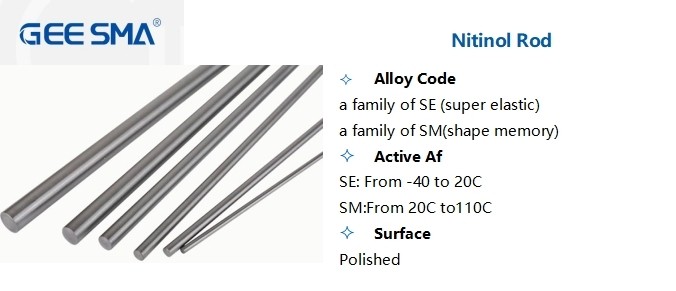
GEE SMA stands at the forefront of the shape memory alloy industry, particularly known for its expertise in nitinol production. With a commitment to innovation and quality, this nitinol company has carved a niche in providing advanced materials that leverage the unique properties of shape memory alloys. Their mission revolves around pushing the boundaries of technology while making significant advancements in various applications, especially where cost-efficiency is paramount.
Company Overview and Mission
Founded with a vision to revolutionize material science, GEE SMA specializes in producing high-grade nitinol alloys that exhibit remarkable shape memory alloy characteristics. The company’s mission emphasizes sustainability and cutting-edge research, aiming to make nitinol accessible for numerous industries—from medical devices to aerospace engineering. By focusing on both performance and affordability, GEE SMA is dedicated to minimizing shape memory alloy costs without compromising on quality.
Innovations in Nitinol Functional Materials
Innovation is at the heart of GEE SMA's operations as they continually explore new ways to enhance nitinol properties. The company invests heavily in research and development to create functional materials that not only meet but exceed industry standards for performance and reliability. These advancements have led to improved fatigue resistance and biocompatibility—two crucial factors driving demand for shape memory alloys materials across various sectors.
Role in Major Space Missions
GEE SMA has played an instrumental role in several major space missions by supplying specialized nitinol components that utilize its unique superelasticity and shape memory effects. These components are critical in applications where traditional materials may fail under extreme conditions, demonstrating the reliability of nitinol alloy properties even in space environments. As exploration continues beyond our planet, GEE SMA’s contributions highlight how strategic investments can reduce overall shape memory alloy costs while enhancing mission success rates.
Conclusion

In the rapidly evolving world of materials science, shape memory alloys (SMAs) like Nitinol stand out not just for their unique properties but also for their economic implications. Understanding the financial aspects of shape memory alloy cost is crucial for industries looking to innovate while managing budgets effectively. As we delve into the various dimensions of Nitinol and its applications, it becomes clear that informed decision-making can lead to both technological advancements and cost savings.
The Financial Implications of Shape Memory Alloys
The financial implications of employing shape memory alloys are significant, particularly when considering their long-term benefits versus initial costs. While the production of Nitinol may come with a higher price tag compared to traditional materials, its unique properties often justify this investment through enhanced performance and durability. Industries that leverage Nitinol's exceptional characteristics find that reduced maintenance costs and increased efficiency can lead to substantial savings over time.
Making Informed Choices on Nitinol Costs
When evaluating the shape memory alloy cost, it's essential for businesses to consider not only the upfront expenses but also the potential return on investment. By understanding nitinol properties—such as superelasticity and biocompatibility—companies can make informed choices about which materials best suit their needs without compromising quality or performance. Conducting thorough market research on Nitinol suppliers and comparing prices with other alloys will empower decision-makers to choose wisely in an increasingly competitive landscape.
Future Trends in Shape Memory Alloy Development
Looking ahead, the future trends in shape memory alloy development are promising and poised for innovation. Advances in manufacturing techniques could potentially lower shape memory alloy costs while enhancing material characteristics like fatigue resistance and stress response behavior. As companies like GEE SMA continue to lead in producing high-quality nitinol, we can expect exciting breakthroughs that will expand applications across various fields—from medicine to aerospace—making SMAs more accessible than ever before.