

Introduction
In the realm of advanced materials, ASTM F2063 compliance stands out as a pivotal standard for ensuring the quality and reliability of Nitinol products. This specification is particularly crucial when it comes to Nitinol tubing, which has become increasingly popular in various industries due to its unique properties and performance characteristics. Understanding the importance of ASTM F2063-compliant Nitinol is essential for manufacturers and end-users alike, as it guarantees that these materials meet stringent requirements for safety and efficacy.
Understanding ASTM F2063 Compliance
ASTM F2063 serves as a comprehensive guideline that outlines the necessary criteria for Nitinol wire and rod used in medical applications. Compliance with this standard ensures that the material exhibits consistent mechanical properties, biocompatibility, and corrosion resistance—key factors in any application involving human interaction. By adhering to ASTM F2063, manufacturers can confidently produce Nitinol tubing that meets industry expectations while minimizing risks associated with material failure.
The Importance of Nitinol Wire and Rod
Nitinol wire and rod are renowned for their exceptional shape memory effect, allowing them to return to a predetermined shape when heated above a specific temperature. This property makes them invaluable in applications where precision and adaptability are paramount, such as in medical devices or aerospace components. Moreover, the lightweight yet durable characteristics of ASTM F2063-compliant Nitinol contribute significantly to innovations across various sectors.
Applications of Nitinol Tubing
The versatility of Nitinol tubing is evident across multiple industries—from cutting-edge medical devices like stents and guidewires to innovative aerospace solutions designed for extreme conditions. Its ability to undergo significant deformation while maintaining structural integrity makes it an ideal choice for applications requiring flexibility without compromising strength. As industries continue to explore new possibilities with ASTM F2063-compliant Nitinol tubing, its role will undoubtedly expand further into consumer goods and beyond.
Overview of ASTM F2063 Standards

Understanding the ASTM F2063 standards is crucial for anyone involved in the production and application of Nitinol products. These standards provide a framework that ensures the quality, safety, and reliability of ASTM F2063-compliant Nitinol tubing and other components. Compliance with these regulations not only fosters trust among manufacturers and consumers but also enhances the overall performance of Nitinol in various applications.
What is ASTM F2063?
ASTM F2063 is a comprehensive standard developed by ASTM International that specifically addresses the requirements for Nitinol wire, bar, and tubing used in medical applications. This standard outlines essential criteria including composition, mechanical properties, and performance metrics to ensure that products meet rigorous safety standards. By adhering to ASTM F2063, manufacturers can produce Nitinol tubing that guarantees both functionality and biocompatibility in critical environments.
Key Specifications and Testing Criteria
The key specifications outlined in ASTM F2063 include detailed guidelines on material composition, dimensional tolerances, mechanical testing methods, and fatigue resistance evaluations. For instance, tensile strength tests are performed to assess how well Nitinol can withstand stress without deformation or failure. Additionally, corrosion resistance tests are vital for ensuring that ASTM F2063-compliant Nitinol maintains its integrity when exposed to bodily fluids or other harsh environments.
Importance of Compliance in Nitinol Products
Compliance with ASTM F2063 is not just a regulatory checkbox; it serves as a benchmark for quality assurance in the production of Nitinol products. When manufacturers adhere to these standards, they significantly reduce risks associated with product failure or adverse reactions during use—especially important in medical devices where patient safety is paramount. Moreover, using ASTM F2063-compliant Nitinol enhances marketability since it assures customers of the product’s reliability and effectiveness across various applications.
Properties of Nitinol Wire and Bar
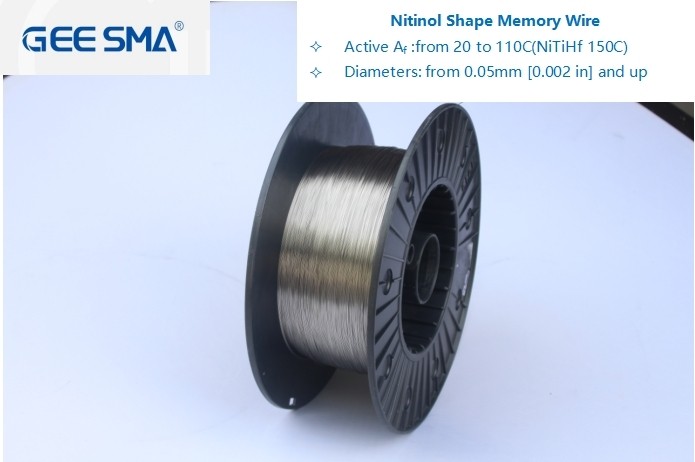
Nitinol wire and bar possess unique properties that make them invaluable across various industries, especially in applications requiring flexibility and reliability. Understanding these properties is essential for anyone involved in using ASTM F2063-compliant Nitinol tubing or other forms of this remarkable alloy. The combination of the shape memory effect, biocompatibility, corrosion resistance, and mechanical characteristics sets Nitinol apart from traditional materials.
Shape Memory Effect Explained
The shape memory effect is one of the most fascinating properties of Nitinol wire and bar. This phenomenon allows the material to remember a predetermined shape when heated above a specific temperature, making it incredibly useful for applications that require dynamic movement or actuation. For instance, ASTM F2063-compliant Nitinol tubing can be designed to return to its original form after being deformed, which is particularly advantageous in medical devices such as stents or guidewires.
When cooled below its transformation temperature, Nitinol can be easily manipulated into different shapes without losing its inherent ability to revert back upon heating. This characteristic not only enhances design flexibility but also allows engineers to create innovative solutions that respond intelligently to environmental changes. Ultimately, leveraging the shape memory effect in ASTM F2063-compliant Nitinol opens up new possibilities across multiple fields.
Biocompatibility and Corrosion Resistance
Biocompatibility is a crucial factor for materials used in medical applications; fortunately, ASTM F2063-compliant Nitinol excels in this area. The alloy's intrinsic properties make it highly resistant to corrosion when exposed to bodily fluids or other harsh environments, ensuring longevity and safety in medical devices such as implants or surgical instruments. This resistance plays a vital role in minimizing adverse reactions within the human body while maximizing device performance.
Moreover, the unique composition of Nitinol ensures that it does not release harmful substances over time—an essential consideration for any material intended for long-term use within biological systems. Its biocompatibility means that patients can benefit from advanced treatments without compromising their health due to material degradation or toxicity concerns. Thus, choosing ASTM F2063-compliant Nitinol not only meets industry standards but also supports patient safety.
Mechanical Properties Relevant to Applications
The mechanical properties of ASTM F2063-compliant Nitinol wire and bar are tailored for optimal performance across various demanding applications. With excellent tensile strength combined with significant elasticity, this alloy can withstand substantial forces while maintaining its structural integrity—ideal for components subjected to repetitive stress cycles like those found in aerospace or automotive sectors.
Furthermore, the lightweight nature of Nitinol contributes significantly to efficiency; lighter components lead to reduced energy consumption and improved overall system performance without sacrificing durability or functionality. These mechanical advantages make ASTM F2063-compliant Nitinol tubing an attractive choice for engineers looking to innovate while adhering strictly to quality standards.
Benefits of Using Nitinol Tubing
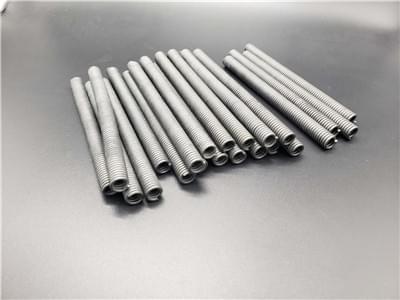
Nitinol tubing is a remarkable material that brings a plethora of benefits to various industries, particularly when it comes to compliance with ASTM F2063 standards. Its unique properties make it an ideal choice for applications requiring flexibility, durability, and conductivity. Understanding these advantages can help manufacturers and engineers leverage ASTM F2063-compliant Nitinol tubing effectively.
Flexibility in Design and Functionality
One of the standout features of Nitinol tubing is its exceptional flexibility in design and functionality. This material can be engineered to fit intricate shapes and configurations, allowing for innovative applications that traditional metals simply cannot achieve. Moreover, ASTM F2063-compliant Nitinol offers the added benefit of shape memory effect, meaning it can return to its original form after deformation, which is invaluable in medical devices and other precision instruments.
This flexibility not only enhances product performance but also enables designers to create more compact and efficient systems. Whether it's used in stents or guidewires, Nitinol tubing's adaptability leads to improved patient outcomes in medical settings. Ultimately, this versatility underscores why ASTM F2063-compliant Nitinol is a game changer across multiple sectors.
Lightweight and Durable Characteristics
When it comes to materials science, weight matters—especially in aerospace and medical applications where every gram counts. Nitinol tubing is notably lightweight yet remarkably durable, making it an excellent alternative to heavier metals without sacrificing strength or performance. This combination allows designers to create products that are easier to handle while maintaining structural integrity under stress.
The durability of ASTM F2063-compliant Nitinol ensures that products can withstand harsh environments without succumbing to corrosion or wear over time. In addition, its fatigue resistance means that components are less likely to fail during use, providing peace of mind for manufacturers and end-users alike. Thus, the lightweight nature paired with robust characteristics makes Nitinol tubing a preferred choice for high-performance applications.
Thermal and Electrical Conductivity Advantages
Another compelling benefit of using ASTM F2063-compliant Nitinol tubing lies in its thermal and electrical conductivity properties. While many assume that lightweight materials compromise conductivity, Nitinol defies this expectation by offering superior thermal management capabilities alongside efficient electrical conduction when needed. This makes it particularly valuable in applications requiring precise temperature control or rapid heat dissipation.
In addition, the unique phase transformation characteristics inherent in Nitinol allow for innovative designs where thermal activation plays a role—think self-expanding stents or actuators activated by body heat! As industries continue pushing the boundaries of technology, the conductive advantages offered by compliant Nitinol will undoubtedly play a pivotal role in future innovations across various fields.
Applications Across Industries
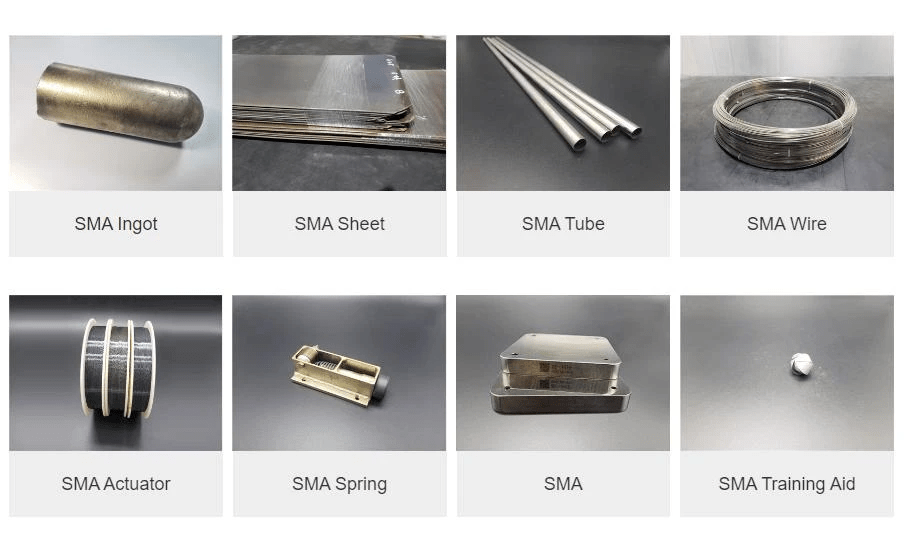
Nitinol, with its unique properties and ASTM F2063 compliance, has carved a niche across various industries. From life-saving medical devices to innovative aerospace applications and even everyday consumer goods, the versatility of Nitinol tubing is truly remarkable. Let's explore how this shape memory alloy is making waves in different sectors.
Medical Devices and Surgical Instruments
In the medical field, ASTM F2063-compliant Nitinol is nothing short of revolutionary. Its shape memory effect allows for devices that can adapt to the human body’s anatomy, making procedures less invasive and more effective. From stents that expand at body temperature to guidewires that navigate complex vascular pathways, Nitinol tubing is essential for modern surgical instruments.
Moreover, the biocompatibility of Nitinol ensures that these devices are safe for long-term use within the human body. This characteristic minimizes rejection rates and enhances patient outcomes significantly. With stringent ASTM F2063 standards in place, manufacturers can guarantee quality and reliability in their medical products.
Aerospace Innovations with Nitinol
The aerospace industry is another realm where ASTM F2063-compliant Nitinol shines brightly. Its lightweight yet durable characteristics make it an ideal material for components that require both strength and flexibility under extreme conditions. Think of actuators that adjust wing shapes or deploy landing gear; thanks to Nitinol tubing, these systems can operate efficiently while reducing overall weight.
Additionally, the thermal properties of Nitinol allow it to perform well in high-temperature environments typical in aviation settings. This capability not only improves performance but also enhances safety by ensuring components remain operational when subjected to intense heat fluctuations during flight. As aerospace technology continues to evolve, reliance on compliant materials like ASTM F2063 Nitinol will only increase.
Consumer Goods Leveraging Nitinol Properties
Nitinol isn't just relegated to high-tech industries; it's also finding its way into everyday consumer goods! From eyeglass frames that return to their original shape after bending to innovative kitchen tools designed for ease of use, ASTM F2063-compliant Nitinol adds an element of durability and flexibility that's hard to beat. These products leverage the unique properties of this alloy while enhancing user experience through superior design.
Moreover, as consumers become more aware of material integrity and sustainability, using compliant materials like Nitinol becomes a selling point for brands looking to stand out in a crowded market. The lightweight nature coupled with excellent corrosion resistance makes it perfect for everything from sports equipment to fashion accessories as well! With each new application discovered, the potential for using ASTM F2063-compliant Nitinol seems limitless.
GEE SMA: A Leader in Nitinol Solutions

When it comes to Nitinol solutions, GEE SMA stands out as a beacon of quality and innovation. The company has carved a niche for itself by focusing on ASTM F2063-compliant Nitinol products that meet the highest industry standards. Their commitment to excellence ensures that every piece of Nitinol tubing or wire not only meets but exceeds customer expectations.
Commitment to High-Quality Production
GEE SMA prides itself on its rigorous production processes, ensuring that all ASTM F2063-compliant Nitinol is manufactured with precision and care. Each batch undergoes stringent testing against key specifications outlined in the ASTM F2063 standards, guaranteeing reliability and performance. This dedication to high-quality production means that clients can trust GEE SMA's products for critical applications across various industries.
In addition to meeting compliance requirements, GEE SMA employs advanced manufacturing techniques that enhance the properties of their Nitinol tubing and wire. By utilizing cutting-edge technology, they ensure optimal biocompatibility and corrosion resistance, making their products ideal for medical applications. Ultimately, this commitment translates into enhanced safety and efficacy for end-users relying on these innovative materials.
Customization Options for Unique Needs
Understanding that one size does not fit all, GEE SMA offers a range of customization options tailored to meet unique customer needs in the realm of ASTM F2063-compliant Nitinol products. Whether it's adjusting dimensions or modifying mechanical properties, their expert team collaborates closely with clients to develop solutions that perfectly align with specific applications. This flexibility is particularly advantageous in industries like aerospace or medical devices where precision is paramount.
Moreover, GEE SMA’s ability to customize extends beyond mere dimensions; they also focus on adapting the thermal and electrical conductivity characteristics of their Nitinol tubing based on application requirements. Such tailored solutions empower engineers and designers to innovate without limitations while ensuring adherence to strict compliance standards like those set forth by ASTM F2063. This level of customization solidifies GEE SMA's position as a go-to resource for businesses seeking specialized Nitinol solutions.
Role in Advanced Engineering Applications
GEE SMA plays a pivotal role in advancing engineering applications through its high-quality ASTM F2063-compliant Nitinol products. By providing materials with exceptional mechanical properties and shape memory effects, they enable engineers across various sectors—such as medical devices or consumer goods—to push boundaries previously thought unattainable. This involvement not only enhances product performance but also contributes significantly to technological advancements within these fields.
In addition to being a supplier of choice, GEE SMA actively engages in research collaborations aimed at exploring new possibilities with Nitinol tubing and wire applications. Their forward-thinking approach ensures they remain at the forefront of innovation while adhering strictly to industry standards like ASTM F2063 compliance throughout their development processes. As such, they are not just participants in the market; they are leaders shaping its future direction.
Conclusion
In summary, the significance of ASTM F2063 compliance cannot be overstated when it comes to Nitinol tubing and its applications across various industries. This standard ensures that ASTM F2063-compliant Nitinol products meet rigorous specifications, which is crucial for their reliability and performance in critical applications like medical devices and aerospace innovations. Emphasizing quality and compliance not only enhances product safety but also fosters trust among manufacturers and end-users.
Key Takeaways on Nitinol Standards
The ASTM F2063 standard serves as a benchmark for the production of Nitinol tubing, ensuring that it meets specific criteria for composition, mechanical properties, and performance testing. Compliance with these standards is essential for manufacturers aiming to produce high-quality, reliable ASTM F2063-compliant Nitinol products that can withstand demanding conditions. Ultimately, adhering to these guidelines not only elevates product integrity but also contributes to advancements in technology across various sectors.
Future Trends in Nitinol Technology
Looking ahead, the future of Nitinol technology appears bright with ongoing research focused on enhancing its properties and expanding its applications. Innovations may lead to even more versatile ASTM F2063-compliant Nitinol tubing designs that cater to specialized needs in fields such as robotics, minimally invasive surgeries, and smart materials. As industries continue to recognize the unique benefits of this remarkable alloy, we can expect a surge in demand for advanced solutions leveraging its exceptional capabilities.
GEE SMA's Impact on Nitinol Applications
GEE SMA has established itself as a leader in providing high-quality ASTM F2063-compliant Nitinol solutions tailored to meet diverse industry requirements. Their commitment to excellence ensures that clients receive customized options designed for unique applications without compromising on quality or performance. By pushing the boundaries of what's possible with Nitinol tubing, GEE SMA plays a pivotal role in driving innovation across medical devices, aerospace technologies, and consumer goods.