

Introduction
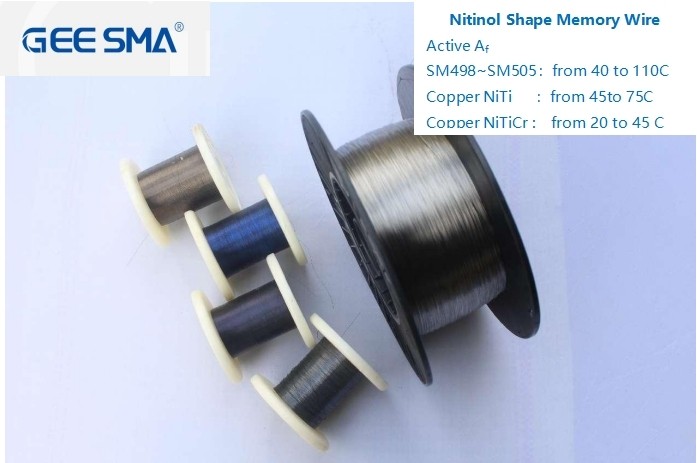
In the realm of advanced materials, few innovations have sparked as much intrigue and excitement as nitinol super elastic alloys. These remarkable shape memory alloys (SMAs) possess unique properties that allow them to return to a predetermined shape when subjected to specific temperature changes. As we dive deeper into the world of nitinol and its applications, we will uncover the magic behind this memory metal alloy and how it is revolutionizing various industries.
Understanding Nitinol Super Elasticity
Nitinol super elastic refers to a fascinating phenomenon where the material can undergo significant deformation under stress yet return to its original shape upon release. This behavior is a result of the unique crystalline structure of nitinol wire, which allows it to exhibit both superelasticity and shape memory effects. By understanding these properties, we can appreciate why nitinol alloy has become a go-to material in fields ranging from medicine to aerospace.
The Magic of Shape Memory Alloys
The allure of shape memory alloys lies in their ability to remember shapes, making them incredibly versatile for various applications. When heated above a certain temperature, these SMAs revert back to their original configuration, providing solutions that traditional materials simply can't match. This capability not only enhances performance but also opens up possibilities for innovative designs across multiple sectors.
Innovations in Nitinol Applications
Innovations involving nitinol are rapidly transforming industries by introducing new functionalities that were previously deemed impossible. From medical devices that improve patient outcomes to aerospace components that withstand extreme conditions, the applications of this superelastic nitinol are vast and varied. As research continues and new technologies emerge, we can expect even more groundbreaking uses for this extraordinary memory metal alloy.
Medical Devices
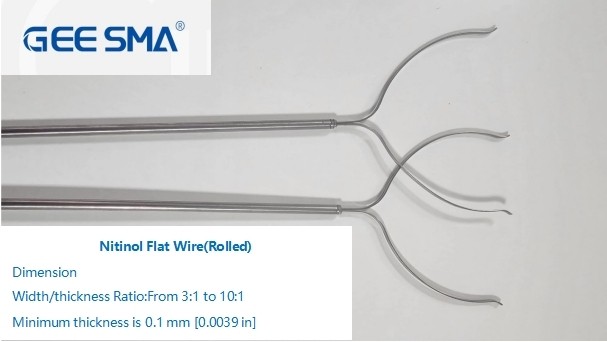
Stents and Nitinol's Role in Cardiovascular Health
Nitinol's role in cardiovascular health is nothing short of groundbreaking, especially when it comes to stents. These tiny tubes made from superelastic nitinol are designed to keep arteries open after they have been cleared of blockages. The flexibility and strength of the nitinol wire allow these stents to adapt seamlessly to the natural movements of the body while maintaining their structural integrity—essential for long-term success.
Moreover, the shape memory characteristics of this memory metal alloy ensure that once implanted, stents can expand and contract as needed without losing their form or function. This adaptability significantly reduces complications associated with traditional stents made from other materials. As a result, patients benefit from improved blood flow and reduced risk of re-narrowing arteries.
Nitinol Wire in Minimally Invasive Surgery
Minimally invasive surgery (MIS) has gained traction over the years, thanks in part to innovations like nitinol wire. Surgeons now utilize this flexible yet robust material for tools such as guidewires and instruments that navigate through complex anatomical structures with ease. The superelastic properties of nitinol allow these devices to bend without breaking while returning to their original shape after passing through tight spaces.
The use of SMA alloys in MIS not only enhances precision but also minimizes tissue damage during procedures, leading to faster recovery times for patients. By incorporating nitinol into surgical instruments, healthcare providers can perform intricate operations with less discomfort for patients while still achieving optimal results. This marriage between technology and medicine exemplifies how far we've come in improving surgical techniques.
Catheters Utilizing Superelastic Nitinol
Catheters are another area where superelastic nitinol shines brightly within medical applications. These slender tubes are crucial for delivering medications or fluids directly into a patient's bloodstream or for diagnostic purposes; thus, using a material like nitinol enhances their functionality significantly. The unique properties of this memory metal alloy allow catheters to navigate through vascular pathways more easily than traditional materials.
Moreover, catheters made from nitinol wire offer increased resistance against kinking or collapsing under pressure—a common issue with standard catheters—ensuring reliable performance during critical procedures. Their ability to return to their original shape after bending further improves user experience for healthcare professionals who rely on precision instruments daily. In essence, incorporating superelastic nitinol into catheter design paves the way for safer and more effective medical interventions.
Aerospace Technology
Nitinol, known for its superelastic properties and shape memory capabilities, has carved a niche in this high-stakes field. The unique attributes of nitinol wire and alloys enable engineers to design systems that are not only lightweight but also resilient against the unforgiving conditions of space.
Nitinol in Space Exploration
Nitinol's role in space exploration is nothing short of transformative. Its superelastic nature allows components made from this memory metal alloy to endure extreme temperature fluctuations without losing their structural integrity. From actuators to deployable structures, nitinol alloys are increasingly utilized in spacecraft designs, ensuring reliability when every second counts.
Moreover, the lightweight characteristics of shape memory alloys (SMAs) contribute significantly to fuel efficiency during launches and maneuvers in orbit. By incorporating nitinol wire into various mechanisms, engineers can reduce weight while enhancing performance. This makes it an ideal choice for applications ranging from satellite deployment systems to robotic arms used on planetary rovers.
GEE SMA's Contributions to Space Missions
GEE SMA has emerged as a leader in integrating nitinol super elastic technologies into space missions. Their innovative designs leverage the unique properties of shape memory alloys to create components that can withstand harsh environmental conditions while maintaining operational effectiveness. The company’s contributions include advanced actuators that expand and contract precisely as needed, crucial for satellite solar panel deployments.
Moreover, GEE SMA invests heavily in research and development focused on enhancing the capabilities of nitinol wire and other SMAs for future missions beyond Earth’s atmosphere. Their commitment ensures that astronauts have reliable tools at their disposal when exploring new frontiers or conducting experiments aboard the International Space Station (ISS). With each successful mission, GEE SMA solidifies its reputation as a pioneer in aerospace technology utilizing nitinol alloy solutions.
Advantages of Nitinol Alloy in Harsh Environments
The advantages of using nitinol alloy in harsh environments cannot be overstated; its resilience is truly remarkable! Superelastic nitinol not only withstands extreme temperatures but also resists corrosion—an essential feature when dealing with the vacuum of space or exposure to various atmospheric conditions on other planets. This durability translates into longer-lasting components that require less maintenance over time.
Additionally, the ability of shape memory alloys (SMAs) like nitinol to return to their original shape after deformation provides a level of reliability unmatched by traditional materials under stress or impact conditions encountered during launch and landing phases. As spacecraft navigate through intense atmospheric re-entry or face potential collisions with micrometeoroids, having robust materials like superelastic nitinol ensures safety and mission success.
In summary, as we venture further into unknown territories like Mars or beyond our solar system, relying on advanced technologies such as nitinol will be crucial for overcoming challenges faced by explorers and scientists alike!
Robotics

The integration of nitinol super elastic properties into robotics has opened up a treasure trove of possibilities. With its unique characteristics, shape memory alloys are revolutionizing how robots are designed and operated. The flexibility and resilience offered by nitinol wire and other sma alloys make them ideal for various robotic applications.
Superelastic Nitinol in Robotic Actuation
Superelastic nitinol is a game-changer when it comes to robotic actuation systems. This remarkable material can return to its original shape after deformation, enabling robots to perform dynamic movements with ease and precision. By utilizing nitinol alloy in actuators, engineers can create lighter, more efficient robots that require less energy while delivering exceptional performance.
Moreover, the inherent properties of memory metal alloys allow for compact designs that traditional materials simply can't match. These actuators can bend, twist, and stretch without losing their functionality, making them perfect for tasks that require adaptability in unpredictable environments. As robotics continues to evolve, the role of superelastic nitinol will undoubtedly become increasingly prominent.
Applications in Soft Robotics
Soft robotics is an exciting field that emphasizes flexibility and adaptability—traits where shape memory alloys shine brightly. Nitinol wire is particularly well-suited for soft robotic applications because it can mimic biological movements more effectively than rigid components. This capability allows robots to navigate complex terrains or interact with delicate objects without causing damage.
In addition to enhancing dexterity, nitinol super elastic components enable soft robots to change their shapes dynamically based on environmental stimuli or task requirements. For example, researchers have developed soft grippers made from nitinol that can conform around fragile items while providing secure handling without crushing them. The combination of nimbleness and strength makes these applications not just innovative but also practical for industries ranging from healthcare to manufacturing.
Shape Memory Alloys for Enhanced Mobility
Shape memory alloys like superelastic nitinol are paving the way for new advancements in robotic mobility systems. By utilizing the unique phase transformation capabilities of these materials, engineers can design robots that adapt their movements based on real-time feedback from their surroundings—think of a robot navigating through a crowded space or climbing over obstacles with grace!
Furthermore, the lightweight nature of nitinol alloy contributes significantly to overall energy efficiency in mobile robotics; lighter materials mean longer operational times between charges or fuel refills—a crucial factor for autonomous machines working outdoors or in remote areas. As we continue exploring the potential of memory metal alloys in robotics, one thing remains clear: enhanced mobility through innovative design will redefine what robots can achieve.
Consumer Products

Nitinol, a remarkable shape memory alloy, has woven its way into the fabric of everyday consumer products, showcasing its versatility and innovation. From eyewear that bends yet retains its shape to mobile devices that benefit from the unique properties of nitinol wire, this material is changing how we interact with technology. Even athletic gear is getting a boost from superelastic nitinol, proving that this memory metal alloy is not just for high-tech applications but can enhance our daily lives.
Nitinol in Eyewear
Eyewear made with nitinol super elastic materials is revolutionizing how we think about glasses. Imagine frames that can bend and twist without breaking—thanks to the unique properties of this shape memory alloy, wearers can enjoy durability without sacrificing style. Nitinol wire allows for lightweight designs that return to their original shape after deformation, making these glasses ideal for active lifestyles.
Gone are the days of flimsy frames that easily succumb to pressure; with nitinol alloy in eyewear, consumers can embrace comfort and resilience simultaneously. This innovation not only enhances aesthetic appeal but also ensures longevity in everyday use, appealing to fashion-forward individuals who value practicality as much as style. As more brands adopt this technology, expect an increase in creative designs featuring superelastic nitinol.
Memory Metal Alloy in Mobile Devices
The integration of memory metal alloys like nitinol into mobile devices is a game changer for both functionality and design aesthetics. Manufacturers are leveraging the flexibility and strength of superelastic nitinol to create durable components that withstand the rigors of daily life while maintaining sleek profiles. Whether it's hinges for foldable phones or flexible connectors within devices, nitinol wire provides solutions previously thought impossible.
This innovative use of nitrionl alloy not only enhances device performance but also allows for new design possibilities that cater to consumer demands for thinner and lighter gadgets. As smartphones evolve into increasingly complex tools packed with features, incorporating SMA alloys becomes essential for meeting durability standards without compromising on style or usability. The future looks bright for mobile tech enthusiasts as they embrace products enhanced by this remarkable material.
Innovative Uses in Athletic Gear
Athletic gear crafted from superelastic nitinol offers athletes unprecedented performance enhancements through smart design choices rooted in advanced materials science. From compression garments that adapt to body movements using shape memory alloys to footwear featuring responsive cushioning systems made possible by nitinol wire, these innovations elevate sports performance significantly. The ability of memory metal alloys to return to their original form under stress means athletes can enjoy equipment designed specifically for peak performance.
Moreover, incorporating superelastic nitinol into athletic apparel makes it possible to create garments that provide support while allowing full range of motion—a crucial factor during intense physical activities such as running or weightlifting. With advancements continually being made in this field, we’re likely going to see more brands embracing these technologies as they recognize the benefits they bring both on and off the field or court. It's clear: when it comes to athletic gear innovation powered by SMA alloys like nitinol, the sky's truly the limit!
Automotive Industry
The automotive industry is increasingly turning to innovative materials like nitinol super elastic alloys to enhance vehicle performance and safety. With their unique properties, shape memory alloys (SMAs) offer solutions that traditional materials simply can't match. As vehicles become smarter and more efficient, the integration of nitinol wire and other memory metal alloys is paving the way for a new era in automotive technology.
Nitinol Applications in Safety Features
Nitinol's super elastic properties make it an ideal candidate for various safety features in automobiles. For instance, nitinol alloy can be utilized in crumple zones, where its ability to absorb energy during collisions can significantly enhance passenger safety. By incorporating shape memory alloys into seatbelt mechanisms or airbag systems, manufacturers can create responsive components that adapt during an impact, providing an extra layer of protection.
Moreover, the lightweight nature of nitinol wire contributes to overall vehicle efficiency without compromising safety standards. This means that not only do drivers benefit from enhanced protection, but they also enjoy improved fuel economy thanks to reduced weight. The future of automotive safety lies in the clever application of nitinol super elastic materials that respond dynamically to real-world conditions.
Shape Memory Alloys for Enhanced Performance
The performance enhancements offered by shape memory alloys are noteworthy and transformative for modern vehicles. Nitinol's unique ability to return to a predetermined shape when heated allows for innovative applications such as self-adjusting components that optimize vehicle dynamics under varying conditions. This means better handling and stability, especially in adverse weather situations.
Additionally, SMA alloys can facilitate automatic adjustments within suspension systems or steering mechanisms based on real-time driving data. By integrating these advanced materials into powertrain design and chassis development, manufacturers can achieve significant improvements in ride comfort and overall driving experience. The adaptability provided by nitinol wire ensures that vehicles respond effectively to driver inputs while maintaining optimal performance levels.
Superelastic Nitinol in Suspension Systems
Superelastic nitinol has found its niche within suspension systems where flexibility meets durability. The unique properties of this memory metal alloy allow it to withstand substantial stress while returning to its original form after deformation—ideal for absorbing shocks from uneven road surfaces or sudden maneuvers. This translates into a smoother ride and improved handling characteristics across diverse terrains.
Moreover, incorporating superelastic nitinol into suspension components reduces the need for complex mechanical parts traditionally used for damping effects, simplifying design while enhancing reliability over time. Not only does this innovation lead to lighter-weight vehicles but also lowers maintenance costs due to fewer moving parts susceptible to wear and tear. As automakers continue exploring the potential of nitinol super elastic materials, we can expect even more groundbreaking advancements reshaping how we experience driving.
Wearable Technology

Wearable technology is rapidly evolving, and nitinol super elastic materials are at the forefront of this revolution. The unique properties of shape memory alloys (SMAs), particularly nitinol wire, allow for innovative designs that enhance comfort and functionality in wearable devices. From smart clothing to fitness trackers, the applications of nitinol alloy are reshaping how we interact with technology on a daily basis.
Nitinol Wire in Smart Clothing
Smart clothing is taking fashion and function to new heights, thanks in part to the incorporation of nitinol wire.
Furthermore, the lightweight nature of nitinol wire means that smart clothing remains comfortable without compromising on style or practicality. These garments not only look good but also provide enhanced mobility and support for various activities—from exercise routines to everyday tasks. As designers continue to explore the possibilities with shape memory alloys, we can expect even more groundbreaking innovations in smart textile technology.
Applications in Fitness Trackers
Fitness trackers have become ubiquitous among health enthusiasts, and incorporating nitinol super elastic components can elevate their performance significantly. By utilizing SMA alloys within these devices, manufacturers can create flexible sensors that adapt seamlessly to body movements while maintaining accuracy in monitoring vital statistics like heart rate and activity levels. This adaptability ensures that users receive real-time feedback without sacrificing comfort during workouts.
Moreover, superelastic nitinol allows fitness trackers to withstand rigorous conditions—whether it's a sweaty gym session or an outdoor run in unpredictable weather. The durability provided by nitinol wire makes these devices reliable companions for those who lead active lifestyles. As technology continues advancing, we can anticipate even more sophisticated applications of shape memory alloys within fitness tracking systems.
Shape Memory Alloys for Health Monitoring
In the realm of health monitoring, shape memory alloys like nitinol offer exciting potential for innovation beyond traditional wearables. With their ability to respond dynamically to changes in temperature or pressure, SMAs can be integrated into wearable devices designed specifically for medical purposes—such as continuous glucose monitors or blood pressure sensors. This responsiveness enhances user experience by providing timely alerts based on physiological changes.
Additionally, using superelastic nitinol means these health-monitoring devices can be both lightweight and robust enough for everyday wear without discomfort or bulkiness interfering with daily activities. Imagine a bracelet that not only tracks your health metrics but also adjusts its fit based on your wrist size throughout the day! Such advancements demonstrate how integrating memory metal alloy into wearable technology could revolutionize personal health management.
Conclusion
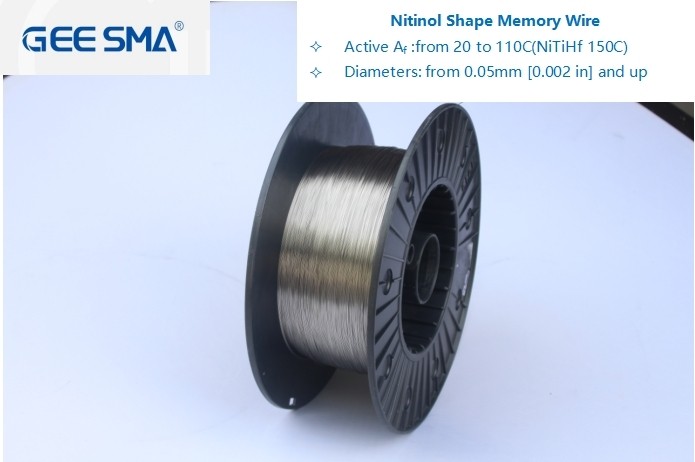
In the ever-evolving world of materials science, advancements in nitinol super elastic applications have paved the way for innovative solutions across various industries. This remarkable shape memory alloy continues to redefine what’s possible, offering unique properties that enhance performance and functionality. From medical devices to aerospace technology, the impact of nitinol alloys is profound and far-reaching.
Advancements in Nitinol Super Elastic Applications
The versatility of superelastic nitinol has led to significant advancements in its applications, particularly in fields like medicine and robotics. The ability of nitinol wire to return to its original shape after deformation makes it an ideal choice for stents and minimally invasive surgical tools, providing better patient outcomes. Furthermore, innovations in SMA alloys are pushing boundaries by integrating these materials into soft robotics and wearable technology, showcasing their adaptability.
The Future of Memory Metal Alloys
Looking ahead, the future of memory metal alloys appears bright as research continues to unlock new potential uses for these fascinating materials. As industries explore enhanced properties of nitinol alloy—such as improved fatigue resistance or biocompatibility—the possibilities seem endless. With a growing focus on sustainability and efficiency, we can expect more eco-friendly initiatives leveraging the unique characteristics of superelastic nitinol.
GEE SMA's Commitment to Innovation
GEE SMA stands at the forefront of this technological revolution with a steadfast commitment to innovation in nitinol super elastic applications. By investing in research and development, GEE SMA aims to refine existing products while exploring new avenues for shape memory alloys that could transform everyday life. Their dedication not only enhances product performance but also ensures that they remain leaders in the field of advanced materials.