

Introduction
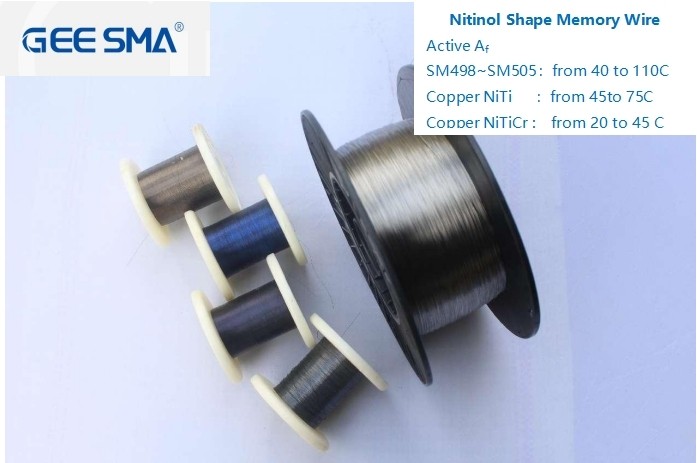
Nitinol, a remarkable alloy of nickel and titanium, has garnered significant attention for its unique properties and versatile applications across various industries. This shape memory alloy is not just a scientific curiosity; it plays a crucial role in modern technology, particularly in fields such as medicine, aerospace, and robotics. Understanding the mechanical properties of Nitinol—such as yield strength and Young's modulus—helps us appreciate its importance in real-world applications.
Understanding Nitinol and Its Importance
The significance of Nitinol lies in its extraordinary ability to return to a predetermined shape when heated above a certain temperature. This property makes it invaluable for applications where flexibility and reliability are paramount. Moreover, the unique combination of Nitinol material properties contributes to its widespread use in complex systems that require both strength and adaptability.
Applications of Nitinol in Various Industries
Nitinol's versatility is showcased through its myriad applications ranging from medical devices like stents and guidewires to innovative actuators in robotics. In the aerospace sector, this alloy is utilized for components that need to withstand extreme conditions while maintaining performance integrity. As industries continue to evolve, the demand for materials with superior mechanical properties—like those found in Nitinol—will undoubtedly increase.
Overview of Nitinol Material Properties
When discussing Nitinol density (kg m³), it’s important to note that this lightweight material offers an excellent strength-to-weight ratio that enhances its usability across different sectors. The mechanical properties of nitinol can be further explored through metrics such as yield strength and Young's modulus, which provide insights into how this alloy behaves under stress or deformation. By understanding these fundamental characteristics, we can better appreciate why Nitinol is often the material of choice for high-performance applications.
Overview of Nitinol Properties
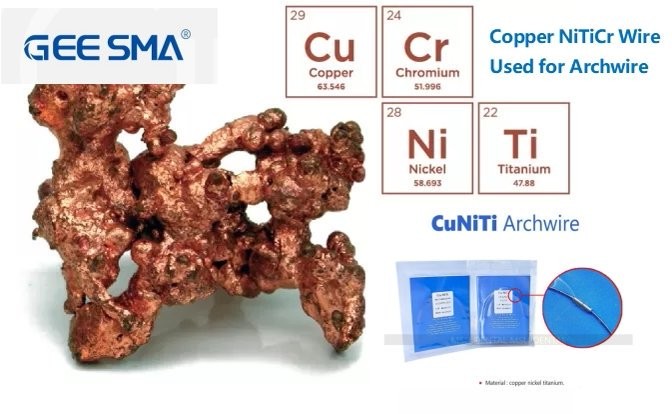
Nitinol, a remarkable alloy primarily composed of nickel and titanium, boasts unique properties that set it apart from traditional metals. Understanding the composition of Nitinol is crucial in grasping its diverse applications across various industries. This section delves into the specific material properties of Nitinol, including its density and how it compares to other alloys.
Explanation of Nitinol Composition
The composition of Nitinol typically consists of approximately 50-60% nickel and 40-50% titanium by weight. This specific ratio is essential for achieving the alloy's distinctive phase transformation characteristics, which contribute to its shape memory effect and superelasticity. The unique blend not only defines the mechanical properties of Nitinol but also influences its performance in applications ranging from medical devices to aerospace components.
Nitinol Density in kg m3
When discussing the mechanical properties of Nitinol, one cannot overlook its density, which generally ranges between 6,000 to 6,500 kg/m³. This relatively low density contributes to the lightweight nature of Nitinol, making it an ideal choice for applications where weight savings are critical without compromising strength or durability. The combination of low density and impressive mechanical properties makes Nitinol a standout option among advanced materials.
Comparison with Other Alloys
In comparison to other alloys such as stainless steel or titanium alloys, Nitinol exhibits superior mechanical properties that enhance its versatility in various applications. For instance, while stainless steel has a higher yield strength than many materials at around 250 MPa, Nitinol's yield strength can vary significantly depending on its treatment but often exceeds this value when optimized for specific uses. Moreover, unlike conventional alloys that may suffer from fatigue over time under repetitive stress conditions, the unique behavior under stress exhibited by Nitinol allows it to return to its original shape after deformation—an invaluable trait for numerous engineering solutions.
Mechanical Properties of Nitinol
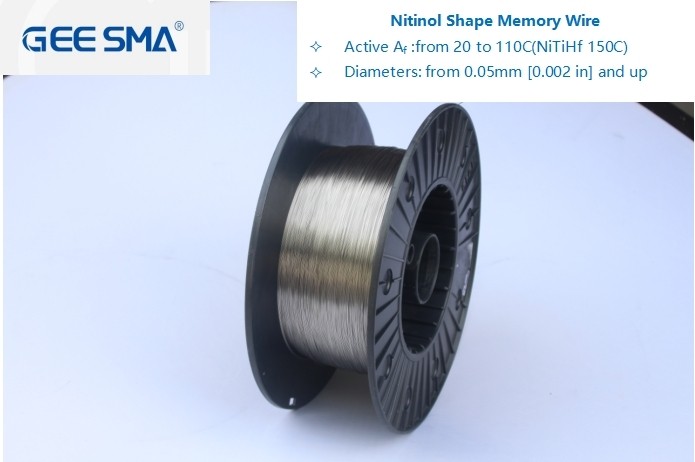
When discussing the mechanical properties of Nitinol, one must appreciate its unique characteristics that set it apart from traditional metals and alloys. The interplay between its shape memory effect and mechanical behavior results in a material that is not only versatile but also remarkably resilient under various conditions. Understanding these properties is crucial for engineers and designers who aim to harness Nitinol's full potential in innovative applications.
Insights into Nitinol Yield Strength
Nitinol yield strength is a pivotal aspect of its mechanical properties, influencing how the material responds to applied forces. Typically, the yield strength of Nitinol ranges from 200 to 800 MPa, depending on its specific composition and processing methods. This range allows for significant deformation without permanent damage, making it ideal for applications requiring flexibility and resilience.
The yield strength also plays a critical role in determining the limits of design when using Nitinol in various engineering contexts. For instance, medical devices such as stents benefit from this property, as they must withstand bodily forces while maintaining their intended shape and function. Moreover, understanding the yield strength helps engineers anticipate how components will perform over time under different loading conditions.
Nitinol Young's Modulus Explained
Young's modulus is another essential parameter when evaluating the mechanical properties of Nitinol; it quantifies the material's stiffness or rigidity under tension or compression. For Nitinol, Young's modulus typically falls between 70 and 80 GPa, which is lower than many conventional metals like steel but still provides adequate support for numerous applications. This relatively low modulus can be advantageous in scenarios where flexibility and adaptability are more desirable than sheer stiffness.
The implications of Young’s modulus extend beyond simple calculations; they influence how structures made from Nitinol behave during operation. For instance, components subjected to cyclic loading will exhibit different fatigue behaviors compared to those made from stiffer materials. Thus, understanding Young’s modulus allows designers to optimize their use of this remarkable alloy effectively.
Behavior Under Stress
When subjected to stress, the behavior of Nitinol showcases some fascinating characteristics rooted in its unique phase transformation capabilities—this is where it truly shines among other materials! Under tensile stress, for instance, Nitinol can undergo a reversible phase transformation that allows it to return to its original shape after being deformed within certain limits. This property not only enhances durability but also contributes significantly to its overall performance across various applications.
Additionally, studying how stress affects Nitinol helps engineers predict failure modes and design safer structures or devices that utilize this alloy effectively. As with any material analysis, understanding these behaviors under stress informs decisions regarding load-bearing applications—especially critical in fields like aerospace or biomedical engineering where safety cannot be compromised. Ultimately, comprehending these aspects solidifies our grasp on why this alloy has garnered attention across multiple industries.
Shape Memory Effect in Nitinol
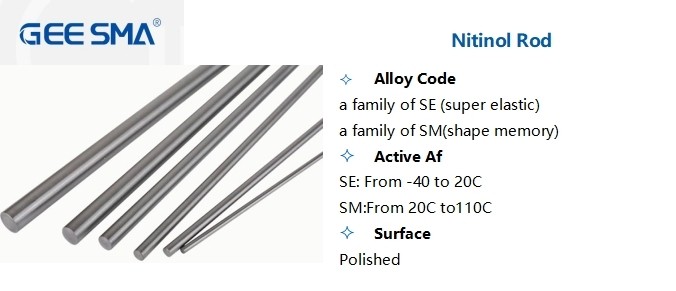
Nitinol is renowned for its remarkable shape memory effect, a property that enables it to return to a predetermined shape when heated above a certain temperature. This unique behavior stems from the material's phase transformation, where it can exist in two distinct crystalline structures: austenite and martensite. The ability to remember shapes gives Nitinol its edge over traditional materials, making it an invaluable asset across various industries.
What is the Shape Memory Effect?
The shape memory effect is the phenomenon where Nitinol can undergo significant deformation at lower temperatures but returns to its original shape upon heating. This transformation is reversible and relies on the mechanical properties of Nitinol, which are influenced by factors like composition and temperature. Essentially, when you cool Nitinol down to below its transformation temperature, it becomes pliable; heat it up again, and watch as it springs back into form—like magic!
Transformation Temperature Ranges
Understanding the transformation temperature ranges of Nitinol is crucial for harnessing its unique properties effectively. Typically, these temperatures can vary widely depending on alloy composition and processing techniques; they usually fall between 20°C to 100°C for the martensitic start (Ms) and finish (Mf) temperatures, while the austenitic start (As) and finish (Af) can reach up to 80°C or higher. This range allows engineers to tailor Nitinol for specific applications by adjusting these thermal thresholds according to their needs.
Applications of the Shape Memory Effect
The applications of the shape memory effect are nothing short of fascinating! In medical devices, for instance, Nitinol's ability to revert back to a pre-defined shape makes it ideal for stents that expand within blood vessels upon reaching body temperature—essentially saving lives with style! Beyond healthcare, you'll find this nifty property in robotics where actuators made from Nitinol mimic muscle movement or even in eyeglass frames that bounce back after being bent—talk about resilience!
Advantages of Using Nitinol
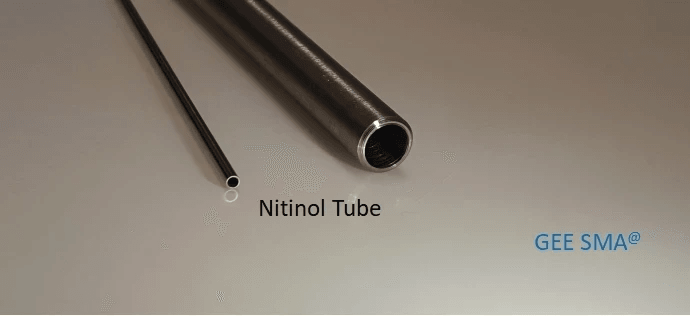
Nitinol, a remarkable alloy of nickel and titanium, boasts several advantages that make it a standout material across various industries. Its unique mechanical properties of Nitinol, including its shape memory effect and superelasticity, are complemented by its corrosion resistance, lightweight nature, and biocompatibility. These traits not only enhance its functionality but also expand its applications in fields ranging from aerospace to medicine.
Corrosion Resistance and Durability
One of the most impressive Nitinol material properties is its exceptional corrosion resistance. This quality allows Nitinol to withstand harsh environments without deteriorating, making it an ideal choice for applications exposed to moisture or chemicals. Additionally, the durability of Nitinol ensures that components remain reliable over time, reducing the need for frequent replacements and maintenance.
The mechanical properties of Nitinol play a crucial role in its durability; for instance, the alloy's yield strength allows it to endure significant stress without permanent deformation. This resilience is particularly beneficial in medical devices like stents or surgical instruments that must maintain integrity under varying conditions. Thus, choosing Nitinol not only means leveraging high-performance materials but also investing in longevity.
Lightweight Characteristics
When it comes to materials used in engineering and design, weight matters—especially in aerospace and automotive applications where efficiency is key. The low density of Nitinol (approximately 6,450 kg/m³) contributes significantly to its lightweight characteristics while maintaining robust strength levels through impressive mechanical properties like high yield strength and Young's modulus. This combination allows manufacturers to create lighter structures without compromising on performance.
In practical terms, using lightweight materials like Nitinol can lead to reduced fuel consumption in vehicles or aircraft while enhancing overall performance metrics. Moreover, this characteristic makes it easier to handle during manufacturing processes compared to heavier alternatives such as steel or titanium alloys. Ultimately, lighter components can lead to innovative designs that push the boundaries of what's possible.
Biocompatibility for Medical Applications
Nitinol's biocompatibility sets it apart as a leading choice for medical applications where interaction with human tissue is inevitable. Its composition ensures minimal adverse reactions when implanted into the body—an essential factor for devices like stents or orthopedic implants designed for long-term use within patients. The combination of mechanical properties such as yield strength and elasticity further enhances patient safety by allowing devices to adapt effectively within biological environments.
Moreover, with an increasing focus on minimally invasive procedures in modern medicine, the lightweight characteristics of Nitinol allow for smaller incisions and quicker recovery times compared to traditional materials. As healthcare continues evolving towards more patient-friendly solutions, innovations utilizing Nitinol will likely become even more prevalent across various medical fields—from cardiovascular interventions to orthopedic surgeries.
In conclusion, the advantages provided by Nitinol—its corrosion resistance and durability; lightweight characteristics; and biocompatibility—underscore why it's becoming a go-to material across multiple industries today.
GEE SMA and Nitinol Innovations
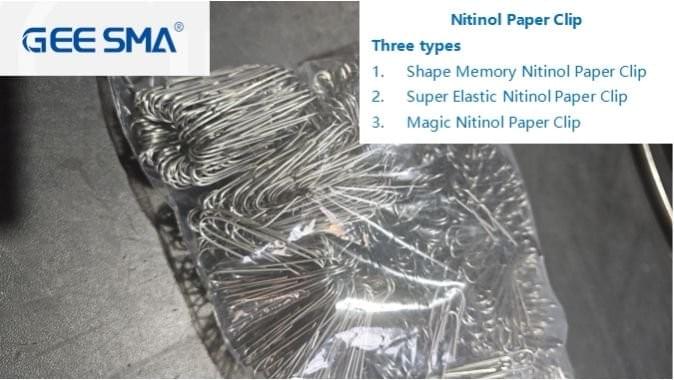
Nitinol, with its unique mechanical properties, has found a significant ally in GEE SMA (Smart Material Applications). This collaboration has led to remarkable advancements in the application of Nitinol across various sectors. By leveraging the exceptional characteristics of Nitinol material properties, GEE SMA has positioned itself at the forefront of innovative solutions that enhance performance and efficiency.
Overview of GEE SMA's Contributions
GEE SMA has played a pivotal role in harnessing the potential of Nitinol, particularly through its innovative engineering approaches. The company focuses on integrating Nitinol into designs that require high reliability and versatility, showcasing how Nitinol's mechanical properties can be optimized for specific applications. With an emphasis on research and development, GEE SMA continues to push boundaries, ensuring that the unique aspects of Nitinol yield strength and Young's modulus are fully realized in their products.
Nitinol in Space Missions and Applications
The aerospace industry is one of the most exciting arenas for Nitinol applications, where its lightweight characteristics and durability are invaluable. In space missions, components made from this alloy can withstand extreme conditions while maintaining their integrity due to its impressive mechanical properties. From actuators to deployable structures, the use of Nitinol not only enhances mission success but also reduces overall weight—a crucial factor when it comes to launching payloads into orbit.
Future Prospects for Nitinol Advancements
Looking ahead, the future prospects for advancements in Nitinol technology are incredibly promising. Researchers are exploring new methods to manipulate its transformation temperatures and expand its applications even further beyond current limitations. As we continue to uncover more about the density of nitinol (kg m3) and refine our understanding of its mechanical properties—such as yield strength and Young's modulus—the possibilities seem endless for this remarkable material.
Conclusion
Nitinol stands out as a remarkable material with unique properties that set it apart from traditional alloys. Its exceptional mechanical properties of nitinol, including its yield strength and Young's modulus, contribute to its versatility across various applications. Additionally, the intriguing shape memory effect and superelasticity further enhance the allure of this extraordinary alloy.
Recap of Nitinol's Unique Properties
The Nitinol material properties are characterized by a combination of strength, flexibility, and responsiveness to temperature changes. With a density typically around 6,450 kg m³, Nitinol is both lightweight and durable, making it suitable for demanding environments such as medical devices and aerospace applications. Moreover, its mechanical properties of nitinol allow it to recover its original shape after deformation, showcasing an impressive resilience that few materials can match.
Importance of Nitinol in Modern Technology
In modern technology, the significance of Nitinol cannot be overstated; it plays a crucial role in industries ranging from healthcare to robotics. Its biocompatibility makes it ideal for medical implants and surgical instruments where patient safety is paramount. Furthermore, the mechanical properties of nitinol enable engineers to design more efficient systems in aerospace engineering and automotive sectors—where weight reduction without compromising performance is essential.
The Future of Nitinol and Its Applications
Looking ahead, the future of Nitinol appears bright with ongoing research aimed at enhancing its capabilities even further. Innovations in processing techniques may lead to improvements in Nitinol density kg m³ or alterations in transformation temperatures to broaden its application range. As industries continue to discover new uses for this versatile alloy—such as smart textiles or advanced robotics—the potential for groundbreaking advancements remains limitless.