

Introduction
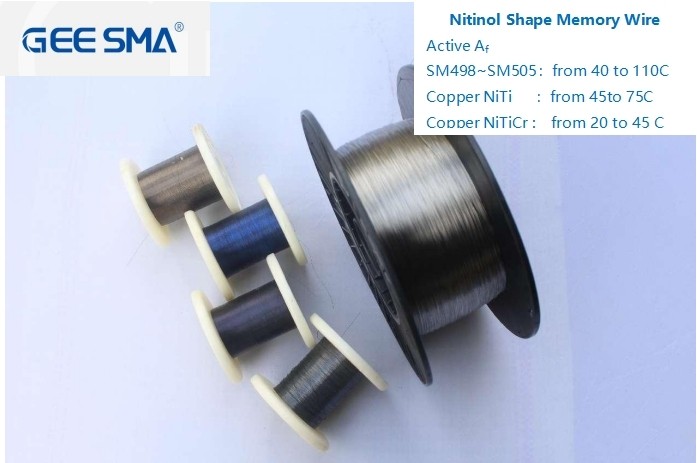
Nitinol, a remarkable alloy of nickel and titanium, has captured the imagination of scientists and engineers alike due to its unique properties and transformative potential in various fields. This introduction will explore the essence of Nitinol memory, shedding light on its fascinating memory effect, how it operates in applications like Nitinol memory wire, and what sets it apart from other materials. Additionally, we will touch upon GEE SMA (Shape Memory Alloy) and its significant contributions to innovative technologies.
Understanding Nitinol's Unique Properties
At the heart of Nitinol's allure lies its extraordinary ability to undergo phase transformations between different crystal structures when subjected to temperature changes. This phenomenon gives rise to the memory effect of Nitinol, enabling it to remember a predetermined shape that can be restored upon heating. Such unique properties make Nitinol not just an alloy but a game-changer in engineering solutions across diverse sectors.
The Role of Nitinol in Innovative Technologies
Nitinol's versatility has paved the way for groundbreaking innovations in medical devices, robotics, and aerospace industries. By harnessing the power of Nitinol memory, engineers have developed tools that can adapt dynamically to their environment—think stents that expand within arteries or actuators that move with precision in robotic arms. As technology advances, the role of Nitinol continues to expand, driving innovations that were once thought impossible.
Introduction to GEE SMA and Its Impact
GEE SMA is at the forefront of integrating Nitinol into cutting-edge applications with far-reaching implications for space missions and beyond. By utilizing the unique characteristics of Nitinol memory, GEE SMA enhances performance while minimizing weight—an essential factor for aerospace engineering. The impact is profound: as we push boundaries into new frontiers, GEE SMA exemplifies how advanced materials can revolutionize our approach to challenges faced in extreme environments.
What is Nitinol and Its Applications
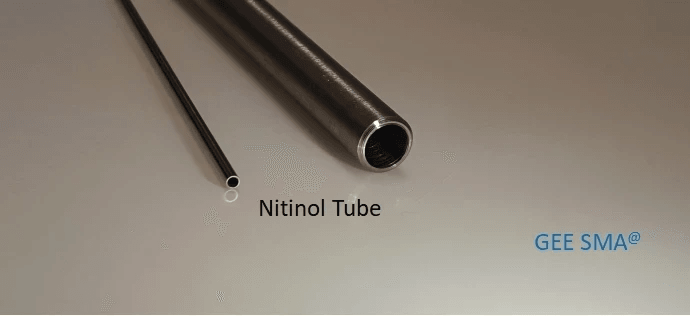
Nitinol, an alloy of nickel and titanium, is renowned for its unique properties that set it apart from traditional materials. The term Nitinol itself derives from its composition (Nickel Titanium Naval Ordnance Laboratory), hinting at its naval origins. With a combination of shape memory and superelasticity, nitinol memory has found applications across various industries, making it a focal point in innovative technologies.
Overview of Nitinol Alloys
Nitinol alloys are primarily categorized into two types: shape memory alloys (SMAs) and superelastic alloys. The memory effect of Nitinol allows it to return to a predetermined shape when heated above a specific temperature, while the superelastic variant can undergo significant deformation without permanent change. This remarkable duality makes nitinol particularly special, as it can adapt to different scenarios depending on the application.
The composition of nitinol can vary slightly based on the intended use; for instance, medical-grade nitinol often contains higher nickel content for enhanced biocompatibility. Understanding how to change Nitinol memory through heat treatment or alloying processes can tailor these properties even further for specialized applications. Thus, the versatility of nitinol alloys opens doors to countless innovations in engineering and technology.
Key Applications Across Industries
The applications of nitinol are as diverse as they are impressive, spanning fields such as medicine, robotics, automotive engineering, and aerospace. In the medical sector alone, nitinol is used in stents and guidewires due to its flexibility and biocompatibility—qualities that ensure patient safety while providing effective solutions. Moreover, in robotics, actuators made from Nitinol memory wire enable precise movements that mimic natural muscle contractions.
In automotive engineering, components made from this remarkable alloy enhance performance by reducing weight while maintaining structural integrity—an essential factor for fuel efficiency and overall vehicle performance. Meanwhile, aerospace engineers have begun exploring how this innovative material can withstand extreme conditions while still being lightweight enough for aircraft design. As industries continue to evolve technologically, the role of nitinol will only expand further.
Innovations Driven by Nitinol Memory
Innovations driven by Nitinol's unique properties are reshaping multiple sectors by introducing cutting-edge solutions that were previously unimaginable. For example, researchers are developing smart textiles embedded with Nitinol memory wire that responds to temperature changes or physical stimuli—transforming everyday clothing into adaptive wearables that could revolutionize fashion and functionality alike!
In addition to fashion tech innovations like these smart textiles, other advancements include self-healing materials where nitinol's ability to revert back to its original form after deformation plays a crucial role in prolonging product life cycles across various applications—from consumer electronics to construction materials!
As we look ahead at future trends in technology influenced by this incredible alloy's capabilities—including potential breakthroughs in energy storage systems—the possibilities seem boundless when harnessing the power behind what makes Nitinol so special!
The Science Behind Nitinol Memory
Nitinol, a remarkable alloy made primarily of nickel and titanium, exhibits a fascinating phenomenon known as the memory effect. This unique property allows Nitinol to return to its predetermined shape after deformation when heated above a certain temperature. Understanding this memory effect is crucial for harnessing the potential of Nitinol in various applications, from medical devices to robotics.
What is the Memory Effect of Nitinol?
The memory effect of Nitinol refers to its ability to remember a specific shape or configuration even after being deformed. When cooled below a certain transformation temperature, Nitinol can be easily bent or twisted into different shapes; however, once it is reheated, it returns to its original form. This incredible characteristic makes Nitinol memory wire particularly useful in applications where flexibility and strength are required simultaneously.
What is so special about Nitinol’s memory effect? It not only enables precise control over movement but also allows for innovations that were previously unimaginable in engineering and design. From self-expanding stents in medicine to robotic actuators that mimic natural movements, the possibilities are endless when leveraging this unique property.
The Mechanism of Nitinol Transformation
The transformation mechanism behind Nitinol's memory involves two distinct phases: martensite and austenite. At lower temperatures, the alloy exists in the martensitic phase, which is more malleable and can be easily deformed. Upon heating above its transformation temperature, it transitions into the austenitic phase—stiffening up and reverting back to its memorized shape.
Understanding how Nitinol memory works at this molecular level helps researchers develop techniques for changing Nitinol memory properties effectively. By manipulating factors like temperature and stress during manufacturing processes, engineers can tailor these transformations for specific applications—whether it's creating more efficient surgical instruments or enhancing performance in aerospace components.
Understanding the Thermo-mechanical Behavior
The thermo-mechanical behavior of Nitinol plays an essential role in how effectively it operates under varying conditions. When subjected to heat or mechanical stress, the alloy undergoes phase transformations that dictate how it will respond—whether by bending or returning to its original shape. This behavior is not only fascinating from a scientific perspective but also critical when considering how to change Nitinol memory for tailored applications.
By studying these thermo-mechanical properties further, engineers can optimize designs that leverage both strength and flexibility while ensuring reliability across diverse environments—from extreme temperatures found in space missions to everyday use cases like eyeglass frames and dental braces.
In conclusion, understanding the science behind nitinol memory opens doors for innovative solutions across various industries while showcasing just what makes this material so special!
How Does Nitinol Memory Wire Work?
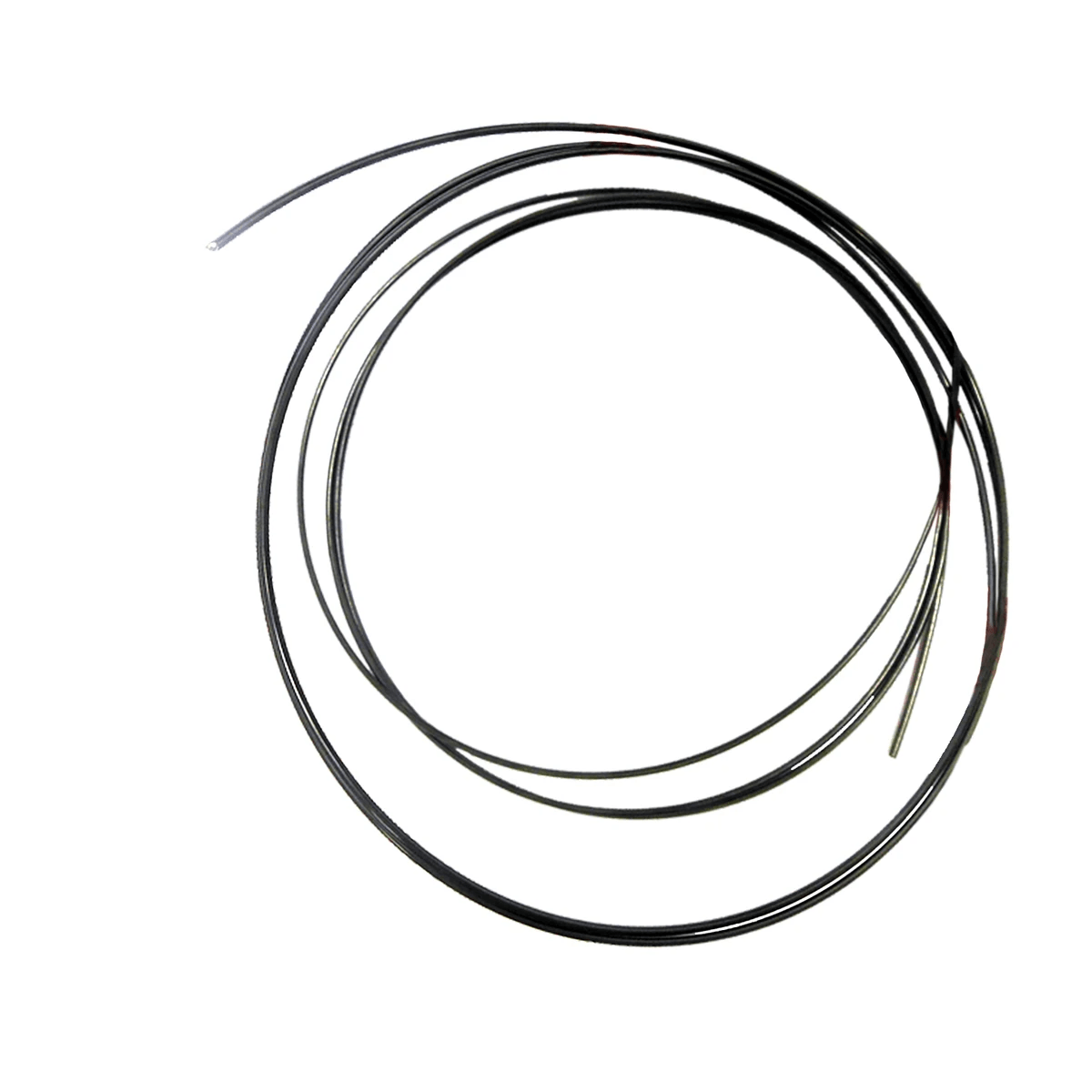
Nitinol memory wire is a fascinating application of Nitinol's unique properties, primarily driven by its exceptional ability to remember its original shape. This is achieved through the material's phase transformation, which occurs when it is heated or cooled. Understanding how Nitinol memory wire works not only reveals the magic behind its functionality but also showcases the incredible potential of this alloy in various applications.
The Functionality of Nitinol Memory Wire
At its core, the functionality of Nitinol memory wire hinges on what is known as the memory effect of Nitinol. When deformed at lower temperatures, the wire can revert to its pre-set shape upon heating, demonstrating a remarkable transformation that defies conventional materials. This unique characteristic allows for applications ranging from medical devices to robotics, where precise movement and shape retention are crucial.
The mechanism behind how does Nitinol memory wire work involves two primary phases: martensite and austenite. In its martensitic phase (at lower temperatures), the wire can be easily bent or twisted into various shapes. When heated above a specific temperature threshold, it transitions into the austenitic phase and returns to its original form with impressive speed and force—an extraordinary demonstration of how to change Nitinol memory through thermal manipulation.
Real-World Examples of Nitinol Wire Use
Nitinol wire has carved out a niche in several industries due to its versatility and reliability. In medicine, for instance, it is commonly used in stents that expand within blood vessels after being inserted in their compressed state; this life-saving application highlights how vital nitinol memory can be in healthcare innovation. Similarly, in robotics and actuators, Nitinol wires provide precise movements without complex mechanical systems—just think about soft robotics that mimic natural movements thanks to this incredible material.
Another compelling example lies within aerospace applications where lightweight materials are essential for efficiency and performance. Engineers utilize nitinol wires for deploying satellite antennas or solar panels; once activated by heat from sunlight or electrical sources, these components unfold seamlessly from compact configurations—showcasing not just what is so special about Nitinol but also how it facilitates advancements in technology.
Advantages of Nitinol Over Traditional Materials
When comparing nitinol with traditional materials like steel or aluminum, several advantages come to light that make nitinol an attractive option across various fields. For starters, nitinol's unique properties enable it to withstand significant deformation while maintaining structural integrity—a feat not easily accomplished by conventional alloys. This resilience translates into longer-lasting products that require less maintenance and replacement over time.
Moreover, one cannot overlook the weight advantage; nitinol weighs significantly less than many traditional materials while providing similar strength levels—ideal for applications where reducing mass is critical without sacrificing performance. Additionally, thanks to its biocompatibility and corrosion resistance properties, nitinol finds itself at home in environments ranging from medical implants to marine applications where traditional metals would falter.
In conclusion, understanding how does nitinol memory wire work opens up exciting avenues for innovation across multiple industries while underscoring why this remarkable alloy continues gaining traction over more conventional options as we explore new frontiers in technology.
What is So Special About Nitinol?
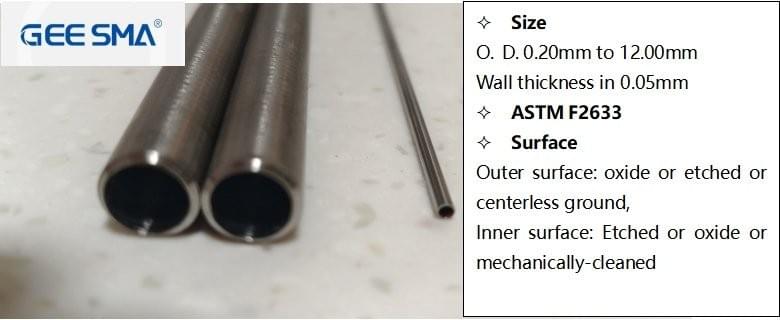
Nitinol, a remarkable alloy of nickel and titanium, stands out due to its unique properties that combine shape memory and superelasticity. This means that Nitinol can return to its original shape after deformation when heated above a certain temperature, a phenomenon known as the memory effect of Nitinol. Its versatility makes it an invaluable material across various industries, from medical devices to robotics.
Distinct Characteristics of Nitinol
What sets Nitinol apart from other materials is its distinctive characteristics, particularly its ability to remember shapes through thermal changes. When discussing the memory effect of Nitinol, one must consider how it can undergo significant deformation at lower temperatures but revert back to a predetermined shape when heated. This unique property enhances not only the functionality but also the durability of products made from this alloy.
Additionally, Nitinol exhibits superelasticity at body temperature, allowing it to absorb considerable stress without permanent deformation. Its biocompatibility further adds to its appeal in medical applications such as stents and guidewires. These distinct characteristics make Nitinol an extraordinary choice for engineers seeking innovative solutions.
Comparing Nitinol with Other Alloys
When comparing Nitinol with other alloys, it's clear that few materials can match its combination of strength and flexibility. Traditional metals like stainless steel may offer good mechanical properties but lack the transformative capabilities inherent in nitinol memory technology. While other materials may excel in specific applications, none possess the same level of adaptability as Nitinol when considering how does nitinol memory wire work in practical scenarios.
For example, while aluminum is lightweight and corrosion-resistant, it doesn’t offer the same shape recovery features that make nitinol so special. Similarly, while polymers may provide flexibility and low weight for some applications, they often cannot withstand high temperatures or stress levels like nitinol can. Thus, when evaluating material choices for advanced engineering projects or medical devices, Nitinol consistently emerges as a superior option due to these unique attributes.
Nitinol's Role in Modern Engineering
Nitinol's role in modern engineering cannot be overstated; it has revolutionized various fields by enabling designs that were previously thought impossible. The memory effect of Nitinol allows engineers to create components that are both compact and highly functional—think self-expanding stents or actuators that respond dynamically to environmental changes! As we explore how to change nitinol memory through treatments or processing techniques, we unlock even more potential applications for this remarkable alloy.
Moreover, industries ranging from aerospace to consumer electronics are continuously finding new uses for nitinol due to its lightweight yet strong nature combined with thermal responsiveness. For instance, in space missions where every ounce counts and reliability is paramount; nitinol components ensure optimal performance under extreme conditions without failure risk. As we look ahead at future trends in engineering technology driven by innovations like GEE SMA (a specialized form of nitinol), it's evident that this alloy will remain at the forefront of advancements.
How to Change Nitinol Memory
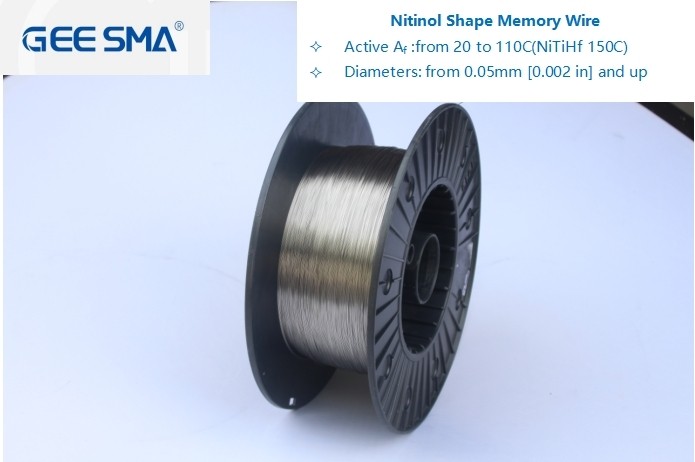
Nitinol, with its remarkable memory properties, can be tailored for specific applications by modifying its characteristics. Understanding how to change Nitinol memory is crucial for engineers and designers looking to harness this unique alloy effectively. The techniques employed not only enhance its performance but also expand its range of applications across various industries.
Techniques for Modifying Nitinol Properties
Modifying the properties of nitinol involves several techniques that can alter its phase transformation temperatures and mechanical behavior. One common method is through alloying, where different elements are added to create a customized composition that meets specific requirements. Additionally, processes like cold working and heat treatment can be utilized to refine the microstructure of nitinol, allowing for enhanced performance in applications that leverage the memory effect of nitinol.
Another effective technique is the application of surface treatments, which can improve corrosion resistance and wear properties without compromising the underlying shape memory capabilities. By strategically altering these properties, manufacturers can tailor nitinol components for precise functions in medical devices or robotics. Ultimately, understanding these techniques allows engineers to push the boundaries of what is possible with this extraordinary material.
Importance of Heat Treatment
Heat treatment plays a pivotal role in changing nitinol memory by establishing desired phase transformations within the alloy. This process typically involves heating nitinol above a certain temperature followed by controlled cooling, which helps set its shape memory characteristics effectively. The right heat treatment regimen ensures that nitinol retains its unique ability to return to a predetermined shape after deformation—an essential feature when considering how does nitinol memory wire work in practical applications.
Moreover, heat treatment influences not only the temperature at which phase changes occur but also enhances overall mechanical strength and fatigue resistance. This means that properly treated nitinol components are better suited for dynamic environments where reliability is paramount—think surgical tools or actuators in aerospace engineering! As such, mastering heat treatment methods is crucial for optimizing nitinol's special characteristics.
Future Trends in Nitinol Memory Technology
The future of nitinol memory technology looks promising as research continues to unveil new possibilities within this fascinating material realm. Emerging trends include advancements in additive manufacturing techniques that allow for more complex designs leveraging the unique properties of nitinol—think custom implants or intricate robotic parts! There’s also growing interest in developing smart materials that incorporate sensors alongside traditional uses of nitinol memory.
Additionally, innovations aimed at enhancing energy efficiency through improved thermal management systems are on the rise as industries seek sustainable solutions without sacrificing performance. These advancements will likely lead to even broader applications across sectors like healthcare and aerospace while reinforcing what is so special about Nitinol? Its adaptability and versatility make it an invaluable asset moving forward into new technological frontiers.
Conclusion
Nitinol has emerged as a game-changer in various technological fields, thanks to its unique properties and the fascinating concept of nitinol memory. As we look ahead, the future of nitinol in technology appears bright, with ongoing research and innovative applications that could redefine industries. From medical devices to robotics, the potential for nitinol to revolutionize our approach to engineering is immense.
The Future of Nitinol in Technology
The future of nitinol in technology is poised for exciting developments driven by its remarkable memory effect. What is the memory effect of Nitinol? It's this incredible ability to return to a predetermined shape when heated that makes it so appealing for engineers and designers alike. As we continue to explore how to change Nitinol memory through advanced processing techniques, we're likely to see even more tailored applications emerge.
In sectors like aerospace and healthcare, innovations utilizing Nitinol's unique characteristics are already paving the way for smarter designs and enhanced performance. The adaptability of nitinol memory wire presents opportunities for creating devices that respond dynamically to environmental changes or user needs. With a commitment to research and development, the possibilities for harnessing this remarkable material are virtually endless.
GEE SMA’s Contribution to Space Missions
GEE SMA has made significant strides in integrating nitinol into space missions, showcasing how this alloy can withstand extreme conditions while delivering outstanding performance. By leveraging what is so special about Nitinol—its lightweight nature combined with strength—GEE SMA has developed systems that enhance spacecraft functionality and reliability. The use of nitinol memory wire in these applications not only improves efficiency but also reduces overall mission costs.
As space exploration continues to advance, GEE SMA's contributions highlight the critical role that advanced materials like Nitinol play in overcoming challenges faced by engineers and scientists alike. The ability of nitinol memory wire to adapt under varying temperatures makes it an ideal candidate for components subjected to harsh environments beyond Earth’s atmosphere. This innovative approach may very well set new standards for future missions.
Nitinol's Potential in Everyday Applications
Beyond high-tech industries, nitinol holds great promise for everyday applications that can enhance our daily lives significantly. From eyeglass frames that spring back into shape after being bent, thanks to their nitinol construction, to self-adjusting stents used in medical procedures—what is so special about Nitinol truly shines through here. The versatility offered by how does Nitinol memory wire work opens up avenues across consumer products as well.
Moreover, understanding how to change Nitnol memory can lead us toward even more practical uses—from smart textiles that adjust based on temperature changes to innovative home appliances designed with flexibility in mind. As consumers become increasingly aware of such technologies, we can expect a growing demand for products featuring this unique material's capabilities. Ultimately, as we harness the power of nitinol further into everyday life, we unlock solutions previously thought impossible.