

Introduction

Nitinol, a remarkable alloy of nickel and titanium, has captured the attention of researchers and engineers alike due to its unique properties and versatile applications. This exciting material is not just another metal; it boasts extraordinary characteristics, including shape memory and superelasticity, which make it a game-changer in various technological fields. Understanding nitinol alloys is essential for appreciating their potential impact on industries ranging from medicine to robotics.
Understanding Nitinol Alloys
Nitinol alloys are primarily composed of nickel and titanium in varying ratios, usually around 50% of each element. This specific composition gives rise to the distinctive properties that set nitinol apart from other metals, such as its impressive nitinol yield strength and flexibility under stress. As we delve deeper into the world of nitinol wire properties, we will uncover how these attributes contribute to its growing popularity across different sectors.
The Unique Properties of Nitinol
One of the standout features of nitinol is its ability to undergo significant deformation before returning to its original shape when heated—this is known as the shape memory effect. Coupled with high nitinol yield strength, this property allows for innovative designs that can adapt dynamically in response to environmental changes or mechanical forces. Additionally, the exceptional fatigue resistance found in nitinol wire enhances its durability, making it an ideal choice for applications that demand both reliability and performance.
Applications of Nitinol in Technology
The unique properties of nitinol have led to groundbreaking applications across various fields including medical devices like stents and guidewires that benefit from its flexibility and biocompatibility. In robotics and consumer appliances, the use of nitinol wire enables more compact designs with enhanced functionality thanks to its shape memory effect. As industries continue to explore new possibilities for leveraging these outstanding nitinol properties, we can expect even more innovative solutions that push the boundaries of technology.
Overview of Nitinol Alloy
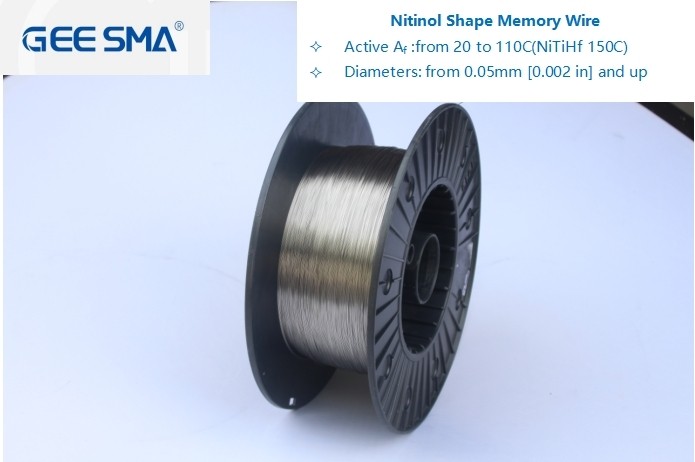
Nitinol, an alloy primarily composed of nickel and titanium, is renowned for its unique properties that set it apart from traditional materials. This section delves into the definition and composition of Nitinol, the specific roles that nickel and titanium play within the alloy, and how Nitinol compares to other types of alloys in terms of performance and application.
Definition and Composition of Nitinol
Nitinol is a metal alloy made up predominantly of nickel (about 55%) and titanium (approximately 45%). This distinctive combination grants it remarkable characteristics such as superelasticity and shape memory effect—two properties that have revolutionized various industries. The balance between these two elements is critical; even slight variations can significantly affect nitinol yield strength, impacting its overall functionality in applications ranging from medical devices to robotics.
The Role of Nickel and Titanium
Nickel serves as a stabilizing agent in Nitinol, while titanium contributes to its flexibility and resilience. Together, they create an alloy that not only exhibits impressive nitinol wire properties but also withstands significant deformation before returning to its original shape. This unique interplay enhances the nitinol yield strength, making it suitable for demanding applications where reliability is paramount.
Comparison with Other Alloys
When compared to other alloys like stainless steel or aluminum, Nitinol stands out due to its extraordinary mechanical properties—especially in terms of nitinol wire properties like elasticity and fatigue resistance. While many metals may bend or break under stress, Nitinol’s ability to return to its original form gives it a clear advantage in fields such as biomedical engineering where precision is crucial. Furthermore, unlike conventional alloys that require complex mechanisms for actuation or movement, the inherent qualities of Nitinol allow for more straightforward designs with fewer moving parts.
Nitinol Yield Strength Explained
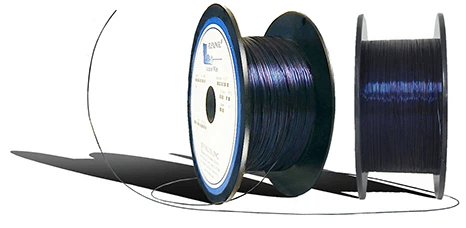
Nitinol, a fascinating alloy of nickel and titanium, exhibits unique yield strength characteristics that set it apart from traditional metals. Yield strength refers to the amount of stress a material can withstand before it deforms permanently, and for nitinol, this property is particularly intriguing due to its shape memory capabilities. Understanding nitinol yield strength is essential for engineers who wish to leverage its remarkable properties in various applications.
Characteristics of Nitinol Yield Strength
The yield strength of nitinol is significantly influenced by its composition and thermal treatment processes. Typically, nitinol wire demonstrates a lower yield strength compared to conventional metals like steel, but it compensates with exceptional elasticity and recovery properties. This means that while it may deform under stress, it can return to its original shape when the stress is removed—thanks to the unique nitinol properties that allow this behavior.
Moreover, the yield strength of nitinol varies depending on its phase—either martensitic or austenitic—which affects how the material responds under load. In practical terms, engineers must consider these characteristics when designing components that will experience dynamic forces or require precise movement. The interplay between these phases allows for innovative uses in various industries where flexibility and resilience are paramount.
Factors Influencing Yield Strength
Several factors play a critical role in determining the yield strength of nitinol wire beyond just its composition. One major factor is temperature; as temperature fluctuates, so does the phase transformation between martensite and austenite phases within the alloy. Higher temperatures typically increase yield strength in the austenitic phase while potentially decreasing it in martensitic conditions.
Additionally, processing techniques such as cold working or heat treatment can significantly alter the mechanical properties of nitinol wire. For instance, cold working increases dislocation density and strengthens the material but may also lead to reduced ductility if overdone. Engineers must carefully balance these factors during manufacturing to achieve optimal performance tailored for specific applications.
Real-World Implications for Engineers
Understanding nitinol yield strength has profound implications for engineers across various fields—from medical devices to aerospace technology. In medical applications like stents or guidewires, knowing how much force nitinol wire can withstand before deforming ensures reliability during procedures where precision is critical. This knowledge helps prevent device failure within patients' bodies where even minor malfunctions could lead to severe consequences.
In aerospace engineering, leveraging nitinol's unique properties allows designers to create lightweight components capable of enduring extreme conditions without permanent deformation—crucial for spacecraft subjected to harsh environments during missions. As industries continue exploring innovative uses for this remarkable alloy, understanding how factors influence its yield strength will remain essential for developing safe and effective solutions.
Nitinol Wire Properties

Nitinol wire properties are fascinating and diverse, making this alloy a standout in various applications. The unique combination of mechanical and thermal properties allows nitinol to perform exceptionally well where traditional materials may falter. Understanding these properties is crucial for engineers and designers who aim to leverage the capabilities of nitinol in innovative ways.
Mechanical and Thermal Properties
When we talk about nitinol yield strength, we’re referring to its remarkable ability to withstand stress while maintaining its shape. Nitinol wires exhibit a unique balance of elasticity and strength, allowing them to return to their original form after deformation—a characteristic that’s particularly valuable in engineering applications. Additionally, the thermal properties of nitinol enable it to operate effectively across a wide temperature range, making it suitable for both high-heat environments and colder conditions.
The transformation temperatures of nitinol can be finely tuned based on its composition, which directly affects the nitinol yield strength. This means that by adjusting the nickel-to-titanium ratio in the alloy, manufacturers can create wire that meets specific mechanical requirements for different applications. Ultimately, these mechanical and thermal characteristics make nitinol wire an excellent choice for industries ranging from aerospace to medical devices.
Benefits for Medical Applications
One area where nitinol wire truly shines is in medical applications due to its biocompatibility and unique shape memory effect. Surgeons use nitinol wires in stents and guidewires because they can adapt their shape according to the body's needs while providing reliable support—this is largely due to favorable nitinol yield strength properties that allow these devices to withstand significant forces without permanent deformation. Moreover, the ability of nitinol wire to revert back to a predetermined shape makes it invaluable in minimally invasive procedures.
Nitinol’s flexibility also translates into reduced trauma during implantation procedures; doctors can navigate through complex anatomical structures with ease using flexible guidewires made from this alloy. Furthermore, since the material is resistant to corrosion and fatigue, it ensures long-lasting performance within the human body—an essential factor when considering medical device longevity. Overall, these benefits highlight why many healthcare professionals have turned towards utilizing advanced nitinol wire properties in their practices.
Performance in Extreme Conditions
Nitinol wire not only excels under normal circumstances but also performs admirably under extreme conditions—think high pressures or severe temperatures! Its exceptional yield strength allows it to maintain structural integrity even when faced with harsh environmental factors typical in aerospace or automotive applications. Engineers often rely on this resilience when designing components that need both flexibility and durability without sacrificing performance.
Additionally, the inherent thermal stability of nitinol means that it won't easily lose its functional characteristics even when exposed continuously to extreme heat or cold—making it ideal for systems operating under such conditions like space exploration technology or deep-sea equipment. The adaptability of this alloy ensures that whether it's bending around tight corners or expanding under heat stress, you can count on your nitinol wire performing reliably every time.
In conclusion, understanding the intricate details surrounding nitinol wire properties reveals just how versatile this material truly is across various industries—from medicine all the way through engineering marvels designed for extreme environments!
Shape Memory Effect of Nitinol
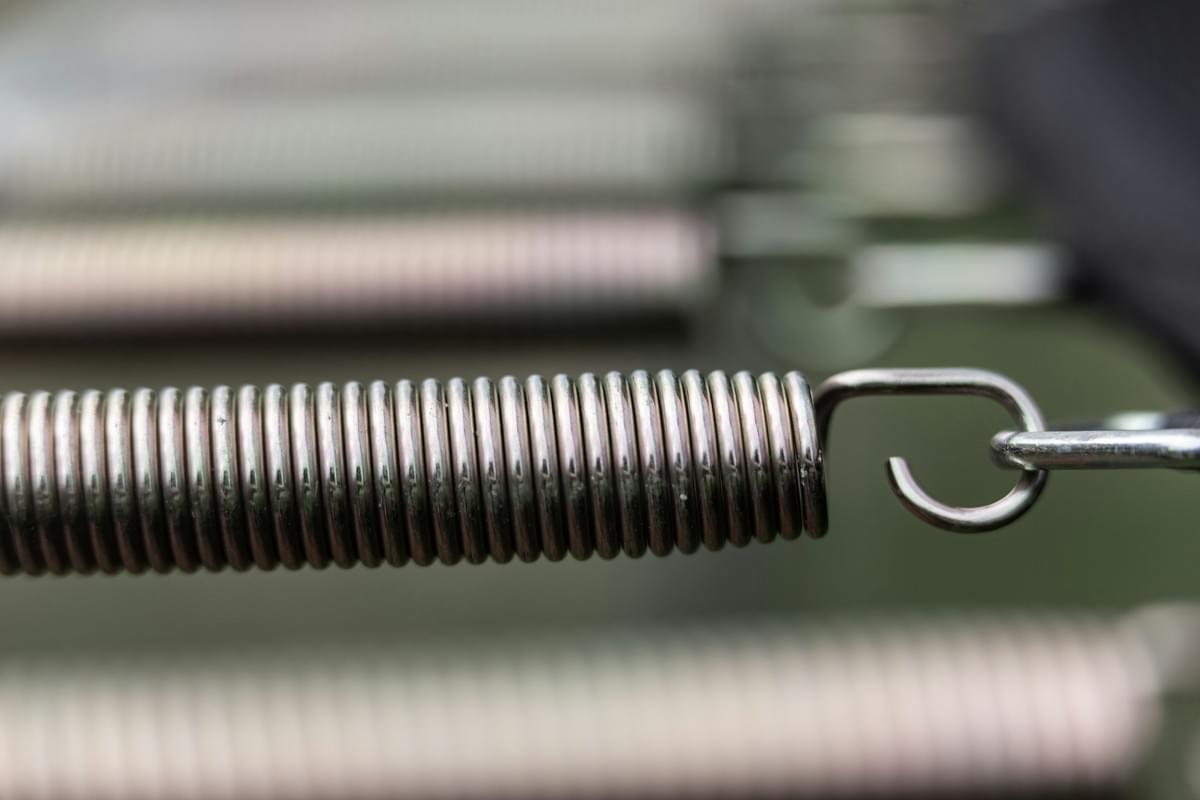
Nitinol is renowned for its remarkable shape memory effect, a phenomenon that allows it to return to a predetermined shape upon heating. This unique property is not only fascinating but also incredibly useful in various applications, especially in the fields of robotics and appliances. Understanding how this effect works can help engineers harness nitinol's potential more effectively.
What Is the Shape Memory Effect?
The shape memory effect refers to the ability of certain materials, like nitinol wire, to remember a specific shape and revert back to it when subjected to heat or stress changes. When cooled below a certain temperature, nitinol can be deformed into another shape; however, once heated above its transformation temperature, it returns to its original configuration. This property makes nitinol an ideal candidate for applications where precise movements and responses are required.
Mechanisms Behind the Effect
The mechanisms behind the shape memory effect in nitinol are rooted in its unique phase transformation characteristics. Nitinol exists in two primary phases: martensite at lower temperatures and austenite at higher temperatures. The transition between these two phases is what enables the material’s incredible flexibility and strength; when a nitinol wire is deformed while in the martensitic state, it retains that deformation until heated enough to shift back into its original austenitic form.
Applications in Robotics and Appliances
Nitinol's shape memory effect has opened up exciting avenues for innovation in robotics and appliances. In robotics, this property allows for compact actuators that can mimic muscle movements with high precision while maintaining excellent nitinol properties such as yield strength and fatigue resistance. Likewise, household appliances leverage this technology for self-adjusting mechanisms or safety features that respond dynamically to changes in temperature or pressure—making everyday tasks easier and safer.
GEE SMA’s Contribution to Nitinol Innovation
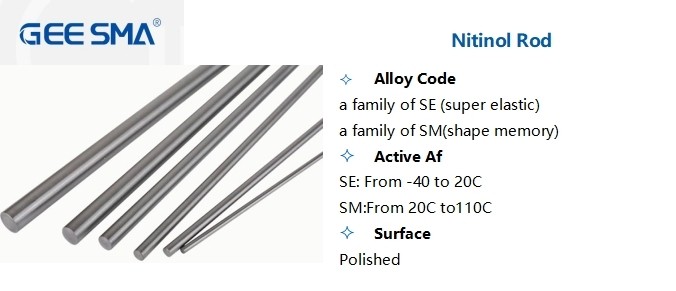
When it comes to the innovation of Nitinol alloys, GEE SMA stands out as a leader in the field. Their commitment to high-quality production ensures that the nitinol wire properties meet and exceed industry standards, making them a reliable source for engineers and manufacturers alike. By focusing on advanced techniques and stringent quality control, GEE SMA enhances the nitinol yield strength, allowing for more robust applications across various sectors.
High-Quality Production of Nitinol Alloys
GEE SMA employs state-of-the-art technology to produce high-quality Nitinol alloys that are essential in numerous applications. The meticulous production process emphasizes not just the composition but also the nitinol properties that contribute to its performance in challenging environments. With a focus on maintaining optimal levels of nickel and titanium, GEE SMA ensures that their nitinol wire exhibits superior yield strength and resilience.
Moreover, this rigorous approach allows for consistent mechanical characteristics across batches, which is vital when engineers rely on specific nitinol wire properties for critical projects. The ability to produce high-quality Nitinol means that manufacturers can trust in its reliability, whether it's being used in medical devices or aerospace components. In essence, GEE SMA's dedication elevates the standards of what can be achieved with Nitinol alloys.
Tailoring Nitinol for Unique Applications
One of GEE SMA's notable strengths lies in their ability to tailor Nitinol alloys specifically for unique applications across various industries. By adjusting alloy compositions and processing methods, they can create customized nitinol wire that meets precise specifications required by engineers tackling complex challenges. This flexibility is crucial because different applications demand varying levels of nitinol yield strength and other physical properties.
For example, medical devices like stents require a specific balance between flexibility and strength; hence tailored nitinol wire properties become indispensable. Similarly, aerospace components may prioritize lightweight attributes without compromising structural integrity—something GEE SMA excels at delivering through innovative alloy formulations. This tailored approach not only enhances performance but also opens up new possibilities for using Nitinol technology in previously unimagined ways.
Supporting Space Missions with Nitinol Technology
GEE SMA has made significant strides in supporting space missions through their cutting-edge advancements in Nitinol technology. In space exploration where reliability is paramount, the unique properties of nitinol become invaluable due to their ability to withstand extreme conditions while maintaining excellent mechanical performance. The enhanced yield strength of specially engineered nitinol wire from GEE SMA provides spacecraft with components that can endure harsh environments without failure.
Moreover, these advancements facilitate innovations such as deployable structures or actuators used in satellite systems—where lightweight yet strong materials are crucial for success. By integrating tailored nitinol solutions into space technologies, GEE SMA not only contributes to current missions but also lays down a foundation for future explorations beyond our planet’s boundaries. Ultimately, their commitment reflects how vital high-performance materials like Nitinol are becoming as we venture further into outer space.
Conclusion
In wrapping up our exploration of Nitinol alloys, it’s clear that these materials possess unique properties that set them apart in various applications. From their impressive yield strength to their remarkable shape memory effect, Nitinol wire is revolutionizing sectors like medicine and robotics. As we look ahead, the potential for Nitinol in technology seems boundless.
Key Takeaways on Nitinol Properties
Nitinol is a fascinating alloy primarily composed of nickel and titanium, known for its distinct properties such as shape memory and superelasticity. The nitinol yield strength plays a crucial role in determining how this material performs under stress, making it an ideal candidate for applications requiring durability and flexibility. Additionally, the nitinol wire properties allow engineers to design innovative solutions that can withstand extreme conditions while maintaining functionality.
The Future of Nitinol Alloys in Industry
Looking to the future, the demand for advanced materials like Nitinol is expected to soar across various industries including aerospace, medical devices, and consumer electronics. As researchers continue to unlock the secrets of nitinol properties and enhance its yield strength through innovative manufacturing techniques, we can anticipate new applications that were once thought impossible. With companies like GEE SMA leading the charge in producing high-quality nitinol wire tailored for specific needs, the horizon is bright for this game-changing alloy.
Why Nitinol is a Game-Changer in Technology
Nitinol stands out as a game-changer due to its unique combination of mechanical properties that allow it to perform tasks traditionally reserved for more rigid materials while being lightweight and adaptable. The versatility offered by nitinol wire opens doors not just in engineering but also in everyday appliances that could benefit from its shape memory effect. Ultimately, as industries embrace these innovative properties of nitinol alloys, we are likely on the cusp of a technological renaissance driven by this extraordinary material.