

Introduction
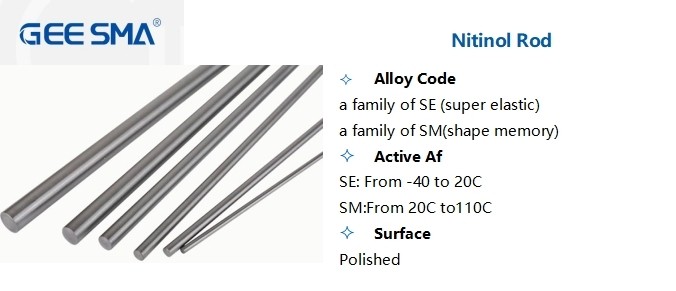
Nitinol, a remarkable alloy of nickel and titanium, has captivated scientists and engineers alike with its unique mechanical properties. This material is not just another metal; it's a game-changer in various industries due to its fascinating capabilities such as the Shape Memory Effect and Superelasticity. As we delve deeper into the world of Nitinol, we uncover why this alloy is considered a marvel of modern engineering.
Understanding Nitinol and Its Allure
The allure of Nitinol lies in its extraordinary ability to return to a predetermined shape when heated, showcasing the renowned Shape Memory Effect. This property enables applications that were once thought impossible, from self-expanding stents in medicine to intricate components in aerospace engineering. With its unique stress-strain behavior, Nitinol stands out among other materials, making it an essential subject for researchers and industry professionals.
Behind the Science: Shape Memory Effect
At the heart of Nitinol's appeal is the Shape Memory Effect, which allows it to remember its original form after deformation when exposed to specific temperatures. This phenomenon occurs due to phase transformations within the alloy's crystalline structure—a captivating interplay between temperature sensitivity and mechanical properties. Understanding this effect not only highlights what makes Nitinol special but also opens doors for innovative applications across various sectors.
Real-World Applications of Nitinol
Nitinol's real-world applications are as diverse as they are impressive, ranging from medical devices like guidewires and stents to actuators in robotics and aerospace technology. Its fatigue resistance ensures longevity even under high-stress conditions, while corrosion resistance allows it to thrive in harsh environments where other materials might fail. As industries continue to explore Nitinol’s potential, we can expect even more groundbreaking uses that leverage its unique mechanical properties for future advancements.
What Are Nitinol’s Mechanical Properties?
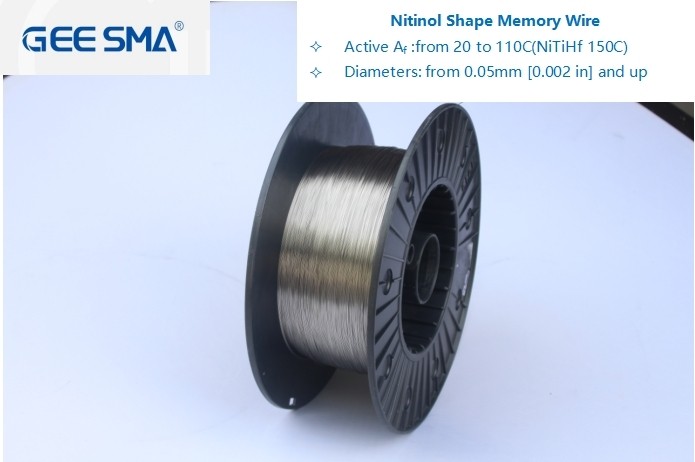
Nitinol, a unique alloy of nickel and titanium, boasts remarkable mechanical properties that set it apart from conventional materials. Its distinct characteristics stem from the interplay of its atomic structure and thermal responsiveness, leading to phenomena like the Shape Memory Effect and Superelasticity. Understanding these properties is crucial for leveraging nitinol's potential in various applications, ranging from medical devices to aerospace innovations.
Exploring Shape Memory Effect
One of the most captivating aspects of nitinol mechanical properties is its Shape Memory Effect (SME). This phenomenon allows nitinol to return to a predetermined shape when heated above a specific temperature, making it invaluable for applications that require precise movements or configurations. For instance, in medical devices such as stents or guidewires, this effect enables them to be deployed in a compact form and then expand into their functional shape inside the body.
The underlying mechanism of SME involves phase transformations between two different crystal structures: martensite and austenite. When cooled below its transformation temperature, nitinol adopts a more flexible martensitic phase; upon heating, it transforms back into the stiffer austenitic phase. This transition not only demonstrates nitinol's unique mechanical properties but also provides engineers with innovative ways to design responsive systems that can adapt to changing conditions.
Unraveling Superelasticity
Another fascinating feature of nitinol mechanical properties is superelasticity, which occurs when the material can undergo significant deformation without permanent damage at certain temperatures. Unlike typical elastic materials that return to their original shape after stress removal, superelastic nitinol can experience strains exceeding 10% while maintaining its integrity—an impressive feat for any material! This property makes it particularly useful in applications where flexibility and resilience are paramount.
Superelasticity arises from the same phase transformation principles as SME but operates under different conditions—specifically at temperatures above the transformation range. When subjected to stress during this state, nitinol deforms by shifting between its two phases rather than yielding or fracturing like traditional metals would do under similar strain levels. As such, superelasticity opens up new avenues for designing components that must endure cyclic loading without compromising performance or safety.
Analyzing Stress-Strain Behavior
Understanding the stress-strain behavior of nitinol is essential for engineers looking to harness its unique mechanical properties effectively. The stress-strain curve reveals how this alloy responds under various loads and temperatures—information critical for predicting performance in real-world applications. Nitinol generally exhibits nonlinear behavior due to its complex phase transformations; thus, traditional linear models may not adequately describe its performance under varying conditions.
When analyzing stress-strain behavior in both martensitic and austenitic states, one finds that small amounts of strain can lead to significant changes in stress due to inherent temperature sensitivity—a hallmark characteristic of nitinol mechanical properties. This nonlinearity means designers must carefully consider operating conditions when utilizing this alloy; however, it also allows for creative engineering solutions tailored specifically around these behaviors. By understanding how these factors interact within different environments or applications—such as biomedical technologies or aerospace structures—engineers can optimize designs while maximizing durability and efficiency.
Temperature Sensitivity and Its Importance
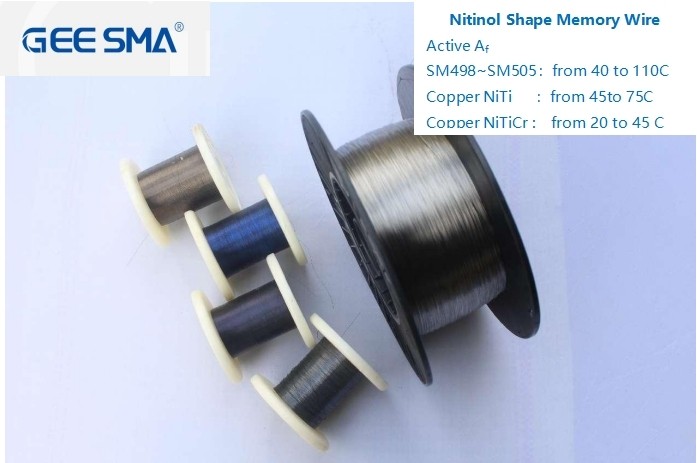
Temperature sensitivity is one of the most fascinating aspects of Nitinol, influencing its mechanical properties and performance in various applications. The unique interplay between temperature and the material’s structure enables Nitinol to exhibit remarkable behaviors, such as the Shape Memory Effect and Superelasticity. Understanding how temperature changes performance is crucial for harnessing these properties effectively.
How Temperature Changes Performance
The performance of Nitinol hinges significantly on temperature fluctuations, which can trigger phase transformations within the alloy. At lower temperatures, Nitinol retains its martensitic phase, allowing it to deform easily; however, when heated above a certain threshold, it transitions to its austenitic phase, exhibiting the Shape Memory Effect. This transformation not only affects its mechanical properties but also enhances its stress-strain behavior by allowing for significant recovery after deformation.
Moreover, this temperature sensitivity means that engineers must carefully consider operating environments when designing components made from Nitinol. For instance, in medical devices or aerospace applications where temperatures can vary widely, understanding how these changes impact fatigue resistance and overall functionality is essential. Thus, recognizing the relationship between temperature and Nitinol's mechanical properties is vital for optimizing its use across different fields.
Nitinol’s Behavior in Varying Environments
Nitinol's behavior can be dramatically affected by environmental conditions such as humidity and surrounding materials. In humid environments or when exposed to corrosive substances, the alloy may experience alterations in its corrosion resistance which could ultimately influence its fatigue resistance over time. These factors are particularly important as they can alter how effectively Nitinol performs under stress and strain during real-world applications.
Additionally, varying temperatures can lead to differences in superelasticity—whereby Nitinol exhibits an ability to undergo large strains without permanent deformation—making it an attractive option for designs requiring resilience under pressure or dynamic loads. The interplay between temperature sensitivity and environmental factors means that engineers must account for multiple variables when utilizing Nitinol’s unique characteristics in innovative projects.
Applications in Medicine and Aerospace
Nitinol's remarkable temperature-sensitive behavior has led to groundbreaking applications in both medicine and aerospace industries. In medical devices like stents or guidewires, the Shape Memory Effect allows for minimally invasive procedures where devices expand upon reaching body temperature—offering both convenience and efficiency during surgeries. Additionally, the superelasticity of Nitinol ensures that these devices can withstand repeated stresses without losing their integrity over time.
In aerospace applications, components crafted from this alloy benefit from both fatigue resistance and corrosion resistance due to their ability to adapt under varying thermal conditions encountered at high altitudes or extreme climates. As missions become more ambitious with longer durations in harsh environments—like space exploration—understanding how temperature influences performance becomes increasingly critical for ensuring reliability and safety.
In summary, exploring the effects of temperature on Nitinol reveals much about its mechanical properties while highlighting innovative pathways for future technological advancements across diverse fields.
Fatigue Resistance: Nitinol’s Longevity

Nitinol is not just a marvel of modern materials science; it's also a heavyweight champion in the arena of fatigue resistance. When we talk about nitinol mechanical properties, fatigue resistance stands out as one of its most impressive features. This durability allows nitinol to withstand repeated stress and strain, making it an ideal choice for applications where longevity is crucial.
Comparing Fatigue Resistance with Other Alloys
When comparing nitinol to other alloys, its fatigue resistance is often found to be superior. Traditional metals like stainless steel or aluminum may falter under continuous cyclic loading, whereas nitinol's unique structure allows it to absorb and dissipate energy effectively. The interplay of its Shape Memory Effect and Superelasticity contributes significantly to this resilience, enabling it to return to its original shape without permanent deformation even after extensive use.
Real-World Examples of Durability
Real-world applications highlight nitinol's remarkable durability across various industries. For instance, in the medical field, nitinol stents are designed to endure the constant motion and pressure within blood vessels without losing their integrity over time. Similarly, in aerospace engineering, components made from nitinol have demonstrated exceptional performance under high-stress conditions while maintaining their functionality through multiple cycles of use.
The Role of Nitinol in High-Stress Situations
In high-stress situations where other materials might fail, nitinol shines brightly due to its outstanding fatigue resistance. Whether it's in surgical tools that require precision and reliability or actuators used in spacecraft that must perform flawlessly under extreme conditions, nitinol's mechanical properties play a pivotal role. Its ability to handle stress without succumbing to wear makes it a go-to choice for engineers looking for materials that can stand the test of time.
Corrosion Resistance in Extreme Conditions

Nitinol, a remarkable alloy known for its unique mechanical properties, shines particularly in environments where corrosion threatens the integrity of materials. Understanding why corrosion resistance matters is crucial for applications ranging from medical devices to aerospace components. In these high-stakes fields, even minor degradation can lead to catastrophic failures, making it essential that materials like nitinol can withstand harsh conditions.
Why Corrosion Resistance Matters
Corrosion resistance is a vital attribute for any material used in demanding applications because it directly impacts durability and reliability. For instance, in the medical field, devices made from nitinol must not only perform their intended functions but also remain free from degradation over time to ensure patient safety. Similarly, aerospace components face extreme temperatures and environmental stressors; without effective corrosion resistance, structural integrity could be compromised during critical missions.
Moreover, the economic implications of material failure due to corrosion can be staggering. Repairing or replacing corroded parts often leads to increased downtime and significant costs. Thus, materials like nitinol that exhibit exceptional corrosion resistance are sought after for their ability to maintain performance while reducing long-term maintenance expenses.
Nitinol’s Performance in Harsh Environments
When it comes to performance under duress, nitinol stands out due to its unique mechanical properties that include the Shape Memory Effect and superelasticity. These characteristics enable nitinol not only to return to its original shape after deformation but also adapt effectively when subjected to varying stresses and strains—an essential feature when navigating unpredictable environments. This adaptability is further enhanced by its inherent corrosion resistance, allowing it to thrive where other materials might fail.
In practical terms, this means that nitinol can endure exposure to saline solutions or aggressive chemicals without succumbing to rust or degradation—traits that are especially important in biomedical implants or marine applications. The stress-strain behavior of nitinol also plays a significant role here; as it undergoes deformation during use, its ability to recover means less risk of failure due to fatigue over time compared with traditional alloys.
GEE SMA’s Contributions to Corrosion Resistance
GEE SMA has been at the forefront of enhancing the corrosion resistance of nitinol through innovative engineering techniques and advanced alloy formulations. By refining the composition and processing methods employed in producing nitinol products, GEE SMA has significantly improved their performance under extreme conditions. This focus on optimizing mechanical properties ensures that their offerings not only meet but exceed industry standards for durability and longevity.
Additionally, GEE SMA's research into temperature sensitivity has led them to develop specialized coatings that further protect against corrosive elements while maintaining the alloy's remarkable shape memory capabilities. As industries continue pushing boundaries into more demanding environments—like deep-sea exploration or space missions—the contributions made by companies like GEE SMA will be pivotal in ensuring reliable performance from nitinol-based solutions.
In conclusion, understanding how factors such as fatigue resistance and temperature sensitivity interplay with corrosion resistance highlights why nitinol remains a top choice across various sectors needing durable materials capable of withstanding extreme conditions without compromising functionality.
Innovative Uses of Nitinol in Technology

Nitinol, with its remarkable mechanical properties, is rapidly becoming a go-to material in various technological fields. Its unique characteristics, including the Shape Memory Effect and superelasticity, have led to innovative applications that were once thought to be purely theoretical. As industries look for materials that can withstand extreme conditions while remaining lightweight and durable, nitinol's fatigue resistance and corrosion resistance make it an attractive choice.
Nitinol’s Role in Aerospace Missions
In aerospace missions, nitinol's mechanical properties play a crucial role in enhancing performance and safety. The Shape Memory Effect allows components to revert to predefined shapes after deformation, which is invaluable for mechanisms like deployable structures or actuators that must function reliably under varying temperatures and pressures. Furthermore, the superelasticity of nitinol ensures that these components can endure significant stress without permanent deformation—an essential trait when dealing with the unpredictable environments of space travel.
Additionally, temperature sensitivity is a key factor in aerospace applications; as temperatures fluctuate drastically at high altitudes or during re-entry into the atmosphere, nitinol components maintain their functionality without failure. This adaptability not only improves mission success rates but also reduces maintenance costs associated with traditional materials prone to wear and tear under such conditions. Ultimately, nitinol's unique combination of mechanical properties makes it an indispensable material for future aerospace innovations.
GEE SMA: Pioneering Nitinol Applications
GEE SMA has emerged as a leader in harnessing nitinol's capabilities for groundbreaking applications across various industries. Their focus on developing specialized products utilizing nitinol's fatigue resistance has set new standards for durability and performance in medical devices such as stents and guidewires. By leveraging the impressive stress-strain behavior of nitinol, GEE SMA has created solutions that not only meet rigorous industry standards but also enhance patient outcomes through improved reliability.
Moreover, GEE SMA recognizes the importance of corrosion resistance when deploying nitinol products in challenging environments like those found within the human body or industrial settings exposed to harsh chemicals. Their innovative designs prioritize both functionality and longevity while maintaining compliance with stringent safety regulations—a testament to their commitment to excellence in engineering with shape memory alloys. As they continue exploring new applications for nitinol technology, GEE SMA is paving the way for advancements that could redefine multiple sectors.
Future Directions for Nitinol Technology
The future of nitinol technology looks brighter than ever as researchers continue to explore its potential across various fields beyond aerospace and medical devices. With ongoing studies focused on enhancing its mechanical properties further—such as improving fatigue resistance or optimizing temperature sensitivity—new possibilities are emerging daily. For instance, incorporating advanced manufacturing techniques could lead to custom-tailored solutions that maximize both performance and efficiency based on specific application needs.
Furthermore, collaborations between academia and industry will likely accelerate innovation cycles surrounding shape memory alloys like nitinol by fostering knowledge exchange on best practices and novel uses. This synergy may unlock game-changing applications ranging from robotics equipped with superelastic joints to self-healing materials capable of adapting dynamically under stress or environmental changes—a true testament to how far we've come since discovering this remarkable alloy! As we venture into this exciting frontier together, one thing remains clear: the journey has just begun!
Conclusion

As we wrap up our exploration of Nitinol, it's clear that this remarkable alloy is not just a scientific curiosity but a practical marvel rooted in its unique mechanical properties. The interplay of the Shape Memory Effect and Superelasticity allows Nitinol to adapt and perform under various conditions, showcasing its versatility. Additionally, understanding the Stress-Strain Behavior of Nitinol provides insight into its reliability and effectiveness across diverse applications.
Key Takeaways on Nitinol’s Mechanisms
Nitinol's mechanical properties are nothing short of extraordinary; they enable the alloy to return to a predetermined shape after deformation thanks to the Shape Memory Effect. This property is complemented by Superelasticity, which allows Nitinol to undergo significant strains while returning to its original form when stress is removed. Together with Temperature Sensitivity, these mechanisms ensure that Nitinol remains functional in fluctuating environments, making it a go-to material for engineers and designers alike.
Exploring Nitinol’s Versatile Applications
From medical devices like stents and guidewires to innovative aerospace components, the applications of Nitinol are as varied as they are impactful. Its fatigue resistance makes it ideal for high-stress situations where other materials might fail, ensuring longevity in critical uses. Furthermore, with exceptional corrosion resistance, Nitinol can thrive even in harsh environments—making it invaluable not just for current technologies but also for future advancements.
The Future of Nitinol and Shape Memory Alloys
Looking ahead, the future of Nitinol and shape memory alloys appears bright as research continues to unveil new possibilities for their application in technology and medicine. Innovations such as smart actuators or self-healing materials could redefine how we approach engineering challenges today. With ongoing developments in understanding its mechanical properties—particularly around Fatigue Resistance and Temperature Sensitivity—Nitinol stands poised to lead the charge into a new era of advanced materials.