

Introduction

Shape Memory Alloys (SMA alloys) are fascinating materials that have revolutionized various fields of engineering and technology. These unique alloys possess the remarkable ability to return to a predetermined shape when subjected to specific conditions, making them a topic of great interest. In this introduction, we will explore what SMA alloys are, delve into the science behind their functionality, and highlight their diverse applications in modern technology.
Understanding SMA Alloys in Engineering
SMA alloys are metallic materials that exhibit extraordinary properties, allowing them to remember their original shapes after deformation. This characteristic is not just a parlor trick; it has profound implications for engineering applications where precision and reliability are paramount. Understanding what is an SMA material involves recognizing its unique thermal and mechanical behavior, which sets it apart from traditional metals.
The Science Behind Shape Memory Alloys
At the heart of SMA technology lies the intricate interplay between temperature changes and phase transformations within these materials. When heated or cooled beyond certain thresholds, SMA alloys undergo transformations between different crystalline structures, leading to their smart functionality. So why are SMAs called smart memory alloys? It's because they can respond dynamically to environmental stimuli—like temperature—enabling innovative solutions across various industries.
Applications of SMA Alloys in Modern Tech
From medical devices that adapt to patient needs to aerospace components that enhance performance under varying conditions, shape memory alloys examples abound in today's technological landscape. Their unique properties allow engineers to design more efficient systems that can withstand stress while maintaining functionality over time. As we explore further into this exciting field, we will uncover how these remarkable materials continue shaping our world.
What is SMA Alloy?
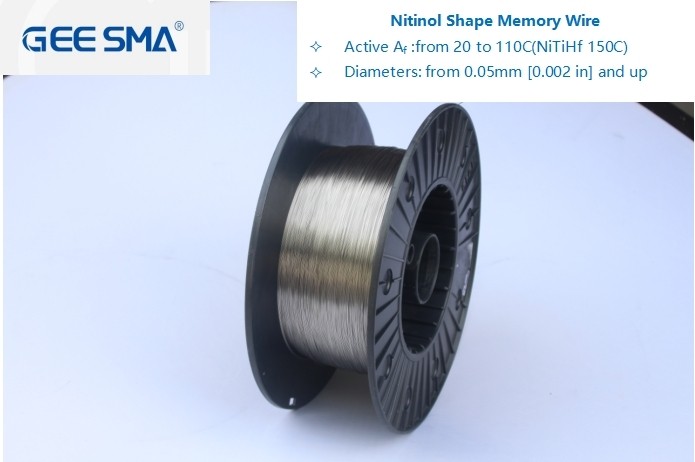
Shape Memory Alloys (SMAs) are a fascinating category of materials that possess the unique ability to return to a predetermined shape when subjected to specific thermal conditions. But what is SMA alloy? In essence, SMA alloys are metallic materials that can undergo significant deformation and revert to their original form upon heating or cooling. This remarkable property makes them invaluable in various engineering applications, where adaptability and precision are paramount.
A Deep Dive into SMA Materials
To truly understand what an SMA material is, one must delve into its composition and structure. SMAs typically consist of metal alloys, with nickel-titanium (Nitinol) being the most widely recognized due to its exceptional properties. These alloys undergo phase transformations between austenite and martensite states, enabling them to exhibit their characteristic shape memory effect, which is why they are sometimes referred to as smart memory alloys.
The science behind these materials lies in their atomic arrangement; when cooled below a certain temperature, the alloy transforms into a more flexible state (martensite). Upon heating above this threshold, it reverts back to its original rigid form (austenite). This transformation not only allows for mechanical flexibility but also provides engineers with innovative solutions across various sectors.
Unique Properties of SMA Alloys
SMA alloys boast several unique properties that set them apart from traditional materials. One of the standout features is their ability to recover from significant deformation—up to 8% strain—making them incredibly versatile for applications requiring flexibility and strength. Additionally, these alloys exhibit superelasticity; they can endure large strains without permanent deformation when operating at certain temperatures.
Another critical property of shape memory alloys is their thermal sensitivity. The transition temperatures between phases can be finely tuned through composition adjustments or heat treatments, making it possible for engineers to customize SMAs for specific applications. This adaptability has led to an explosion of interest in using SMAs in everything from medical devices like stents and guidewires to aerospace components that need lightweight yet strong materials.
The Role of Nitinol in SMA
When discussing what alloy is most commonly used in an SMA, Nitinol often takes center stage due to its superior performance characteristics compared with other metallic options. Comprising roughly equal parts nickel and titanium, Nitinol not only showcases excellent shape memory effects but also offers high corrosion resistance and biocompatibility—qualities essential for medical applications.
Nitinol's role extends beyond just being a popular choice; it's essentially the poster child for shape memory technology due to its reliability and versatility across industries. For example, many surgical tools utilize Nitinol's unique properties for minimally invasive procedures because it can expand or contract based on body temperature changes without compromising structural integrity.
In conclusion, understanding SMA alloys involves exploring not just their definition but also the intricate details about their materials and properties—especially regarding Nitinol's pivotal role in advancing this technology further than ever before.
Why are SMA Called Smart Memory Alloys?
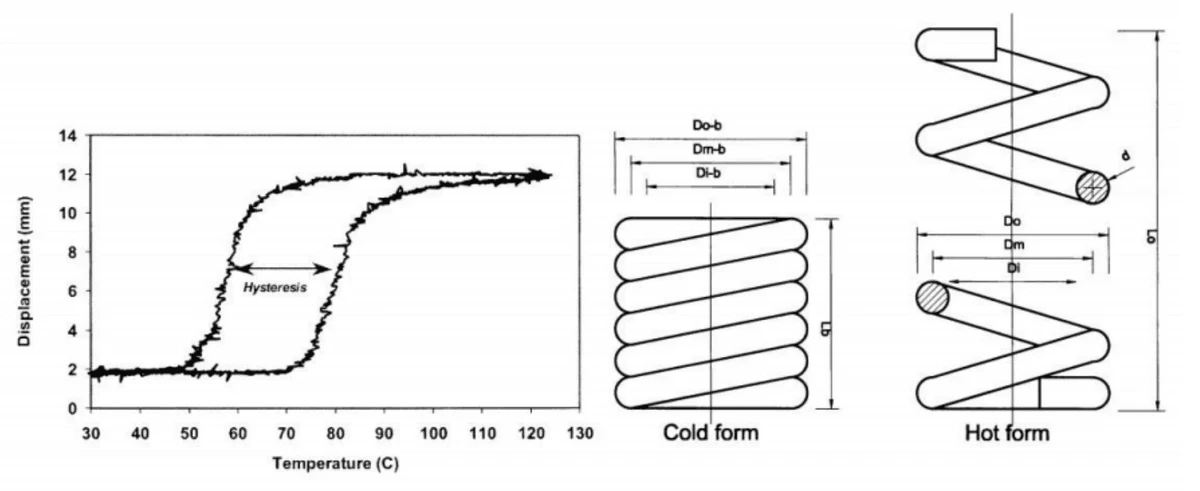
Shape Memory Alloys (SMAs) have earned their title of smart memory alloys due to their remarkable ability to return to a predetermined shape when subjected to specific stimuli, typically temperature changes. This unique functionality is rooted in the alloys' phase transformation properties, which allow them to behave differently under varying conditions. Essentially, SMA alloys are like the chameleons of the metal world, adapting and responding intelligently to their environment.
Mechanisms Behind the Smart Functionality
The smart functionality of SMA alloys hinges on their unique crystal structure and phase transformation mechanisms. When an SMA material is deformed at a lower temperature, it enters a martensitic phase, where it can be easily manipulated into different shapes. However, upon heating above a certain threshold, the alloy transforms back into its original austenitic structure, resulting in what we often refer to as the shape memory effect. This fascinating process allows engineers to design applications that harness these properties effectively.
Temperature and Phase Changes Explained
To truly grasp why SMAs are called smart memory alloys, one must understand the underlying temperature and phase changes involved in their operation. In essence, when we ask What is an SMA material? we're delving into how these materials transition between two distinct phases: martensite and austenite. The transition occurs at specific temperatures; below this threshold, the alloy remains malleable (martensitic), while above it becomes rigid (austenitic). This interplay between temperature and structure not only defines SMAs but also dictates how they can be utilized across various industries.
Real-World Examples of Smart Responses
Real-world examples of smart responses from shape memory alloys highlight their versatility and innovative applications in modern technology. For instance, in medical devices such as stents or guidewires made from Nitinol—a commonly used SMA—these materials can expand or contract based on body temperature for optimal performance inside the human body. Similarly, aerospace innovations leverage SMA technology for adaptive wing structures that change shape for improved aerodynamics during flight conditions. These examples showcase how SMAs respond intelligently to environmental changes while enhancing efficiency across diverse applications.
What Alloy is Most Commonly Used in an SMA?
When discussing what alloy is most commonly used in an SMA, the spotlight shines brightly on Nitinol. This remarkable material stands out not only for its unique properties but also for its versatility across various applications. Understanding Nitinol's significance helps clarify the broader category of SMA alloys and their pivotal role in modern technology.
Nitinol: The Superstar of SMA Alloys
Nitinol, a nickel-titanium alloy, is often hailed as the superstar among SMA alloys. What makes Nitinol so special? Its ability to undergo significant shape changes at specific temperatures allows it to return to a predetermined shape when heated, embodying the very definition of what is an SMA material? This characteristic has led to groundbreaking innovations in fields ranging from medicine to robotics, showcasing why Nitinol is at the forefront of shape memory alloys examples.
Comparisons with Other Alloys
While there are several types of SMA alloys available, none quite match the performance and reliability of Nitinol. Other contenders like copper-aluminum-nickel or iron-based SMAs have their merits but often fall short in terms of biocompatibility and fatigue resistance compared to Nitinol. When asking what alloy is most commonly used in an SMA, it's clear that while alternatives exist, few can rival Nitinol's unique blend of properties that make it a go-to choice for engineers.
Advantages of Nitinol in Engineering
The advantages of using Nitinol in engineering are numerous and compelling. First off, its superior flexibility and strength allow engineers to design components that can withstand extreme conditions while maintaining functionality—perfectly aligning with the key characteristics of SMA alloys. Furthermore, due to its excellent corrosion resistance and biocompatibility, Nitinol has become indispensable in medical devices such as stents and guidewires—demonstrating its critical role within shape memory alloys properties.
Shape Memory Alloys Examples
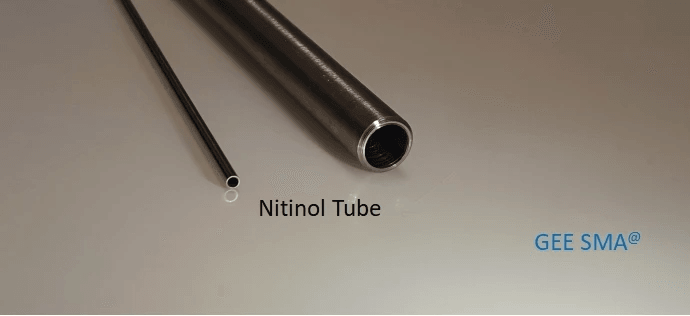
Shape memory alloys (SMAs) are not just a fascinating scientific curiosity; they find practical applications across various industries. From life-saving medical devices to cutting-edge aerospace technology and even consumer products, the versatility of SMA alloys is remarkable. Let's dive into some compelling examples that showcase their transformative potential.
Medical Applications of SMA Alloys
In the realm of healthcare, SMA alloys have revolutionized how we approach medical treatments and devices. One standout application is in stents, where the unique properties of SMA materials allow them to expand at body temperature, providing critical support to blood vessels once inserted. Additionally, shape memory alloys are utilized in orthodontic wires that can adjust to changes in temperature, exerting gentle pressure for effective teeth alignment over time.
Another notable use is in surgical tools that adapt during procedures, enhancing precision and reducing recovery times for patients. These smart memory alloys enable minimally invasive techniques by allowing instruments to change shape as needed without compromising strength or stability. With these applications, it’s clear why we often ponder: What is an SMA material? The answer lies in their ability to respond intelligently to environmental conditions.
Aerospace Innovations Using SMA
The aerospace industry has embraced shape memory alloys due to their lightweight yet robust characteristics, which are essential for improving fuel efficiency and performance. SMAs are used in actuators that control wing flaps or other components; they change shape with temperature variations during flight, ensuring optimal aerodynamic performance at different altitudes and speeds. This adaptability helps engineers achieve designs that were previously deemed impossible.
Moreover, SMAs contribute significantly to vibration damping systems in aircraft structures, enhancing passenger comfort while reducing maintenance costs over time. As we explore the question of what alloy is most commonly used in an SMA? Nitinol stands out due to its exceptional properties and reliability under extreme conditions typical of aviation environments.
Consumer Products Featuring SMA Technology
Believe it or not, you may already interact with products utilizing shape memory alloy technology daily! From eyeglass frames that return to their original shape after being bent or twisted to self-healing materials found in smartphone cases—SMA alloys are making everyday items smarter and more durable. The flexibility combined with strength makes these products not only user-friendly but also long-lasting.
Even more intriguing is how fashion designers have begun incorporating SMAs into clothing lines that can adapt based on temperature changes—think jackets that tighten when it's chilly outside! This innovation highlights the broader implications of why we refer to these materials as smart memory alloys; they seamlessly integrate functionality with style while responding dynamically to our needs throughout the day.
Shape Memory Alloys Properties

Shape memory alloys (SMAs) possess unique properties that set them apart from conventional materials. These intriguing materials can return to a predetermined shape when subjected to specific thermal conditions, making them highly versatile in various applications. Understanding the properties of SMA alloys is crucial for engineers and designers looking to leverage their capabilities effectively.
Key Characteristics of SMA Alloys
SMA alloys exhibit two remarkable characteristics: shape memory effect and superelasticity. The shape memory effect allows these materials to remember their original form after deformation, while superelasticity enables them to undergo significant strain without permanent damage at certain temperatures. What is SMA alloy? It's a blend of metals like nickel and titanium, primarily found in Nitinol, that showcases these fascinating features.
Another defining trait of SMA materials is their ability to undergo phase transformations between austenite and martensite phases based on temperature changes. This transformation not only contributes to their unique mechanical behavior but also makes them responsive to environmental stimuli, hence the term smart. Why are SMA called smart memory alloys? Their ability to adapt and respond dynamically sets them apart in the realm of advanced engineering materials.
Thermal and Mechanical Behavior
The thermal behavior of SMA alloys is pivotal in determining how they react under different conditions. When heated above a specific temperature, these alloys transition from martensite (a low-temperature phase) to austenite (a high-temperature phase), enabling the material to recover its original shape. This property is particularly useful in applications requiring precise movement or actuation—think medical devices or aerospace components where reliability matters.
On the mechanical side, SMAs are known for their impressive fatigue resistance and high energy absorption capabilities compared to traditional metals. These attributes allow engineers to design lighter structures without sacrificing strength or durability—an essential factor in modern engineering challenges. What alloy is most commonly used in an SMA? Nitinol stands out due to its exceptional combination of both thermal and mechanical properties.
How Properties Impact Engineering Design
The unique properties of shape memory alloys significantly influence engineering design choices across various industries. For instance, the ability of SMAs to undergo large deformations while returning precisely back makes them ideal for actuators in robotics or as couplings in aerospace systems where space constraints are critical. Engineers often find themselves asking: how can we harness these characteristics effectively?
Additionally, understanding the thermal behavior helps designers create systems that operate efficiently within specified temperature ranges, ensuring optimal performance during use. In practical terms, this means fewer failures and longer-lasting products—definitely something any engineer would appreciate! Shape memory alloys examples abound in fields ranging from healthcare devices like stents to innovative consumer products that enhance everyday convenience.
In summary, grasping the properties of SMA alloys equips engineers with invaluable insights into designing cutting-edge solutions tailored for modern technological demands.
Conclusion

As we wrap up our exploration of SMA alloys, it's clear that these remarkable materials are not just a passing trend in engineering; they represent the future of innovation across various industries. The versatility and unique properties of SMA alloys open doors to applications that were once deemed impossible. With ongoing research and development, the potential for SMA materials is boundless, promising to reshape how we approach design and functionality in engineering.
The Future of SMA Alloys in Engineering
The future of SMA alloys looks incredibly promising as engineers continue to discover new ways to utilize their unique properties. With advancements in technology, the ability to manipulate these alloys at a molecular level will lead to even more sophisticated applications. As industries such as aerospace, medical devices, and robotics increasingly adopt SMAs, we can expect to see innovations that enhance performance while reducing weight and complexity.
Innovative Trends in Shape Memory Technology
Innovative trends in shape memory technology are emerging at an astonishing pace, with researchers experimenting with new compositions and hybrid materials that enhance the capabilities of traditional SMA alloys. These developments include integrating smart sensors and actuators into products that leverage the responsive nature of SMAs for real-time adjustments. As we witness these breakthroughs unfold, it’s evident that shape memory alloys are not just smart; they’re becoming essential components in cutting-edge technologies.
Why GEE SMA is Leading the Shift
GEE SMA stands out as a leader in this transformative field due to its commitment to research-driven innovation and quality manufacturing processes. Their focus on developing advanced SMA materials ensures they remain at the forefront of industry trends while meeting rigorous engineering standards. By continuously pushing boundaries with their products, GEE SMA is not only setting benchmarks but also inspiring other companies to embrace the potential of shape memory alloys.