

Introduction
In a world where technology continually pushes the boundaries of innovation, shape memory alloys (SMA) stand out as remarkable materials that can transform and adapt in response to external stimuli. These fascinating metals, particularly the nickel alloy wire known as nitinol, exhibit unique properties that allow them to return to predetermined shapes when heated or subjected to stress. Understanding SMA shape memory alloy properties is essential for grasping their diverse applications across various industries.
Understanding Shape Memory Alloys
Shape memory alloys are a class of metallic materials that have the extraordinary ability to remember their original shape after deformation. This property is primarily due to phase transformations within the material's crystalline structure, which occurs at specific temperatures. When we discuss shape memory metals, it's essential to recognize how their composition—often involving nickel and titanium in the case of nitinol—contributes significantly to these unique characteristics.
The Science Behind SMA Properties
The science behind shape memory alloys involves complex thermodynamics and crystallography, making them an intriguing subject for researchers and engineers alike. SMA properties hinge on two key phenomena: the shape memory effect and superelasticity, both of which arise from changes in the arrangement of atoms within the metal under varying conditions. For instance, when a nickel wire is deformed at lower temperatures and subsequently heated, it can revert back to its original form due to this remarkable transformation.
Applications of SMA in Modern Technology
The applications of SMA extend far beyond mere novelty; they play pivotal roles in modern technology across numerous fields such as medicine, aerospace, and automotive engineering. In medical devices, for instance, shape memory nitinol wire is utilized in stents that expand upon reaching body temperature, providing critical support for blood vessels. Meanwhile, aerospace innovations leverage these materials' lightweight yet robust nature for components that require both flexibility and strength under extreme conditions—demonstrating just how versatile these alloys can be.
What is Shape Memory Alloy?

Shape Memory Alloys (SMAs) are unique materials that can return to a predetermined shape when subjected to specific thermal conditions. These fascinating metals exhibit remarkable properties, allowing them to remember their original shape after deformation. The most common examples of SMA include nickel-titanium alloys, often referred to as Nitinol, and other nickel alloy wires.
Definition and Composition
At its core, a shape memory alloy is an alloy that has the ability to undergo deformation at one temperature and then return to its original shape upon heating. Typically composed of nickel and titanium, these alloys can also include additional elements that enhance their properties or adjust their transformation temperatures. The most well-known SMA is Nitinol, which consists primarily of nickel and titanium in varying ratios, offering a unique blend of strength and flexibility.
How It Works: The Mechanism
The magic of shape memory alloys lies in their unique phase transformation mechanism. When an SMA is deformed at a lower temperature (the martensitic phase), it can be reshaped easily; however, when heated above a certain threshold (the austenitic phase), it reverts to its original configuration with impressive force. This transformation occurs due to changes in the crystal structure of the material, allowing for the remarkable properties we associate with SMA shape memory alloys.
Overview of Common Types
There are several types of shape memory metals beyond just Nitinol that deserve mention. For instance, copper-aluminum-nickel alloys also exhibit the shape memory effect but have different thermal characteristics compared to nickel-titanium variants. Additionally, other SMAs like iron-based alloys are being researched for applications requiring high-temperature performance or corrosion resistance—broadening the scope for how we utilize these incredible materials in various industries.
The Unique Properties of SMA
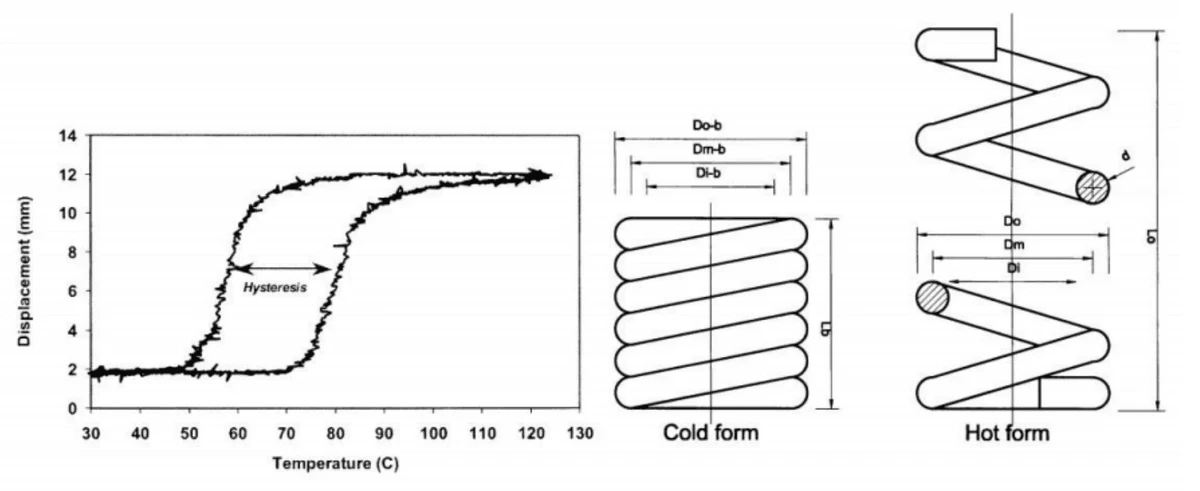
Shape Memory Alloys (SMAs) possess remarkable properties that set them apart from conventional materials, making them a fascinating subject of study and application. In this section, we will explore the unique characteristics of SMA, including the shape memory effect, superelasticity, and thermal responses in shape memory metals. These properties not only define how SMAs function but also highlight their potential across various industries.
Shape Memory Effect Explained
The shape memory effect is one of the most intriguing properties of shape memory alloys. Essentially, this phenomenon allows an SMA to return to its original pre-deformed shape when subjected to a specific temperature change. For instance, when a nickel alloy wire is deformed at room temperature and then heated above its transformation temperature, it reverts back to its original form—an impressive demonstration of the unique capabilities inherent in shape memory nitinol wire.
This property is rooted in the material's crystalline structure, which undergoes a phase transformation between two distinct forms: martensite and austenite. The ability to remember shapes makes SMAs ideal for applications such as self-healing structures or actuators in robotics where precise movements are crucial. Overall, understanding the shape memory effect is essential for harnessing the full potential of SMA technology.
Superelasticity and Its Applications
Another remarkable characteristic of SMAs is superelasticity—a phenomenon that allows these materials to undergo significant deformation without permanent distortion when loaded beyond their yield strength at certain temperatures. This behavior can be particularly advantageous in applications where flexibility and resilience are paramount, such as in dental braces made from nickel alloy wire or components used in medical devices.
Superelastic SMAs can absorb energy during deformation and release it upon unloading, making them suitable for applications requiring high fatigue resistance and shock absorption qualities. Industries like aerospace benefit immensely from superelasticity; components designed with this property can withstand extreme conditions while maintaining structural integrity. Thus, superelasticity not only enhances performance but also extends the lifespan of products utilizing SMA technology.
Thermal Responses in Shape Memory Metals
Thermal responses are critical to understanding how shape memory metals behave under varying temperature conditions. When heated or cooled past certain thresholds known as transition temperatures, these metals exhibit significant changes in their mechanical properties—transforming from one phase to another seamlessly. This thermal responsiveness enables innovative designs where temperature control directly influences functionality; think smart stents that expand at body temperature due to their composition as a shape memory alloy.
The thermal behavior also plays a vital role in determining how quickly an SMA can respond to external stimuli—a key factor for applications ranging from aerospace engineering to consumer electronics where rapid actuation is desired. By leveraging these thermal responses effectively, engineers can create systems that dynamically adapt based on environmental conditions or operational demands—truly showcasing the versatility embedded within shape memory alloy properties.
Nitinol: The Star of Shape Memory Alloys
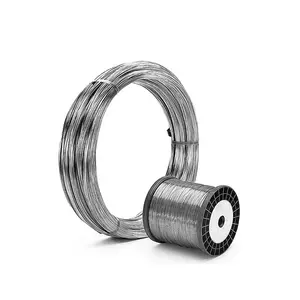
Nitinol, a remarkable type of shape memory alloy, is often celebrated for its unique properties and versatility. Composed primarily of nickel and titanium, this alloy exhibits extraordinary behaviors that make it a favorite in various applications. The combination of these metals results in a material that can return to its original shape upon heating, showcasing the fascinating characteristics of shape memory metals.
Composition and Characteristics of Nitinol
Nitinol is an acronym derived from its components: Nickel (Ni) and Titanium (Ti), with the name reflecting its origin from the Naval Ordnance Laboratory. Typically, the composition consists of about 50-60% nickel and 40-50% titanium, which creates a balance that allows for the impressive shape memory alloy properties we admire today. One notable characteristic is that Nitinol can undergo significant deformation at lower temperatures but will revert to its predetermined shape when heated above a certain threshold, demonstrating both superelasticity and the classic shape memory effect.
Advantages of Using Nitinol Wire
The advantages of using Nitinol wire are numerous, making it an attractive option across various industries. For starters, this shape memory nitinol wire is lightweight yet incredibly strong, allowing for applications where weight savings are critical without sacrificing performance. Additionally, Nitinol exhibits excellent corrosion resistance due to its passive oxide layer; this property makes it ideal for use in harsh environments such as medical devices or aerospace components where durability is paramount.
Applications Across Industries
Nitinol's unique properties lead to innovative applications across multiple sectors including medicine, aerospace, and automotive industries. In medical devices, SMA shape memory alloys like Nitinol are used to create stents that expand at body temperature or guidewires that navigate complex anatomical pathways with ease. In aerospace engineering, the flexibility and strength of nickel alloy wire allow for advanced actuators in aircraft systems while automotive manufacturers utilize shape memory alloys to enhance performance features such as self-repairing mechanisms or adaptive suspension systems.
Innovations in SMA Technology

The world of shape memory alloys (SMAs) is ever-evolving, with innovations that push the boundaries of what these remarkable materials can do. From breakthroughs in composition to novel applications, the advancements in SMA technology are transforming industries and enhancing everyday products. As researchers continue to explore the unique properties of shape memory metals, we can expect exciting developments that will redefine their utility.
Recent Developments in SMA Materials
Recent developments in SMA materials have focused on enhancing their performance and expanding their applicability across various fields. New nickel alloy wire compositions are being engineered to improve fatigue resistance and thermal stability, making them more suitable for demanding environments. Additionally, researchers are experimenting with hybrid SMAs that combine different elements to optimize specific shape memory alloy properties, leading to even greater versatility.
One notable advancement is the creation of advanced shape memory nitinol wire that exhibits improved response times and recovery forces. This has significant implications for industries such as robotics and medical devices, where precision and reliability are paramount. With ongoing research into alternative compositions and processing techniques, the future looks bright for innovative SMA materials.
GEE SMA and Nitinol Advancements
GEE (Geometrically Engineered Elements) SMAs represent a significant step forward in the design of shape memory alloys. By manipulating the geometry of components made from nickel wire or nickel alloy wire, engineers can achieve enhanced performance characteristics tailored for specific applications. This approach allows for customization that was previously unattainable with traditional shapes and forms.
Nitinol advancements also play a crucial role in this landscape; its unique combination of superelasticity and shape memory effect makes it a standout choice for various applications. Researchers are exploring how to optimize Nitinol's properties further through controlled processing methods, resulting in wires that perform exceptionally well under stress while maintaining their original shapes when heated or cooled appropriately. The synergy between GEE SMAs and Nitinol technologies promises exciting new possibilities.
Future Trends in Shape Memory Alloys
Looking ahead, several trends indicate where the future of shape memory alloys is headed—especially regarding sustainability and smart materials integration. The demand for eco-friendly manufacturing processes will likely drive research into biodegradable SMAs or those produced from abundant resources like recycled metals. This shift not only aligns with global sustainability goals but also opens doors to new markets eager for environmentally responsible solutions.
Moreover, integrating smart technologies into SMAs is on the rise; imagine a world where shape memory metals respond dynamically to environmental changes or user inputs! These advancements could lead to revolutionary products ranging from self-adjusting medical implants to adaptive structures in aerospace engineering—all leveraging the exceptional capabilities of sma shape memory alloy technology. As we stand on this precipice of innovation, one thing is clear: the potential applications seem limitless!
Real-World Applications and Case Studies

Shape Memory Alloys (SMAs) have made significant strides in various industries, showcasing their unique properties that enable innovative solutions. From medical devices to aerospace advancements, the versatility of shape memory metals like nickel alloy wire and shape memory nitinol wire is evident. This section delves into some compelling real-world applications and case studies that highlight the transformative potential of SMAs.
Medical Devices Utilizing Shape Memory Alloys
In the realm of healthcare, SMA shape memory alloys have revolutionized medical devices with their remarkable adaptability. One prominent application is in stents; these tiny tubular devices can expand within blood vessels thanks to the shape memory effect of nickel wire, ensuring proper blood flow while minimizing invasive procedures. Additionally, surgical tools made from shape memory metals can change shapes to enhance precision during operations, ultimately improving patient outcomes and recovery times.
Another fascinating use is in orthodontics, where SMA wires are employed in braces to apply consistent pressure on teeth. These shape memory alloy properties allow the wires to return to a predetermined form when heated, facilitating gradual tooth movement without requiring frequent adjustments by an orthodontist. The integration of shape memory nitinol wire into such applications not only enhances comfort for patients but also streamlines treatment processes.
Aerospace Innovations with Nitinol Shape Memory
Aerospace engineering has embraced SMAs for their lightweight yet robust characteristics, particularly with nitinol shape memory alloys. These materials are utilized in actuators that control wing flaps and other components due to their ability to respond dynamically to temperature changes and mechanical stressors. By integrating SMA technology into aircraft designs, manufacturers can achieve greater fuel efficiency while maintaining structural integrity during flight.
Moreover, the deployment of nickel alloy wire in aerospace applications extends beyond simple actuation; it also plays a crucial role in safety mechanisms like emergency escape slides that deploy automatically under specific conditions. The unique thermal responses exhibited by these materials ensure reliability even under extreme temperatures faced at high altitudes or during rapid descent scenarios. As a result, innovations driven by SMAs continue to enhance both performance and safety within the aerospace sector.
Automotive Applications for Enhanced Performance
The automotive industry is another field where SMA technology shines brightly through its novel applications aimed at improving vehicle performance and safety features. For instance, manufacturers are increasingly using shape memory alloys in active suspension systems that adaptively adjust based on road conditions or driver preferences—providing a smoother ride while enhancing handling capabilities. This adaptability stems from the inherent properties of SMAs, which allow them to return to a predefined state when subjected to certain stimuli.
Additionally, components crafted from nickel alloy wire contribute significantly towards reducing weight without sacrificing strength—a crucial factor as automakers strive for more fuel-efficient vehicles amidst rising environmental concerns. From engine components that utilize superelasticity for improved durability under stress to innovative seat designs incorporating SMA technology for added comfort during long drives; the potential applications are boundless! Ultimately, harnessing the capabilities of shape memory metals paves the way toward smarter automotive engineering solutions.
Conclusion
In the grand tapestry of engineering, shape memory alloys (SMA) weave a narrative of innovation and adaptability. These remarkable materials not only possess unique properties but also revolutionize various industries, from healthcare to aerospace. As we conclude our exploration, it's clear that the significance of SMA in engineering is profound and far-reaching.
The Importance of SMA in Engineering
Shape memory alloys are at the forefront of material science due to their ability to return to a predetermined shape when subjected to specific thermal conditions. This property is particularly valuable in applications requiring precision and reliability, such as medical devices where shape memory nitinol wire can enhance performance. By integrating SMA into engineering designs, we unlock new possibilities for creating smarter, more efficient systems.
GEE SMA's Role in Advancing Technology
GEE SMA has emerged as a key player in advancing technology through innovative applications of shape memory metals. By harnessing the properties of nickel alloy wire and other compositions, GEE SMA develops cutting-edge solutions that push the boundaries of what's possible in various fields. Their contributions not only improve existing technologies but also pave the way for breakthroughs that could redefine industries.
Future Perspectives on Shape Memory Alloys
Looking ahead, the future perspectives on shape memory alloys are bright and promising. With ongoing research into new materials and enhanced properties of shape memory alloys, we can expect even greater advancements that will further integrate SMAs into everyday life. As industries continue to explore the potential applications of nickel wire and other forms of SMA, we stand on the brink of a technological renaissance fueled by these remarkable materials.