

Introduction

Nitinol, a fascinating alloy of nickel and titanium, has captivated scientists and engineers alike with its unique properties and applications. This remarkable material exhibits shape memory behavior, allowing it to return to a predetermined shape when subjected to specific temperatures. Understanding the intricacies of nitinol temperature is crucial for harnessing its potential in innovative technologies.
Understanding the Basics of Nitinol
At its core, nitinol is a shape memory alloy composed primarily of nickel and titanium, which gives it extraordinary characteristics that are not found in traditional metals. The molecular shape of nitinol plays a pivotal role in its functionality; it can exist in two distinct phases: martensite and austenite, each with different structural properties. This dual-phase nature allows nitinol to remember its original form and revert back when heated above a certain threshold—an essential feature for many modern applications.
The Science Behind Nitinol Temperature
The relationship between temperature and the performance of nitinol is both complex and fascinating. Critical temperatures dictate when the transition between its two phases occurs, enabling the alloy to exhibit its signature shape memory effect. By manipulating these temperatures through variations in composition or processing methods, researchers can tailor nitinol's behavior for specific uses across various industries.
Applications of Nitinol in Modern Technology
Nitinol's unique properties have led to groundbreaking applications in fields ranging from medicine to robotics. In medical devices such as stents and guidewires, the ability of nitinol to change shape at precise temperatures enhances their effectiveness within the human body. Additionally, innovations in robotics are leveraging this memory alloy’s capabilities to create more adaptable systems that respond dynamically to changing conditions—showcasing just how vital understanding nitinol temperature is for future advancements.
What is Nitinol?

Nitinol is a fascinating alloy composed primarily of nickel and titanium, known for its unique properties that set it apart from traditional metals. This remarkable material exhibits shape memory and superelasticity, making it a standout in various applications. Understanding what nitinol is and how it behaves under different conditions, particularly with respect to nitinol temperature, is crucial for harnessing its potential.
The Unique Properties of Nitinol
One of the most intriguing properties of nitinol is its ability to return to a predetermined shape when heated above a certain temperature—this phenomenon is known as shape memory. This unique behavior arises from the alloy's molecular structure, which allows it to remember its original form after being deformed. Additionally, nitinol exhibits superelasticity at certain temperatures, enabling it to undergo significant deformation without permanent changes—a feature that many industries find invaluable.
The interplay between nickel and titanium in this alloy creates a balance that enhances both strength and flexibility. This means that not only can nitinol withstand stress without breaking, but it can also adapt back to its original configuration when needed. As we delve deeper into how nickel titanium forms shape memory alloys, we will uncover the molecular intricacies that make these properties possible.
How Nickel Titanium Forms Shape Memory Alloys
The formation of shape memory alloys like nitinol occurs through an intricate process involving the specific ratios of nickel and titanium within the mixture. Typically composed of about 50% nickel and 50% titanium by atomic percentage, this precise balance allows for the unique phase transitions that define nitinol's behavior at varying temperatures. When subjected to heat or cooling cycles, the alloy undergoes transformations between two distinct crystalline structures: martensite and austenite.
These transformations are key to understanding how nitinol responds to changes in temperature; as the temperature increases beyond a critical point known as the transformation temperature, the alloy shifts from martensite (the low-temperature phase) back to austenite (the high-temperature phase). This transition enables nitinol to recover its original shape after deformation—an essential characteristic for applications ranging from medical devices to robotics. The relationship between molecular shape and these phase transitions will be explored further in our next section.
The Role of Molecular Shape in Nitinol
Molecular shape plays an integral role in determining how effectively nitinol functions as a shape memory alloy. The arrangement of atoms within both martensitic and austenitic phases dictates not only mechanical properties but also how these structures respond under different thermal conditions—essentially defining what we refer to as nitinol temperature. At lower temperatures, molecules align in such a way that they can easily deform; however, once heated above their transformation threshold, they revert back into their more stable configuration.
This unique ability hinges on minute changes at the atomic level; even slight variations in composition or processing can significantly impact performance characteristics like elasticity or recovery speed. By manipulating these factors within nickel titanium alloys, researchers continue refining their understanding of molecular shapes—and consequently enhancing applications across various fields such as aerospace engineering or biomedical devices where precision matters most.
The Phenomenon of Shape Memory

The phenomenon of shape memory is one of the most fascinating aspects of nitinol, a unique alloy made from nickel and titanium. This property allows nitinol to return to its original shape after being deformed, making it an incredibly versatile material in various applications. Understanding how this recovery process works is crucial for harnessing the full potential of nitinol temperature and its molecular shape.
How Nitinol Recovers Its Original Shape
Nitinol's ability to recover its original shape is primarily due to its unique crystalline structure, which can exist in two different phases: austenite and martensite. When heated above a specific temperature—known as the transformation temperature—nitinol transitions back to its austenite phase, allowing it to regain its original form. This remarkable process illustrates how nickel titanium's molecular shape plays a pivotal role in the functionality of shape memory alloys.
As the nitinol temperature increases, the atoms within the alloy rearrange themselves into a more stable configuration, enabling this transition. Conversely, when cooled below that critical threshold, nitinol adopts a more pliable martensitic structure that can be easily deformed. This reversible transformation between phases is what makes nitinol such an exciting material for engineers and researchers alike.
The Importance of Temperature in Shape Memory
Temperature is not just an arbitrary factor; it’s at the heart of what makes shape memory alloys like nitinol so special. Each specific alloy has defined critical temperatures that dictate when it will switch between its two distinct phases—martensite and austenite—thus influencing performance characteristics significantly. The precise control over these temperatures allows engineers to tailor applications based on desired responses at varying environmental conditions.
For instance, if you want your device to operate effectively at body temperature (around 37°C), you would select or engineer a specific type of nickel titanium alloy with transformation temperatures suited for such conditions. This ability to customize nitinol temperature behavior opens up endless possibilities across multiple industries—from medical devices that respond dynamically within the human body to aerospace components that must withstand extreme conditions while maintaining functionality.
Understanding these thermal properties also aids in predicting how these materials will behave under stress or strain during real-world applications, ensuring reliability and safety are maintained over time.
Real-World Examples of Shape Memory Alloy Applications
The versatility of shape memory alloys like nitinol has led to their adoption in numerous innovative applications across various fields. In medicine, for example, self-expanding stents made from nitinol are used widely because they can be inserted into blood vessels in their martensitic form and then expand upon reaching body temperature—effectively restoring blood flow with minimal invasiveness.
Another exciting application lies within robotics; soft robotic actuators utilize nitinol’s unique properties for movement without complex machinery or motors by simply manipulating temperature changes within their environment or through electrical heating elements integrated into their design.
From eyeglass frames that spring back into shape after bending to deployable structures used in space missions that unfold automatically when heated by sunlight—the practical uses for nickel titanium are as vast as they are groundbreaking! These examples underscore why understanding both the molecular structure and thermal behavior associated with nitinol temperature is essential for future innovations involving this remarkable material.
Nitinol Temperature: A Deeper Dive
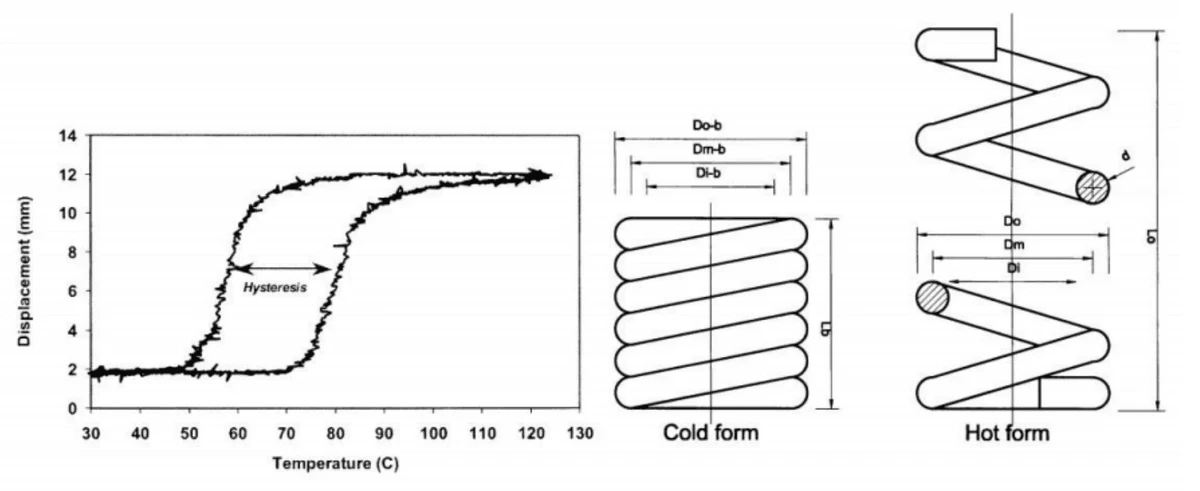
Nitinol temperature is a crucial aspect that governs the behavior of this fascinating shape memory alloy. Understanding the critical temperatures at which nitinol transitions between its austenite and martensite phases is essential for harnessing its unique properties. These phase changes enable nitinol to exhibit its remarkable ability to return to a predetermined shape when heated, making it invaluable across various applications.
The Critical Temperatures of Nitinol
The critical temperatures of nitinol primarily include the transformation temperatures known as the martensite start (Ms), martensite finish (Mf), austenite start (As), and austenite finish (Af). These temperatures are influenced by the specific composition of nickel titanium in the alloy, with variations leading to different thermal responses. For instance, altering the nickel and titanium ratio can shift these critical points, allowing for tailored performance in applications ranging from medical devices to robotics.
Understanding these critical temperatures is fundamental for engineers and scientists working with nitinol. By manipulating these parameters, they can design systems that respond precisely under varying environmental conditions or operational demands. This precision ensures that when nitinol is exposed to specific temperatures, it will reliably revert to its original molecular shape, showcasing its exceptional capabilities as a memory alloy.
How Different Alloys Affect Temperature Behavior
Different alloys of nickel titanium can significantly impact how nitinol temperature behaves under various conditions. The addition of elements like copper or iron can modify both the transformation temperatures and mechanical properties of the alloy. Such adjustments allow manufacturers to create customized solutions that meet specific requirements in diverse fields such as aerospace engineering and medical technology.
For example, some specialized alloys may be engineered for higher-temperature applications where standard nitinol would fail due to thermal fatigue or degradation. By understanding how different compositions affect temperature behavior, researchers can innovate new products that exploit these characteristics effectively. This versatility underscores why ongoing research into nickel titanium alloys remains vital for future advancements in shape memory technologies.
The Relationship Between Temperature and Performance
The relationship between temperature and performance in nitinol is intricate yet fascinating; it’s what makes this material so remarkable as a shape memory alloy. When heated beyond its transformation temperature, nitinol undergoes phase changes that enhance its mechanical strength and elasticity—key attributes for many practical uses. Conversely, at lower temperatures, it retains a more flexible state suitable for deployment in various environments without compromising functionality.
Performance metrics hinge on maintaining optimal operating conditions relative to ambient temperature fluctuations; engineers must account for these factors during design processes involving nitinol components. As applications become more sophisticated—especially in robotics where precise movements are essential—the interplay between nitinol temperature and performance will become increasingly significant in ensuring reliability and efficiency across industries.
GEE SMA: Pioneering Nitinol Applications
GEE SMA has carved a niche for itself in the field of Nitinol applications, particularly in areas where reliability and innovation are paramount. By harnessing the unique properties of nickel titanium, GEE SMA is at the forefront of developing solutions that leverage the remarkable characteristics of shape memory alloys. With a keen focus on nitinol temperature and its implications, GEE SMA is setting new standards in various industries.
GEE SMA’s Role in Space Missions
In space exploration, every detail counts, and GEE SMA understands that better than anyone. The use of nitinol nickel titanium components allows for lightweight yet robust mechanisms that can withstand extreme conditions encountered during missions. These materials not only respond predictably to temperature changes but also maintain their molecular shape under stress, making them ideal for spacecraft components like actuators and deployable structures.
The unique behavior of nitinol temperature plays a crucial role in ensuring mission success; it ensures that components can return to their original form after deformation. This characteristic is invaluable when dealing with the harsh environments of space, where traditional materials might fail under pressure or extreme temperatures. Consequently, GEE SMA's innovations contribute significantly to enhancing the reliability and efficiency of space missions.
Custom Solutions for Unique Challenges
GEE SMA excels at crafting custom solutions tailored to meet specific challenges faced by industries utilizing nitinol nickel titanium technology. Whether it’s designing specialized tools or creating intricate components for medical devices, their expertise ensures that each application maximizes the advantages offered by shape memory alloys. The ability to manipulate molecular shape through alloy variations allows them to optimize performance based on precise requirements.
Moreover, they understand that no two challenges are alike; hence they prioritize collaboration with clients to develop bespoke solutions that address unique needs effectively. By focusing on customer-centric innovation, GEE SMA not only enhances product functionality but also drives forward-thinking advancements within various sectors reliant on nitinol technology. Their commitment to pushing boundaries has positioned them as leaders in delivering exceptional results.
Quality Assurance in Nitinol Production
Quality assurance is paramount when producing any material intended for critical applications—especially one as sophisticated as nickel titanium-based nitinol products. GEE SMA implements rigorous testing protocols throughout their manufacturing processes to ensure consistency and reliability in every batch produced. This attention to detail guarantees that each piece meets stringent standards regarding its response to nitinol temperature fluctuations and performance expectations.
By employing advanced techniques such as thermal cycling tests and mechanical property evaluations, they ensure that all products exhibit predictable behavior under varying conditions—a vital aspect when dealing with memory alloys like nitinol. Furthermore, continuous improvements based on feedback loops allow GEE SMA to refine their production processes continually while maintaining high-quality output standards essential for safety-critical applications across industries.
Future Innovations with Nitinol
The future of nitinol is bright, and its potential applications are expanding rapidly across various fields. As we delve into the innovative uses of this remarkable shape memory alloy, we uncover how nitinol temperature and molecular shape play crucial roles in its functionality. From medicine to robotics, the versatility of nickel titanium continues to inspire groundbreaking advancements.
Emerging Applications in Medicine and Technology
In the medical field, nitinol is revolutionizing treatment methodologies with its unique properties. The ability of this nickel titanium alloy to change shape at specific temperatures allows for minimally invasive surgical tools that can adapt to the body’s needs during procedures. Imagine stents that expand seamlessly within arteries or guidewires that navigate complex anatomy—these innovations hinge on understanding nitinol temperature and its implications for performance.
Moreover, advancements in medical devices are not limited to traditional applications; researchers are exploring how nitinol can enhance drug delivery systems through controlled release mechanisms dictated by temperature changes. This precision could significantly improve patient outcomes by targeting therapies more effectively. As we continue to explore new frontiers with nitinol, the fusion of technology and medicine promises a healthier future.
Nitinol’s Potential in Robotics
Nitinol's adaptability extends far beyond healthcare; it holds immense promise for robotics as well. With its ability to return to a predetermined shape when heated (thanks again to those nifty molecular shapes), this memory alloy can be employed in actuators that mimic muscle movements. Imagine robots that can flex and extend just like human limbs—all thanks to the exceptional properties of nickel titanium!
Furthermore, engineers are experimenting with nitinol in soft robotics, where flexibility is key for navigating unpredictable environments or handling delicate objects without causing damage. The relationship between temperature and performance becomes even more critical here; optimizing these factors could lead to robots capable of performing intricate tasks autonomously while maintaining safety standards.
Exploring New Alloys of Nickel and Titanium
As research progresses, scientists are investigating new alloys of nickel and titanium that could further enhance the capabilities of nitinol-based products. By fine-tuning the composition of these materials, they aim to develop variations with tailored properties—such as improved fatigue resistance or altered transformation temperatures—to meet specific application needs better than ever before.
This exploration into advanced alloys also opens doors for exciting innovations across industries—from aerospace engineering where lightweight components are essential, to consumer electronics demanding high-performance materials under varying conditions. The ongoing study into how different combinations affect molecular shape will undoubtedly yield breakthroughs that push the boundaries of what we currently consider possible.
Conclusion

Nitinol, a remarkable alloy of nickel and titanium, has fundamentally transformed various technological sectors. Its unique properties, particularly its shape memory capabilities, have allowed for innovations that were once confined to the realm of science fiction. As we reflect on the impact of nitinol temperature and molecular shape on these advancements, it becomes clear that this material is not just a passing trend but a cornerstone of future technology.
The Impact of Nitinol on Technology
The influence of nitinol on technology is profound and multifaceted. From medical devices to aerospace engineering, the applications of this nickel titanium alloy are vast and varied. By harnessing the unique characteristics of nitinol temperature and its ability to return to its original form, industries are creating solutions that enhance efficiency and performance in ways previously thought impossible.
Shaping the Future with Shape Memory Alloys
Shape memory alloys like nitinol represent a leap forward in material science that promises to reshape our future. These alloys can adapt their molecular shape in response to temperature changes, allowing for innovative designs in robotics and smart materials. As researchers continue to explore new combinations of nickel and titanium, we can expect even more groundbreaking applications that leverage the extraordinary properties inherent in these memory alloys.
Why Nitinol Temperature Matters for Innovation
Understanding nitinol temperature is crucial for unlocking the full potential of this versatile material. The critical temperatures at which nitinol transitions between phases significantly affect its performance in real-world applications. By meticulously studying how different alloys interact with thermal conditions, engineers can design more effective devices that capitalize on the unique advantages offered by nickel titanium's shape memory capabilities.