

Introduction
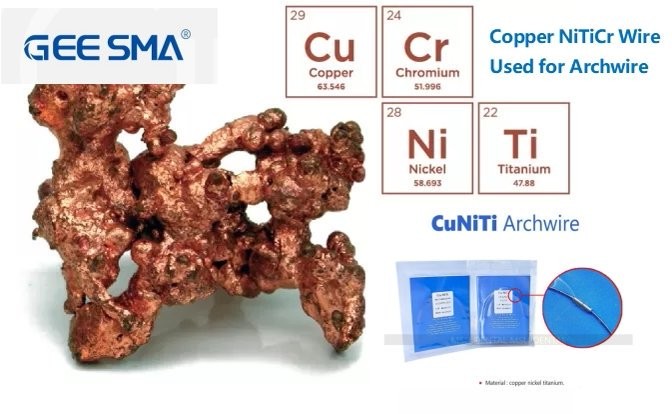
In the realm of advanced materials, few innovations stand out quite like shape-memory alloys, with Nitinol at the forefront. This remarkable alloy not only remembers its original form but also exhibits extraordinary versatility, particularly in the form of Nitinol alloy foil. Whether you're diving into aerospace engineering or exploring medical applications, understanding why to choose Nitinol from GEE SMA can open up a world of possibilities.
Understanding Shape-Memory Alloys
Shape-memory alloys (SMAs) are a unique class of materials that can return to a predetermined shape when subjected to specific stimuli, such as temperature changes. Among these, Nitinol—an alloy primarily composed of nickel and titanium—boasts exceptional properties that make it ideal for various applications. The ability of Nitinol to remember its shape is not just a party trick; it has far-reaching implications in fields ranging from robotics to biomedical devices.
The Versatility of Nitinol Foil
Nitinol foil is celebrated for its lightweight yet durable nature, making it a go-to choice for engineers and designers alike. Its flexibility allows for intricate designs that can adapt to dynamic environments while maintaining structural integrity. When you consider the myriad applications—from stents in medicine to components in aerospace—it's clear that Nitinol foil is not just versatile; it's essential.
Why Choose Nitinol from GEE SMA
When sourcing your Nitinol needs, GEE SMA stands out as a leader in quality and innovation. With competitive pricing on products like Nitinol alloy foil and sheets, they ensure you get top-tier materials without breaking the bank—perfect for those keeping an eye on the Nitinol sheet price! Moreover, their commitment to customer satisfaction means you'll receive tailored solutions that meet your project's specific demands.
What is Nitinol?

Nitinol, a unique alloy of nickel and titanium, has garnered attention for its remarkable properties and versatile applications. This metallic marvel exhibits both shape-memory and superelasticity, making it a prime choice in various industries. Understanding the composition and characteristics of nitinol is key to appreciating its innovative uses.
Composition and Properties
Nitinol is primarily composed of nickel (approximately 55%) and titanium (about 45%), resulting in a material that boasts impressive strength-to-weight ratios. This alloy's distinct properties stem from its ability to undergo phase transformations between two different crystal structures—martensite and austenite—depending on temperature. These transformations enable nitinol to return to a predetermined shape after deformation, making it an ideal candidate for applications requiring reliability and resilience.
The Shape-Memory Effect
One of the most fascinating features of nitinol is the shape-memory effect, which allows it to remember its original form after being deformed. When heated above a specific temperature, known as the transformation temperature, nitinol reverts to its original shape with remarkable speed and precision. This property not only adds functionality but also enhances design flexibility in products made from nitinol alloy foil, such as medical devices or actuators.
Applications Across Industries
The versatility of nitinol extends across numerous sectors including medical, aerospace, automotive, and consumer goods. In medicine, nitinol wire is frequently used in stents due to its biocompatibility and ability to expand upon heating within the body. Meanwhile, in aerospace applications, nitinol plates are utilized for actuators that respond dynamically to environmental changes—a testament to how this alloy can revolutionize traditional designs while maintaining efficiency.
Benefits of Nitinol Alloy Foil
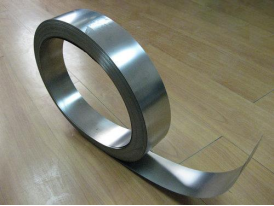
When it comes to materials that combine functionality with innovation, nitinol alloy foil stands out. This unique material offers several benefits that make it a go-to choice for various applications across industries. From its lightweight nature to its impressive durability, nitinol foil is revolutionizing how we think about materials in engineering and design.
Lightweight and Durable
One of the most remarkable characteristics of nitinol alloy foil is its lightweight composition, making it an ideal choice for applications where weight is a critical factor. Despite being lightweight, this material does not compromise on strength or durability; in fact, nitinol alloys are known for their ability to withstand significant stress without deformation. This combination of being both light and strong allows engineers to create innovative designs without the burden of excessive weight, making nitinol metal sheets particularly appealing in aerospace and automotive sectors.
Furthermore, when considering the nitinol sheet price, the long-term benefits often outweigh initial costs due to its durability and low maintenance requirements. Investing in high-quality nitinol foil can lead to reduced operational costs over time as components are less likely to fail or require replacement. Thus, choosing nitinol alloy foil means opting for a material that not only meets but exceeds performance expectations.
Flexibility in Design
Nitinol alloy foil offers incredible flexibility in design—quite literally! Its unique properties allow it to be molded into various shapes while retaining memory of those shapes once heated above a certain temperature threshold. This feature makes it an excellent choice for applications requiring complex geometries or dynamic movement, such as medical devices or robotics.
Moreover, designers appreciate how easily nitinol wire can be integrated into existing systems without extensive modifications. The versatility extends beyond just form; manufacturers can tailor the properties of the material based on specific needs by adjusting its composition during production. With such flexibility at their fingertips, engineers can push creative boundaries while ensuring functionality remains intact.
Thermal and Corrosion Resistance
Thermal resistance is another significant benefit offered by nitinol alloys; they maintain their shape under varying temperature conditions while also exhibiting excellent thermal stability. This characteristic makes them suitable for environments where temperature fluctuations are common or where heat dissipation is essential—think aerospace applications again!
In addition to thermal resilience, corrosion resistance adds another layer of appeal when considering the overall performance of nitinol metal sheets. Unlike many other metals that succumb to rust or degradation over time when exposed to moisture or chemicals, nitinol alloys maintain their integrity even in harsh environments. This quality not only enhances longevity but also contributes positively toward reducing maintenance costs associated with corrosion-prone materials.
Nitinol Sheet Price Factors
When considering the purchase of Nitinol sheet, several price factors come into play that can influence your decision. Understanding market trends and availability is crucial for making informed choices about your investment in Nitinol alloy foil. Prices can fluctuate based on demand, production costs, and advancements in manufacturing techniques, so staying updated is essential.
Market Trends and Availability
The market for Nitinol alloys has seen significant growth due to their unique properties and versatile applications across various industries. Currently, the demand for Nitinol metal sheets is rising in sectors like aerospace, medical devices, and robotics, which can impact availability and pricing. As more companies recognize the benefits of using Nitinol foil in their projects, you may find that prices for Nitinol alloy foil are influenced by supply chain dynamics and global market conditions.
Quality vs. Cost Considerations
When it comes to purchasing a Nitinol sheet or other forms like Nitinol wire or plate, quality should never be compromised for cost savings. While it may be tempting to opt for the lowest price available, investing in high-quality materials will yield better long-term results in terms of durability and performance. Remember that a cheaper Nitinol alloy foil might not meet industry standards or specifications required for critical applications.
Sourcing from GEE SMA
Sourcing your Nitinol products from a reputable supplier like GEE SMA ensures you receive high-quality materials at competitive prices. With their expertise in manufacturing various forms including Nitinol sheets and wires, GEE SMA can provide valuable insights into selecting the right product based on your specific needs. They also offer transparent pricing structures that help you understand how factors such as quality affect the overall cost of your chosen Nitinol alloy foil.
Comparing Nitinol Foil and Nitinol Sheet
When it comes to choosing between nitinol foil and nitinol sheet, understanding their differences is essential. Both forms of nitinol alloys offer unique advantages, but they cater to different applications based on their characteristics. In this section, we'll break down the key distinctions, ideal uses for each type, and tips on selecting the right product for your needs.
Key Differences Explained
Nitinol foil and nitinol sheet differ primarily in thickness and flexibility. Nitinol alloy foil is typically thinner, making it more suitable for applications requiring intricate shapes or designs where flexibility is paramount. On the other hand, a nitinol metal sheet is thicker and provides greater structural integrity, making it ideal for applications that demand durability over flexibility.
Another difference lies in the processing capabilities of each material. Nitinol foil can be easily cut or shaped into fine details without compromising its properties, while a nitinol plate offers more robust support for heavier loads or stress-bearing applications. Understanding these distinctions helps in determining which form of nitinol alloys best suits your project requirements.
Lastly, the cost factor plays a role in selecting between these two options; generally speaking, the nitinol alloy foil price tends to be lower than that of thicker sheets due to material usage and manufacturing processes involved. However, pricing can vary based on market trends and sourcing methods—factors worth considering when budgeting for your project.
Ideal Uses for Each Type
Nitinol foil shines in applications where precision engineering meets design finesse—think medical devices like stents or actuators that require rapid response times and adaptability. Its lightweight nature allows it to be integrated into compact spaces without adding significant weight or bulk. Additionally, industries such as robotics often utilize nitinol foil due to its ability to return to a predetermined shape after deformation.
Conversely, when it comes to structural components or heavy-duty applications that require strength under stress—such as aerospace components—a nitinol sheet becomes indispensable. Its thicker profile provides enhanced durability while maintaining some degree of shape-memory properties beneficial during operation conditions like extreme temperatures or mechanical stressors.
In summary, if your project demands intricate designs with minimal weight considerations—opt for nitinol alloy foil; however, if you need something robust capable of withstanding significant forces—go with a nitinol plate instead.
How to Choose the Right Product
Selecting between nitinol foil and a nitinol sheet boils down to understanding your specific application needs first before diving into details like price points or sourcing options like GEE SMA's offerings on both products. Start by assessing whether flexibility or strength is more critical in your design; this will guide you toward either the nimble characteristics of thin foils or the sturdy nature of sheets.
Once you've established what you need from performance metrics such as temperature resistance or corrosion resistance inherent in both forms of these versatile alloys—the next step involves evaluating budget constraints against current market conditions impacting prices; keep an eye out not only on individual item costs but also potential bulk purchase discounts which could affect overall expenditure significantly!
Finally—and perhaps most importantly—consider sourcing from reputable suppliers like GEE SMA who specialize in high-quality materials tailored specifically towards customer needs ensuring reliable performance regardless if you're investing in lightweight nitrionl alloy foils or robust nitrionl metal sheets!
Innovations in Nitinol Technology
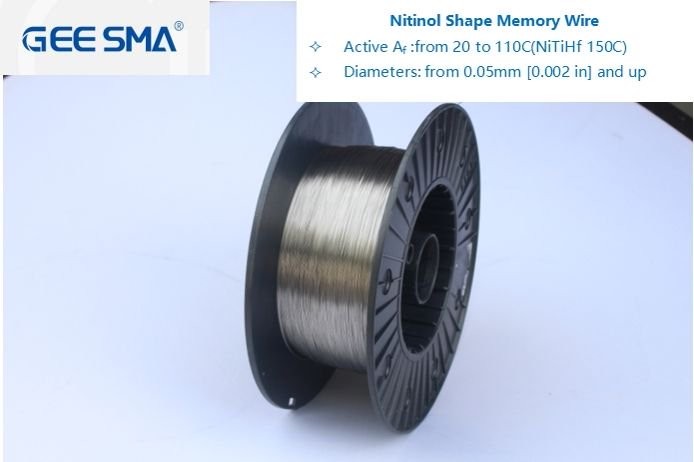
The world of Nitinol technology is evolving at a rapid pace, bringing forth exciting innovations that enhance its applications and performance. As industries seek more efficient and effective materials, advancements in the manufacturing techniques of Nitinol alloys are leading the charge. This section explores these innovations, highlighting GEE SMA's contributions to aerospace and potential future applications.
Advances in Manufacturing Techniques
Recent advancements in manufacturing techniques for Nitinol alloy foil have significantly improved production efficiency and material quality. Innovations such as additive manufacturing allow for precise control over the microstructure of Nitinol, resulting in enhanced shape-memory properties and greater flexibility in design. Additionally, processes like cold working and heat treatment are being refined to produce stronger, more resilient Nitinol metal sheets that meet the stringent demands of various industries.
These developments not only reduce costs associated with Nitinol sheet price but also expand the possibilities for creating custom solutions tailored to specific applications. For instance, modern fabrication methods enable manufacturers to produce intricate shapes using Nitinol wire or plate forms that were previously impossible or cost-prohibitive. The result is a broader range of products that can leverage the unique properties of Nitinol alloys effectively.
GEE SMA's Contributions to Aerospace
GEE SMA has positioned itself as a leader in harnessing the potential of Nitinol alloys within the aerospace sector. Their innovative approaches have led to significant advancements in lightweight components that retain high strength-to-weight ratios—crucial factors for modern aircraft design. By utilizing Nitinol alloy foil, GEE SMA is able to create components that can withstand extreme temperatures while providing exceptional corrosion resistance.
Moreover, GEE SMA's expertise extends beyond conventional applications; they are pioneering new uses for Nitinol in actuators and control systems within aircraft structures. These innovations not only enhance performance but also contribute to fuel efficiency by reducing overall weight—a critical consideration for aerospace engineers today. As GEE SMA continues to push boundaries, their work exemplifies how advanced materials can revolutionize industry standards.
Future Applications of Nitinol Alloys
The future looks bright for Nitinol alloys as researchers explore new frontiers across various sectors beyond aerospace—think medical devices, robotics, and even consumer electronics! The unique properties of shape-memory effect and superelasticity open up possibilities like self-healing materials or adaptive structures that respond dynamically to environmental changes. Imagine a world where your smartphone case could morph into a protective cover upon impact!
Furthermore, as manufacturing techniques improve and become more cost-effective—such as reducing the overall nitinol alloy foil price—the accessibility of these advanced materials will increase significantly across industries. This democratization means smaller companies could leverage cutting-edge technologies without breaking the bank on raw materials like nitinol plates or sheets. Ultimately, we are just scratching the surface; future applications promise not only efficiency but also groundbreaking solutions we haven't even dreamed up yet!
Conclusion
In summary, investing in Nitinol for your projects can lead to innovative solutions and enhanced performance across various applications. With its unique properties and versatility, Nitinol alloy foil is an excellent choice for industries ranging from aerospace to medical devices. Understanding the advantages of this remarkable material will empower you to make informed decisions that can elevate your projects.
Investing in Nitinol for Your Projects
When considering materials for your next project, Nitinol alloy foil should be at the forefront of your mind due to its exceptional qualities. The shape-memory effect and superelasticity of Nitinol alloys provide unmatched flexibility and resilience, making them ideal for complex designs. Additionally, the competitive pricing of Nitinol foil allows you to maximize your budget without sacrificing quality or performance.
How GEE SMA Meets Customer Needs
GEE SMA stands out as a reliable source for high-quality Nitinol products, including Nitinol wire, plates, and sheets tailored to meet diverse customer requirements. Their commitment to excellence ensures that you receive not only premium materials but also valuable insights into optimizing their use in your projects. With GEE SMA's competitive pricing on Nitinol sheet price and other products, you're guaranteed a partnership that prioritizes both quality and affordability.
Exploring Further Possibilities with Nitinol
The future of Nitinol alloys is bright as ongoing innovations continue to expand their applications across various sectors. From advancements in manufacturing techniques to exploring new uses in robotics and biomedical engineering, the potential of this remarkable material is limitless. By staying informed about developments in the field of Nitinol metal sheet technology, you can harness these advancements for groundbreaking solutions in your own projects.