

Introduction

In the realm of advanced materials, Nitinol linear actuators stand out for their unique ability to convert thermal energy into mechanical motion. These remarkable devices leverage the properties of shape memory alloys, particularly Nitinol springs, which can return to a predetermined shape when heated. This fascinating characteristic not only enhances their functionality but also opens up innovative pathways in various applications.
Understanding Nitinol Linear Actuators
Nitinol linear actuators are engineered components that utilize the exceptional properties of Nitinol springs to produce movement with precision and efficiency. But how do Nitinol springs work? Essentially, they change shape in response to temperature variations, allowing them to act like tiny motors that can push or pull with impressive force. This mechanism makes them particularly valuable in fields where traditional actuators might falter under extreme conditions or require complex control systems.
The Magic of Shape Memory Alloys
The magic behind shape memory alloys like Nitinol lies in their ability to remember a specific form after being deformed. When cooled below a certain temperature, these materials can be bent or twisted; however, once heated above this threshold, they revert to their original shape—this is what makes Nitinol springs so captivating! The implications of this property are vast, enabling applications ranging from surgical tools to robotics and beyond.
Real-World Applications of Nitinol
What is Nitinol used for? The answer spans numerous industries and innovations: from medical devices such as stents and guidewires that benefit from their biocompatibility and flexibility to automation systems where reliability is critical. Despite its advantages, one must consider why Nitinol is so expensive—factors such as manufacturing complexity and material sourcing contribute significantly to its cost structure. Furthermore, while the benefits are substantial, it’s essential to acknowledge what are the disadvantages of Nitinol? Limitations include performance constraints under extreme conditions and potential fatigue over time.
The Science Behind Nitinol
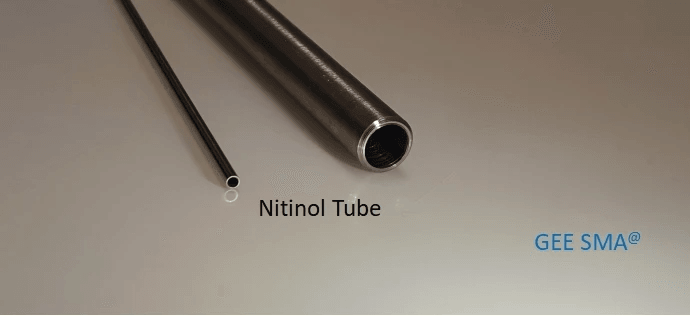
Nitinol, a unique alloy of nickel and titanium, is well-known for its remarkable properties that make it a go-to material in various applications. Understanding how nitinol springs function is key to appreciating their versatility and potential. This section will explore the inner workings of nitinol springs, delve into the distinctive characteristics of shape memory alloys, and compare them with traditional materials to showcase their advantages.
How Do Nitinol Springs Work?
Nitinol springs operate on the principle of shape memory effect, which allows them to return to a predetermined shape when heated above a specific temperature. When cooled below this transition temperature, nitinol springs can be deformed into various shapes without permanent damage. Once heated again, they revert to their original form with impressive force, making them ideal for applications requiring precise movement or actuation.
The magic lies in the phase transformation that occurs within nitinol when exposed to heat or stress. This transformation enables nitinol springs to exert significant force even in compact designs. Thus, understanding how nitinol springs work opens doors to innovative uses across numerous industries.
The Unique Properties of Shape Memory Alloys
Shape memory alloys like nitinol possess extraordinary properties that set them apart from conventional materials. One standout feature is their ability to undergo deformation while still retaining the capacity to return to their original shape upon heating—hence the term shape memory. Additionally, nitinol exhibits superelasticity at certain temperatures, allowing it to stretch significantly without permanent deformation.
These unique properties allow for greater design flexibility and efficiency compared to traditional materials such as steel or aluminum. While steel may bend under pressure and require more space for similar functionality, nitinol springs can achieve complex movements within tighter confines. This adaptability makes them particularly appealing in fields ranging from robotics to medical devices.
Comparison with Traditional Materials
When comparing nitinol springs with traditional materials like steel or rubber, several factors come into play that highlight the advantages of using shape memory alloys. For starters, while traditional materials often require additional components or mechanisms for actuation due to limitations in flexibility and responsiveness, nitinol springs can perform these functions autonomously thanks to their inherent properties.
Moreover, traditional materials may suffer from fatigue over time due to repeated stress cycles; however, nitinol has a longer lifespan under similar conditions due to its unique phase transformation capabilities. Though one might wonder why is Nitinol so expensive—primarily because of complex manufacturing processes—the benefits it offers often outweigh these costs in critical applications.
In conclusion, while there are disadvantages of Nitinol—such as sensitivity at extreme temperatures—it remains an invaluable material choice due largely to its exceptional qualities that surpass those of conventional alternatives.
What is Nitinol Used For?
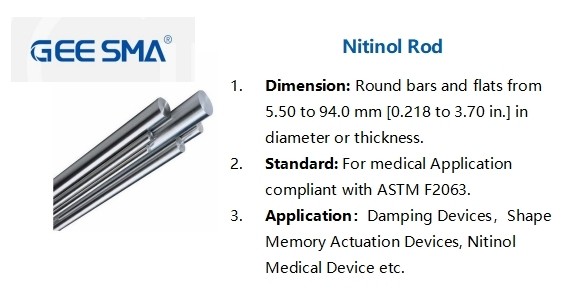
Nitinol, a remarkable alloy of nickel and titanium, has found its way into various industries due to its unique properties. From medical devices to robotics, the applications of nitinol springs are vast and diverse. Understanding what nitinol is used for helps us appreciate its significance in modern technology.
Medical Devices and Implants
Nitinol springs play a vital role in the medical field, particularly in devices like stents and guidewires that benefit from their shape memory effect. When heated, these springs can return to their original shape, making them ideal for minimally invasive surgeries where flexibility is crucial. The ability to conform to complex anatomical structures while providing support makes nitinol an invaluable material in medical implants.
Moreover, the biocompatibility of nitinol ensures that these devices can be safely implanted within the human body without adverse reactions. However, one must consider why nitinol is so expensive; the manufacturing process requires precision and quality control to maintain its unique properties. Despite this cost factor, the advantages it offers in terms of patient outcomes often outweigh financial considerations.
Robotics and Automation
In robotics and automation, nitinol springs are utilized for their ability to provide controlled motion with minimal energy consumption. These springs can actuate movements by changing shape when exposed to heat or electrical input—an elegant solution for robotic joints that need flexibility without bulky mechanisms. As industries lean towards more compact designs, understanding how do nitinol springs work becomes essential for engineers looking to innovate.
The adaptability of nitinol also opens doors for soft robotics applications where traditional rigid components might fail under stress or deformation. However, while there are many benefits associated with using nitinol in robotics, it's important to acknowledge what are the disadvantages of Nitinol? One limitation includes performance issues at extreme temperatures which may hinder reliability in certain environments.
Aerospace Applications
The aerospace sector has also embraced nitinol due to its lightweight yet strong characteristics—ideal for reducing overall vehicle weight while maintaining structural integrity. Nitinol springs can be found in various components such as actuators and control surfaces that require precise movements under varying conditions. This application not only enhances performance but also contributes significantly to fuel efficiency—a critical factor in modern aviation.
Furthermore, as aerospace engineers continue exploring innovative designs leveraging nitinol's unique properties, they must navigate challenges related to cost-effectiveness and material limitations. While the advantages are clear, understanding why is Nitinol so expensive helps stakeholders make informed decisions about project budgets and timelines as they seek optimal materials for their designs.
Nitinol Springs in Action
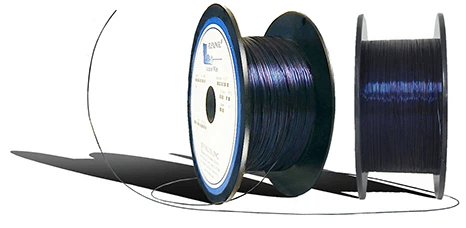
Nitinol springs are not just a scientific curiosity; they are transforming various industries and enhancing our daily experiences. With their unique ability to return to a predetermined shape when heated, these springs offer innovative solutions that traditional materials simply cannot match. From medical devices to consumer products, the applications of Nitinol springs are as diverse as they are fascinating.
Applications in Everyday Life
Everyday life is increasingly enriched by the remarkable capabilities of Nitinol springs. For instance, dental braces utilize Nitinol due to its shape memory properties, allowing for gentle adjustments that improve comfort and effectiveness over time. Additionally, eyeglass frames made from Nitinol can bend and twist without breaking, providing durability and flexibility that traditional materials lack.
Moreover, Nitinol springs find their way into everyday gadgets like cell phone hinges and camera mechanisms, where reliability is paramount. These applications showcase how understanding how Nitinol springs work can lead to practical solutions that enhance functionality while simplifying design complexities. As we delve deeper into what is Nitinol used for in consumer products, it becomes clear that this alloy's versatility knows no bounds.
Innovative Designs Leveraging Nitinol
Innovative designs leveraging Nitinol are pushing the boundaries of what's possible across multiple sectors. Engineers and designers are harnessing the unique properties of this shape memory alloy to create futuristic products such as self-healing structures and adaptive robotics that respond dynamically to environmental changes. By incorporating Nitinol springs into their designs, creators can achieve unparalleled performance while reducing weight and material costs.
For example, in the field of robotics, soft robots equipped with Nitinol actuators can mimic natural movements more fluidly than their rigid counterparts. This adaptability opens up new possibilities for robotic applications in search-and-rescue missions or even surgical procedures where precision is critical. Exploring why is Nitinol so expensive reveals insights into its specialized manufacturing processes but also underscores its undeniable value in innovative design.
Case Studies of Success
Case studies illustrate the successful implementation of Nitinol springs across various industries, highlighting their transformative impact on technology and healthcare alike. One notable example is a pioneering heart stent designed with embedded Nitinol components that expand automatically at body temperature—this innovation has significantly improved patient outcomes compared to traditional stents requiring manual inflation.
Another success story comes from aerospace engineering; aircraft components made from lightweight yet durable nitinol have led to enhanced fuel efficiency without compromising safety standards. However, it’s essential to acknowledge what are the disadvantages of Nitinol—issues like cost and performance under extreme conditions exist—but these challenges have not deterred industries from embracing this remarkable material.
Cost Considerations of Nitinol
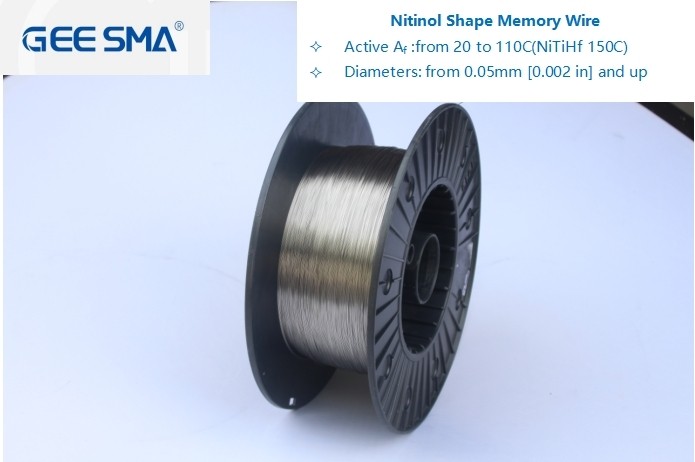
Why is Nitinol So Expensive?
The expense associated with nitinol springs primarily stems from the intricate processes involved in their creation. Unlike traditional materials, producing nitinol requires precise control over composition and temperature during manufacturing to achieve its distinctive shape memory effect. Moreover, the materials themselves—nickel and titanium—are not only costly but also require careful sourcing to ensure quality, further driving up prices.
In addition to raw material costs, research and development play a significant role in the pricing of nitinol products. Manufacturers invest heavily in innovating new applications for these versatile alloys, which translates into higher costs passed on to consumers. Thus, when pondering Why is Nitinol so expensive?, one must consider both its specialized production process and ongoing investment in technological advancements.
Manufacturing Challenges
Manufacturing nitinol springs isn't as straightforward as it might seem; there are several challenges that companies face in this niche market. One major hurdle involves achieving consistent quality across batches since even slight variations can significantly impact performance properties like elasticity or transformation temperatures. This necessitates rigorous testing and quality assurance protocols that can be resource-intensive.
Another challenge lies in scaling production while maintaining those high standards of quality control—something that many manufacturers struggle with as demand for applications like medical devices continues to grow. As a result, these manufacturing challenges contribute directly to why nitinol remains on the pricier side compared to conventional materials used for similar purposes.
Market Demand and Supply Factors
The market dynamics surrounding nitinol are complex; demand often outstrips supply due to its specialized applications across various industries—from robotics to aerospace. As more sectors recognize what is Nitinol used for beyond traditional uses, such as in medical devices or actuators, interest has surged dramatically over recent years. This rising tide of demand puts additional pressure on an already limited supply chain.
Moreover, fluctuations in raw material availability can create further instability in pricing; any disruption affects not only manufacturers but also end-users who rely on consistent access to these innovative solutions like nitinol springs for their projects or products. Ultimately, understanding market demand alongside supply factors provides insight into why investing in nitinol technology often comes with a hefty price tag.
Limitations of Nitinol
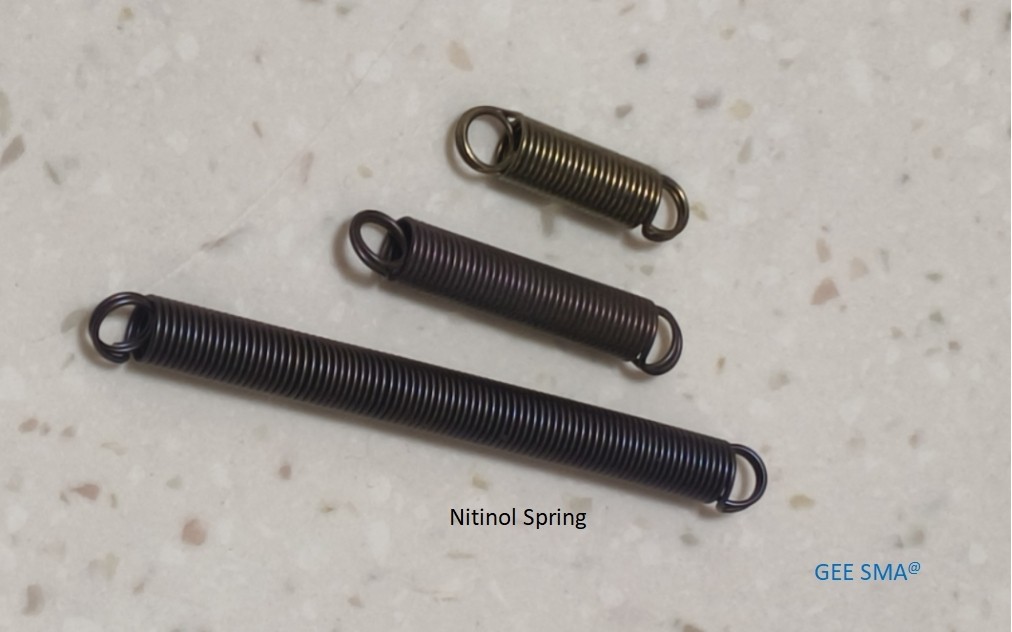
While nitinol springs are often celebrated for their remarkable properties, they come with a set of limitations that can affect their usability in various applications. Understanding these disadvantages is crucial for engineers and designers who wish to leverage the unique benefits of shape memory alloys. From cost factors to performance constraints, we will explore why nitinol isn't always the go-to material.
What Are the Disadvantages of Nitinol?
One major drawback of nitinol springs is their high cost compared to traditional materials like steel or aluminum. The intricate manufacturing process required to produce these shape memory alloys contributes significantly to their price, leading many industries to question: Why is nitinol so expensive? Additionally, while nitinol exhibits excellent fatigue resistance, it can be susceptible to degradation under certain conditions, which poses challenges in long-term applications.
Another disadvantage lies in its relatively low stiffness compared to conventional metals. This means that while nitinol springs can generate impressive forces through thermal activation, they may not provide the same level of mechanical support as other materials when needed. Furthermore, the variability in performance based on temperature changes can complicate design processes; engineers must factor in precise thermal control systems when asking how do nitinol springs work effectively.
Performance in Extreme Conditions
Nitinol's unique properties make it less suitable for extreme environmental conditions such as very high or low temperatures and corrosive environments. In applications where reliability is paramount—like aerospace or medical devices—these limitations cannot be overlooked. For instance, while some might wonder what is Nitinol used for in space exploration, its performance may falter at the extreme temperatures experienced beyond Earth's atmosphere.
Moreover, exposure to harsh chemicals can lead to rapid degradation of nitinol springs, making them less ideal for certain industrial applications where chemical exposure is inevitable. As a result, engineers must carefully evaluate whether the advantages outweigh these potential setbacks when considering using nitinol springs in challenging environments.
Alternatives to Consider
Given the limitations associated with nitinol springs, it's essential to explore alternative materials that might better suit specific applications without compromising on performance or cost-effectiveness. Traditional metals such as stainless steel and titanium offer excellent durability and strength but lack some unique characteristics that make shape memory alloys appealing—like their ability to return to a predetermined shape after deformation.
Composite materials also present an interesting alternative; they can be engineered for specific properties while remaining lightweight and resistant to environmental factors. Ultimately, understanding what are the disadvantages of Nitinol helps guide decision-making toward selecting materials best suited for each project's needs while still considering innovative designs leveraging its unique capabilities.
Conclusion
As we wrap up our exploration of Nitinol and its fascinating applications, it's clear that this remarkable material holds immense potential for the future. The unique properties of Nitinol springs, particularly their shape memory effect, are revolutionizing various industries, from medical devices to robotics. As advancements continue to emerge, the future of Nitinol technology looks promising and full of possibilities.
The Future of Nitinol Technology
The future of Nitinol technology is poised for growth as researchers delve deeper into understanding how do Nitinol springs work? With ongoing innovations in processing techniques and alloy compositions, we can expect even greater performance and versatility from these materials. Furthermore, as industries increasingly adopt smart materials like Nitinol in their designs, the demand for efficient and effective solutions will only escalate.
Tailoring Nitinol Solutions with GEE SMA
Tailoring Nitinol solutions with GEE SMA (Shape Memory Alloys) presents an exciting avenue for customization across various applications. By fine-tuning the composition and processing methods, manufacturers can create specific properties that enhance performance while addressing some common concerns about why is Nitinol so expensive? This adaptability not only makes it feasible for niche markets but also paves the way for innovative products that leverage the advantages of both traditional materials and advanced alloys.
Key Takeaways on Nitinol Linear Actuators
In summary, understanding what is Nitinol used for? reveals its extensive applications across diverse fields such as medicine, robotics, and aerospace. While there are notable advantages to using nitinol springs—like their compact size and efficiency—it's crucial to consider what are the disadvantages of Nitinol when making decisions about material selection. Ultimately, as technology evolves and challenges are met head-on, nitinol linear actuators will likely become an integral part of our everyday lives.