

Introduction

Nitinol, a remarkable alloy of nickel and titanium, has garnered significant attention in various fields due to its unique properties. Its ability to undergo transformation between different phases allows it to return to a predetermined shape when heated, making it an ideal material for numerous applications. As we delve into the world of Nitinol, we will explore not only what Nitinol is used for but also its critical role in vascular surgery and its exciting applications beyond the realm of medicine.
Understanding Nitinol's Unique Properties
What sets Nitinol apart from other materials are its extraordinary properties, including shape memory and superelasticity. These characteristics enable Nitinol to be both flexible and resilient, allowing it to adapt under stress while returning to its original form when needed. The properties of Nitinol make it an invaluable resource in various industries, particularly in medicine where precision and reliability are paramount.
Exploring Nitinol's Role in Vascular Surgery
In the medical field, particularly vascular surgery, Nitinol has become a game-changer due to its application in stents and other vascular devices. Why is Nitinol used in stents? Its unique combination of strength and flexibility allows these devices to navigate through complex blood vessels with ease while maintaining their structural integrity once deployed. The use of Nitinol not only improves patient outcomes but also revolutionizes surgical techniques by minimizing invasiveness.
Applications Beyond Medicine
While much of the focus on Nitinol revolves around medical applications, its versatility extends far beyond that realm. From robotics to eyeglass frames, what is nitinol used for outside healthcare showcases its adaptability and innovative potential across diverse industries. As researchers continue to explore new possibilities for this fascinating alloy, we can expect exciting advancements that leverage the properties of Nitinol for practical solutions in everyday life.
What is Nitinol and Where is it Used?
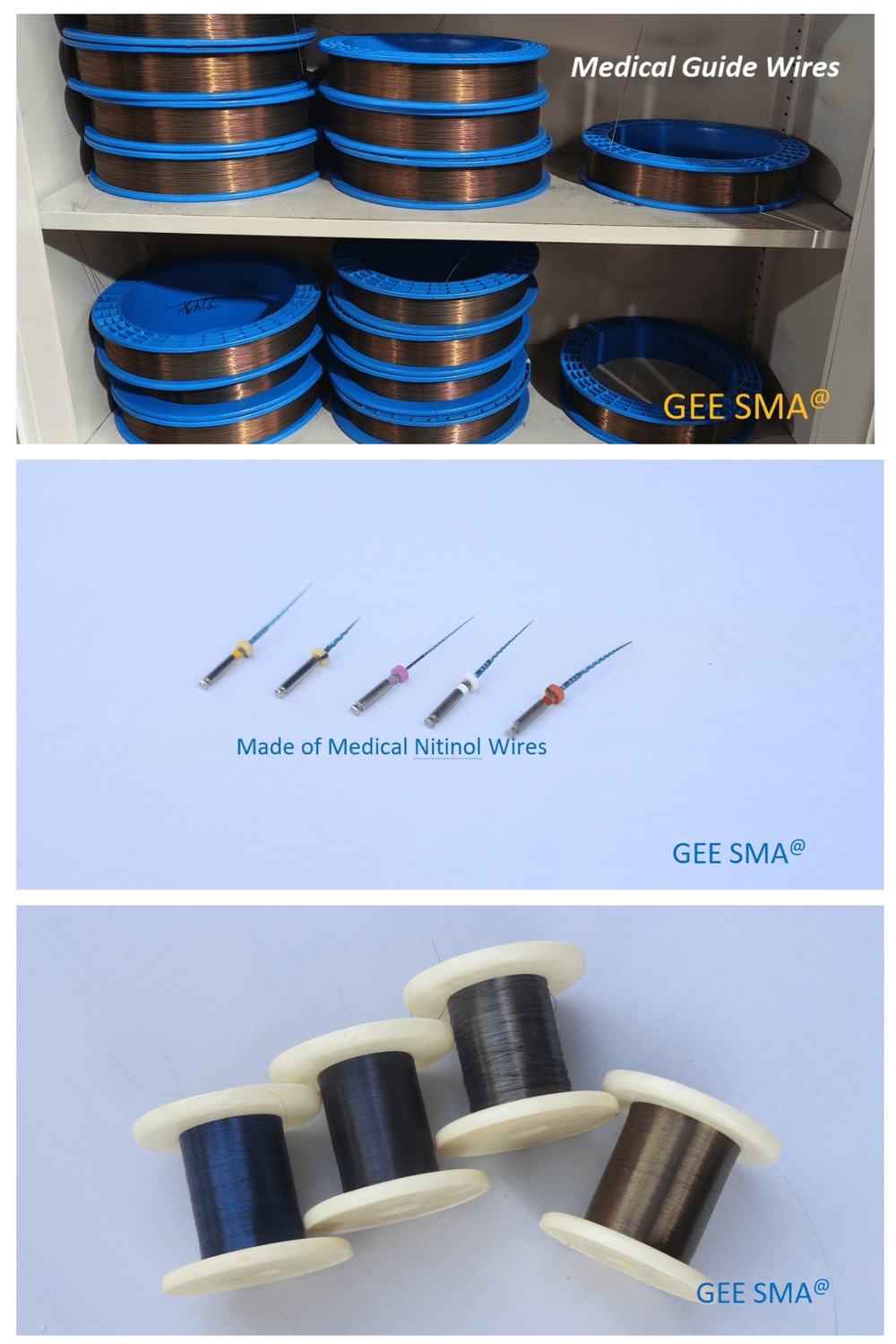
Nitinol, a nickel-titanium alloy, has gained significant attention due to its unique properties and diverse applications. This remarkable material is not only essential in the medical field but also finds use in various industries. Understanding what Nitinol is used for sheds light on its versatility and importance across multiple sectors.
Historical Overview of Nitinol
Nitinol was first discovered in the early 1960s by researchers at the Naval Ordnance Laboratory in Maryland, USA. The name Nitinol comes from its composition—Nickel Titanium Naval Ordnance Laboratory. Initially developed for military applications, it didn't take long for scientists to realize that this alloy had incredible potential, especially in medicine, leading to an explosion of interest regarding what Nitinol is used for.
Key Properties of Nitinol
What truly sets Nitinol apart are its extraordinary properties: shape memory and superelasticity. Shape memory allows it to return to a predetermined shape when heated, while superelasticity enables it to undergo significant deformation without permanent change at body temperature. These properties make Nitinol ideal for various applications, particularly where flexibility and strength are paramount—like in stents or dental braces.
Diverse Applications of Nitinol
Nitinol's versatility extends beyond vascular surgery into areas such as orthodontics and even robotics. In medicine, it's predominantly used for stents due to its ability to expand within blood vessels seamlessly; hence the question arises: why is Nitinol used in stents? Similarly, orthodontists favor this material for dental braces because of its gentle yet effective force on teeth—prompting inquiries like why is Nitinol used in dental braces? Beyond healthcare, industries are exploring innovative uses in actuators and sensors, showcasing just how far-reaching what is nitinol used for can be across various fields.
Nitinol in Vascular Surgery

Nitinol, a remarkable shape-memory alloy, has revolutionized vascular surgery with its unique properties and versatility. This section explores why nitinol is a preferred choice in stents, the advantages it offers in vascular devices, and real-world case studies that highlight its effectiveness. Understanding what nitinol is used for in this field not only showcases its medical applications but also underscores its significance in improving patient outcomes.
Why is Nitinol Used in Stents?
Nitinol is widely recognized for its use in stents due to its exceptional flexibility and ability to return to a predetermined shape when heated. This property allows stents made from nitinol to expand effectively once placed within the artery, providing critical support to keep blood vessels open. The question of what is nitinol used for extends beyond just structural integrity; it also enhances the biocompatibility of stents, reducing the risk of complications post-surgery.
Moreover, nitinol's superelasticity means that these stents can withstand significant deformation during insertion without compromising their structural integrity. This characteristic is vital when navigating through the complex anatomy of blood vessels during procedures like angioplasty. In summary, the reasons why nitinol is used in stents stem from its unique properties that facilitate safer and more effective vascular interventions.
Advantages of Nitinol in Vascular Devices
The advantages of nitinol extend far beyond mere functionality; they encompass improved patient safety and comfort as well. One key benefit is the alloy's resistance to fatigue and corrosion, which translates into longer-lasting devices that require fewer replacements or revisions over time. Additionally, because nitinol can be manufactured into thinner profiles than traditional materials, it allows for less invasive procedures with reduced recovery times.
Another significant advantage lies in how well nitinol adapts to various anatomical configurations within the body. Its flexibility enables devices to conform closely to vessel walls without causing trauma or injury during movement or expansion. When considering what is nitinol used for specifically within vascular devices, it's clear that these qualities contribute not only to enhanced performance but also significantly improve overall patient experiences.
Case Studies in Vascular Surgery
Several compelling case studies illustrate the successful use of nitinol-based devices in vascular surgery settings across various conditions. For instance, a study involving patients with peripheral artery disease demonstrated remarkable improvements when treated with nitinol stents compared to those using conventional materials; patients experienced fewer complications and had better long-term patency rates. These findings underscore why medical professionals increasingly choose nitinol for interventions aimed at restoring blood flow effectively.
In another notable example focusing on coronary arteries, patients who received drug-eluting stents made from nitinol showed significantly lower rates of restenosis—a common issue where arteries become blocked again after treatment—compared to other types of materials used previously. This highlights not just what is nitinol used for but emphasizes how it delivers tangible benefits over time through advanced engineering and material science innovations.
Overall, these case studies reinforce the growing consensus among surgeons regarding the advantages offered by using Nitinol-based solutions—paving the way for future advancements while addressing current challenges faced within vascular surgery today.
Nitinol in Dental Applications
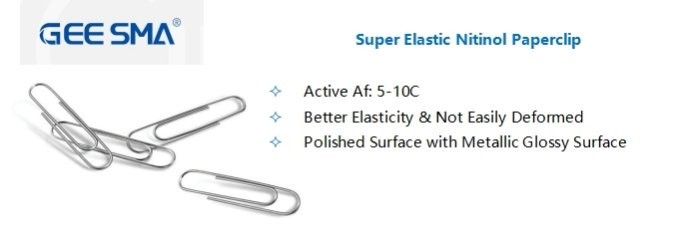
Nitinol, a remarkable alloy of nickel and titanium, has found its way into various applications, including dentistry. Its unique properties make it an ideal choice for dental braces, where flexibility and strength are paramount. Understanding what Nitinol is used for in dental applications can help demystify its growing popularity among orthodontists.
Why is Nitinol Used in Dental Braces?
Why is Nitinol used in dental braces? The answer lies in its superelasticity and shape memory properties. When subjected to stress or deformation, Nitinol can return to its original shape when heated, allowing orthodontists to apply consistent pressure on teeth without the discomfort associated with traditional materials.
This unique behavior not only enhances patient comfort but also improves treatment efficiency by reducing the number of adjustments needed during the course of orthodontic treatment. As a result, patients can enjoy a more streamlined experience while achieving their desired results faster.
Benefits of Nitinol Wire in Orthodontics
The benefits of Nitinol wire in orthodontics extend beyond just comfort and efficiency; they also include durability and resistance to corrosion. Unlike conventional stainless steel wires that may lose their effectiveness over time due to wear and tear, Nitinol maintains its performance throughout the treatment process.
Moreover, the flexibility of Nitinol allows it to adapt to varying tooth movements seamlessly, making it easier for orthodontists to achieve precise alignment without excessive force. This adaptability translates into less discomfort for patients—a win-win situation!
Comparison with Traditional Orthodontic Materials
When comparing Nitinol with traditional orthodontic materials like stainless steel or beta-titanium alloys, several distinctions arise. Traditional materials often lack the superelastic properties that make Nitinol so effective; they can become rigid under stress and require more frequent adjustments.
Additionally, while traditional wires may be cheaper upfront—prompting questions about why is Nitinol so expensive—the long-term benefits of using Nitinol often outweigh initial costs due to fewer office visits and quicker treatment times. In essence, investing in Nitinol could lead to better outcomes both financially and clinically over the course of orthodontic care.
The Cost Factor of Nitinol
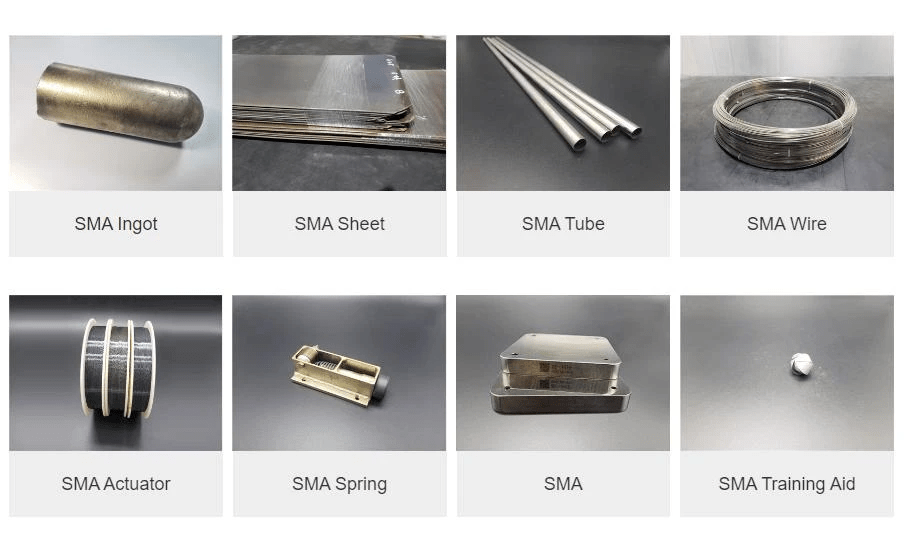
When it comes to Nitinol, many wonder why this remarkable alloy comes with such a hefty price tag. The answer lies in its unique properties and the sophisticated manufacturing processes required to produce it. From medical devices to dental applications, understanding what Nitinol is used for helps clarify its value and cost.
Why is Nitinol So Expensive?
Nitinol's expense can be attributed to several factors, primarily its complex production process and the raw materials involved. This shape-memory alloy requires precise temperature control during manufacturing, which adds layers of complexity and cost. Additionally, the specific nickel-titanium composition must meet stringent quality standards, further driving up the price.
In medicine, particularly in vascular surgery where Nitinol is often used in stents, these costs are justified by the material's superior performance. Its ability to return to a predetermined shape when heated makes it invaluable for medical applications that require reliability and resilience. Therefore, while many may question why Nitinol is so expensive, its unique properties offer significant benefits that justify the investment.
Factors Influencing Nitinol Price
Several key factors influence the price of Nitinol beyond just manufacturing complexities. First, fluctuations in raw material costs—nickel and titanium—can directly impact overall pricing dynamics. As demand for these metals rises or falls on global markets, so too does the price of Nitinol.
Moreover, advancements in technology can either mitigate or exacerbate costs associated with producing this alloy. Innovations in production methods may lead to more efficient manufacturing processes that lower prices over time; however, initial investments into research and development can also raise prices temporarily as companies strive for better quality products. Understanding what is nitinol used for helps contextualize these economic factors within various industries such as medicine and dentistry.
Economic Impact on Medical Devices
The economic implications of using Nitinol extend beyond mere pricing; they also encompass broader impacts on healthcare systems worldwide. In vascular surgery specifically, employing high-quality stents made from Nitinol can reduce long-term healthcare costs by minimizing complications and improving patient outcomes—essentially making them a worthwhile investment despite their higher upfront cost.
Furthermore, as more medical devices incorporate this innovative material due to its desirable properties—like flexibility and corrosion resistance—the demand continues to grow alongside prices influenced by supply chain dynamics and market competition. Ultimately, understanding what nitinol is used for in medicine highlights not only its importance but also how it shapes financial decisions within healthcare sectors reliant on cutting-edge technology.
Future Innovations with Nitinol
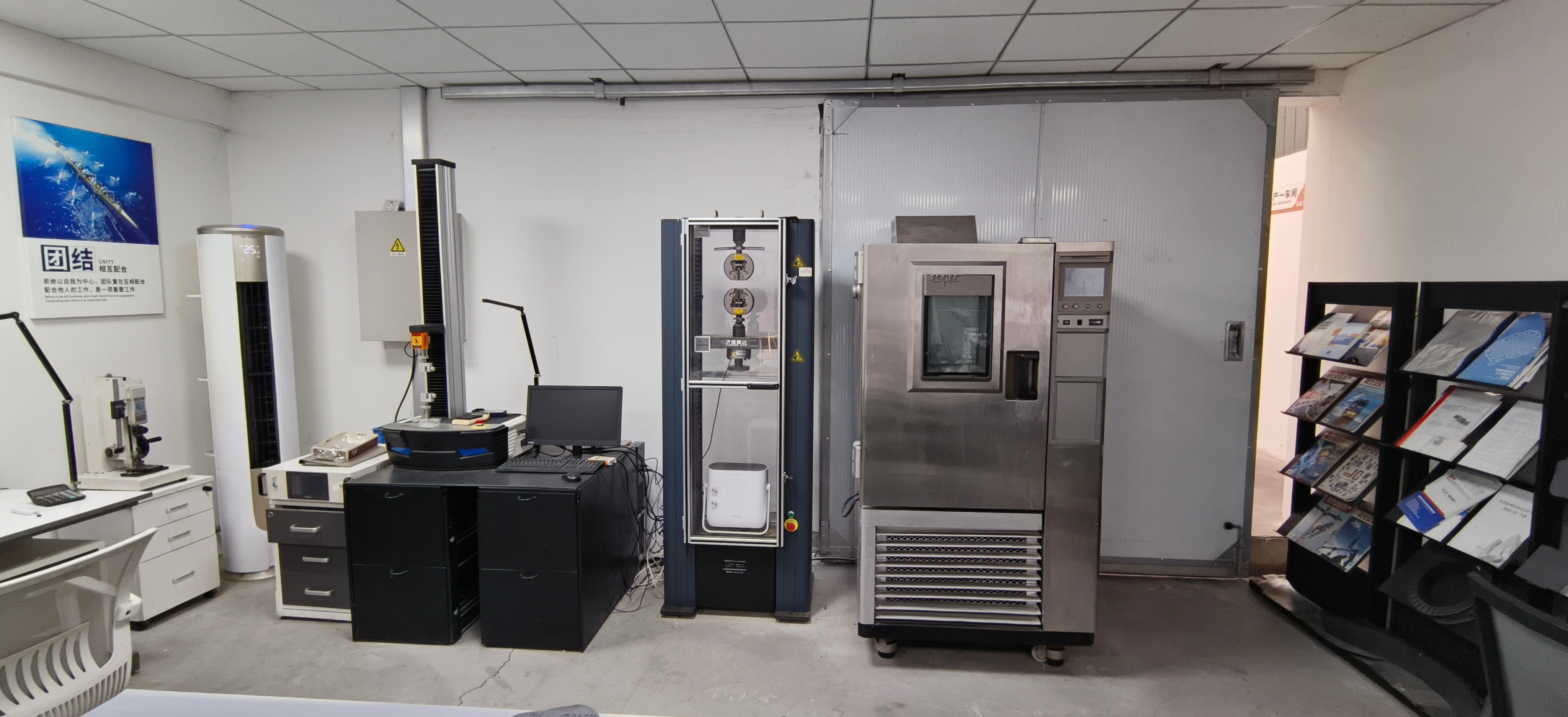
The future of Nitinol is brimming with possibilities, as researchers and engineers continue to push the boundaries of this remarkable material. From enhancing existing medical devices to exploring new applications in various fields, innovations are set to revolutionize how we perceive and utilize Nitinol. Understanding what is Nitinol used for today provides a glimpse into its potential tomorrow.
Cutting-Edge Research and Development
Current research on Nitinol focuses on improving its properties and expanding its applications in medicine and beyond. Scientists are investigating ways to enhance the shape memory effect and superelasticity of Nitinol, making it even more adaptable for various uses. This cutting-edge research not only answers the question of what is nitinol used for but also opens doors to innovative solutions in fields like robotics, aerospace, and even consumer products.
One exciting area of development involves creating bioresorbable stents made from modified Nitinol, which could dissolve safely within the body after serving their purpose. Such advancements could significantly reduce complications associated with permanent implants, answering why is Nitinol used in stents so effectively while paving the way for safer alternatives. As these technologies evolve, they promise to enhance patient outcomes while also addressing concerns about long-term device retention.
GEE SMA's Role in Advancing Nitinol Technology
GEE SMA has emerged as a leader in advancing Nitinol technology through innovative manufacturing processes and product development strategies. Their commitment to enhancing the properties of Nitinol has led to breakthroughs that improve performance across various applications, including vascular surgery and dental braces. By focusing on high-quality production methods, they ensure that every piece meets stringent standards while exploring new uses for this versatile material.
Their research initiatives delve deep into understanding why is Nitinol so expensive by optimizing production costs without compromising quality or performance. As they continue to refine their techniques, GEE SMA plays a pivotal role in shaping what is nitinol used for across multiple industries—from medical devices to aerospace components—making it more accessible for future innovations.
Potential Future Applications of Nitinol
Looking ahead, potential future applications of Nitinol are vast and varied; its unique properties lend themselves well to emerging technologies. Beyond its current use in medical devices like stents and dental braces—where understanding why is Nitinol used in dental braces matters—this material could soon find itself at home in smart textiles or active wearables that respond dynamically to temperature changes or physical stress.
Moreover, researchers are exploring how properties of Nitinol can be harnessed in robotics for creating flexible joints that mimic human motion more naturally than traditional materials allow. As industries grapple with questions about efficiency and sustainability, innovative uses for what is nitinol used for will likely emerge as key solutions that bridge gaps between functionality and eco-friendliness.
In conclusion, as we explore what lies ahead with this incredible alloy, it's clear that continued investment in R&D will unlock even more potential applications while addressing challenges such as why is nitinol so expensive? With each breakthrough achieved by pioneers like GEE SMA, we inch closer toward realizing a future where the versatility of Nitnol transforms everyday life across numerous sectors.
Conclusion
Nitinol has emerged as a revolutionary material in various fields, particularly in medicine, where its unique properties have transformed treatment methodologies. From vascular surgery to orthodontics, the question of what is nitinol used for? is answered with numerous applications that enhance patient outcomes and device performance. Understanding these uses not only highlights Nitinol's significance but also paves the way for future innovations.
Recap of Nitinol's Importance in Medicine
In medicine, Nitinol's unique properties make it an invaluable asset, especially in devices such as stents and dental braces. For instance, Why is Nitinol used in stents? The answer lies in its ability to expand and contract with body temperature changes while maintaining shape memory—a critical feature for vascular interventions. Moreover, What is nitinol used for in medicine? encompasses a range of applications from minimally invasive surgeries to orthopedic implants, showcasing its versatility.
The Versatility of Nitinol Beyond Surgery
Beyond surgical applications, Nitinol has proven itself adaptable across various industries. In orthodontics, the question Why is Nitinol used in dental braces? speaks volumes about its capacity to exert consistent forces on teeth while being flexible enough to minimize discomfort. Additionally, the material finds use in robotics and aerospace engineering—further answering “What is Nitinol and where is it used?” by illustrating its diverse functionality beyond healthcare.
Looking Ahead: The Future of Nitinol Usage
The future looks bright for Nitinol as ongoing research continues to unlock new possibilities within this remarkable alloy. With questions like Why is Nitinol so expensive? often arising due to complex manufacturing processes and high demand, there's an urgent need for innovation that could drive costs down while enhancing quality. As we explore potential future applications—from smart medical devices to advanced robotics—the importance of understanding the properties of Nitinol will only grow.