

Introduction
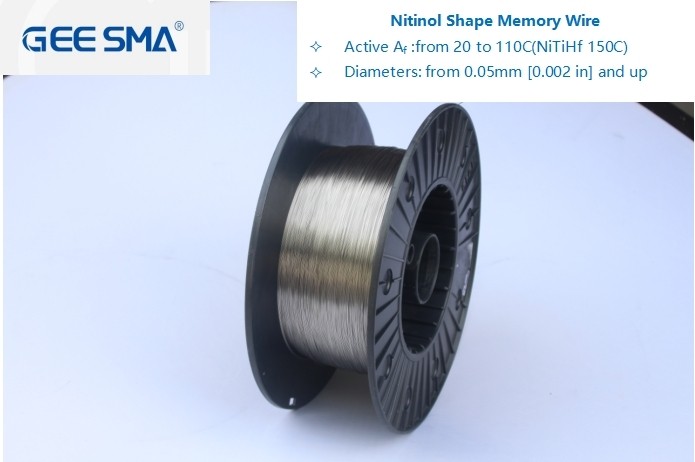
In a world where innovation drives progress, shape memory metals stand out as one of the most fascinating materials to emerge in modern science. These remarkable alloys, particularly the shape memory alloy Nitinol, have the unique ability to return to a predetermined shape when subjected to specific conditions. This extraordinary property not only captivates researchers but also transforms industries, making shape memory alloys examples of cutting-edge technology that enhance our daily lives.
The Marvel of Shape Memory Alloys
Shape memory metals are a testament to nature's ingenuity, exhibiting behaviors that seem almost magical. When deformed at lower temperatures, they can remember their original form and return to it upon heating—an impressive feat that has sparked interest across various fields. From creating intricate designs like shape memory metal flowers to developing advanced medical devices, these alloys showcase the potential for innovation in ways we’ve barely begun to explore.
Transforming Modern Technology
The impact of shape memory metals on modern technology cannot be overstated; they are revolutionizing how we think about design and functionality. In consumer electronics, for instance, the integration of shape memory polymers alongside traditional materials is leading to sleeker and more efficient products. As we delve deeper into applications ranging from aerospace engineering to medical innovations, it becomes clear that these materials are not just a fleeting trend but rather a cornerstone of future advancements.
Why Shape Memory Metal Matters
Understanding why shape memory metal matters is crucial for appreciating its role in shaping tomorrow's technologies. The versatility and adaptability of materials like Nitinol make them invaluable in various sectors—from enhancing surgical procedures with stents made from this unique alloy to improving spacecraft designs with innovative components. As we continue exploring the limitless possibilities offered by shape memory alloys, it's evident that their influence will only grow stronger in our ever-evolving technological landscape.
Understanding Shape Memory Alloys

Shape memory alloys (SMAs) are fascinating materials that can remember their original shape after being deformed. This remarkable property allows them to return to a predetermined configuration when subjected to specific stimuli, such as heat or stress. Among the various types of shape memory metals, Nitinol stands out for its unique characteristics and versatility.
What is Shape Memory Metal?
Shape memory metal refers to a group of metallic alloys that exhibit the ability to undergo significant deformation and then revert back to their original shape upon heating or other external influences. This phenomenon is primarily due to the material's crystalline structure, which changes between two distinct phases: martensite and austenite. The ability of shape memory metal, including Nitinol, to remember its original form opens up a world of possibilities in various fields such as aerospace and medicine.
How Shape Memory Alloys Work
The magic behind how shape memory alloys work lies in their unique phase transformation behavior. When a shape memory metal is cooled below a certain temperature, it transforms into the martensitic phase, allowing it to be easily deformed into new shapes—think of it like molding clay! Upon heating above this temperature threshold, the alloy reverts back to its original crystalline structure (austenite), effectively remembering its initial form and providing remarkable functionality across diverse applications.
Introducing Nitinol and Its Unique Properties
Nitinol is one of the most renowned examples of shape memory alloy, composed primarily of nickel and titanium. This remarkable material boasts not only shape recovery capabilities but also superelasticity—allowing it to stretch significantly without permanent deformation under certain conditions. With applications ranging from medical devices like stents to innovative designs in consumer products like shape memory metal flowers, Nitinol exemplifies how versatile and transformative shape memory alloys can be in our everyday lives.
The Role of Nitinol in Aerospace
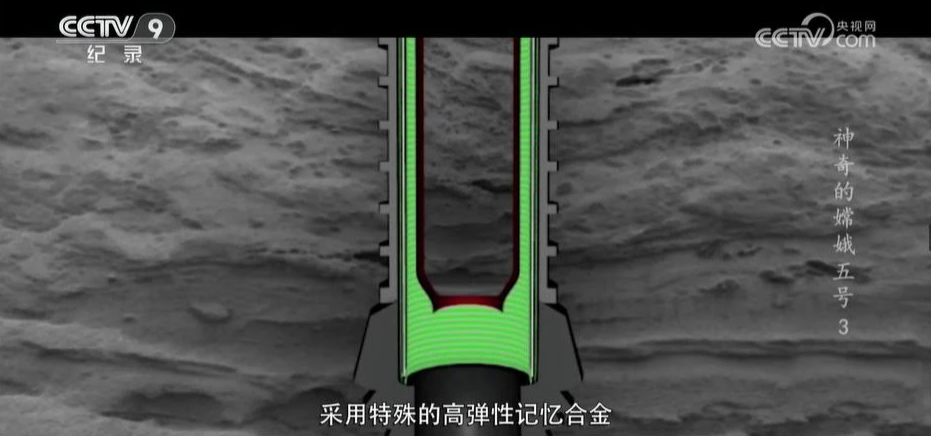
Nitinol, a remarkable shape memory alloy, has carved out a significant niche in the aerospace sector. Its unique properties allow it to undergo deformation and return to its original shape when heated, making it an invaluable asset for space exploration and spacecraft designs. With advancements in technology, the applications of this shape memory metal continue to expand, promising exciting developments for future missions.
GEE SMA and Space Exploration
The Global Engineering and Environmental Systems (GEE) has been at the forefront of integrating shape memory alloys into space exploration technologies. By utilizing shape memory metal, researchers can create components that are lighter yet durable enough to withstand harsh space environments. The adaptability of Nitinol allows for innovative designs that can respond dynamically to changes in temperature and pressure during missions.
One intriguing application is the development of deployable structures that use Nitinol's unique properties to unfold or reshape automatically once they reach a specific temperature threshold. This capability is essential for optimizing spacecraft performance while minimizing weight and complexity. As we venture further into the cosmos, GEE’s pioneering work with shape memory alloys will undoubtedly propel us toward new frontiers.
Shape Memory Alloys in Spacecraft Designs
Shape memory alloys are revolutionizing spacecraft designs by allowing engineers to create more efficient systems with fewer moving parts. Traditional mechanisms often rely on complex mechanical systems; however, incorporating Nitinol simplifies these designs while enhancing reliability under extreme conditions. The ability of this shape memory metal to transform shapes opens up new possibilities for everything from antennae deployment to solar panel adjustments.
Moreover, using a shape memory metal sheet can significantly reduce maintenance needs since these materials often resist wear better than conventional metals. This durability is crucial when considering long-duration missions where repairs may be challenging or impossible. As aerospace technology evolves, the role of Nitinol will likely expand even further into various spacecraft components.
Examples from Chang’e and Tianwen Missions
Recent missions like China’s Chang’e lunar exploration program and Tianwen Mars mission showcase practical applications of Nitinol in real-world scenarios. For instance, Chang’e utilized components made from shape memory alloys that enabled critical functions such as landing gear deployment and scientific instrument activation upon reaching their destination. Such implementations highlight how effective this innovative material can be under the rigorous demands of extraterrestrial environments.
Similarly, Tianwen’s success relied on advanced technologies incorporating shape memory polymers alongside traditional materials to ensure optimal performance during its journey through space and landing on Mars’ surface. These examples not only demonstrate the versatility of Nitinol but also set a precedent for future explorations where reliability cannot be compromised due to unpredictable conditions beyond Earth’s atmosphere.
Medical Innovations with Shape Memory Alloys

The realm of medicine has witnessed a remarkable transformation, largely thanks to the advent of shape memory alloys, particularly Nitinol. This unique material exhibits extraordinary properties that allow it to return to a predetermined shape when heated, making it an invaluable asset in various medical applications. From stents to surgical tools, the impact of shape memory metal is profound and far-reaching.
Nitinol in Stents and Medical Devices
Nitinol, a prominent type of shape memory alloy, has revolutionized the design and functionality of stents used in cardiovascular procedures. Its ability to expand and contract with temperature changes allows for minimally invasive surgeries, reducing recovery times for patients significantly. Additionally, the flexibility and strength of Nitinol metal enable doctors to navigate through complex vascular systems easily while ensuring optimal support for blood vessels.
Beyond stents, Nitinol is also utilized in various medical devices like guidewires and catheters. The innovative properties of shape memory metal facilitate smoother insertion and manipulation within the body, enhancing overall procedural efficiency. As more advancements emerge in this field, we can expect even broader applications for shape memory alloys in enhancing patient care.
Shape Memory Metal's Impact on Surgery
The integration of shape memory metals into surgical practices has dramatically changed how procedures are performed today. Surgeons can now rely on devices made from shape memory alloys that adapt dynamically during surgery—allowing for greater precision and less trauma to surrounding tissues. This adaptability not only improves safety but also enhances surgical outcomes by minimizing complications associated with traditional methods.
Moreover, Nitinol's unique characteristics enable the development of self-expanding devices that can automatically adjust their size within the body after implantation. This innovation means that once inserted, these devices can conform perfectly to their environment without requiring additional adjustments or interventions from surgeons. The result is a significant reduction in operation times and improved patient satisfaction.
Real-World Applications in Biomedicine
Shape memory alloys are not just limited to stents; their applications span various fields within biomedicine, showcasing their versatility as materials for medical innovation. For instance, researchers are exploring how shape memory polymers may complement these metals by offering alternative solutions where flexibility is paramount—like soft robotics used in delicate surgeries or rehabilitation equipment tailored for individual needs.
Additionally, examples abound where Nitinol has been employed beyond traditional uses; think about orthopedic implants designed with this remarkable material that promise better integration into bone structures thanks to its unique properties. The future looks bright as ongoing research continues revealing new ways that shape memory metal can solve complex medical challenges while improving patient outcomes across diverse healthcare settings.
Shape Memory Polymers in Technology
Shape memory polymers (SMPs) are an exciting frontier in the world of materials science, showcasing properties that allow them to return to a predetermined shape when subjected to specific stimuli, such as heat or light. Unlike their metallic counterparts, like the shape memory alloy Nitinol, which has been widely recognized for its applications in various fields, SMPs offer unique advantages in flexibility and lightweight design. As we delve into the rise of these innovative materials, it becomes clear that shape memory metal and polymers are set to revolutionize technology as we know it.
The Rise of Shape Memory Polymer
The evolution of shape memory polymer technology has garnered significant attention over recent years due to its versatility and potential applications across multiple industries. While traditional shape memory metals have dominated discussions around smart materials, the emergence of SMPs is reshaping our understanding of what materials can achieve. Their ability to be molded into intricate designs—such as a delicate shape memory metal flower—opens up new possibilities for customization and functionality in consumer products.
Moreover, the development of advanced manufacturing techniques has made it easier than ever to produce high-quality shape memory polymers at scale. This rise is not just about aesthetics; it's also about performance enhancement in various applications where lightweight and adaptable materials are crucial. As industries continue to explore these innovations, we can expect SMPs to play a vital role alongside established technologies like Nitinol metal.
Applications in Consumer Electronics
Consumer electronics have witnessed a surge in the integration of shape memory polymers due to their unique properties that cater perfectly to modern design needs. Imagine smartphones or wearable devices that can adapt their shapes based on user interaction or environmental conditions—this is no longer just a dream but an emerging reality thanks to SMPs. From flexible screens that reshape themselves when not in use to protective casings that absorb impact while returning to their original form, the potential applications for these materials are vast.
Furthermore, manufacturers are increasingly incorporating shape memory metal sheets into electronic devices for enhanced durability and functionality. These sheets can be programmed with specific shapes that respond dynamically during operation, offering users more intuitive experiences with their gadgets. As consumer demand grows for innovative designs coupled with practical utility, the role of SMPs will only expand within this competitive market.
Innovations in Robotics and Automation
In robotics and automation, the implications of utilizing shape memory polymers are profound and far-reaching. These materials allow robots to exhibit remarkable adaptability by changing shapes based on operational requirements or environmental changes—think robotic arms that morph seamlessly between tasks! By integrating SMPs into robotic designs alongside traditional components like Nitinol metal actuators, engineers can create machines capable of performing complex movements while maintaining efficiency.
Additionally, projects involving soft robotics benefit tremendously from using shape memory polymers because they provide both flexibility and strength without compromising safety during interactions with humans or delicate objects. The combination of soft-bodied robots using SMPs opens doors for advancements across sectors such as healthcare assistance or automated manufacturing processes where precision is paramount. As research continues into optimizing these technologies further, we anticipate witnessing groundbreaking innovations emerge from this collaboration between robotics and smart material science.
Shape Memory Alloys Examples in Everyday Life

Shape memory alloys, particularly Nitinol, have made their way into our everyday lives in surprising and innovative ways. From household items to artistic expressions, the versatility of shape memory metal continues to astound. Let's explore some fascinating examples that showcase how these materials are transforming our daily experiences.
Nitinol’s Use in Household Items
Nitinol, a prominent shape memory alloy, is increasingly finding its way into household items that simplify tasks and enhance functionality. For instance, shape memory metal is used in innovative kitchen utensils that can change form for better storage or usability. Imagine a spatula or tongs that can bend or twist back into a compact shape when not in use—thanks to the magic of Nitinol!
In addition to kitchenware, Nitinol's unique properties allow for the creation of self-repairing mechanisms found in various home appliances. These products utilize a shape memory metal sheet that returns to its original form after deformation, reducing wear and tear over time. As consumers become more aware of these benefits, we can expect an increase in the popularity of household items incorporating this remarkable material.
Shape Memory Flowers in Design and Art
The world of design and art has also embraced the charm of shape memory flowers made from advanced materials like Nitinol and other polymers. These stunning creations mimic real flowers' lifelike movements while maintaining durability thanks to their unique properties as shape memory metals. When exposed to heat or light, these flowers can unfurl or change color—creating an enchanting visual experience.
Artists are using shape memory metal flowers not only for aesthetic purposes but also as interactive installations that engage viewers on multiple levels. The ability of these creations to transform adds an element of surprise and delight that traditional art forms often lack. As this trend grows, we’ll likely see even more imaginative uses for shape memory alloys within the realm of artistic expression.
Innovative Applications Across Industries
Beyond homes and art studios, the potential applications for shape memory alloys extend across various industries—from automotive engineering to fashion design! In automobiles, components made from Nitinol help improve safety features by automatically adjusting during accidents or collisions due to their unique properties as a shape memory alloy. This innovation enhances both performance and protection for drivers.
Moreover, fashion designers are beginning to experiment with shape memory polymer technology alongside traditional fabrics—to create garments that adapt their fit based on body temperature or movement! Such innovations could revolutionize how we think about clothing comfort while adding an exciting twist on style trends. The possibilities truly seem endless when it comes down to leveraging the capabilities offered by these fascinating materials like Nitinol!
Conclusion

As we look to the horizon of innovation, shape memory technologies are poised to take center stage. The versatility of shape memory metal and its applications across various industries hint at a future where everyday objects can adapt and respond dynamically to their environments. From advanced medical devices to cutting-edge aerospace solutions, the potential for growth in this field is immense.
Future Trends in Shape Memory Technologies
The future of shape memory alloys promises exciting advancements, particularly with the integration of smart technologies. Innovations like Shape Memory Metal Sheets are likely to become commonplace, allowing for more intricate designs in consumer products that can change form based on user interaction or environmental conditions. Additionally, the rise of Shape Memory Polymers will expand possibilities even further, offering lightweight alternatives that retain the unique properties of traditional shape memory metals.
The Expanding Role of Nitinol
Nitinol metal, a standout among shape memory alloys, will continue to play a pivotal role in both medical and industrial applications. Its unique properties make it indispensable in devices such as stents and surgical tools that require precision and adaptability. As researchers explore new ways to utilize Nitinol, we can expect innovative creations like shape memory metal flowers that not only serve functional purposes but also enhance aesthetic appeal in design.
Final Thoughts on Shape Memory Alloys
In conclusion, the journey of shape memory alloys has just begun; their impact is already being felt across multiple sectors from healthcare to aerospace engineering. With ongoing research and development focused on enhancing their capabilities, we are likely to witness an explosion of creative uses for these materials—think beyond traditional applications! Whether it's through everyday items or groundbreaking technology solutions, the future is bright for shape memory metals and their transformative potential.