

Introduction
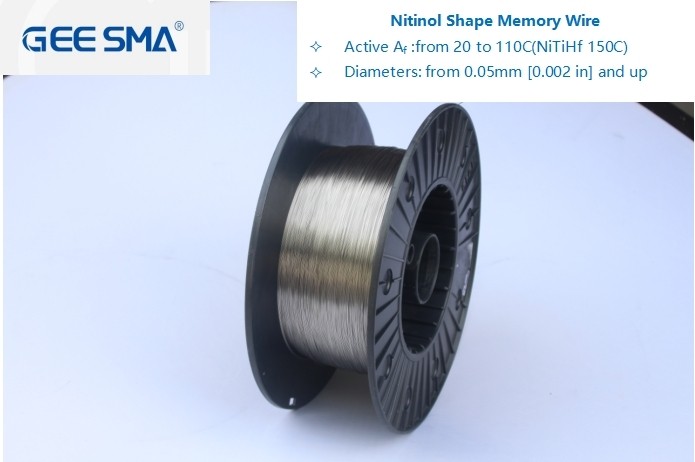
Nitinol, a remarkable alloy of nickel and titanium, has captivated scientists and engineers alike with its unique properties. Understanding nitinol composition is essential to unlock the full potential of this shape memory alloy, which can return to a predetermined shape when heated. As we delve into the world of nitinol, we will explore its fascinating characteristics and applications that make it indispensable in various industries.
Understanding Nitinol Composition
At the heart of nitinol's exceptional capabilities lies its unique composition, primarily consisting of nickel and titanium in varying ratios. Nickel oxide plays a crucial role in enhancing the material's properties, influencing everything from its ductility to its corrosion resistance. This intricate balance between elements allows nitinol wire to exhibit remarkable behaviors that are pivotal for medical devices like stents and other applications.
The Magic of Shape Memory Alloys
One of the most enchanting features of nitinol is its ability to remember shapes—hence the term shape memory alloy. When deformed at lower temperatures, it can revert back to its original form upon heating, showcasing an extraordinary transformation that seems almost magical. This property has opened doors for innovative applications across fields such as robotics, aerospace, and particularly in medicine with devices like nitinol stents.
Why Nitinol Properties Matter
The unique properties of nitinol are not just scientific curiosities; they hold significant implications for real-world applications. From enhancing patient outcomes with medical implants to enabling advanced engineering solutions, understanding these properties is vital for anyone involved in technology development or manufacturing processes. As a leading nitinol manufacturer continues to innovate, the future looks bright for this versatile material as it shapes our technological landscape.
Nitinol Composition Basics
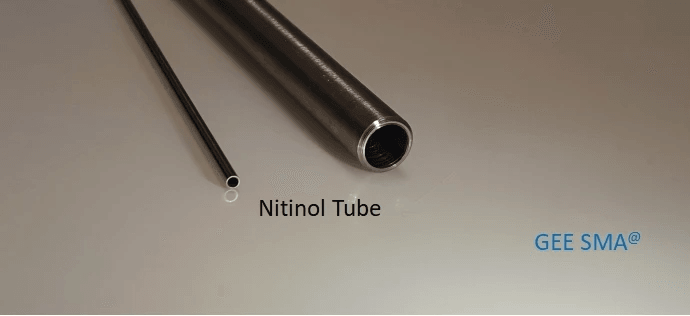
Understanding the nitinol composition is crucial for appreciating the unique properties that make this alloy a favorite in various applications. Nitinol, a nickel-titanium alloy, showcases remarkable characteristics such as shape memory and superelasticity, both stemming from its specific elemental makeup. The balance between nickel and titanium is what allows nitinol to perform its magic in diverse fields, particularly in medical devices like nitinol stents.
The Elements of Nitinol
At the heart of nitinol composition are two primary elements: nickel and titanium. Typically, the alloy consists of about 50-60% nickel and 40-50% titanium by weight, leading to its distinctive properties as a shape memory alloy. This precise ratio is essential; even slight deviations can significantly affect the performance and behavior of nitinol wire or other forms of this versatile metal.
Nickel Oxide's Role
Nickel oxide plays a pivotal role in enhancing the performance of nitinol by contributing to its corrosion resistance and overall stability. When exposed to air or moisture, nickel can form an oxide layer that protects against further degradation while maintaining the integrity of the underlying material. This makes it particularly beneficial for applications like nitinol stents, where long-term durability is essential in harsh bodily environments.
The Alloying Process
The alloying process for creating nitinol is not just about mixing metals; it's a carefully controlled procedure that ensures optimal properties are achieved consistently across batches. Manufacturers typically utilize techniques like vacuum melting or arc melting to combine nickel and titanium at high temperatures, allowing for uniform distribution within the alloy matrix. This meticulous approach results in high-quality nitinol wire that exhibits predictable shape memory characteristics and superelastic behavior when subjected to stress or temperature changes.
Unique Shape Memory Property
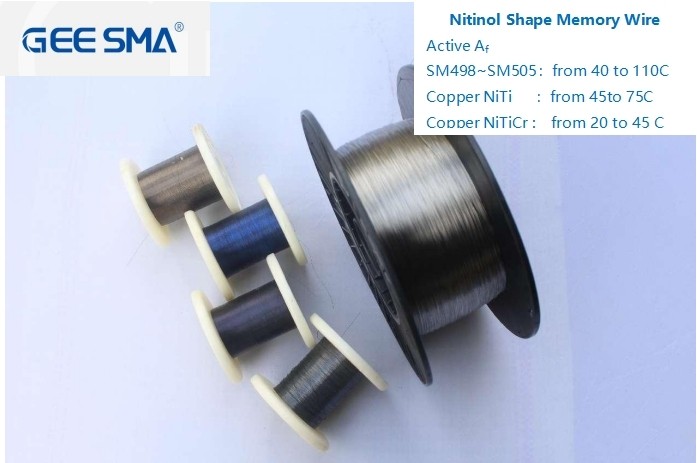
Nitinol, a fascinating shape memory alloy, possesses the unique ability to return to a predetermined shape when heated. This remarkable property is rooted in its specific nitinol composition, primarily consisting of nickel and titanium, with nickel oxide playing a crucial role in its transformation capabilities. Understanding how this shape memory works is essential for appreciating the diverse applications and innovations that rely on this extraordinary material.
How Shape Memory Works
The magic of shape memory lies in the phase transformation between two distinct crystal structures: martensite and austenite. When nitinol wire is deformed at lower temperatures (martensitic phase), it can be reshaped into various forms; however, upon heating to a certain temperature, it reverts to its original configuration (austenitic phase). This transition is not just a neat party trick; it's the foundation for countless applications that leverage nitinol's unique properties.
Applications of Shape Memory
Shape memory alloys like nitinol are used in various fields due to their ability to remember shapes and return to them when activated by heat or other stimuli. In medical devices, nitinol stents can expand automatically within blood vessels, providing critical support without invasive procedures. Beyond healthcare, industries such as robotics and aerospace utilize nitinol properties for actuators and fasteners that adapt dynamically under changing conditions.
Real-World Examples
Real-world examples of nitinol's shape memory capabilities abound in everyday life and specialized applications alike. For instance, eyeglass frames made from nitinol wire can bend without breaking and return to their original form after deformation—perfect for those who frequently misplace or mishandle their glasses! Another striking example includes dental archwires made from this alloy; they apply consistent force during orthodontic treatment while adapting seamlessly to changes in tooth positioning over time.
Exceptional Superelasticity
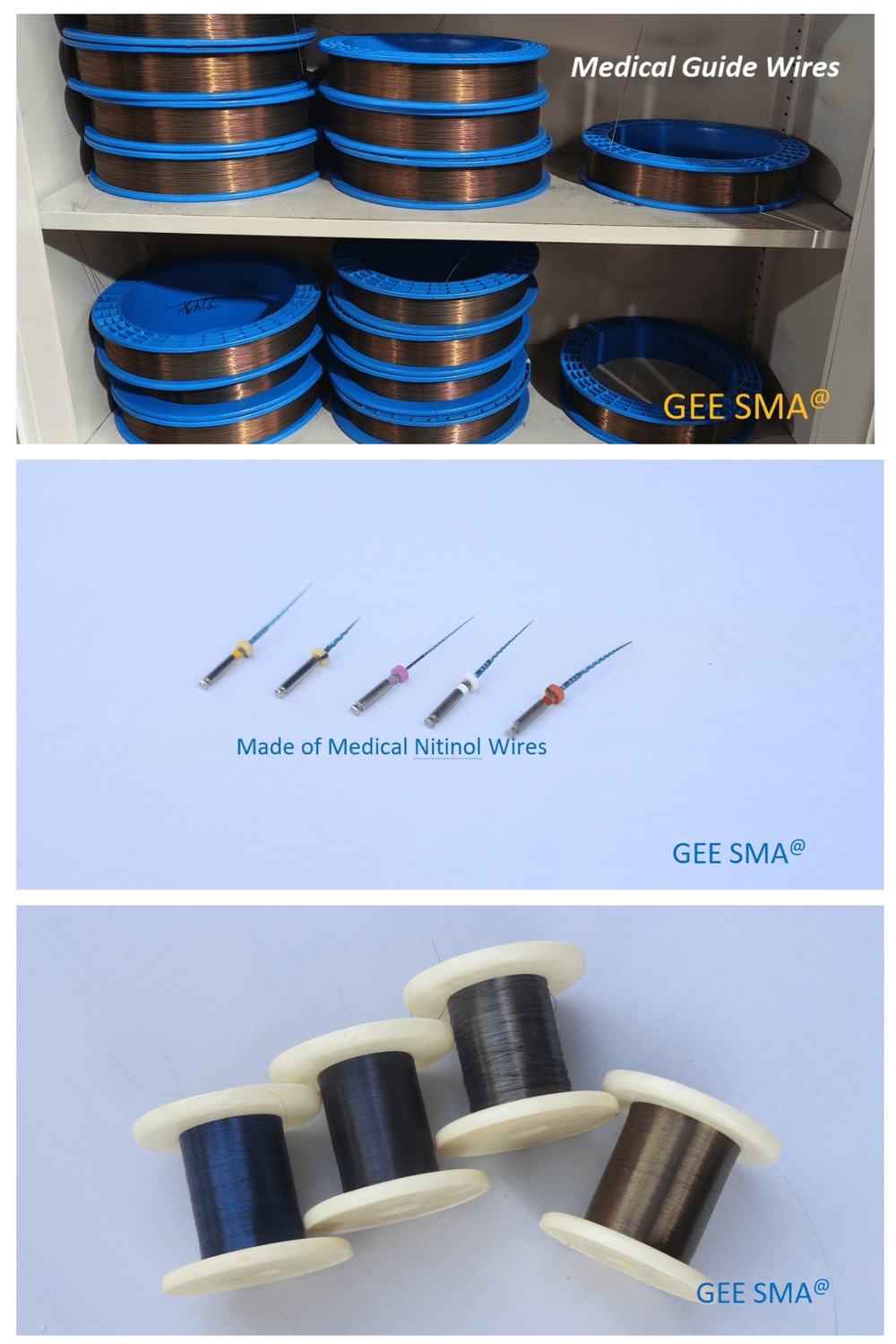
Nitinol, a remarkable shape memory alloy, exhibits exceptional superelasticity that sets it apart from regular alloys. Unlike conventional materials that deform under stress and remain permanently bent, superelastic nitinol wire can return to its original shape after the removal of stress. This unique characteristic stems from the specific nitinol composition, which includes nickel oxide and titanium, allowing for significant flexibility and resilience.
Superelastic vs. Regular Alloys
Superelasticity in nitinol differs fundamentally from the behavior of regular alloys when subjected to stress. While standard alloys may yield or fracture under pressure, nitinol maintains its integrity due to its unique phase transformation properties. This transformation occurs between austenite and martensite phases within the alloy's structure, enabling it to absorb energy without permanent deformation—an advantage not found in typical metal compositions.
Benefits of Superelastic Nitinol
The benefits of superelastic nitinol are extensive, particularly in applications requiring high performance and reliability. For instance, due to its ability to undergo large strains while returning to its original shape, nitinol is ideal for use in medical devices like stents and guidewires. Moreover, this property reduces the risk of device failure during procedures, enhancing patient safety and improving overall outcomes—a vital consideration for any nitinol manufacturer focused on quality.
Use Cases in Medicine
In medicine, superelastic nitinol has found a variety of critical applications that leverage its unique properties effectively. One prominent example is the use of nitinol stents; these devices expand within blood vessels upon deployment yet can adapt to changes in vessel diameter without losing their structural integrity. Additionally, nitinol wire is utilized in orthodontics for braces that apply consistent pressure over time while maintaining flexibility—making treatments more comfortable for patients.
Corrosion Resistance in Nitinol
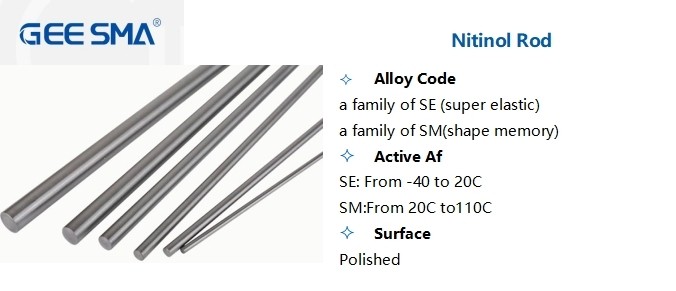
Corrosion resistance is a critical property of nitinol that significantly enhances its utility across various applications. This characteristic ensures that nitinol maintains its integrity and functionality, even when exposed to harsh environments, making it an ideal choice for medical devices and other demanding uses. Understanding why corrosion resistance matters helps underscore the importance of nitinol composition in developing reliable products.
Why Corrosion Resistance Matters
The ability of nitinol to resist corrosion stems from its unique composition, which includes nickel oxide as a key component. This feature is vital, especially in medical applications where devices are placed inside the human body and must withstand bodily fluids without degrading over time. Additionally, corrosion resistance contributes to the longevity and safety of products made from nitinol wire, ensuring they perform reliably throughout their intended lifespan.
Nitinol Stent Applications
Nitinol stents are one of the most prominent applications showcasing the benefits of this alloy's corrosion resistance. These stents are designed to keep blood vessels open and are often used in minimally invasive surgeries due to their shape memory properties that allow them to expand upon deployment. The combination of nitinol's exceptional corrosion resistance with its ability to return to a predetermined shape makes it an ideal material for stents, enhancing patient outcomes while minimizing complications.
Longevity in Harsh Environments
Nitinol's impressive durability extends beyond medical applications; it also thrives in harsh industrial environments where traditional materials might fail due to wear or corrosion. The alloy's inherent properties allow it to maintain performance even when subjected to extreme conditions such as high temperatures or corrosive chemicals. As a result, many industries rely on nitinol manufacturers for components that require both strength and resilience, ensuring long-lasting solutions that can withstand challenging circumstances.
Manufacturing Nitinol Wire
The production of nitinol wire is a fascinating process that combines science and engineering to create one of the most versatile materials known today. Nitinol, a unique shape memory alloy primarily composed of nickel and titanium, has properties that make it ideal for various applications, particularly in medical devices like nitinol stents. Understanding the manufacturing techniques used to produce nitinol wire allows us to appreciate its remarkable capabilities and the role it plays in advancing technology.
Overview of Production Techniques
Manufacturing nitinol wire involves several intricate processes that ensure the desired composition and properties are achieved. The first step typically includes melting nickel oxide with titanium in a controlled environment to create the alloy, ensuring precise control over the nitinol composition. Once formed, techniques such as cold working and heat treatment are employed to enhance its shape memory characteristics and superelasticity, critical features that set nitinol apart from conventional metals.
After this initial processing, further refinement is needed to produce high-quality nitinol wire suitable for specific applications. This often involves drawing the alloy into thin wires while maintaining its unique properties; this is where the expertise of a skilled nitinol manufacturer comes into play. The result is a product that not only exhibits excellent performance but also meets stringent industry standards for safety and reliability.
GEE SMA's Contribution
GEE SMA has emerged as a leader in the field of nitinol manufacturing, specializing in producing high-quality nitinol wire tailored for various industries. Their commitment to innovation has led them to develop advanced production techniques that enhance both efficiency and quality control throughout the manufacturing process. By focusing on precise control over the alloying process—particularly regarding nickel oxide content—GEE SMA ensures that their products consistently meet or exceed customer expectations.
Moreover, GEE SMA's investment in research allows them to explore new applications for their nitinol products beyond traditional uses like stents or actuators. They actively collaborate with other innovators in fields such as robotics and aerospace, pushing boundaries on what can be achieved with shape memory alloys. This dedication not only solidifies their reputation as a leading nitinol manufacturer but also contributes significantly to advancements across multiple sectors.
Customization for Various Industries
One of the standout features of GEE SMA’s approach is their ability to customize nitinol wire according to specific industry needs—whether it be medical devices or automotive components requiring specialized shapes or mechanical properties. By adjusting parameters during production, they can tailor aspects like diameter, tensile strength, or even thermal response based on client specifications while adhering closely to optimal nitinol composition guidelines.
This customization capability means that clients receive solutions perfectly suited for their applications without compromising on quality or performance—critical factors when dealing with sensitive areas like healthcare where reliability is paramount (think about those life-saving nitinol stents!). As industries continue evolving towards more complex demands, GEE SMA remains at the forefront by adapting their offerings accordingly while leveraging their expertise in shape memory alloys.
Conclusion
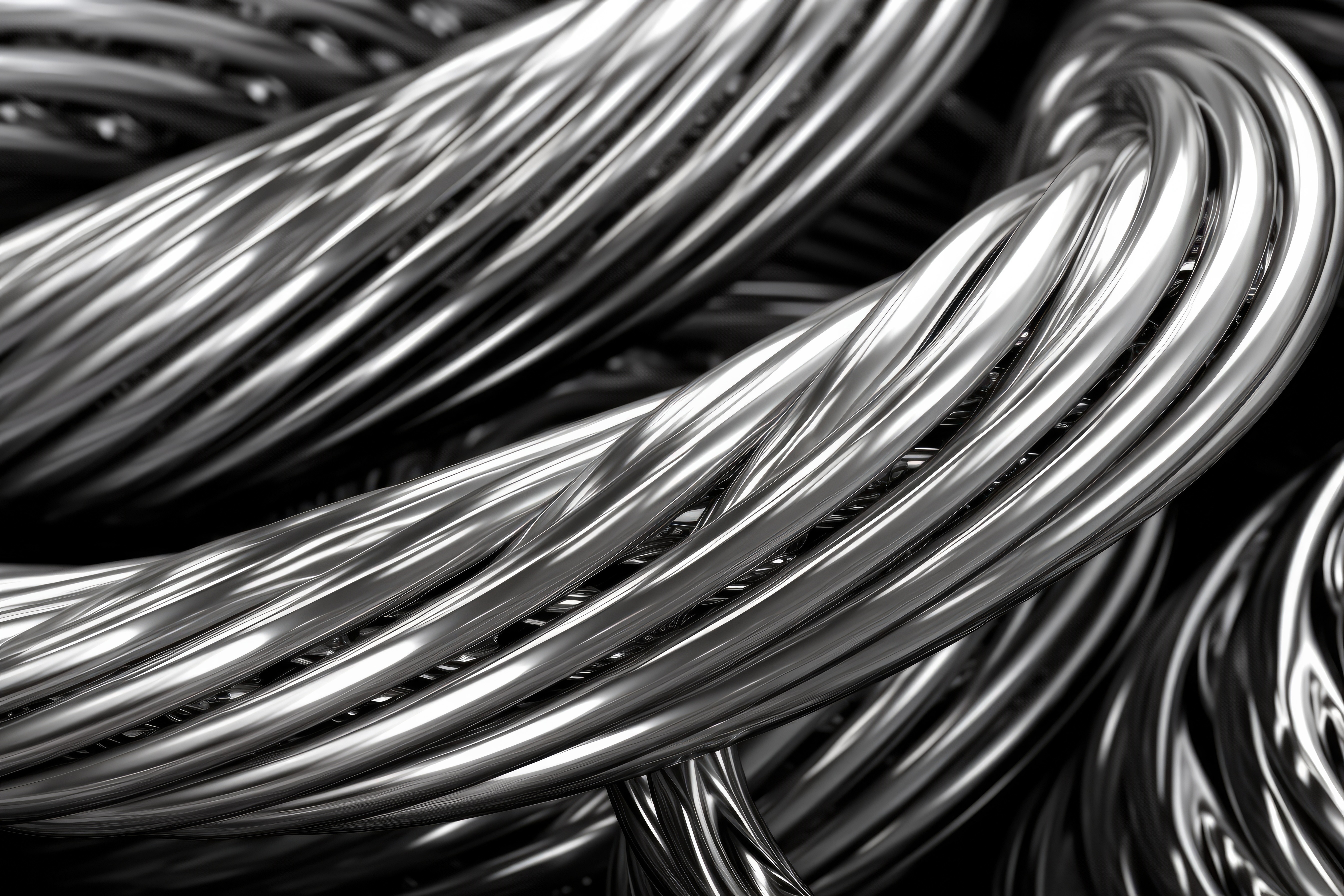
In wrapping up our exploration of nitinol, it’s clear that this remarkable shape memory alloy stands out due to its unique composition and properties. The interplay of nickel oxide and titanium creates a material that not only remembers its original shape but also exhibits superelasticity, making it invaluable in various applications. As we look ahead, the potential for nitinol to revolutionize industries from medicine to robotics remains bright.
Key Takeaways on Nitinol Composition
Understanding nitinol composition is crucial to appreciating its capabilities. This alloy primarily consists of nickel and titanium, with nickel oxide playing a pivotal role in enhancing its properties. The careful balance achieved during the alloying process ensures that nitinol can perform as both a shape memory alloy and a superelastic material, leading to innovative uses across multiple sectors.
The Importance of Nitinol Properties
The properties of nitinol are not just fascinating; they are transformative in practical applications. Its ability to undergo significant deformation while maintaining structural integrity makes it ideal for components like nitinol stents, which can expand within blood vessels without causing damage. Furthermore, the corrosion resistance inherent in nitinol enhances its longevity in harsh environments, solidifying its reputation as a go-to material for medical devices and beyond.
Future of Nitinol in Technology
Looking ahead, the future of nitinol technology is rife with possibilities. As research continues into optimizing nitinol wire production techniques, we can expect even more tailored solutions from manufacturers specializing in this unique alloy. With advancements in understanding shape memory effects and superelasticity, industries are likely to see an influx of innovative products designed with enhanced performance and durability thanks to the remarkable properties of nitinol.