

Introduction
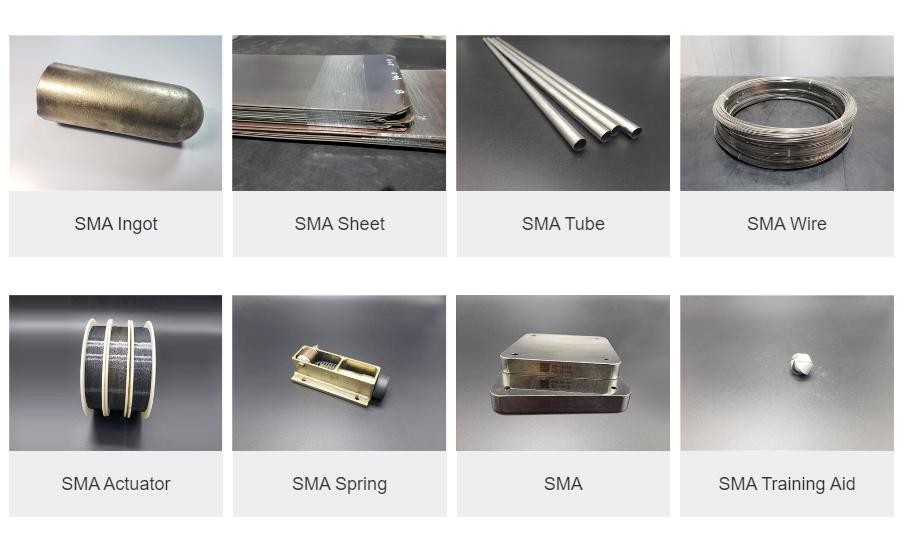
Both materials have unique characteristics that make them suitable for various uses, from medical implants to kitchenware. But what sets them apart? Understanding the nuances between titanium and stainless steel can help us appreciate their roles in modern technology and design.
Understanding Titanium and Stainless Steel
Titanium is a lightweight metal known for its exceptional strength-to-weight ratio, making it a popular choice in aerospace and medical applications. On the other hand, stainless steel is an alloy primarily composed of iron, carbon, and chromium, celebrated for its corrosion resistance and durability. A common question arises: does titanium have nickel in it? While titanium itself typically does not contain nickel, certain alloys may incorporate nickel for enhanced properties.
Key Properties of Titanium and Stainless Steel
Both titanium and stainless steel boast impressive mechanical properties that cater to specific needs across industries. Titanium is renowned for its high tensile strength, low density, and excellent biocompatibility—qualities that make it ideal for titanium dental implants used in restorative dentistry. Conversely, stainless steel's resistance to rusting due to chromium content makes it a staple in culinary tools and medical instruments alike.
Applications in Everyday Life
From the surgical precision of medical instruments to the sleek elegance of kitchenware, both materials find their way into our daily routines seamlessly. Titanium dental implants offer patients a durable solution with minimal rejection risk due to their compatibility with human tissue. Meanwhile, stainless steel's versatility allows it to shine in architectural designs as well as culinary applications—showcasing just how integral these materials are in shaping our world.
Comparing Chemical Composition
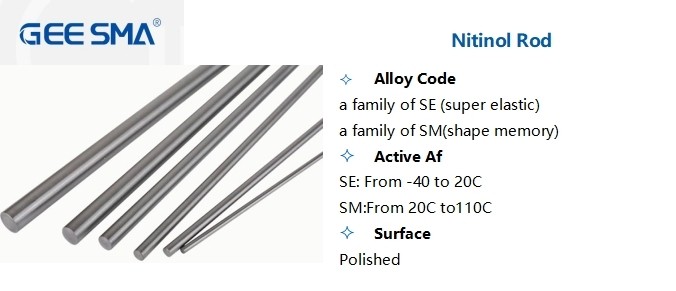
This section will clarify whether titanium contains nickel, explore the role of nickel in stainless steel, and compare the alloying elements found in these two materials. By dissecting their compositions, we can better appreciate how these metals function in various applications.
Does Titanium Have Nickel in It
The question does titanium have nickel in it? often arises when discussing metal alloys and their properties. Pure titanium does not contain nickel; however, some titanium alloys may incorporate small amounts of nickel for specific applications. For instance, certain medical devices like titanium dental implants might utilize a blend that includes nickel to enhance corrosion resistance or improve mechanical properties.
While pure titanium is generally preferred for its biocompatibility—especially in dental implants—certain environments may call for materials with added elements like nickel. It's essential to consider the intended use when determining whether a specific alloy meets necessary standards without compromising safety or performance. Ultimately, while titanium itself is free from nickel, its alloys can vary significantly based on application requirements.
The Role of Nickel in Stainless Steel
Nickel plays a pivotal role in stainless steel's composition and properties. Typically included at levels ranging from 8% to 12%, this element enhances corrosion resistance and overall durability of stainless steel products. The presence of nickel contributes to the formation of a protective passive layer on the surface, making it an ideal choice for kitchenware and surgical instruments where hygiene is paramount.
In contrast to titanium dental implants that prioritize biocompatibility without additional metals like nickel, stainless steel relies heavily on this element for its strength and resilience under various conditions. This makes stainless steel particularly suitable for applications requiring high strength-to-weight ratios alongside excellent corrosion resistance—traits that are critical when crafting everything from cutlery to medical devices. Understanding how integral nickel is can help consumers make informed choices about which material best suits their needs.
Titanium vs Stainless Steel Alloying Elements
When comparing alloying elements between titanium and stainless steel, significant differences emerge that influence their performance characteristics. Titanium primarily consists of aluminum and vanadium as common alloying agents alongside its pure form; these additions improve strength while maintaining lightweight properties essential for aerospace applications or even those sleek-looking titanium dental implants we see today.
On the other hand, stainless steel boasts a more complex composition with chromium as its primary alloying element alongside varying amounts of nickel, molybdenum, and manganese depending on the grade desired. This unique blend results in enhanced toughness but often leads to increased weight compared to lighter alternatives like titanium alloys used extensively across industries such as aerospace or medical technology.
Ultimately, understanding these differences helps clarify why one might choose one material over another based not just on strength but also factors like weight considerations or specific environmental resistances needed during use cases such as surgical procedures or aircraft manufacturing.
Mechanical Properties Unpacked
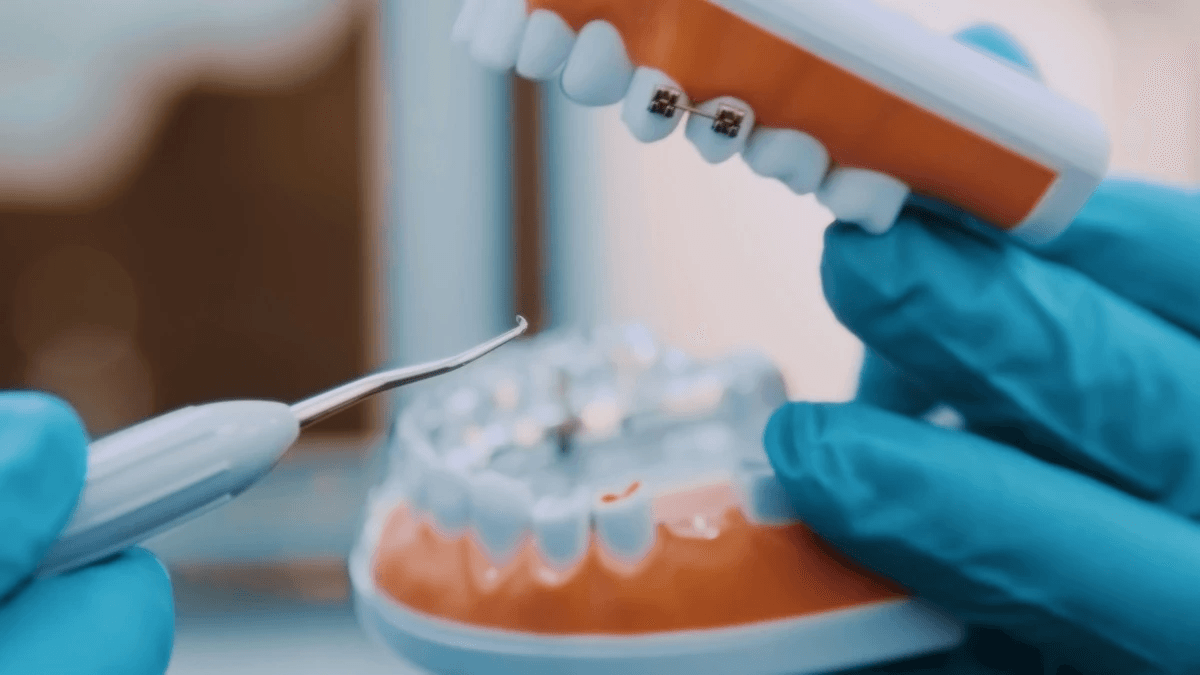
Understanding these properties is essential for making informed choices about materials, particularly in fields such as aerospace, medical, and industrial sectors. In this section, we will delve into strength and durability, weight considerations, and corrosion resistance.
Strength and Durability Analysis
Both titanium and stainless steel boast impressive strength-to-weight ratios, but they achieve this in different ways. Titanium is known for its high tensile strength coupled with low density; it’s often employed in demanding applications like titanium dental implants where both strength and biocompatibility are crucial. On the other hand, stainless steel's durability primarily comes from its alloying elements like nickel, which enhances toughness but can also add weight.
In terms of pure strength, titanium often outperforms stainless steel when comparing equal volumes of material; however, the specific application will dictate which material is more suitable overall. For instance, while a titanium structure may be lighter and stronger per unit weight, a stainless steel component might provide better impact resistance in certain scenarios due to its ductility. Ultimately, understanding whether does titanium have nickel in it matters depends on the required performance characteristics for each specific use case.
Weight Considerations for Practical Use
Weight plays a critical role in various applications—especially in aerospace engineering where every gram counts toward fuel efficiency. Titanium shines here due to its lightweight nature without sacrificing strength; this makes it an ideal candidate for components that require both resilience and reduced mass. In contrast, while stainless steel may be heavier due to its nickel content among other elements, it compensates with robustness that many industries rely on.
However, practical use isn't solely about weight; it's also about how materials perform under stress over time. For example, while a lightweight titanium dental implant can offer advantages in comfort and healing speed for patients compared to heavier alternatives made from stainless steel alloys containing nickel or chromium additives—one must also consider long-term performance factors like wear resistance before making a choice between the two materials.
Corrosion Resistance Explained
Corrosion resistance is another area where these metals diverge significantly based on their compositions. Stainless steel typically contains chromium—often combined with nickel—which forms a passive layer that protects against rusting when exposed to moisture or corrosive environments. This makes stainless steel an excellent choice for kitchenware or surgical instruments that must withstand frequent sterilization processes without degrading.
Conversely, titanium exhibits remarkable natural corrosion resistance due to the formation of a stable oxide layer when exposed to air or water; this feature allows it to thrive even in harsh environments such as saltwater or acidic conditions without significant degradation over time. When considering whether does titanium have nickel in it, it's essential to recognize that pure titanium does not contain nickel at all—it stands alone as an exceptional metal suited for diverse applications requiring high corrosion resistance like aerospace components or orthopedic implants.
Applications of Titanium

Titanium has carved out a significant niche in various industries due to its unique properties, making it a go-to material for applications that demand strength and durability. From the medical field to aerospace innovations, titanium's versatility is unmatched. Let’s dive into some of the most impactful uses of titanium.
Titanium Dental Implants and Their Advantages
When it comes to dental health, titanium dental implants stand out as a game changer. These implants are biocompatible, meaning they integrate well with human bone without causing adverse reactions, which is crucial for long-term success. Moreover, unlike other materials that might contain nickel, titanium is nickel-free; this reduces the risk of allergic reactions in patients who are sensitive to metals.
The benefits don’t stop at compatibility; titanium also boasts impressive strength while remaining lightweight—a perfect combo for dental applications. This makes it easier for dentists to place implants without compromising on durability or functionality. With advancements in technology, the use of titanium in dental procedures continues to evolve, offering patients more comfortable and effective solutions.
Aerospace Applications and Innovations
In the realm of aerospace engineering, titanium has become an indispensable material due to its remarkable strength-to-weight ratio and resistance to extreme temperatures. Aircraft components made from titanium alloys can withstand harsh conditions while keeping overall weight low—an essential factor for fuel efficiency and performance. The question does titanium have nickel in it? often arises when discussing these alloys; however, many aerospace-grade titanium products are specifically designed without nickel.
Innovations such as nickel-titanium (Nitinol) shape memory alloys have further revolutionized aerospace applications by providing components that can change shape under specific conditions. This allows engineers to create adaptive structures that enhance aircraft performance during flight maneuvers or landings. As technology advances, we can expect even more groundbreaking uses for titanium in aviation.
Industrial Uses of Titanium Alloys
Titanium alloys find their way into various industrial settings due to their exceptional corrosion resistance and strength under stress—qualities that are highly valued across multiple sectors like oil and gas or chemical processing. Industries often lean towards using these alloys because they offer longevity and reliability even when exposed to harsh environments or chemicals that would corrode other metals swiftly.
For instance, equipment used in offshore drilling must endure salty seawater conditions; thus, manufacturers frequently choose titanium alloys over traditional materials containing nickel because they provide superior protection against corrosion without added weight burdens. Additionally, as industries continue seeking sustainable solutions with less environmental impact, the use of lightweight yet durable materials like titanium will likely increase across various applications.
Understanding Stainless Steel Applications

Stainless steel is a remarkably versatile material that finds its way into various facets of our everyday lives. Its unique properties make it ideal for applications ranging from culinary tools to medical instruments and even architectural structures. By exploring these applications, we can appreciate why stainless steel remains a preferred choice in so many industries.
Kitchenware and Culinary Tools
From pots and pans to cutlery, the strength of stainless steel ensures that your culinary tools withstand the rigors of daily use without losing their luster. Interestingly, while discussing kitchenware, one might wonder: does titanium have nickel in it? The answer is no; titanium is a different metal altogether but has gained popularity in some high-end kitchen items for its lightweight nature.
Moreover, stainless steel's non-reactive surface means that it won’t alter the taste of food or absorb odors, making it an excellent choice for cookware. This quality is particularly important for chefs who demand precision in flavor profiles. Plus, with the rise of nickel titanium alloys in specialty kitchen tools, there's an exciting intersection between traditional materials and innovative technology.
Medical and Surgical Instruments
In the medical field, stainless steel’s properties are indispensable for surgical instruments and equipment. Its strength allows for precise cuts during surgery while ensuring that instruments remain sterile due to their non-porous surface. Interestingly enough, this leads us back to our earlier question: does titanium have nickel in it? While titanium itself doesn't contain nickel, some medical applications utilize nickel titanium alloys (like Nitinol) for specific uses such as stents or guidewires.
The reliability of stainless steel extends beyond just surgical tools; it's also used in various medical devices like implants where durability is crucial. The ability to withstand repeated sterilization processes without degrading makes stainless steel an ideal candidate for such applications. In fact, advancements in materials science continue to explore how combining metals like titanium with others can enhance performance further.
Architectural and Structural Uses
When we shift our focus from kitchens and hospitals to buildings and bridges, stainless steel proves its worth as a structural material too! Architects appreciate its aesthetic appeal along with its robust nature—think gleaming skyscrapers or iconic bridges that stand the test of time against weathering elements. And while contemplating these structures might lead one to ponder about alloy compositions—does titanium have nickel in it? No need for confusion here; although both metals are used widely across industries, they serve distinct purposes based on their unique properties.
Stainless steel’s resistance to corrosion means it's often used in outdoor settings where exposure to moisture could be detrimental over time—like railings or facades that need both functionality and beauty! Furthermore, architects are increasingly looking at how incorporating materials like titanium could complement stainless steel designs by adding lightweight solutions without sacrificing strength or integrity. This synergy opens up exciting new possibilities within architectural projects.
GEE SMA and Shape Memory Alloys
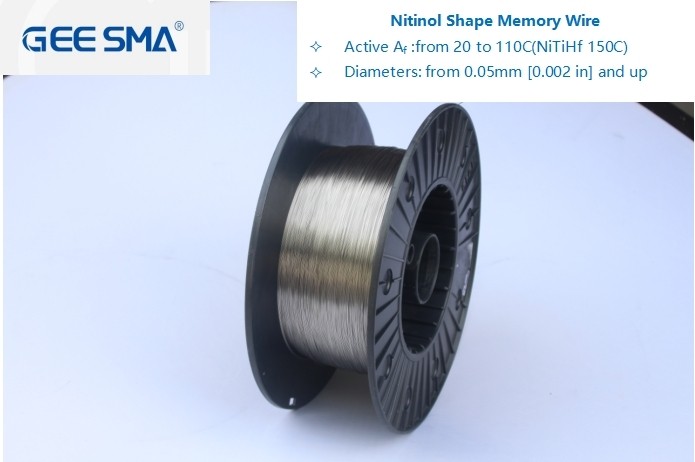
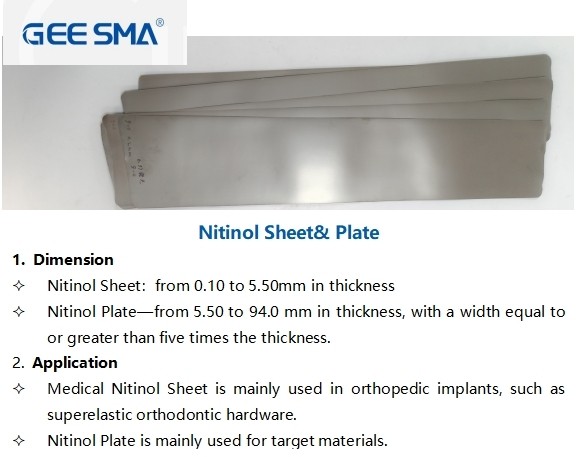
Shape memory alloys (SMAs) are fascinating materials that can return to a predetermined shape when heated. Among these, Nitinol—a nickel-titanium alloy—has garnered significant attention for its unique properties and applications. The intriguing question often arises: does titanium have nickel in it? The answer is yes, particularly in the context of Nitinol, where the combination of nickel and titanium creates remarkable mechanical characteristics.
Introduction to Nitinol Shape Memory Alloys
Nitinol, a portmanteau of Nickel and Titanium, exhibits extraordinary behavior; it can remember its original shape after deformation when exposed to heat. This ability makes Nitinol a star player in various high-tech applications, from medical devices to robotics. In fact, its biocompatibility has led to innovations such as titanium dental implants that utilize this unique alloy for enhanced performance and longevity.
Impact on Aerospace Missions
The aerospace industry has found a goldmine in Nitinol due to its lightweight yet strong characteristics—perfect for reducing fuel consumption while maintaining structural integrity. Components made from nickel-titanium can adapt under different temperature conditions, making them ideal for dynamic environments like space missions. As engineers continue to explore how does titanium have nickel in it contribute to these advancements, they are constantly finding new ways to leverage this alloy's capabilities.
Customized Solutions for Unique Needs
Customization is key when it comes to utilizing SMAs like Nitinol effectively; their properties can be tailored through variations in composition and processing methods. Industries ranging from healthcare—where customized titanium dental implants are crafted—to robotics benefit immensely from these tailored solutions that meet specific performance requirements. With ongoing research into how does titanium have nickel in it influence the properties of SMAs, we can expect even more innovative applications on the horizon.
Conclusion
In the grand showdown between titanium and stainless steel, making an informed choice can feel like navigating a labyrinth. Both materials boast unique properties that cater to specific applications, so understanding their differences is key. Whether you're considering titanium dental implants or exploring the durability of stainless steel in your kitchen, the right material can make all the difference.
Making an Informed Choice
When it comes to selecting between titanium and stainless steel, one must ponder critical questions such as: does titanium have nickel in it? The answer is no; titanium is a nickel-free metal, which makes it ideal for medical applications like dental implants where biocompatibility is crucial. On the other hand, stainless steel often contains nickel to enhance its corrosion resistance and strength, making each material suitable for different purposes.
Titanium dental implants are a prime example of how choosing the right material can lead to better health outcomes. Their lightweight nature and exceptional resistance to corrosion make them a favorite among dentists and patients alike. As you weigh your options, consider not just the immediate benefits but also long-term implications of your choice.
The Future of Titanium and Stainless Steel
The future looks bright for both titanium and stainless steel as technology advances and new applications emerge. Innovations in alloying techniques are paving the way for stronger yet lighter materials that could redefine industries from aerospace to healthcare. For instance, nickel titanium alloys are gaining attention for their unique properties that allow them to return to a predetermined shape when heated—a game-changer in various engineering fields.
As we look ahead, it's clear that both materials will continue evolving alongside modern demands. From enhanced biocompatibility in medical devices to more efficient manufacturing processes in aerospace components, there’s no shortage of potential uses on the horizon. The interplay between these metals will likely lead to breakthroughs we can't even imagine today.
Final Thoughts on Strength and Versatility
In conclusion, both titanium and stainless steel offer remarkable strength and versatility tailored for different needs. While one may be drawn towards titanium's lightweight allure or its role in cutting-edge dental implants, others might appreciate stainless steel's rugged reliability found in everyday kitchenware or surgical instruments. Ultimately, understanding whether does titanium have nickel in it or not can help you decide which material suits your needs best.
As these materials evolve with technological advancements and innovative applications arise—like customized solutions using nickel titanium—one thing remains certain: both will continue playing pivotal roles across various industries for years to come. So whether you're gearing up for an aerospace mission or simply upgrading your culinary tools at home, choose wisely!