

Introduction
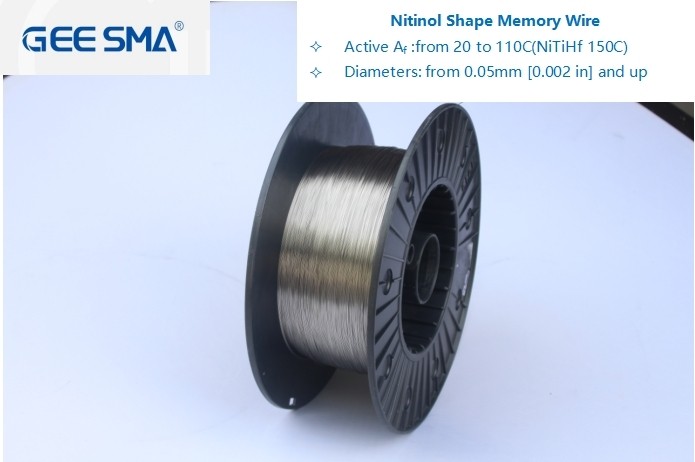
Welcome to the fascinating world of Nitinol materials, where science meets innovation in the realm of shape memory alloys. Among these remarkable materials, Nitinol SE508 stands out for its unique properties and versatile applications. In this section, we will explore what makes Nitinol SE508 special and how it differs from other variants in the Nitinol family.
Understanding Nitinol Materials
Nitinol, a nickel-titanium alloy, is renowned for its extraordinary shape memory and superelastic properties. When subjected to specific temperature changes or stress levels, Nitinol can return to its original shape after deformation—a feature that has revolutionized various industries. This remarkable ability stems from a phase transformation within the material's crystalline structure, making Nitinol an essential choice for applications ranging from medical devices to robotics.
Overview of Nitinol SE508
Nitinol SE508 is one of the notable grades within the Nitinol family, specifically designed for enhanced performance in demanding environments. With a carefully balanced composition that optimizes both yield strength and superelasticity, SE508 is particularly favored in applications requiring reliable performance under stress. Its unique characteristics make it an excellent choice for engineers looking to leverage advanced materials in their designs.
Key Differences between SE508 Variants
When comparing Nitinol SE508 vs SE508 variants, it becomes clear that subtle differences can lead to significant impacts on performance metrics such as yield strength and elasticity. Each variant may have slight variations in composition or processing methods that influence their mechanical properties and suitability for specific applications. Understanding these differences is crucial for engineers when selecting the right type of Nitinol wire or alloy for their projects—ensuring optimal functionality and durability.
Nitinol Fundamentals
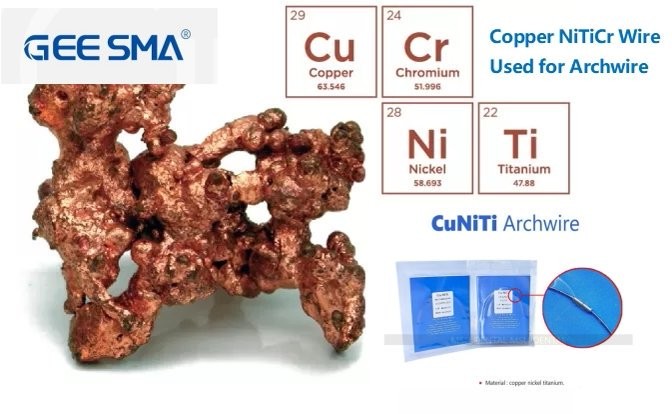
Nitinol, a unique alloy primarily composed of nickel and titanium, exhibits remarkable properties that have captured the attention of engineers and researchers alike. The term Nitinol stands for Nickel Titanium Naval Ordnance Laboratory, where this remarkable material was first developed in the 1960s. Understanding Nitinol alloys is crucial for leveraging their capabilities in various applications, especially when comparing different grades like Nitinol SE508 vs SE508.
Introduction to Nitinol Alloys
Nitinol alloys are known for their exceptional shape memory and superelastic properties, making them suitable for a wide array of applications. The primary variants include Nitinol SE508 and other grades, each tailored to meet specific performance metrics such as yield strength and fatigue resistance. Engineers often refer to detailed Nitinol datasheets to understand the mechanical properties and thermal behavior of these alloys before selection.
In particular, Nitinol SE508 has gained recognition due to its superior characteristics compared to other variants. This grade is designed with a specific composition that enhances its shape memory effect while maintaining excellent ductility. When discussing Nitinol alloys, it’s essential to consider how the unique properties influence their application across industries.
The Science behind Nitinol Shape Memory
The science behind Nitinol's shape memory effect lies in its ability to undergo phase transformations between austenite and martensite at specific temperatures. When deformed at lower temperatures (martensitic state), it can return to its original shape upon heating (austenitic state). This phenomenon is what makes Nitinol wire particularly valuable in applications requiring precise movements or adjustments.
Moreover, the superelasticity of Nitinol allows it to deform significantly under stress without permanent deformation when in the austenitic phase. This characteristic is particularly advantageous in medical devices where flexibility and reliability are paramount. By exploring these scientific principles further, one can appreciate why understanding the differences between grades like Nitinol SE508 vs SE508 matters deeply in practical applications.
Applications in Various Industries
Nitinol’s unique attributes make it indispensable across several industries including medical technology, aerospace engineering, and robotics. In medicine, for example, devices such as stents made from nitinol wire benefit from both shape memory effects and superelasticity; they expand upon reaching body temperature after being inserted into blood vessels while remaining flexible during placement.
In aerospace engineering, components made from nitinol alloys can withstand extreme conditions while returning to their original shapes after deformation during flight maneuvers or landings—showcasing their durability and reliability under stress. As industries continue exploring innovative uses for materials like nitinol SE508 vs SE508, we see an increasing trend toward integrating advanced materials into everyday technologies that require precision engineering.
Deep Dive into Nitinol SE508
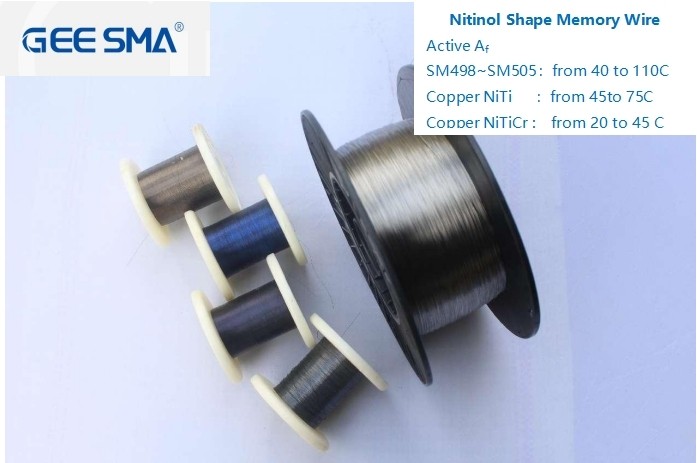
Nitinol SE508 represents a significant advancement in the world of shape memory alloys. This section delves into its unique composition and properties, yield strength characteristics, and real-world applications that highlight its versatility. Understanding these aspects is crucial for engineers and designers who are considering Nitinol SE508 for their projects.
Composition and Properties of SE508
Nitinol SE508 is primarily composed of nickel and titanium, with specific ratios that enhance its performance in various applications. The alloy's unique composition not only contributes to its shape memory effect but also gives it remarkable superelastic properties, making it suitable for dynamic environments. When comparing nitinol SE508 vs SE508 variants, it's essential to note that slight variations in composition can lead to significant differences in thermal and mechanical behavior.
The alloy's ability to return to a predetermined shape after deformation is a result of its phase transformation characteristics. This property is particularly valuable in medical devices where precise movements are crucial. Furthermore, the mechanical properties of Nitinol SE508, such as flexibility and resilience, make it an attractive option for industries ranging from aerospace to robotics.
Nitinol Yield Strength Characteristics
Understanding the yield strength of Nitinol SE508 is vital when evaluating its performance under stress. Yield strength refers to the maximum stress that a material can withstand before permanent deformation occurs; for Nitinol wire specifically, this characteristic can vary based on processing methods and heat treatments applied during manufacturing. In comparison with other nitinol grades, such as standard Nitinol or other specialized alloys, SE508 often exhibits superior yield strength characteristics due to its optimized composition.
In practical terms, this means that components made from Nitinol wire can endure higher loads without compromising their integrity or functionality. Moreover, the alloy’s superelastic nature allows it to undergo significant deformation without yielding—an essential feature when designing components that must absorb shocks or respond dynamically under varying conditions. Engineers looking at nitinol datasheets will find these yield strength metrics critical when selecting materials for demanding applications.
Real-World Applications of SE508
The versatility of Nitinol SE508 shines through in various real-world applications across multiple industries. In the medical field, it's commonly used in stents and guidewires due to its biocompatibility and ability to expand upon reaching body temperature—a prime example of nitinol shape memory at work! Additionally, its superelastic properties make it ideal for dental arch wires that need flexibility while maintaining structural integrity.
Beyond healthcare, this alloy finds utility in robotics where actuators benefit from the unique movement capabilities offered by shape memory effects. Automotive manufacturers also leverage Nitinol’s properties for innovative solutions like adaptive suspension systems which adjust automatically based on road conditions—showing just how far nitinol technology has come! As industries continue exploring new ways to utilize materials like Nitinol wire effectively, we can expect further growth in demand for specialized grades like SE508.
Comparing SE508 to Other Nitinol Grades
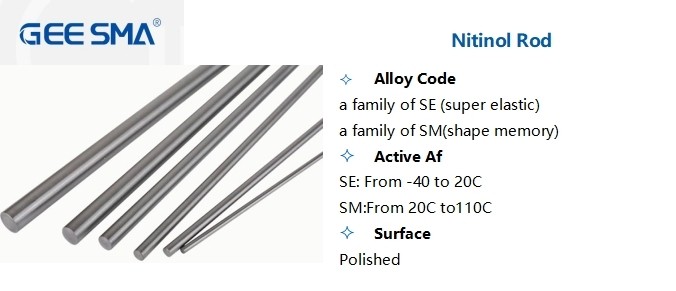
When it comes to the realm of Nitinol alloys, SE508 stands out, but how does it really stack up against its counterparts? The comparison between Nitinol SE508 and other alloys reveals crucial insights into their respective properties and applications. By examining these differences, engineers can make informed decisions about which alloy best suits their specific needs.
Nitinol SE508 vs Other Alloys
Nitinol SE508 is a unique variant that offers distinct advantages over other Nitinol grades, particularly in terms of its mechanical properties and thermal characteristics. For instance, when comparing Nitinol SE508 vs SE508 variants, one may notice that the latter often has enhanced superelasticity and fatigue resistance due to its specific composition. This makes SE508 a popular choice for applications requiring high reliability and performance under stress.
Moreover, while many Nitinol alloys share similar shape memory capabilities, the yield strength of SE508 can be significantly higher than that of other grades. This increased yield strength allows for more robust designs in medical devices or actuators where precision is key. Ultimately, understanding these differences not only aids in selecting the right material but also highlights why certain projects may benefit from choosing Nitinol SE508 over alternatives.
Superelasticity in Nitinol SE508
Superelasticity is one of the hallmark features of many Nitinol alloys, including SE508. This property allows materials to undergo significant deformation under stress while returning to their original shape once the load is removed—an attribute highly valued in various engineering applications. When discussing Nitinol superelastic capabilities specifically related to SE508, one finds that its unique formulation enhances this effect compared to standard grades.
The superelastic behavior of Nitinol SE508 is particularly advantageous in dynamic applications such as stents or orthodontic wires where flexibility and resilience are paramount. The ability to withstand repeated cycles without permanent deformation means that products made from this alloy can maintain integrity over time—a critical factor for long-term use in medical settings. In essence, if you’re on the hunt for a reliable material with superior superelastic properties, look no further than Nitinol SE508.
Performance Metrics Relevant to SE508
To truly appreciate what sets Nitinol SE508 apart from other grades, one must delve into its performance metrics as outlined on various Nitinol datasheets available today. These datasheets provide essential information regarding yield strength and thermal transition temperatures among other specifications crucial for engineers making design choices. For example, the yield strength of Nitinol wire made from the SE508 variant often exceeds that found in more traditional forms of this alloy.
Additionally, performance metrics such as fatigue life under cyclic loading conditions are vital when assessing suitability for high-performance applications like actuators or connectors used in aerospace industries. By closely examining these metrics on a datasheet tailored for Nitinol materials—especially those focusing on comparisons like nitinol se508 vs se508—engineers can identify which properties will best meet their project requirements while ensuring safety and efficacy.
Nitinol Datasheet Insights
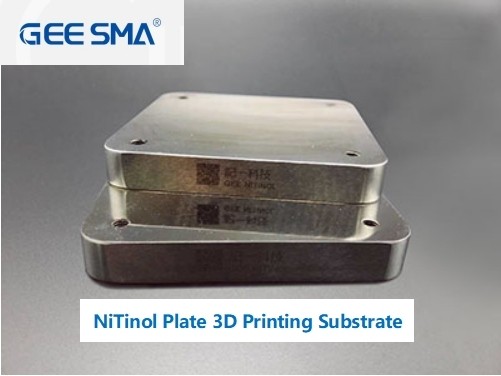
Understanding the intricacies of Nitinol materials is crucial for engineers and manufacturers alike. The Nitinol datasheet serves as a vital resource, providing essential specifications that guide decision-making in applications ranging from medical devices to aerospace components. In this section, we will explore the key specifications of Nitinol SE508, how to interpret these datasheets, and their importance in engineering contexts.
Key Specifications of Nitinol SE508
Nitinol SE508 boasts impressive properties that distinguish it from other variants, particularly when comparing nitinol SE508 vs SE508. One of its standout features is its yield strength, which typically ranges between 600 to 800 MPa, offering robust performance under stress. Additionally, the superelastic capabilities of Nitinol SE508 enable it to undergo significant deformation while returning to its original shape upon unloading—a critical characteristic for applications requiring flexibility and resilience.
Another noteworthy specification is the transformation temperature range for Nitinol shape memory effects, which can be tailored during manufacturing processes. This allows for customization based on specific application needs—whether in medical devices or actuators. Furthermore, the alloy's corrosion resistance ensures longevity and reliability in various environments, making it a preferred choice in demanding industries.
How to Interpret Nitinol Datasheets
Interpreting a Nitinol datasheet may seem daunting at first glance due to the technical jargon and numerous parameters listed; however, understanding the basics can simplify this process significantly. Start by identifying key sections such as mechanical properties (including yield strength), thermal properties (like transformation temperatures), and chemical composition—these are crucial when comparing nitinol SE508 vs other grades or alloys.
Pay particular attention to tables detailing tensile strength and elongation percentages; these figures provide insight into how well a specific wire or component can withstand forces without permanent deformation. Additionally, look for notes on superelastic behavior since this characteristic can dramatically affect performance in dynamic applications where flexibility is essential.
Finally, familiarize yourself with any footnotes or annotations provided on the datasheet; they often contain valuable information regarding testing methods or conditions that could influence material behavior under real-world circumstances.
Importance of Datasheets for Engineers
For engineers working with advanced materials like Nitinol SE508, datasheets serve as indispensable tools that bridge theory with practical application. They provide not only critical specifications but also context—enabling engineers to make informed decisions about which material best suits their project requirements based on yield strength and other performance metrics relevant to their designs.
Moreover, comprehensive understanding gained from these documents allows engineers to predict how materials will behave under various conditions—be it thermal cycling in medical implants or mechanical stress in automotive components. This foresight minimizes risks associated with material selection and ultimately enhances product reliability.
In summary, leveraging insights from Nitinol datasheets empowers engineers by equipping them with knowledge about nitinol wire characteristics—including superelasticity and shape memory effects—that are pivotal in modern engineering solutions.
The Future of Nitinol Materials
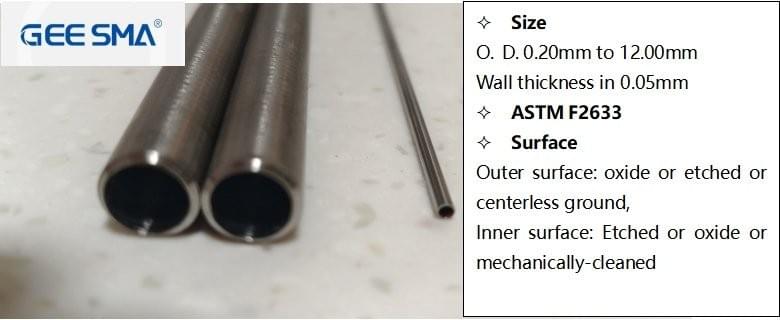
As we look to the horizon, the future of Nitinol materials, particularly Nitinol SE508, is brimming with potential. Innovations in manufacturing processes and material science promise to enhance the properties of Nitinol alloys, making them more versatile and efficient for a variety of applications. The ongoing research into Nitinol shape memory and superelasticity is set to redefine how industries utilize these remarkable materials.
Innovations in Nitinol Technology
Recent advancements in Nitinol technology focus on improving the yield strength and fatigue resistance of alloys like SE508. Researchers are exploring new alloy compositions that can withstand higher stress levels while maintaining their unique shape memory characteristics. These innovations could lead to more durable Nitinol wire applications, expanding its use in medical devices and aerospace components.
Moreover, the development of advanced processing techniques promises to enhance the performance metrics relevant to Nitinol SE508. Techniques such as additive manufacturing are being investigated for producing complex geometries that traditional methods cannot achieve. This shift could revolutionize how engineers design components using Nitinol by allowing for greater customization and efficiency.
The integration of smart technologies into Nitinol applications also holds exciting prospects for the future. Imagine a world where devices equipped with smart sensors can adjust their shape or stiffness based on environmental conditions! This would not only elevate user experience but also significantly broaden the scope of what’s possible with Nitinol shape memory materials.
GEE SMA’s Contribution to Nitinol Development
GEE SMA has emerged as a key player in advancing Nitinol technology, particularly with its innovative approaches toward enhancing SE508 variants. Their commitment to research has led to significant improvements in both performance and reliability of products made from this alloy. By focusing on optimizing yield strength characteristics, GEE SMA is ensuring that their offerings meet stringent industry standards.
Additionally, GEE SMA actively collaborates with other organizations and research institutions to push the boundaries of what can be achieved with Nitinol wire technology. These partnerships foster an environment ripe for innovation, allowing for rapid testing and implementation of new ideas related to superelastic properties or heat treatment processes that improve material performance. Their contributions are paving the way for next-generation applications across various sectors including robotics and biomedical engineering.
Furthermore, GEE SMA's dedication extends beyond just product development; they emphasize education around interpreting nitinol datasheets effectively so engineers can make informed decisions when selecting materials for specific applications. This focus on knowledge sharing helps create a well-informed community that is crucial for driving forward-thinking solutions in engineering challenges involving shape memory alloys.
Trends Impacting Nitinol Shape Memory Applications
Emerging trends suggest a growing demand for lightweight yet high-strength materials like nitinol SE508 across multiple industries including automotive and aerospace sectors. As manufacturers prioritize efficiency and sustainability, innovations surrounding nitinol's unique properties will play an essential role in meeting these demands while reducing overall weight without compromising safety or durability.
Moreover, there is an increasing interest in integrating renewable energy sources into various technologies where nitinol's superelastic capabilities can be utilized effectively—think energy-efficient actuators or adaptive structures that respond dynamically based on external stimuli! Such advancements not only promise enhanced functionality but also align well with global sustainability goals.
Lastly, as digital transformation sweeps through industries worldwide, there’s an increasing reliance on data analytics which will impact how companies approach product design using nitinol alloys like SE508. Engineers will leverage detailed insights from nitinol datasheets alongside predictive modeling tools to optimize designs before prototyping—saving time while enhancing overall product quality!
Conclusion
In wrapping up our exploration of Nitinol SE508, it’s clear that this material possesses unique properties that set it apart in the world of shape memory alloys. With its remarkable yield strength characteristics and superelastic capabilities, Nitinol SE508 is a prime choice for various demanding applications. Understanding the nuances of Nitinol SE508 vs SE508 variants helps engineers make informed decisions tailored to their specific needs.
Summary of Nitinol SE508 Properties
Nitinol SE508 stands out due to its excellent combination of strength and flexibility, making it an ideal candidate for applications where both are crucial. The material exhibits impressive shape memory effects, allowing it to return to a predetermined shape after deformation when subjected to heat. Furthermore, the Nitinol datasheet reveals key specifications such as thermal and mechanical properties that highlight its suitability for industries ranging from medical devices to aerospace.
Final Thoughts on Nitinol Comparisons
When comparing Nitinol SE508 with other grades like SE507 or even traditional alloys, the differences in performance metrics become apparent. The superelastic behavior of Nitinol SE508 allows for greater deformation without permanent change, which is a game-changer in applications requiring resilience under stress. Ultimately, understanding these distinctions can guide engineers toward selecting the right alloy based on specific project requirements.
The Importance of Nitinol in Modern Engineering
Nitinol materials have revolutionized modern engineering by providing solutions that were previously unattainable with conventional metals. As industries continue to evolve and demand more innovative materials, the significance of alloys like Nitinol will only grow stronger. Whether it's through advancements in manufacturing techniques or enhanced properties outlined in the latest datasheets, the future looks bright for Nitinol shape memory applications across diverse sectors.