

Introduction
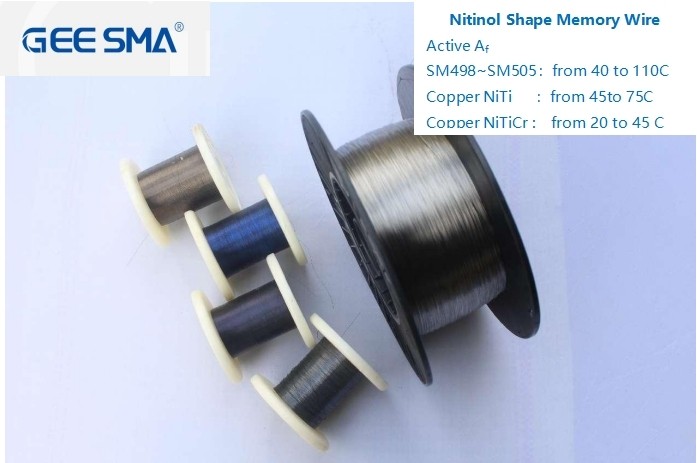
Nitinol, a remarkable alloy of nickel and titanium, has garnered attention across various industries due to its unique properties and versatile applications. From medical devices to aerospace components, understanding Nitinol is essential for appreciating how it revolutionizes engineering solutions. However, with great innovation comes the need for stringent standards, such as ASTM F2063, which governs the quality and performance of Nitinol products.
Understanding Nitinol and Its Applications
What is so special about Nitinol? The answer lies in its extraordinary shape memory effect and superelasticity, allowing it to return to a predetermined shape when heated or deformed under stress. These properties make Nitinol an ideal choice for critical applications like stents in medical devices, where reliability and performance are paramount.
Overview of ASTM F2063 Standards
What is ASTM F2063? This standard outlines the specifications and testing methods necessary for ensuring the quality of Nitinol used in various applications. By adhering to these guidelines, manufacturers can ensure that their products meet safety requirements while maximizing performance in demanding environments.
Importance of Compliance in Manufacturing
Compliance with ASTM F2063 standards is not just a regulatory hurdle; it's a cornerstone of responsible manufacturing practices. Companies that prioritize compliance can better manage production costs—crucial given that many ask why Nitinol is so expensive—while also enhancing product safety features like MRI compatibility (Is Nitinol safe for MRI?). In essence, adherence to these standards fosters innovation while safeguarding end-users across all sectors.
What is ASTM F2063?
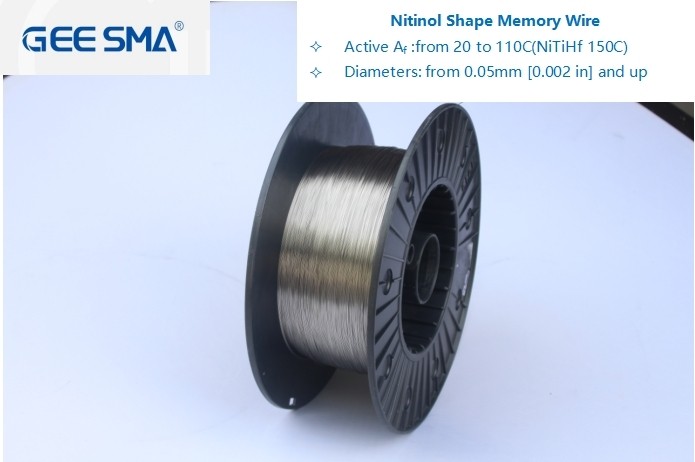
When it comes to the world of Nitinol, understanding ASTM F2063 is crucial. This standard serves as a benchmark for the material properties and performance requirements specifically for Nitinol used in medical devices and other applications. By adhering to ASTM F2063, manufacturers ensure that their products meet safety and efficacy standards, which ultimately benefits end-users.
Definition and Purpose of ASTM F2063
ASTM F2063 is a standard established by the American Society for Testing and Materials (ASTM) that outlines specific requirements for Nitinol materials. Its primary purpose is to provide guidelines on the composition, mechanical properties, and testing methods necessary for high-quality Nitinol production. By defining these parameters, ASTM F2063 ensures that manufacturers produce reliable materials that can withstand various stresses in practical applications.
Key Specifications and Test Methods
The specifications within ASTM F2063 cover several critical aspects of Nitinol, including its chemical composition, tensile strength, fatigue resistance, and thermal properties. Key test methods outlined in this standard include assessments of shape memory effect and superelasticity—two unique characteristics that make Nitinol so special. These rigorous testing protocols help manufacturers verify compliance with industry standards while ensuring the material's performance aligns with its intended use.
Role of ASTM F2063 in Nitinol Production
The role of ASTM F2063 in Nitinol production cannot be overstated; it acts as a guiding light for quality assurance throughout the manufacturing process. Compliance with this standard helps mitigate risks associated with using subpar materials—issues that could lead to product failures or even patient harm in medical applications like stents or implants. As such, adherence to ASTM F2063 not only enhances product reliability but also builds trust within industries where safety is paramount.
Unique Properties of Nitinol
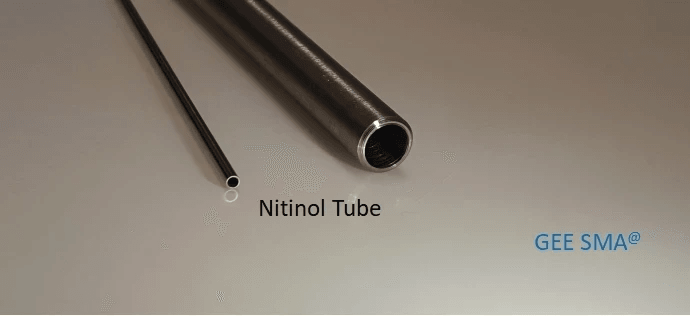
Nitinol, a nickel-titanium alloy, boasts some truly remarkable properties that set it apart from conventional metals. Among these are its shape memory effect and superelasticity, both of which have profound implications for various applications, especially in the medical field. Understanding these unique characteristics is essential not only for manufacturers adhering to standards like ASTM F2063 but also for industries seeking innovative solutions.
Shape Memory Effect Explained
The shape memory effect is one of the most fascinating features of nitinol. Essentially, when this alloy is deformed at a lower temperature, it can return to its original shape upon heating to a specific temperature threshold. This property makes nitinol particularly valuable in applications where precise movement and flexibility are crucial, such as in stents or guidewires used in medical procedures.
Manufacturers must ensure that their nitinol products comply with ASTM F2063 standards to guarantee performance consistency and safety. The ability of nitinol to remember its shape not only enhances device reliability but also reduces the need for complex mechanical systems. This simplicity translates into cost savings and improved patient outcomes, making it an attractive option for healthcare providers.
Superelasticity and Its Benefits
Superelasticity refers to the ability of nitinol to undergo significant deformation without permanent change when subjected to stress above a certain threshold temperature. Unlike typical elastic materials that return to their original form after removing stress, superelastic materials like nitinol can absorb energy and then revert back with remarkable efficiency. This characteristic allows devices made from nitinol to withstand extreme conditions while maintaining functionality—an essential quality in high-stakes environments like aerospace or medical technology.
The benefits of superelasticity extend beyond just durability; they also enable innovative designs that were previously unfeasible with traditional materials. For instance, stents made from superelastic nitinol can expand within blood vessels without causing damage or requiring complicated deployment mechanisms. As industries continue exploring new applications for this unique property, understanding why nitinol is so expensive becomes crucial—its exceptional capabilities come at a price.
What is so special about Nitinol?
What sets nitinol apart from other materials? Beyond its shape memory effect and superelasticity lies its biocompatibility—a critical factor when considering materials for medical implants and devices. The fact that it can be safely used within the human body adds another layer of intrigue regarding compliance with standards such as ASTM F2063.
Moreover, its lightweight nature combined with strength makes it an ideal choice not just in medicine but also in aerospace engineering where every gram counts toward performance efficiency. Nitinol's adaptability means it can be tailored for specific uses without compromising on safety or effectiveness; this versatility is what keeps demand high across various sectors despite its costs rising due to sourcing challenges and processing complexities.
In summary, the unique properties of nitinol—including its shape memory effect and superelasticity—highlight why it's considered a game-changer across multiple industries while underscoring why understanding ASTM F2063 compliance remains vital throughout manufacturing processes.
Why is Nitinol so Expensive?
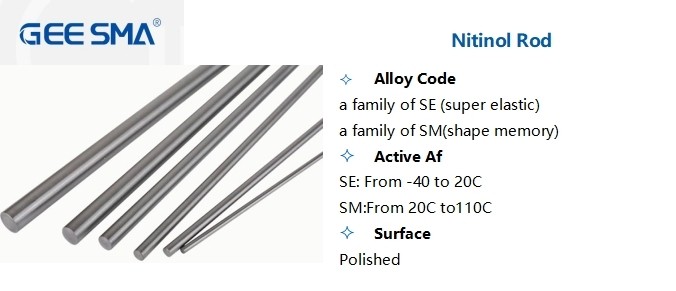
Nitinol, a unique alloy of nickel and titanium, commands a hefty price tag for several reasons. Understanding why Nitinol is so expensive involves delving into material sourcing, production complexities, and the high demand it faces in specialized industries. The combination of these factors leads to its premium cost, making it a subject of interest for manufacturers and researchers alike.
Material Sourcing and Production Costs
The first hurdle in understanding the expense of Nitinol lies in its material sourcing. Nickel and titanium are not only costly metals but also require significant energy to extract and refine. Furthermore, compliance with standards like ASTM F2063 adds another layer of cost due to rigorous testing and quality assurance needed to meet industry specifications.
Production costs escalate further when considering the intricate processes involved in creating Nitinol. These processes require specialized equipment and skilled labor to ensure that the alloy maintains its unique properties—such as superelasticity and shape memory effect—which are what make it so special about Nitinol. Consequently, manufacturers must invest heavily upfront, contributing to the overall expense.
Complexity of Processing Nitinol
Processing Nitinol is no walk in the park; it involves advanced techniques that can be both time-consuming and technically demanding. The alloy must undergo precise thermal treatments to achieve its desired mechanical properties, which requires sophisticated machinery and expertise not commonly found in standard metalworking shops. This complexity leads many manufacturers to charge a premium for products that meet ASTM F2063 standards.
Additionally, achieving consistent quality during processing is crucial for applications where failure is not an option—like medical devices or aerospace components—making adherence to ASTM F2063 even more critical. Any deviation from these stringent requirements could compromise safety or performance, further driving up costs associated with quality control measures during production.
Demand in Medical and Aerospace Industries
The demand for Nitinol has surged significantly due to its remarkable properties that cater specifically to high-stakes industries such as medical devices and aerospace engineering. In medicine, applications like stents leverage Nitinol's shape memory effect; hence manufacturers must comply with ASTM F2063 standards to ensure safety—a process that inherently raises costs due to regulatory scrutiny.
In aerospace applications, where durability under extreme conditions is paramount, Nitinol offers unique advantages over traditional materials; however, this also means higher production costs driven by specialized needs within this sector. The confluence of high demand coupled with stringent requirements means companies can charge more for their Nitinol products while still meeting market needs effectively.
In summary, while some may wonder why Nitinol is so expensive when alternatives exist—its unique properties make it irreplaceable in certain contexts like medical devices or aerospace technology—and adhering to standards like ASTM F2063 ensures top-notch quality that justifies its price tag.
Nitinol Tubing in Medical Applications

Nitinol, with its unique properties and compliance with standards like ASTM F2063, has become a game-changer in the medical field. Its versatility allows it to be utilized in various medical devices, particularly stents, which are crucial for treating cardiovascular diseases. As we explore the applications of nitinol tubing, it's essential to understand what makes this material so special and how it meets stringent safety standards.
Uses in Stents and Medical Devices
Nitinol tubing is widely used in stents due to its remarkable shape memory effect and superelasticity. These properties allow stents made from nitinol to expand at body temperature after being deployed through minimally invasive procedures, ensuring they maintain their shape within blood vessels. Beyond stents, nitinol is also found in guidewires and other medical devices where flexibility and resilience are paramount.
The importance of compliance with ASTM F2063 cannot be overstated when discussing the applications of nitinol in medicine. This standard ensures that the manufacturing processes for nitinol meet specific requirements that guarantee safety and efficacy for patients. As a result, healthcare providers can trust that devices made from nitinol will perform reliably under varying conditions.
Advantages Over Traditional Materials
When compared to traditional materials used in medical devices, such as stainless steel or plastics, nitinol offers several advantages that set it apart. Its superelasticity allows for greater flexibility during insertion and deployment while maintaining structural integrity once placed inside the body. This means fewer complications during procedures and improved patient outcomes overall.
Moreover, because of its biocompatibility—an essential factor defined by ASTM F2063—nitinol minimizes adverse reactions within the human body compared to other materials. This characteristic has made it increasingly popular among surgeons who prioritize patient safety alongside device performance. Given these benefits, it's no wonder that many manufacturers are opting for nitinol over conventional materials despite concerns about why nitinol is so expensive.
Is Nitinol safe for MRI?
A common question arises regarding whether nitinol is safe for MRI scans: Is Nitinol safe for MRI? Fortunately, studies have shown that devices made from nitinol do not pose significant risks during magnetic resonance imaging procedures due to their non-ferromagnetic nature. Patients with nitinol-based implants can usually undergo MRIs without fear of complications or device movement.
However, it's important for patients to always inform their healthcare providers about any implants before undergoing an MRI scan. This ensures proper precautions are taken based on individual circumstances while adhering to ASTM F2063 guidelines related to material safety assessments during imaging procedures. Overall, the compatibility of nitinol with MRI technology further enhances its appeal as a choice material in modern medical applications.
GEE SMA: Innovating with Nitinol

GEE SMA stands at the forefront of innovation in the field of shape memory alloys, particularly nitinol. With a mission to harness the unique properties of nitinol, GEE SMA focuses on creating advanced materials and solutions that cater to diverse industries, including aerospace and medical applications. Their commitment to quality and adherence to standards such as ASTM F2063 ensures that their products meet the highest benchmarks for safety and performance.
Overview of GEE SMA and Its Mission
At its core, GEE SMA is dedicated to pushing the boundaries of what is possible with nitinol. The company aims not only to manufacture high-quality nitinol components but also to educate stakeholders about what makes this material so special. By aligning their production processes with ASTM F2063 standards, they ensure that every product meets rigorous criteria for reliability and effectiveness.
Contributions to Space Missions
GEE SMA has made significant strides in contributing to space missions where reliability is paramount. The unique properties of nitinol allow for lightweight yet durable components that can withstand extreme conditions in outer space. By utilizing nitinol compliant with ASTM F2063, they provide solutions that enhance mission success rates while minimizing risks associated with material failure.
Tailoring Solutions for Unique Needs
One of the standout features of GEE SMA is its ability to tailor solutions specifically designed for unique customer needs. Whether it’s developing custom tubing or specialized devices, they leverage the versatility inherent in nitinol's shape memory effect and superelasticity. This adaptability not only addresses specific challenges but also highlights why nitinol is so expensive; its bespoke applications often require intricate processing techniques aligned with ASTM F2063 standards.
Conclusion
In summary, the exploration of Nitinol and its compliance with ASTM F2063 standards reveals a fascinating intersection of innovation and quality assurance. Understanding what ASTM F2063 entails is essential for manufacturers aiming to produce high-quality Nitinol products that meet industry demands. As we look ahead, the unique properties of Nitinol, combined with stringent compliance standards, will continue to shape its applications across various fields.
Key Takeaways from ASTM F2063 Standards
ASTM F2063 serves as a vital benchmark in the production of Nitinol, outlining specifications that ensure material integrity and performance reliability. Key takeaways include the importance of rigorous testing methods that validate the shape memory effect and superelasticity—what is so special about Nitinol? Compliance with these standards not only enhances product safety but also fosters trust among users in critical applications such as medical devices.
The Future of Nitinol in Technology
The future of Nitinol technology looks promising, especially with advancements in manufacturing techniques and increased understanding of its unique properties. As industries like aerospace and healthcare continue to expand their reliance on this remarkable alloy, questions like Why is Nitinol so expensive? become more relevant than ever. With ongoing research into cost-effective production methods, we may soon see a broader application range for Nitinol beyond current limitations.
Importance of Quality in Nitinol Manufacturing
Quality control is paramount when it comes to manufacturing Nitinol products that comply with ASTM F2063 standards. Ensuring that materials are safe for use—such as addressing concerns like Is Nitinol safe for MRI?—is crucial for maintaining industry credibility and consumer confidence. Ultimately, investing in quality not only aligns with regulatory requirements but also enhances the overall value proposition of Nitinol-based solutions.