

Introduction
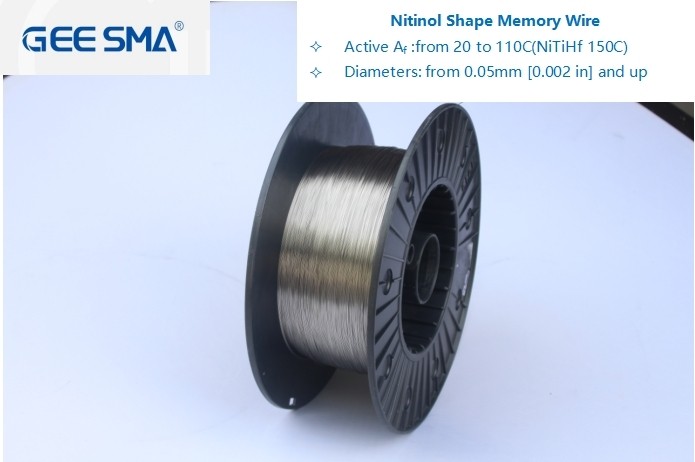
The world of materials science is filled with fascinating innovations, but few are as captivating as shape memory alloys (SMAs). Among these, Niti shape memory alloys—composed primarily of nickel and titanium—stand out for their unique ability to return to a predetermined shape when subjected to specific temperature changes. Understanding the structure and properties of shape memory alloys unlocks a realm of possibilities across various industries.
Understanding Shape Memory Alloys
Shape memory alloys are remarkable materials that can remember their original form after being deformed. This characteristic is primarily due to their unique crystalline structure, which undergoes phase transformations in response to temperature variations. The properties of shape memory alloys make them ideal candidates for applications ranging from aerospace engineering to everyday medical devices.
The Science Behind Niti Shape Memory Alloys
At the heart of Niti shape memory alloys lies a fascinating interplay between their atomic structure and thermal properties. When heated above a certain transition temperature, these alloys revert to their original configuration—a phenomenon known as the shape memory effect. This behavior is not just a scientific curiosity; it has practical implications that drive innovation in various fields, showcasing the versatility of nickel-titanium alloy in dentistry and beyond.
Applications of Shape Memory Alloys
What is shape memory alloy used for? The answer spans multiple domains, including aerospace, automotive engineering, and healthcare. In particular, the use of nickel-titanium alloy in dentistry demonstrates how SMAs can enhance patient outcomes through innovative dental tools and braces that adapt seamlessly to individual needs while providing effective treatment solutions.
Fundamentals of Shape Memory Alloys
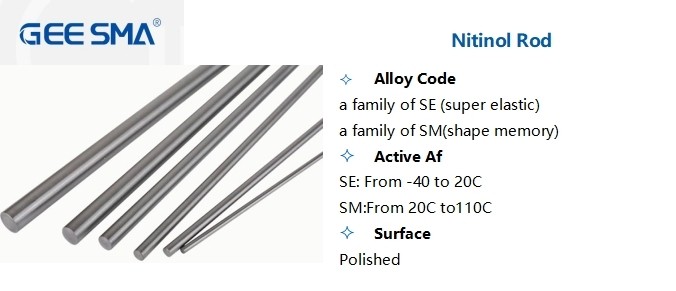
Shape memory alloys (SMAs) are fascinating materials that can return to a predetermined shape when subjected to specific temperature changes. Among these, Niti shape memory alloys, primarily composed of nickel and titanium, exhibit remarkable characteristics that set them apart from traditional metals. Understanding the fundamentals of their structure and unique properties is essential for appreciating their diverse applications in various industries.
Structure of Shape Memory Alloys
The structure of shape memory alloys is a key factor that contributes to their unique performance. Niti shape memory alloys possess a crystalline structure that undergoes phase transformations between two distinct forms: the high-temperature austenite phase and the low-temperature martensite phase. This dual-phase behavior enables SMAs to remember their original shape after deformation, making them ideal for applications where flexibility and resilience are needed.
In addition to their crystalline arrangement, the microstructure of Niti shape memory alloys can be tailored through processing techniques like heat treatment and alloying. These adjustments allow engineers to fine-tune properties such as transformation temperatures and mechanical strength, enhancing the versatility of SMAs in various fields. Thus, understanding the intricate structure of these materials is crucial for optimizing their performance in real-world scenarios.
Unique Properties of Shape Memory Alloys
The properties of shape memory alloys are nothing short of extraordinary, giving them an edge over conventional materials. One standout feature is their ability to undergo large deformations while still returning to their original configuration upon heating—a phenomenon known as the shape memory effect. Additionally, Niti shape memory alloys exhibit superelasticity at certain temperatures, allowing them to absorb significant amounts of stress without permanent deformation.
These unique properties make SMAs highly sought after for numerous applications across industries ranging from aerospace engineering to medical devices. For instance, in dentistry, nickel-titanium alloy in dentistry has revolutionized orthodontic treatments by providing flexible archwires that maintain consistent force on teeth while adapting comfortably within the mouth. Such examples highlight how understanding these unique properties can lead to innovative solutions in diverse fields.
How Niti Shape Memory Alloys Function
Understanding how Niti shape memory alloys function involves delving into their response mechanisms under varying conditions. When heated above a certain temperature (the transformation temperature), these materials revert from the martensitic phase back to the austenitic phase—effectively remembering their original form after being deformed at lower temperatures. This process not only showcases their remarkable adaptability but also opens doors for creative engineering solutions.
In practical terms, this functionality means that devices made from Niti shape memory alloys can be designed with built-in actuation capabilities; they can change shapes or exert force simply by adjusting temperature conditions—whether through external heating or internal body heat in medical applications like stents or guidewires used during surgeries. The seamless transition between phases underscores why these materials are considered game-changers across multiple sectors looking for efficient yet reliable solutions.
Prototyping with Shape Memory Alloys
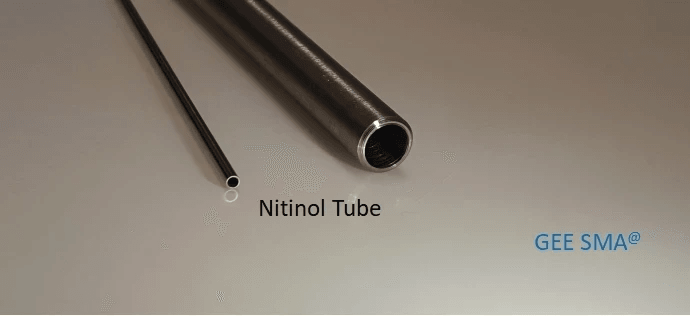
Prototyping with shape memory alloys, particularly Niti shape memory alloys, is a critical phase in the development of innovative applications across various industries. These materials exhibit unique properties that allow them to return to a predetermined shape when exposed to specific stimuli, making them ideal for a range of engineering solutions. Understanding the nuances of prototyping can significantly enhance the efficiency and effectiveness of design processes.
The Importance of Prototyping
Prototyping serves as a vital step in transforming theoretical concepts into tangible products, especially when dealing with advanced materials like Niti shape memory alloys. It allows engineers and designers to test functionalities and refine designs before full-scale production, ultimately saving time and resources. Moreover, prototyping helps identify potential issues early on, ensuring that the final product leverages the remarkable properties of shape memory alloys effectively.
In fields such as aerospace and medical devices, where precision is paramount, prototyping ensures that every aspect meets stringent safety and performance standards. For instance, understanding how the structure of shape memory alloys reacts under different conditions can lead to groundbreaking innovations in device design. By employing prototypes made from these materials, developers can create solutions that are not only functional but also optimized for their intended applications.
Techniques in Shape Memory Alloy Prototyping
There are several techniques employed in the prototyping phase for Niti shape memory alloys that enhance their functionality and application scope. One common approach is additive manufacturing or 3D printing, which allows for intricate designs that fully exploit the unique properties of shape memory alloys. This technique enables rapid iteration on designs while maintaining precise control over material characteristics.
Another technique involves traditional machining methods combined with heat treatment processes tailored specifically for nickel-titanium alloy structures. These methods ensure that prototypes accurately reflect how these materials will perform under real-world conditions while preserving their distinctive properties during fabrication. Additionally, simulation software plays an increasingly important role by predicting how prototypes will behave under various stresses and environmental factors before physical models are created.
Ultimately, employing diverse prototyping techniques enables engineers to explore innovative applications for what is shape memory alloy used for across different sectors—from robotics to healthcare solutions like dental implants made from nickel-titanium alloy in dentistry.
Case Studies in Shape Memory Alloy Prototypes
Several case studies illustrate the successful application of Niti shape memory alloys through effective prototyping strategies across various industries. In aerospace engineering, one notable example involved creating adaptive wing structures using prototypes made from these alloys; they demonstrated remarkable flexibility while maintaining structural integrity during flight tests. This innovation not only improved aerodynamics but also showcased how efficiently these materials can be utilized within complex mechanical systems.
In healthcare, researchers developed dental tools utilizing nickel-titanium alloy in dentistry through rigorous prototyping phases that focused on user comfort and efficacy during procedures. These tools exhibited enhanced flexibility and strength compared to traditional materials—transforming patient experiences while offering dentists improved performance during treatments.
Lastly, robotic systems have seen significant advancements thanks to prototypes leveraging the unique properties of shape memory alloys; they allow robots to change shapes dynamically based on environmental feedback—paving new pathways toward more adaptable automated solutions across numerous sectors.
Manufacturing Process of Shape Memory Alloys
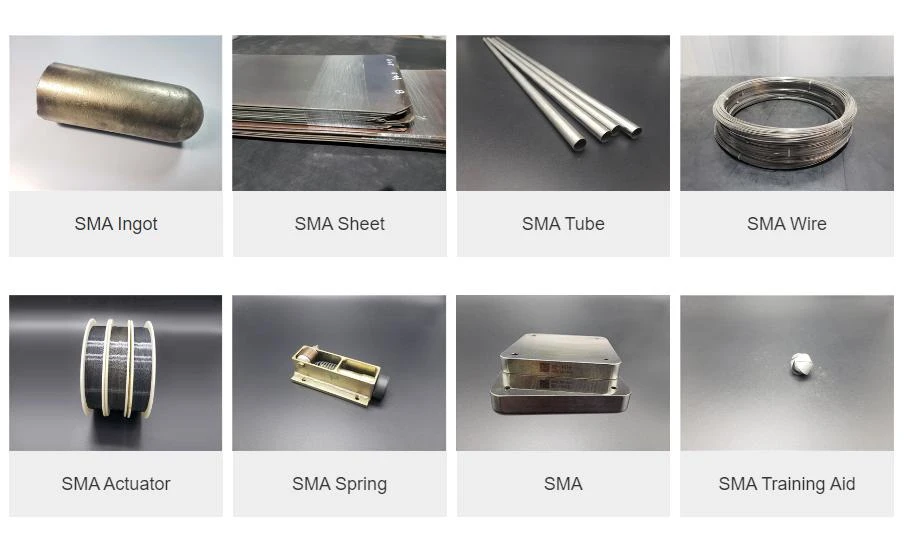
The manufacturing process of shape memory alloys, particularly Niti shape memory alloys, is a complex yet fascinating endeavor. It involves several critical steps that ensure the final product possesses the desired properties and functionality. From raw material selection to the final finishing touches, each stage plays a vital role in determining the quality and performance of these remarkable materials.
Key Steps in Manufacturing
The production of Niti shape memory alloys begins with the careful selection of raw materials, primarily nickel and titanium, which are melted together in precise ratios to create an alloy with specific properties. Once melted, this alloy undergoes processes like casting or powder metallurgy to form the desired shapes and structures. Following shaping, heat treatment is crucial; it helps achieve the unique phase transformations that give shape memory alloys their remarkable abilities.
After heat treatment, further processing may involve cold working or machining to refine dimensions and enhance mechanical properties. The structure of shape memory alloys is then analyzed through techniques such as X-ray diffraction or scanning electron microscopy to ensure it meets stringent specifications. Finally, surface treatments may be applied to improve corrosion resistance, particularly important for applications in medical devices where durability is paramount.
Role of GEE SMA in Manufacturing
GEE SMA plays a pivotal role in enhancing the manufacturing processes associated with Niti shape memory alloys. Their expertise lies not only in producing high-quality materials but also in optimizing production techniques that maximize efficiency while maintaining strict quality control standards. By utilizing advanced technologies and innovative methodologies, GEE SMA ensures that their products meet industry requirements for various applications.
Moreover, GEE SMA focuses on developing customized solutions tailored to specific needs across different sectors such as aerospace and medical devices—particularly where nickel-titanium alloy in dentistry has gained popularity due to its biocompatibility and excellent mechanical properties. Their commitment to research and development allows them to stay at the forefront of advancements within this field while continuously improving their manufacturing processes.
Quality Assurance in Shape Memory Alloys
Quality assurance is paramount when it comes to ensuring that Niti shape memory alloys perform reliably under various conditions. Rigorous testing protocols are implemented throughout the manufacturing process—from initial material selection through final product evaluation—to confirm adherence to established standards for both composition and performance characteristics. This includes assessing key properties of shape memory alloys like transformation temperatures and mechanical strength.
Additionally, comprehensive inspections are conducted using non-destructive testing methods such as ultrasonic testing or eddy current inspections which help identify any potential flaws without compromising the integrity of the material itself. Such meticulous quality assurance measures not only guarantee optimal performance but also instill confidence among manufacturers who rely on these advanced materials for critical applications ranging from aerospace components to medical implants.
Real-World Applications of Shape Memory Alloys

Shape memory alloys (SMAs), particularly nickel-titanium (NiTi) alloys, have made significant contributions across various industries due to their unique properties and versatile applications. These materials are not just fascinating from a scientific perspective; they are revolutionizing how we approach engineering challenges in fields like aerospace, medicine, and dentistry. Let's dive into some of the most exciting real-world applications of these remarkable materials.
Shape Memory Alloys in Aerospace
In the aerospace industry, the properties of shape memory alloys offer innovative solutions for enhancing performance and efficiency. NiTi shape memory alloys can be utilized in actuators that adjust wing shapes or control surfaces during flight, providing improved aerodynamics and fuel efficiency. Their lightweight nature combined with their ability to return to a predetermined shape under specific temperature conditions makes them ideal for applications where weight savings are critical.
Moreover, the shape memory alloys structure allows these materials to withstand extreme temperatures and stresses encountered during flight operations. Engineers are increasingly exploring how SMAs can replace traditional mechanical systems, leading to reduced maintenance costs and increased reliability in aircraft design. The future looks bright for NiTi shape memory alloys in aerospace as ongoing research continues to unlock new possibilities.
Use in Medical Devices
Shape memory alloys have carved out a niche for themselves in the medical field due to their biocompatibility and unique mechanical properties. Medical devices such as stents made from NiTi shape memory alloys expand upon deployment within the body, providing critical support for blood vessels without requiring invasive procedures. This capability is a prime example of what is shape memory alloy used for—facilitating minimally invasive surgeries that enhance patient recovery times.
Additionally, SMAs are employed in surgical tools that require precision movement and adaptability during operations. The ability of these materials to change shapes based on thermal stimuli ensures that medical professionals can rely on them for consistent performance under varying conditions. As technology advances, we can expect even broader applications of NiTi shape memory alloys within medical devices aimed at improving patient outcomes.
Nickel-Titanium Alloy in Dentistry
In dentistry, nickel-titanium alloy has become a game changer due to its unique properties that enhance both treatment effectiveness and patient comfort. Dental tools made from NiTi shape memory alloys exhibit superior flexibility while maintaining strength, allowing dentists to navigate complex root canal systems with ease. This adaptability is crucial when considering what is shape memory alloy used for—facilitating intricate procedures that demand precision.
Furthermore, orthodontic wires crafted from nickel-titanium offer consistent force delivery over time without compromising on comfort or effectiveness for patients wearing braces. The transformation characteristics inherent in these SMAs mean they can exert gentle pressure on teeth while adjusting their positions gradually—a win-win for both practitioners and patients alike! As research continues into new formulations and techniques involving NiTi shape memory alloys, we anticipate even more innovative dental solutions on the horizon.
Future Innovations with Shape Memory Alloys

The world of shape memory alloys (SMAs) is on the brink of exciting transformations, particularly with the advancements in Niti shape memory alloys. These innovations are not just about improving existing applications but also about exploring new frontiers where the unique properties of shape memory alloys can be harnessed. As industries push for more efficient and adaptable materials, Niti shape memory alloys stand out as a promising solution.
Emerging Trends in Shape Memory Alloys
One of the most notable trends is the increasing use of Niti shape memory alloys in robotics and soft actuators. The ability of these materials to return to a predefined shape when heated makes them ideal for creating flexible yet strong components that mimic natural movements. Additionally, researchers are exploring innovative methods to enhance the properties of shape memory alloys structure through advanced alloy compositions and processing techniques.
Another trend is the integration of smart technologies with SMAs, enabling real-time monitoring and control over their performance. This synergy allows for applications that require precise actuation or movement, such as in medical devices or aerospace components where reliability is paramount. With ongoing research, we can expect to see even more sophisticated uses emerge from the unique properties of shape memory alloys.
Potential Market Developments
The market for Niti shape memory alloys is set to expand significantly, particularly in sectors like aerospace and healthcare. In aerospace, manufacturers are increasingly looking for lightweight materials that can withstand extreme conditions while offering flexibility—qualities inherent in nickel-titanium alloy applications. Furthermore, as technology advances, we may see new markets develop around consumer products that utilize these innovative materials.
In healthcare, the demand for precision instruments continues to grow; thus, understanding what is shape memory alloy used for becomes crucial in developing cutting-edge medical devices such as stents or surgical tools made from nickel-titanium alloy in dentistry. As awareness increases regarding their benefits—like biocompatibility and adaptability—the potential market developments will likely focus on creating customized solutions tailored to specific needs across various industries.
Collaboration for Advancement
Collaboration between academia and industry will play a pivotal role in advancing research on Niti shape memory alloys. By working together, researchers can bridge gaps between theoretical knowledge and practical applications while fostering innovation that meets real-world demands. Collaborative projects often lead to breakthroughs that enhance our understanding of the properties of shape memory alloys and how they can be utilized effectively.
Moreover, partnerships among companies focused on manufacturing SMAs can drive down costs while improving quality assurance processes essential for maintaining high standards across industries like aerospace and healthcare. Such collaborations could pave the way for standardized practices that ensure safety and efficiency when using these remarkable materials.
Conclusion
In wrapping up our exploration of shape memory alloys (SMAs), it’s clear that these materials, particularly Niti shape memory alloys, hold a significant place in modern technology. Their unique properties allow them to return to a predetermined shape when heated, making them incredibly versatile for various applications. From aerospace engineering to medical devices, the importance of understanding the structure and properties of shape memory alloys cannot be overstated.
Recap of Shape Memory Alloys Importance
Shape memory alloys are not just fascinating materials; they represent a technological leap with their ability to adapt and respond to environmental changes. The structure of these alloys—especially nickel-titanium—enables them to exhibit remarkable elasticity and strength while maintaining their original form after deformation. As we’ve seen throughout this discussion, the applications of shape memory alloys stretch across multiple industries, proving their importance in both everyday gadgets and critical machinery.
Insights on Future Shape Memory Alloys Applications
Looking ahead, the future of Niti shape memory alloys is bright and brimming with potential innovations. With ongoing research into their properties and structures, we can anticipate more sophisticated applications emerging in fields like robotics and smart materials that respond dynamically to stimuli. Additionally, the integration of shape memory alloys into advanced medical devices could revolutionize patient care by offering solutions that are more efficient, less invasive, and tailored for individual needs.
GEE SMA’s Impact on the Industry
GEE SMA has emerged as a key player in harnessing the capabilities of nickel-titanium alloy in dentistry and other sectors by pushing boundaries in manufacturing processes and quality assurance. Their commitment to innovation ensures that they remain at the forefront of developments related to shape memory alloys’ unique properties. As GEE SMA continues to explore new horizons for Niti shape memory alloys, we can expect transformative impacts across industries that will redefine how we approach engineering challenges.