

Introduction
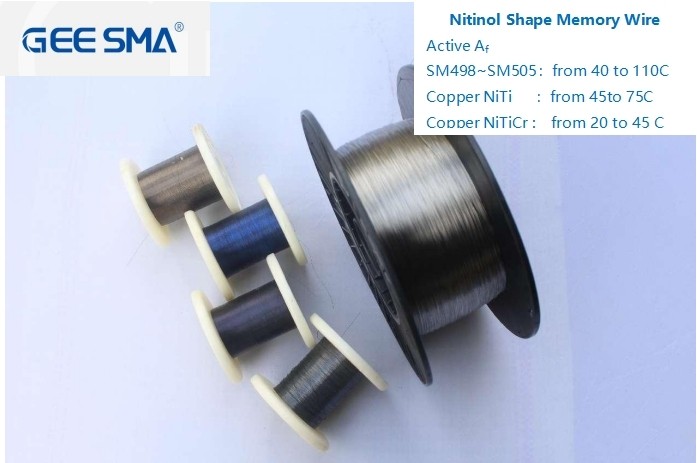
Nitinol braid is a remarkable innovation in the world of materials, particularly within the medical field. This unique combination of nickel and titanium not only exhibits extraordinary properties but also paves the way for advancements in various medical applications. As we delve into the significance of nitinol material, it’s clear that its rise has been nothing short of revolutionary.
What is Nitinol Braid?
Nitinol braid refers to a specific configuration of nitinol wire, engineered to enhance flexibility and strength while maintaining a lightweight profile. This braided structure allows for improved performance in medical devices, such as catheters and stents, where maneuverability is crucial. The ingenious design of nitinol braid optimizes its shape memory effect, making it an ideal choice for dynamic environments within the human body.
The Rise of Nitinol in Medicine
The rise of nitinol in medicine can be traced back to its unique combination of biocompatibility and shape memory characteristics. In recent years, nitinol products have revolutionized minimally invasive procedures by allowing surgeons to navigate complex pathways with ease and precision. As healthcare continues to evolve, the demand for innovative solutions like nitinol tubing has surged, showcasing this material's pivotal role in modern medicine.
Why Nitinol Design is Revolutionary
The revolutionary nature of nitinol design lies in its ability to adapt under varying conditions while retaining functionality—a game changer in medical technology. Unlike traditional materials that may lack flexibility or durability, nitinol wire medical offers unparalleled resilience without compromising on performance or safety. This transformative approach not only enhances patient outcomes but also minimizes complications associated with conventional surgical methods.
Understanding Nitinol Material

Nitinol, a remarkable alloy of nickel and titanium, has transformed the landscape of medical devices with its unique properties. This innovative nitinol material boasts a combination of flexibility and strength, making it ideal for various applications in the healthcare sector. The distinct characteristics of nitinol braid contribute to its growing popularity in medical technology.
Properties of Nitinol
Nitinol is known for its exceptional elasticity and fatigue resistance, which are crucial for devices that undergo repeated stress during use. The alloy's ability to return to its original shape after deformation is a key feature that sets it apart from traditional materials. Furthermore, nitinol tubing exhibits excellent corrosion resistance, ensuring longevity and reliability in medical environments.
Shape Memory Effect Explained
One of the most fascinating aspects of nitinol design is its shape memory effect (SME), which allows the material to remember a predetermined shape when heated above a specific temperature. This property enables nitinol products, such as catheters and stents, to expand or contract as needed during procedures. The ability to transition between different shapes makes nitinol wire medical applications particularly advantageous in minimally invasive surgeries.
Advantages over Traditional Materials
When compared to traditional materials like stainless steel or plastics, nitinol offers numerous advantages that enhance patient outcomes and surgical success rates. For instance, the flexibility of nitinol braid allows for smoother navigation through complex anatomical pathways without causing trauma or damage to surrounding tissues. Additionally, the biocompatibility of nitinol products minimizes the risk of adverse reactions in patients, making it an ideal choice for various medical applications.
Nitinol Medical Applications
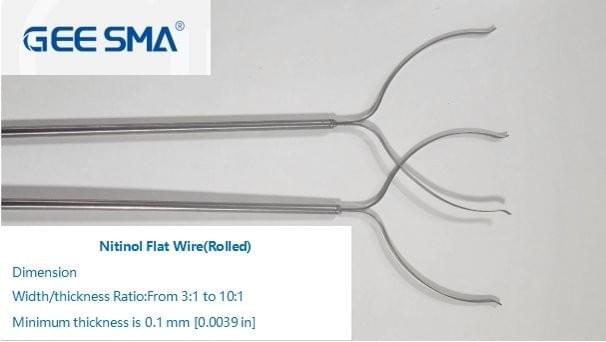
Nitinol's unique properties have paved the way for groundbreaking innovations in various medical applications. As a versatile alloy, nitinol material is particularly well-suited for devices that require flexibility, strength, and biocompatibility. From catheters to stents and surgical tools, the integration of nitinol design has transformed the landscape of modern medicine.
Innovations in Nitinol Catheters
Nitinol catheters represent a significant leap forward in minimally invasive procedures. The use of nitinol braid allows these catheters to navigate complex vascular systems with ease, minimizing patient discomfort and recovery time. Moreover, the shape memory effect inherent in nitinol material ensures that these devices can return to their original shape after being deformed, enhancing their effectiveness during critical interventions.
The flexibility of nitinol tubing also makes it possible to create catheters that can bend without breaking, reducing the risk of complications during insertion and maneuvering. Additionally, advancements in nitinol products have led to thinner yet stronger catheter designs that are easier for healthcare professionals to handle. As a result, patients benefit from improved outcomes and reduced procedural risks associated with traditional catheter materials.
Use of Nitinol in Stents
When it comes to vascular stents, nitinol has revolutionized how we treat blockages within arteries. The combination of its biocompatibility and excellent mechanical properties makes nitinol an ideal choice for stent design; they can expand upon deployment while remaining flexible enough to adapt to dynamic blood flow conditions. This adaptability significantly reduces the chances of restenosis—a common complication where arteries become blocked again after treatment.
Furthermore, the use of nitinol wire medical allows for self-expanding stents that conform perfectly to the vessel walls once deployed. These innovative devices not only enhance patient comfort but also improve long-term success rates by ensuring optimal blood flow restoration over time. With ongoing research into new applications for nitinol stents, we can expect even more advanced solutions on the horizon.
Enhancing Surgical Tools with Nitinol Tubing
Surgical tools are another area where nitinol's remarkable properties shine through—particularly through the use of nitinol tubing in various instruments. The incorporation of this resilient material enhances tool performance by providing both strength and flexibility when needed during intricate procedures. Surgeons appreciate how easily they can manipulate instruments made with this cutting-edge material without compromising durability or precision.
Moreover, using nitinol products in surgical tools contributes significantly to patient safety by reducing complications associated with traditional materials like stainless steel or plastics prone to breakage or wear over time. For instance, enhanced grip and maneuverability provided by these innovative designs lead to more efficient surgeries with less trauma inflicted on surrounding tissues. Ultimately, integrating nitinol design into surgical tools represents a step forward toward achieving better surgical outcomes.
Key Benefits of Nitinol Braid
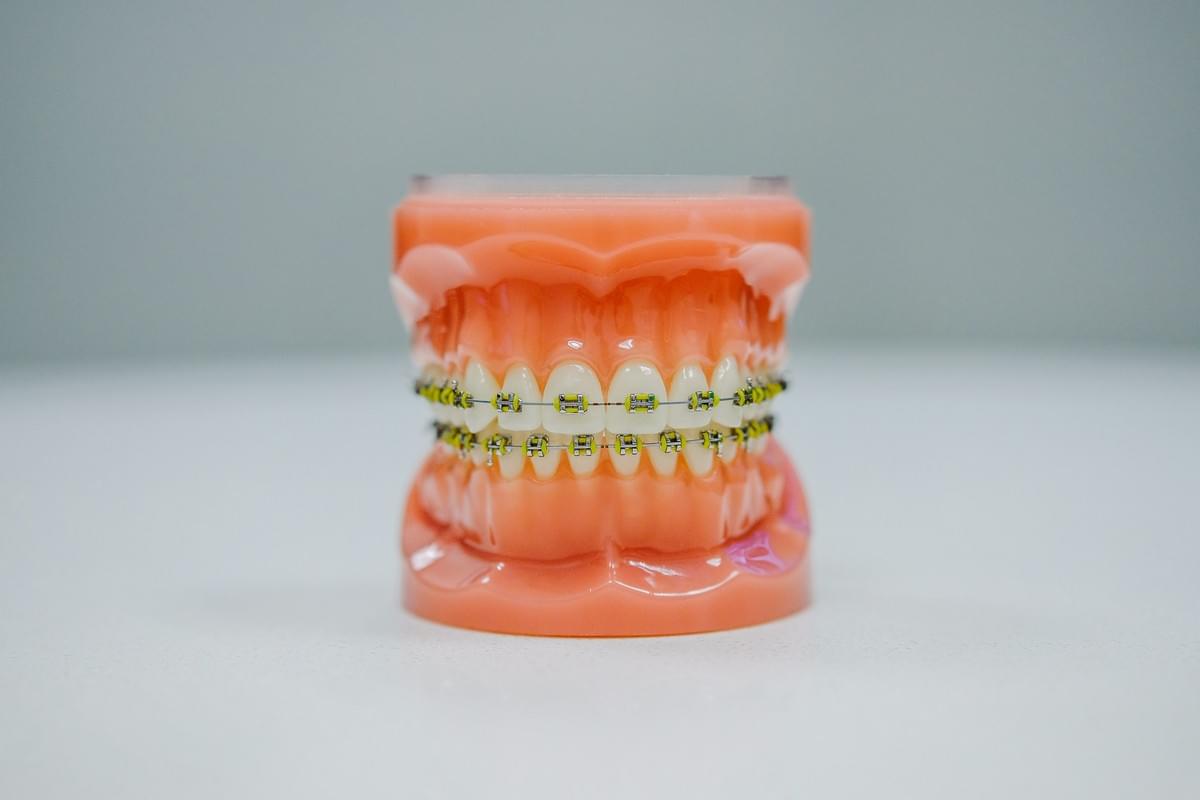
Nitinol braid offers a plethora of advantages that make it an exceptional choice in the realm of medical devices. Its unique properties stem from the remarkable characteristics of nitinol material, which combines flexibility and durability, making it ideal for various applications. By leveraging these benefits, healthcare professionals can enhance patient outcomes while minimizing risks associated with traditional materials.
Flexibility and Durability
One of the standout features of nitinol braid is its impressive flexibility combined with unparalleled durability. This nitinol tubing can bend and twist without compromising its structural integrity, allowing for easier navigation through complex anatomical pathways during procedures like catheter insertions. Moreover, the resilience of nitinol products ensures they withstand repeated use without significant wear, making them a reliable choice for both short-term and long-term applications in nitinol medical devices.
The ability to maintain performance under stress is crucial in high-stakes environments such as surgery or catheterization. Nitinol wire medical exhibits this strength by returning to its original shape even after extreme deformation, thanks to its shape memory effect. This characteristic not only enhances performance but also provides peace of mind for medical professionals who rely on these devices to perform intricate procedures effectively.
Biocompatibility in Medical Devices
Another significant advantage of nitinol braid lies in its biocompatibility within medical devices. Nitinol material is known for its excellent compatibility with human tissue, reducing the likelihood of adverse reactions when implanted or used within the body. This property makes nitinol products particularly suitable for long-term applications such as stents and implants where prolonged contact with bodily fluids is inevitable.
The biocompatibility aspect extends beyond just safety; it also encourages faster healing times and improved patient comfort post-procedure. By utilizing nitinol tubing in various medical applications, practitioners can significantly enhance patient experiences while minimizing complications associated with traditional materials that may cause irritation or rejection by the body’s immune system. Thus, incorporating nitinol wire medical into design strategies leads to better overall outcomes.
Reduced Risk of Complications
When it comes to surgical interventions or device implantation, reducing complications is paramount; here’s where nitinol braid shines brightly! The unique properties inherent in nitinol design help mitigate risks commonly associated with conventional materials used in catheters and other devices—think reduced thrombosis rates or less chance for infection due to smoother surfaces on nitinol products compared to their metal counterparts.
Moreover, because nitrionl tubing demonstrates superior flexibility during manipulation inside the body, there’s a lower likelihood that it will cause trauma to surrounding tissues—an essential factor when navigating delicate structures during minimally invasive procedures like laparoscopic surgeries or endovascular treatments using a nitinol catheter. All these factors contribute significantly towards enhancing patient safety while simultaneously improving procedural efficiency—a win-win scenario!
Nitinol Wire Medical: A Game Changer
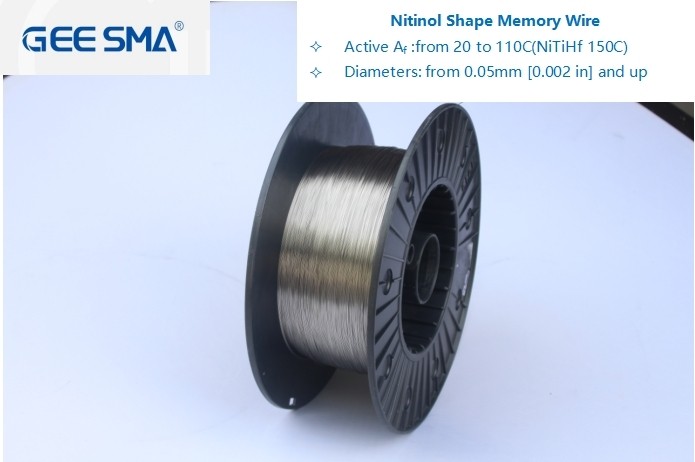
The emergence of nitinol wire medical applications is transforming the landscape of modern medicine. With its unique properties and innovative design, nitinol has become a critical component in various medical devices, particularly in minimally invasive procedures. The versatility of nitinol products continues to pave the way for advancements that enhance patient outcomes and streamline surgical processes.
Manufacturing Techniques of Nitinol Wire
Manufacturing techniques for nitinol wire have evolved significantly, ensuring high-quality production that meets stringent medical standards. Techniques such as cold working and heat treatment are essential in achieving the desired mechanical properties of nitinol material, allowing it to exhibit its famous shape memory effect effectively. Additionally, precision manufacturing processes ensure that nitinol tubing and wire maintain their integrity under challenging conditions, making them ideal for critical applications like nitinol catheters.
The fabrication process also emphasizes consistency and reliability, which are paramount in the medical field. Advanced methods enable manufacturers to create intricate designs that leverage the unique characteristics of nitinol braid, offering flexibility while maintaining strength. As a result, these manufacturing techniques not only produce durable products but also contribute significantly to innovations in surgical tools and devices.
Applications in Minimally Invasive Procedures
Nitinol wire medical applications shine brightly in minimally invasive procedures where precision is key. The flexibility and shape memory effect of nitinol allow for the creation of catheters that can navigate through complex anatomical pathways with ease. This capability reduces patient trauma during procedures while enhancing recovery times—a win-win situation for both patients and healthcare providers.
Moreover, the use of nitinol stents has revolutionized how vascular issues are treated; they can expand within blood vessels to keep them open without causing significant damage to surrounding tissues. The biocompatibility of nitinol ensures that these devices integrate well with human anatomy, further minimizing complications post-surgery. From cardiac interventions to orthopedic repairs, the applications of nitinol products underscore its role as a game changer in modern medicine.
Future Innovations with Nitinol Wire Medical
Looking ahead, future innovations involving nitinol wire medical technology promise even more exciting developments on the horizon. Researchers are exploring new ways to enhance the performance characteristics of nitinol material through advanced alloys and composites that could lead to stronger yet lighter devices—ideal for intricate surgical procedures requiring utmost precision.
Additionally, advancements in 3D printing technology may soon allow for custom-designed nitinol tubing tailored specifically for individual patient needs or unique anatomical challenges—an innovation poised to personalize treatment like never before! As we continue to unlock new possibilities with this remarkable alloy, it's clear that we are just scratching the surface of what can be achieved with innovative designs centered around nitrogen-based materials.
The Role of GEE SMA in Nitinol Production
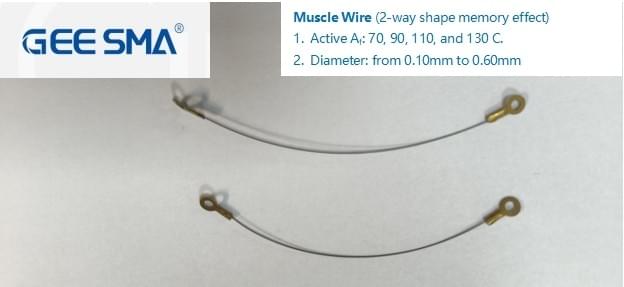
In the ever-evolving landscape of medical technology, GEE SMA stands out as a pivotal player in the production of high-quality nitinol products. This company specializes in creating advanced nitinol materials that are not only innovative but also tailored to meet the rigorous demands of medical applications. With an unwavering commitment to excellence, GEE SMA ensures that every nitinol braid and component they produce adheres to strict quality standards.
High-Quality Nitinol Products and Components
GEE SMA prides itself on delivering high-quality nitinol products that cater to a variety of medical needs. Their nitinol tubing is engineered for flexibility and strength, making it ideal for applications such as catheters and stents. By utilizing cutting-edge manufacturing techniques, GEE SMA produces nitinol wire medical components that exhibit superior performance and reliability.
The durability of their nitinol material ensures that these products can withstand demanding conditions while maintaining functionality. Each product undergoes rigorous testing to confirm its integrity and biocompatibility, essential traits for any device intended for human use. As the demand for sophisticated medical devices grows, so does the need for high-quality nitinol components from manufacturers like GEE SMA.
Meeting Customer Needs in Medical Applications
Understanding customer needs is at the heart of GEE SMA’s mission when it comes to developing nitinol medical solutions. They actively collaborate with healthcare professionals to tailor their offerings—be it customized nitinol braid configurations or specialized tubing designs—to address specific challenges faced in clinical settings. This collaborative approach not only enhances patient outcomes but also fosters innovation within the industry.
By focusing on user-friendly designs, such as streamlined nitinol catheters, GEE SMA ensures that their products are practical and effective during procedures. The versatility of their nitinol wire medical solutions means they can be adapted for various surgical techniques, making them indispensable tools for modern medicine. Ultimately, meeting customer needs leads to better healthcare solutions and improved patient experiences.
Contributions to Space Missions with Nitinol
While primarily known for its advancements in healthcare technology, GEE SMA has also made significant contributions beyond Earth’s atmosphere through its innovative use of nitinol materials in space missions. The unique properties of nitinol make it an ideal candidate for applications requiring both resilience and adaptability under extreme conditions found in space exploration. From flexible components used in satellite systems to specialized instruments designed to operate reliably far from home, GEE SMA's expertise extends into aerospace engineering.
The company’s ability to produce lightweight yet durable nitinol products means they play a crucial role in developing technologies that can withstand the rigors of space travel while maintaining functionality over extended periods. This crossover between industries showcases how versatile this remarkable material truly is—from life-saving medical devices on Earth to pioneering technologies venturing into space's unknowns. In doing so, GEE SMA demonstrates that innovation knows no bounds when harnessing the power of advanced materials like nitinol.
Conclusion
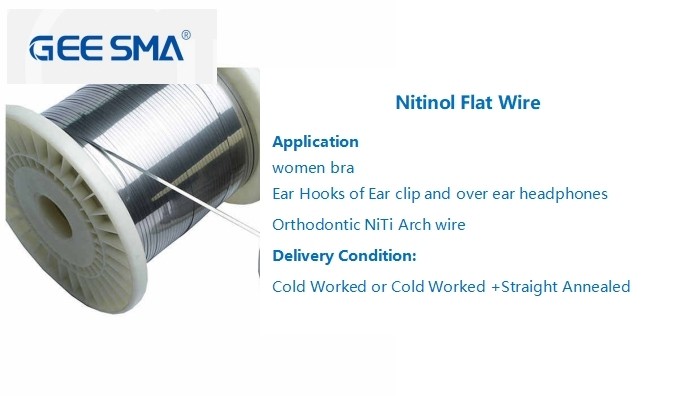
As we wrap up our exploration of nitinol and its transformative impact on medical devices, it’s clear that this remarkable material is unlocking new possibilities in healthcare. The unique properties of nitinol braid, combined with innovative designs, are paving the way for advancements that were once thought impossible. With its ability to adapt and respond to various conditions, nitinol is not just a material; it's a game changer in the medical field.
Unlocking the Future of Medical Devices
The future of medical devices is bright with the incorporation of nitinol material at its core. By leveraging the shape memory effect and superior flexibility of nitinol tubing, manufacturers can create devices that are both effective and user-friendly. This evolution leads to improved patient outcomes and enhances the overall experience for healthcare providers using these cutting-edge nitinol products.
Nitinol’s Potential in Minimally Invasive Surgery
Nitinol's potential in minimally invasive surgery cannot be overstated; it offers unparalleled flexibility and durability that traditional materials simply cannot match. The use of nitinol catheters allows for easier navigation through complex vascular systems while minimizing trauma to surrounding tissues. As surgical techniques continue to evolve, incorporating more nitinol wire medical applications will undoubtedly lead to safer procedures with quicker recovery times for patients.
GEE SMA: Leading the Charge in Nitinol Technology
GEE SMA stands at the forefront of developing high-quality nitinol products that meet diverse customer needs across various medical applications. Their commitment to innovation ensures that they remain leaders in producing advanced nitinol wire medical solutions that enhance surgical tools and devices alike. Moreover, their contributions extend beyond medicine; GEE SMA is also making strides in other fields like aerospace by utilizing their expertise in creating reliable components from this extraordinary material.