

Introduction
In the realm of medical technology, few materials have revolutionized the field quite like Nitinol. This remarkable shape memory alloy combines unique properties that make it indispensable in the stent manufacturing process. As we delve into Nitinol's significance, we will explore its applications in medical devices and how it has paved the way for innovative solutions in healthcare.
Understanding Nitinol and Its Importance
Nitinol, a nickel-titanium alloy, is celebrated for its extraordinary ability to return to a predetermined shape when heated—a phenomenon known as shape memory effect. This property not only enhances the performance of Nitinol stents but also allows for minimally invasive procedures that improve patient outcomes. As a result, understanding Nitinol’s importance is crucial for anyone involved in the development of Nitinol medical devices.
Overview of Stent Manufacturing
The stent manufacturing process is intricate and requires precision at every step to ensure safety and efficacy. From selecting high-quality materials to employing advanced fabrication techniques, companies specializing in Nitinol stent manufacturing must adhere to rigorous standards. These processes are vital for producing reliable Nitinol medical devices that can withstand physiological conditions while promoting optimal healing.
GEE SMA’s Role in Medical Devices
GEE SMA has emerged as a leader among Nitinol stent manufacturing companies, leveraging cutting-edge technologies and expertise to produce top-tier products. Their commitment to innovation ensures that each component meets stringent quality control measures while being tailored to customer needs. By focusing on enhancing performance through advanced techniques, GEE SMA plays a pivotal role in shaping the future of Nitinol medical devices.
The Basics of Nitinol
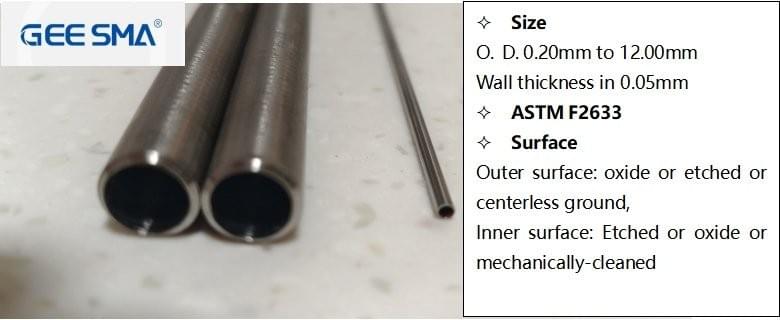
Nitinol, a remarkable alloy of nickel and titanium, possesses unique properties that make it a game-changer in various industries, especially in medical technology. Its ability to return to a predetermined shape when heated is known as the shape memory effect, which is pivotal for the Nitinol stent manufacturing process. Additionally, its superelasticity allows it to undergo significant deformation without permanent change, making it ideal for applications requiring flexibility and resilience.
Unique Properties of Shape Memory Alloys
The most fascinating feature of shape memory alloys like Nitinol is their ability to remember a specific shape after being deformed. When subjected to heat above a certain temperature, Nitinol returns to its original configuration, which is particularly beneficial in the stent manufacturing process where precise shapes are crucial for effective deployment within blood vessels. Moreover, this property enables manufacturers to create intricate designs that can adapt within the body’s dynamic environment.
Another key property is superelasticity, allowing Nitinol stents to expand significantly under stress without breaking or losing their structural integrity. This characteristic ensures that once deployed in the body, these stents can accommodate various vascular conditions while maintaining optimal performance. Together with biocompatibility and corrosion resistance, these traits make Nitinol an ideal candidate for various Nitinol Medical Devices.
Applications in Medical Technology
Nitinol's unique properties have led to its widespread use in medical technology beyond just stents; it's found in guidewires, filters, and other implantable devices designed for minimally invasive surgeries. The flexibility and strength offered by Nitinol allow for advancements that enhance patient outcomes while reducing recovery times—an essential consideration for modern healthcare practices focusing on efficiency and effectiveness. As more Nitinol Medical Devices enter the market, they continue to revolutionize how medical professionals approach treatment options.
Additionally, companies specializing in Nitinol stent manufacturing are increasingly leveraging this alloy's capabilities to develop innovative solutions tailored specifically for patient needs. From cardiovascular interventions to urological applications, the versatility of Nitinol opens doors for new therapeutic strategies that were previously unattainable with traditional materials. As research progresses into further applications of this remarkable material, we can expect even more groundbreaking developments on the horizon.
Why Nitinol is Ideal for Stent Manufacturing
When it comes to stent manufacturing specifically, few materials rival Nitinol’s combination of properties—making it an industry favorite among leading manufacturers worldwide. Its shape memory effect not only allows for precise deployment but also ensures that once expanded within a vessel or organ cavity; it maintains its intended form effectively over time without collapsing or migrating away from its targeted location during physiological movements.
Moreover, the superelastic nature of Nitinol provides exceptional radial strength while remaining incredibly flexible—an essential characteristic needed during insertion through often tortuous vascular pathways without causing damage or trauma upon deployment. This adaptability has led many renowned companies engaged in Nitinol stent manufacturing processes embracing this revolutionary material as their primary choice when designing novel solutions aimed at improving patient care outcomes.
In summary, as we explore further into how GEE SMA harnesses these advantages through advanced techniques tailored specifically towards producing high-quality components suited perfectly towards customer requirements; we gain insight into why investing time understanding nitinol’s basics will yield remarkable dividends both now—and well into future innovations within medicine!
The Stent Manufacturing Process
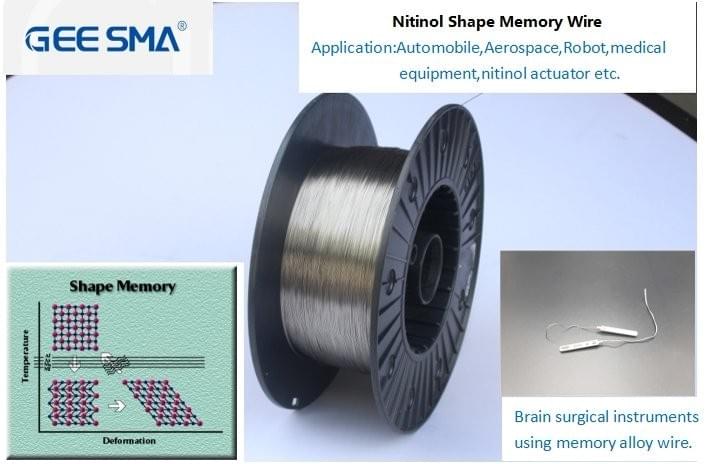
The stent manufacturing process is a meticulous journey that transforms raw materials into life-saving devices. This journey begins with a careful selection of materials and follows through various critical steps that ensure the final product meets stringent medical standards. Understanding this process is vital, especially as Nitinol stent manufacturing continues to evolve, driven by innovation and the need for enhanced performance in Nitinol Medical Devices.
Key Steps in Stent Production
The Nitinol stent manufacturing process typically begins with the creation of a thin-walled tube from Nitinol, which is then shaped into the desired stent design using advanced techniques such as laser cutting or mechanical expansion. Once the basic structure is formed, it undergoes a series of shape-setting processes that allow it to recover its predetermined shape at body temperature—a hallmark feature of Nitinol Medical Devices. After shaping, these stents are often coated with biocompatible materials to enhance their functionality and reduce the risk of complications once implanted.
Following shape setting, each stent must be rigorously tested for strength and flexibility to ensure it can withstand physiological conditions without compromising patient safety. The entire production line is designed to maintain high precision; even minor deviations can lead to significant issues in performance or biocompatibility down the line. Thus, understanding these key steps in stent production helps highlight why many companies are investing heavily in refining their Nitinol stent manufacturing processes.
Materials Used for Stent Fabrication
At the heart of any successful Nitinol stent lies its unique material properties; thus, choosing high-quality raw materials is paramount for effective stent manufacturing. The primary material used is Nitinol itself—a nickel-titanium alloy known for its excellent elasticity and shape memory characteristics—making it ideal for medical applications like vascular implants. Additionally, other materials such as polymers may be used for coatings or drug-eluting purposes, further enhancing the functionality of these innovative devices.
Nitinol's superelasticity allows it to expand upon deployment while maintaining structural integrity under various stresses encountered within blood vessels. This property makes it highly sought after among leading Nitinol Medical Devices manufacturers aiming to produce effective solutions tailored to patient needs. As more advancements occur in material science, manufacturers are exploring new alloys and composite materials that could complement traditional Nitinol offerings.
Quality Control Measures in Manufacturing
Quality control measures play an essential role throughout the entire Nitinol stent manufacturing process; they ensure that every device meets regulatory requirements and patient safety standards before reaching healthcare providers. Manufacturers implement rigorous testing protocols at multiple stages—from raw material inspection through final product evaluation—to identify any flaws or inconsistencies early on in production. These measures include tensile testing for strength assessment and fatigue testing under simulated physiological conditions.
Furthermore, adhering to international regulatory standards such as ISO 13485 ensures that every aspect of production aligns with best practices in quality management systems specific to medical devices like Nitinol stents. Continuous monitoring during fabrication also allows manufacturers to adapt quickly if any issues arise—an essential capability given how rapidly technology evolves within this sector. By prioritizing quality control measures consistently across all stages of development, companies can enhance the reliability of their products while fostering trust within healthcare communities.
GEE SMA's Approach to Nitinol Tubing
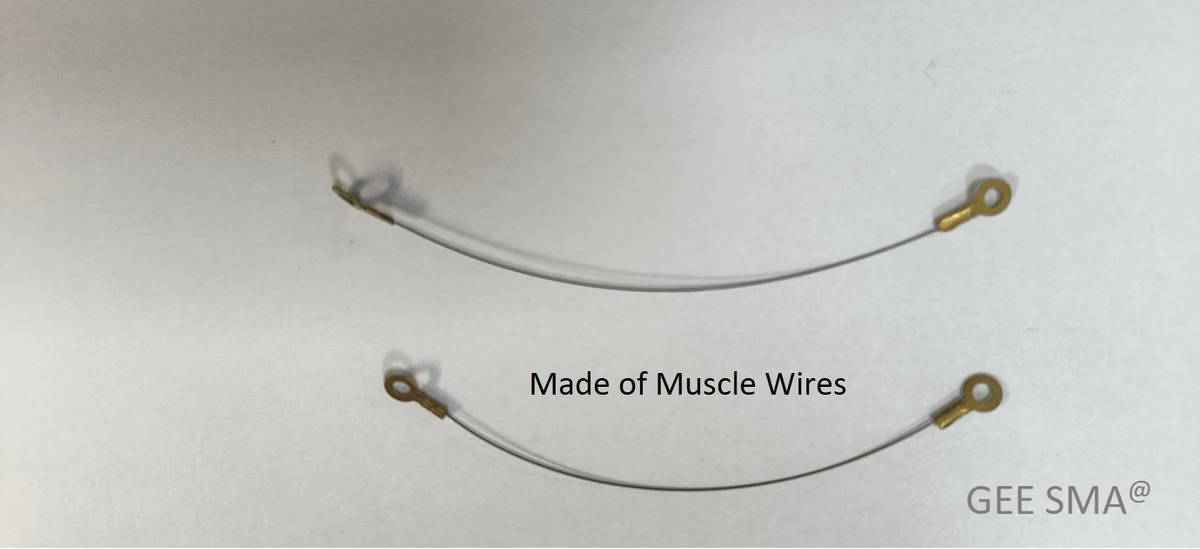
When it comes to stent manufacturing, GEE SMA stands out by leveraging advanced techniques and technologies that push the boundaries of what's possible with Nitinol. By harnessing the unique properties of this shape memory alloy, the company ensures that every Nitinol stent produced meets the highest standards of quality and performance. Their commitment to innovation not only enhances product reliability but also addresses the evolving needs of the medical community.
Advanced Techniques and Technologies
GEE SMA employs cutting-edge technologies in their Nitinol stent manufacturing process, ensuring precision and consistency. Utilizing state-of-the-art machinery, they are able to create intricate designs that traditional methods might struggle with, allowing for greater customization in Nitinol medical devices. The integration of advanced computer modeling further refines their processes, enabling GEE SMA to predict performance outcomes accurately before production even begins.
Tailoring Nitinol Components for Customer Needs
Understanding that one size does not fit all in stent manufacturing, GEE SMA excels at tailoring Nitinol components specifically for customer requirements. They work closely with clients to develop bespoke solutions that cater to unique clinical applications while maintaining compliance with stringent regulatory standards. This collaborative approach ensures that each Nitinol stent is not only effective but also optimally designed for its intended use.
Enhancing Performance Through Innovation
Innovation is at the heart of GEE SMA's strategy when it comes to enhancing the performance of their Nitinol medical devices. By continually exploring new methodologies like shape setting techniques specific to Nitinol stents, they are able to improve flexibility and expandability without compromising strength or durability. This relentless pursuit of excellence positions GEE SMA as a leader among Nitinol stent manufacturing companies and sets a high bar for future developments in medical technology.
Challenges in Nitinol Stent Development
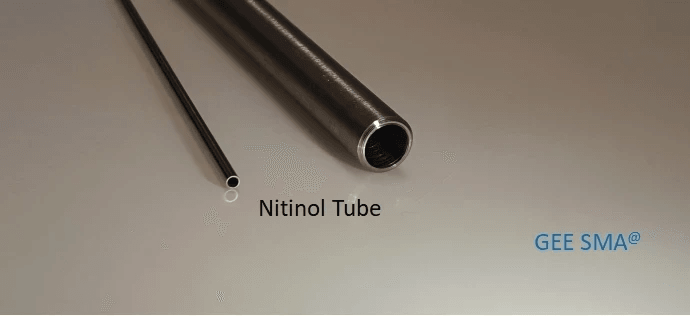
The development of Nitinol stents is not without its hurdles. While the unique properties of Nitinol make it a favored choice in stent manufacturing, these same properties can pose challenges during the Nitinol stent manufacturing process. Companies specializing in Nitinol medical devices must navigate a landscape filled with material limitations, regulatory standards, and stringent safety requirements.
Addressing Material Limitations
One of the primary challenges in Nitinol stent manufacturing is dealing with material limitations. Although Nitinol offers remarkable flexibility and shape memory characteristics, variations in alloy composition can lead to inconsistencies during the manufacturing process. Stent manufacturers must carefully control these variables to ensure that each Nitinol stent meets the necessary performance criteria while also being cost-effective.
Moreover, as demand for innovative designs increases, manufacturers face pressure to push the boundaries of what can be achieved with existing materials. This often leads to extensive research and development efforts aimed at enhancing the properties of Nitinol medical devices while maintaining manufacturability. To stay competitive, companies must not only address these limitations but also anticipate future needs within the healthcare sector.
Navigating Regulatory Standards
Navigating regulatory standards is another significant challenge for companies involved in Nitinol stent manufacturing. The medical device industry is heavily regulated to ensure patient safety and efficacy; thus, any new product must undergo rigorous testing before it can reach the market. This involves comprehensive documentation and adherence to guidelines set forth by organizations such as the FDA or EMA.
The lengthy approval processes can be daunting for manufacturers who are eager to introduce their innovations into the marketplace quickly. Delays caused by regulatory hurdles may hinder progress and affect profit margins; hence, understanding compliance requirements becomes crucial for successful Nitinol stent production. Companies that invest time and resources into mastering these regulations will likely have an advantage over competitors who do not prioritize this aspect of their operations.
Ensuring Biocompatibility and Safety
In addition to material limitations and regulatory challenges, ensuring biocompatibility and safety remains paramount in developing Nitinol medical devices like stents. Since these devices are implanted within patients’ bodies, they must be designed not only for functionality but also for long-term compatibility with biological tissues. Any adverse reactions could lead to severe complications or device failure.
To mitigate risks associated with biocompatibility, manufacturers conduct extensive testing on their products throughout various stages of development—ranging from initial design through clinical trials post-approval. This diligence helps ensure that each Nitinol stent meets high safety standards essential for patient health outcomes. By prioritizing biocompatibility alongside innovative design features during the manufacturing process, companies can enhance trust among healthcare professionals and patients alike.
Future Trends in Stent Manufacturing
The landscape of stent manufacturing is evolving rapidly, driven by technological advancements and a growing demand for more effective medical solutions. Innovations on the horizon promise to enhance the functionality and performance of Nitinol stents, making them even more vital in the realm of Nitinol Medical Devices. As we explore these trends, it becomes clear that the future of stent manufacturing is not just about materials but also about how those materials can be tailored to meet specific patient needs.
Innovations on the Horizon
One of the most exciting innovations in Nitinol stent manufacturing is the development of bioresorbable stents. These devices are designed to provide temporary support to blood vessels and then gradually dissolve, reducing long-term complications associated with permanent implants. Additionally, advancements in 3D printing technology are allowing for more complex designs and customized shapes in Nitinol Medical Devices Shape Setting, paving the way for personalized treatment options that were previously unimaginable.
Another promising trend is the integration of smart technologies into Nitinol stents, enabling real-time monitoring and feedback mechanisms. These smart stents could potentially alert healthcare providers to any issues before they become critical, enhancing patient safety significantly. Moreover, ongoing research into hybrid materials may lead to even better biocompatibility and performance of Nitinol Medical Devices in various applications beyond traditional vascular interventions.
The Role of GEE SMA in Advancements
GEE SMA is at the forefront of these advancements in Nitinol stent manufacturing companies, continuously pushing boundaries through innovation and research. Their commitment to developing state-of-the-art techniques ensures that they remain leaders in creating high-quality Nitinol components tailored specifically for medical applications. By investing heavily in R&D, GEE SMA not only enhances its own product offerings but also contributes significantly to industry-wide advancements that benefit patients globally.
Furthermore, GEE SMA’s collaboration with medical professionals helps bridge gaps between theoretical research and practical application within Nitinol Medical Devices. This synergy fosters an environment where new ideas can flourish while addressing real-world challenges faced by healthcare providers today. As a result, GEE SMA plays a pivotal role in shaping future standards for quality and efficacy within the realm of stent manufacturing.
How Nitinol Will Shape Future Medical Devices
Nitinol's unique properties will undoubtedly continue influencing future developments across various medical devices beyond just stents. The ability to undergo shape setting allows manufacturers to create devices that can adapt dynamically within a patient's body—an exciting prospect for everything from orthopedic implants to minimally invasive surgical tools. As researchers explore new applications for this remarkable material, we may see an expansion into areas like drug delivery systems or tissue engineering.
Additionally, as awareness grows regarding patient-specific treatment plans, customized solutions using Nitinol will likely become standard practice rather than an exception among leading manufacturers like GEE SMA. This shift toward personalization will not only improve patient outcomes but also revolutionize how we think about device design and functionality across multiple disciplines within medicine. Ultimately, as innovations continue unfolding around Nitinol stent manufacturing processes and technologies emerge from companies dedicated to excellence like GEE SMA—the future looks bright indeed.
Conclusion
In the ever-evolving landscape of medical technology, Nitinol has emerged as a game-changer, particularly in the realm of stent manufacturing. Its unique properties—shape memory and superelasticity—make it ideal for creating stents that can adapt to the body’s needs while providing reliable support. As we’ve explored, the Nitinol stent manufacturing process is not just about creating a product; it’s about enhancing patient outcomes through innovative engineering.
Recap of Nitinol's Significance
Nitinol's significance in medical devices cannot be overstated; it has revolutionized how we approach stent design and functionality. The combination of flexibility and strength allows for minimally invasive procedures that improve recovery times and reduce complications.
GEE SMA’s Commitment to Quality
Our rigorous quality control measures ensure that every stage of the Nitinol stent manufacturing process meets or exceeds industry standards. By focusing on precision in our Nitinol Medical Devices shape setting techniques, we strive to deliver products that healthcare professionals can trust for their patients.
Looking Ahead: The Future of Stent Manufacturing
Looking ahead, the future of stent manufacturing appears bright with continuous innovations on the horizon. Companies like GEE SMA are leading the charge by exploring new materials and technologies that enhance performance while ensuring safety and biocompatibility in Nitinol stents. As advancements unfold, we anticipate a new era where Nitinol Medical Devices will not only meet existing demands but also pave the way for groundbreaking solutions in cardiovascular health.