

Introduction

In the realm of advanced manufacturing, nitinol laser cutting has emerged as a pivotal technique, particularly due to the unique properties of nitinol itself. This shape memory alloy is not just a marvel of material science; it offers unparalleled flexibility and resilience, making it an ideal candidate for various applications. However, the intricacies involved in nitinol laser cutting present a set of challenges that manufacturers must navigate with precision.
Understanding Nitinol Laser Cutting
Nitinol laser cutting involves the use of high-powered lasers to achieve intricate designs and shapes in nitinol tubing, which is known for its remarkable heat sensitivity and thermal damage potential. The process requires specialized techniques to harness the material's unique properties effectively while mitigating risks associated with heat-induced deformation. As manufacturers delve deeper into this technology, understanding these nuances becomes crucial for achieving precision and consistency in their products.
The Importance of Precision in Manufacturing
Precision is non-negotiable in manufacturing, especially when working with materials like nitinol that exhibit complex behaviors under varying conditions. Any deviation from exact specifications can lead to significant issues down the line, such as compromised structural integrity or functionality failures in critical applications like medical devices or aerospace components. Thus, mastering nitinol laser cutting techniques becomes essential for ensuring that every piece meets stringent quality standards.
Common Issues Faced by Manufacturers
Manufacturers often grapple with material challenges in nitinol tubing during the laser cutting process, including warping and distortion caused by thermal stress. These issues not only affect product quality but can also lead to costly reworks and delays in production timelines. To overcome these hurdles, it’s vital for companies to invest in advanced technologies such as fiber laser cutting of nitinol that enhance accuracy while minimizing thermal damage.
What is Nitinol and its Unique Properties
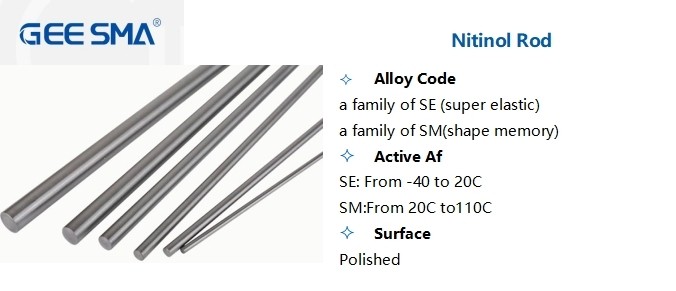
Nitinol, a nickel-titanium alloy, stands out in the world of materials due to its remarkable properties and versatility. This shape memory alloy can return to a predetermined shape when heated, making it incredibly useful in applications that require flexibility and resilience. Understanding the unique properties of nitinol is essential for manufacturers who are venturing into nitinol laser cutting, as these properties significantly influence the cutting process.
Overview of Nitinol Shape Memory Alloys
Nitinol's defining characteristic is its shape memory effect, which allows it to 'remember' a specific form after being deformed. When subjected to heat, nitinol returns to its original shape, which opens up a realm of possibilities across various industries. However, this property also introduces material challenges in nitinol tubing during laser cutting processes that require precision and accuracy.
Applications in Various Industries
The applications of nitinol span from medical devices like stents and guidewires to aerospace components requiring high strength-to-weight ratios. In the medical field, for example, nitinol's biocompatibility and flexibility make it ideal for minimally invasive surgeries. Meanwhile, in aerospace engineering, the unique properties of nitinol contribute to lightweight structures that can withstand extreme conditions while maintaining integrity over time.
Why Nitinol is Preferred for Laser Cutting
Manufacturers prefer using nitinol for laser cutting due to its ability to maintain structural integrity even after complex shaping processes. The precision required in applications such as medical devices necessitates techniques like fiber laser cutting of nitinol that minimize heat sensitivity and thermal damage during processing. Achieving precision and consistency with nitinol laser cutting not only enhances product performance but also reduces waste—making it an attractive option for manufacturers aiming for efficiency.
The Nitinol Laser Cutting Process

The nitinol laser cutting process is a sophisticated blend of advanced technology and precision engineering, tailored to meet the unique challenges presented by this remarkable material. Nitinol, known for its shape memory and superelastic properties, requires specialized techniques that can effectively manage its heat sensitivity. This section will explore the techniques and technologies employed in nitinol laser cutting, emphasizing the importance of accuracy while addressing the challenges associated with achieving consistency.
Techniques and Technology Used
These lasers offer a high degree of control over power settings and focus, allowing manufacturers to navigate the complexities associated with nitinol's unique properties. Additionally, advanced computer numerical control (CNC) systems play a pivotal role in optimizing cutting paths, ensuring that each cut is executed with meticulous attention to detail.
One key technique involves adjusting the laser's pulse duration and intensity based on the thickness of the nitinol tubing being processed. This customization helps mitigate potential issues related to heat sensitivity and thermal damage that could compromise material integrity. As manufacturers continue to innovate in this field, they are increasingly leveraging real-time monitoring systems that provide immediate feedback during the cutting process—ensuring optimal performance throughout.
Importance of Accuracy in Nitinol Laser Cutting
Accuracy is paramount in nitinol laser cutting due to its applications in critical industries such as medical devices and aerospace components. A slight deviation during the cutting process can lead to significant repercussions, including compromised functionality or even safety hazards for end-users. Achieving precision not only enhances product quality but also fosters trust between manufacturers and their customers who rely on exact specifications.
Moreover, precise cuts are essential for maintaining consistent mechanical properties across different sections of a component made from nitinol tubing. Any inconsistency could lead to unpredictable behavior in applications where shape memory or superelasticity is crucial—think stents or other medical implants designed for specific physiological conditions! Therefore, investing in accurate laser cutting technology is not just about meeting standards; it's about ensuring reliability over time.
Challenges in Achieving Consistency
Despite advancements in technology, achieving consistency when performing nitinol laser cutting remains fraught with challenges related primarily to material behavior during processing. The unique properties of nitinol can lead to warping or distortion if not managed correctly; even minor fluctuations in temperature can yield substantial variations across different batches of parts produced through fiber laser cutting techniques.
Furthermore, thermal damage poses another hurdle—excessive heat generated during the cut can alter material characteristics at a microscopic level, affecting performance down the line. Manufacturers must continuously refine their processes through rigorous testing and quality control measures aimed at mitigating these risks while striving for uniform results across all products made from this remarkable alloy.
Hidden Struggles in Laser-Cutting Nitinol
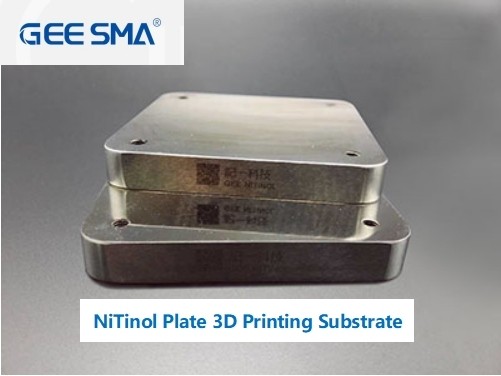
When it comes to nitinol laser cutting, the material's unique properties can present a myriad of challenges that manufacturers must navigate. Understanding how nitinol behaves during the cutting process is essential for achieving precision and consistency. These material challenges in nitinol tubing can often lead to unexpected complications if not properly addressed.
Material Behavior During Cutting
Nitinol, known for its shape memory effect and superelasticity, exhibits distinctive behavior when subjected to laser cutting. As the laser interacts with the material, it can cause localized heating that alters the mechanical properties of nitinol, leading to unpredictable results. This heat sensitivity means that even slight variations in cutting parameters can significantly impact the final product, making it crucial for manufacturers to fine-tune their processes.
The dynamic nature of nitinol during laser cutting requires an understanding of its phase transformations as temperature changes occur. If not managed effectively, these transformations can result in altered microstructures and compromised integrity of the cut parts. Therefore, manufacturers must be vigilant about monitoring conditions throughout the cutting process to mitigate any adverse effects on material behavior.
Potential for Warping and Distortion
One of the most frustrating issues faced in nitinol laser cutting is warping and distortion caused by uneven thermal distribution during processing. The rapid heating and cooling cycles inherent in fiber laser cutting of nitinol can create internal stresses that warp components out of specification. This warping not only affects dimensional accuracy but also poses a risk to functional performance in critical applications like medical devices or aerospace components.
To combat this challenge, manufacturers often need to employ advanced techniques such as controlled cooling or optimized cutting speeds to minimize thermal gradients. However, these adjustments may require extensive experimentation and fine-tuning to achieve optimal results without compromising other aspects of production efficiency. In essence, overcoming potential warping demands both technical ingenuity and patience from those involved in nitinol manufacturing.
Impact of Thermal Properties on Cutting Quality
The thermal properties of nitinol play a pivotal role in determining overall cutting quality during laser operations. Due to its unique heat sensitivity and thermal damage susceptibility, achieving precision becomes a balancing act between power settings and feed rates during fiber laser cutting of nitinol materials. If temperatures exceed certain thresholds, there's a risk not only for surface defects but also for altering fundamental characteristics like strength or elasticity.
Moreover, maintaining consistent quality across large production runs proves challenging when dealing with a material as temperamental as nitinol. Variations in energy input can lead to inconsistent edge finishes or incomplete cuts—issues that are particularly problematic when working with tight tolerances required by various industries. Thus, understanding the interplay between thermal properties and operational parameters is essential for ensuring high-quality outcomes while navigating hidden struggles associated with laser-cutting nitinol.
Insights from GEE SMA
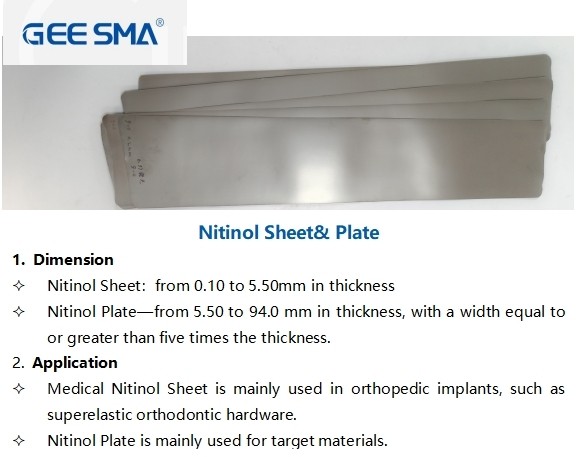
In the world of Nitinol laser cutting, GEE SMA stands at the forefront of innovation. The company has dedicated itself to overcoming material challenges in Nitinol tubing, ensuring that their products meet the rigorous demands of various high-tech industries. By focusing on the unique properties of Nitinol, GEE SMA is redefining what’s possible in manufacturing.
Innovations in Nitinol Shape Memory Alloy Production
GEE SMA has pioneered several innovative techniques in Nitinol shape memory alloy production that significantly enhance its performance. By utilizing advanced fiber laser cutting of Nitinol, they can achieve precision and consistency that traditional methods often struggle to deliver. These innovations not only improve the quality of the final product but also address heat sensitivity and thermal damage during processing.
Moreover, their research into optimizing alloy compositions allows for greater flexibility in applications across sectors like aerospace and medical devices. This level of customization ensures that each batch meets specific mechanical and thermal requirements without compromising on quality. As a result, manufacturers can confidently use these materials knowing they will perform under pressure.
Tailoring Nitinol for Specific Applications
One size doesn’t fit all when it comes to Nitinol laser cutting; different applications demand tailored solutions. GEE SMA excels at customizing Nitinol alloys to meet unique specifications, which is crucial for industries where precision is paramount. Whether it’s creating components for surgical instruments or aerospace fittings, understanding the unique properties of Nitinol allows them to produce materials that excel under specific conditions.
By analyzing customer needs closely, GEE SMA can modify attributes such as elasticity and thermal response effectively. This approach not only enhances performance but also minimizes potential issues related to warping or distortion during fabrication processes. Tailoring these materials leads to improved outcomes and higher satisfaction rates among clients who depend on their reliability.
Ensuring Quality Control in Manufacturing
Quality control is non-negotiable when it comes to nitinol laser cutting; even minor discrepancies can lead to significant failures down the line. GEE SMA employs rigorous testing protocols throughout their manufacturing process to ensure every piece meets strict standards before reaching customers' hands. From initial material selection through final inspection, attention to detail helps mitigate material challenges associated with nitinol tubing.
Incorporating real-time monitoring technologies allows them to catch any deviations early on, ensuring consistent results with each production run. This commitment not only enhances product integrity but also builds trust with clients who rely on high-quality components for critical applications like medical devices or aerospace systems. Ultimately, effective quality control translates into fewer recalls and enhanced reputation within competitive markets.
Real-World Applications and Challenges
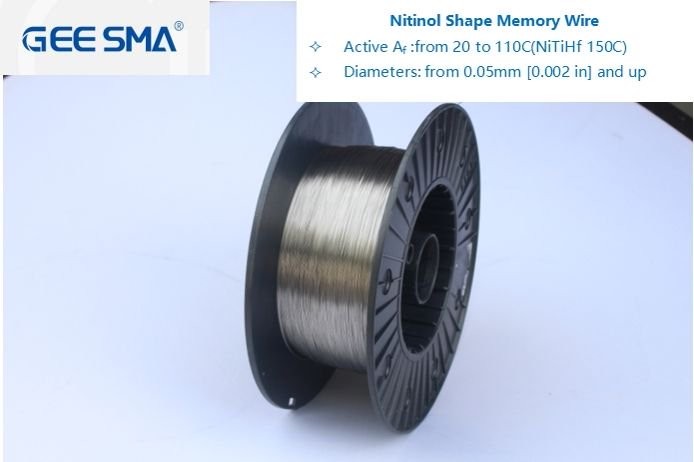
Nitinol, with its unique properties, has carved out a significant niche in both aerospace and medical industries. However, the journey from concept to application isn't without its hurdles. The challenges of nitinol laser cutting often require innovative solutions to ensure precision and consistency in manufacturing.
Case Studies: Aerospace and Medical Uses
In aerospace, the lightweight yet robust nature of nitinol is a game-changer for components like actuators and fasteners. Manufacturers face material challenges in nitinol tubing that can affect performance under extreme conditions, making precise laser cutting essential for safety and reliability. Similarly, in the medical field, nitinol's shape memory properties are exploited in stents and guidewires; however, achieving precision through fiber laser cutting of nitinol is crucial to ensure these devices function flawlessly inside the human body.
In both sectors, case studies reveal that when manufacturers successfully navigate the intricacies of nitinol laser cutting, they unlock significant advantages over traditional materials. For instance, one aerospace company improved fuel efficiency by integrating lightweight nitinol components into their designs after overcoming initial thermal damage issues during production. In medicine, successful implementations have led to better patient outcomes due to enhanced device performance—all thanks to meticulous attention paid to the unique properties of nitinol during manufacturing.
Addressing Customer Requirements with Precision
Meeting customer requirements in high-stakes industries like aerospace and healthcare means manufacturers must prioritize achieving precision and consistency in their processes. Clients expect not only quality but also timely delivery; thus, any setbacks related to material challenges can have cascading effects on project timelines. To address this need effectively, companies are increasingly investing in advanced techniques for nitinol laser cutting that minimize heat sensitivity and thermal damage while maximizing efficiency.
This commitment to precision has led some manufacturers to adopt innovative technologies such as real-time monitoring systems during the cutting process. Such systems help identify potential issues before they escalate into costly errors or delays—ensuring that every piece meets stringent specifications while maintaining the unique properties of nitinol intact throughout production. As a result, companies can confidently assure clients that their products will perform as intended under demanding conditions.
Overcoming Manufacturing Constraints
The path toward effective manufacturing using nitinol is often fraught with constraints ranging from equipment limitations to supply chain challenges. For example, specific fiber laser cutting setups may be required for optimal results with this complex alloy; however, not all facilities are equipped with such advanced technology right off the bat. Manufacturers must adapt quickly or risk falling behind competitors who leverage state-of-the-art methods for processing materials like nitinol.
Moreover, understanding how heat sensitivity affects various applications helps engineers devise strategies that mitigate risks associated with thermal damage during production runs—an essential consideration when working with this versatile alloy. By focusing on continuous improvement initiatives tailored towards refining processes around both material behavior and customer needs alike—manufacturers can push past these hurdles effectively while still harnessing the exceptional capabilities offered by Nitinol.
Conclusion
In the world of advanced manufacturing, the challenges associated with nitinol laser cutting cannot be overstated. The unique properties of nitinol, such as its shape memory and superelasticity, make it an attractive material for various applications but also introduce material challenges in nitinol tubing during the cutting process. Manufacturers must navigate issues like heat sensitivity and thermal damage to achieve precision and consistency in their products.
Implications of Nitinol Cutting Challenges
The implications of these nitinol cutting challenges extend far beyond just technical hurdles; they can significantly impact production timelines and costs. For instance, if manufacturers fail to address the heat sensitivity and thermal damage that can occur during laser cutting, it may lead to compromised material integrity and increased wastage. This not only affects profitability but also raises concerns about product reliability in critical applications such as aerospace or medical devices.
Future of Nitinol in High-Tech Industries
Looking ahead, the future of nitinol in high-tech industries appears promising despite its inherent challenges. As advancements in fiber laser cutting technology continue to evolve, manufacturers are increasingly finding ways to harness the unique properties of nitinol while minimizing potential pitfalls. Innovations aimed at enhancing precision and consistency will likely play a crucial role in expanding the use of nitinol across various sectors.
Continuous Improvement in Nitinol Applications
Continuous improvement is essential for unlocking the full potential of nitinol applications across different industries. By investing in research and development focused on overcoming material challenges in nitinol tubing, companies can enhance their manufacturing processes significantly. This commitment not only ensures better quality control but also leads to innovative solutions that meet customer requirements while maintaining high standards for safety and efficiency.