

Introduction

Nitinol, a remarkable alloy primarily composed of nickel and titanium, has garnered attention for its extraordinary properties that defy conventional material behavior. With applications ranging from medical devices to aerospace engineering, understanding the nuances of nitinol superelastic vs shape memory is essential for harnessing its full potential.
Understanding Nitinol's Unique Properties
What sets nitinol apart from traditional materials is its ability to undergo phase transformations in response to changes in temperature or stress. This means that nitinol wire can return to a predetermined shape after being deformed, showcasing the fascinating principle of shape memory. Additionally, when subjected to stress at certain temperatures, nitinol can exhibit superelastic behavior, allowing it to stretch significantly without permanent deformation—an impressive feat for any metal.
The Significance of Shape Memory Alloys
Shape memory alloys (SMAs) like nitinol are significant not only for their innovative properties but also for their wide-ranging applications across various industries. These materials can adapt and respond dynamically in real-time environments, making them invaluable in fields such as robotics and medicine. The versatility of shape memory metals enables engineers and designers to create solutions that were once thought impossible.
Overview of Nitinol Superelastic and Shape Memory
In the realm of nitinol superelastic vs shape memory, both forms serve distinct purposes based on their unique characteristics. Superelastic nitinol is ideal for applications requiring high resilience under stress without permanent deformation, while shape memory nitinol excels in situations where returning to a specific form after deformation is crucial. By exploring these two facets of nitinol further, we can appreciate how they contribute uniquely to advancements in technology and innovation.
The Science Behind Nitinol
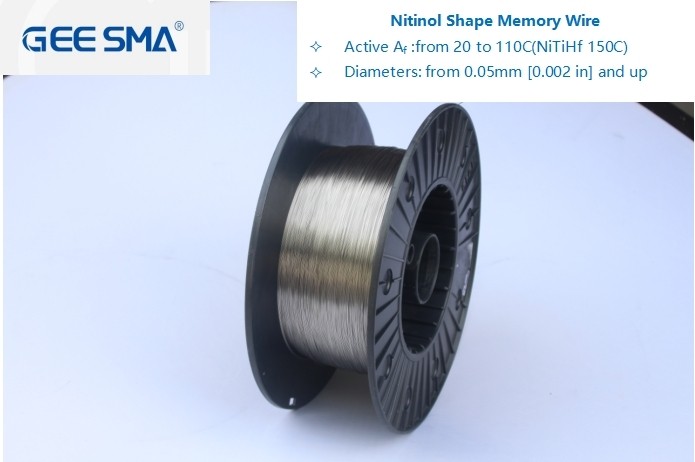
Nitinol, a remarkable alloy of nickel and titanium, is celebrated for its unique properties that set it apart from traditional materials. As a type of shape memory alloy (SMA), it can return to a predetermined shape when heated above a certain temperature. This section dives into the fascinating science behind Nitinol, exploring its composition, phase transformation mechanisms, and key characteristics that make it invaluable in various applications.
Composition and Structure of Nitinol
Nitinol consists primarily of nickel and titanium, typically with nickel making up about 55% of the alloy's weight. This specific composition contributes to its distinctive properties as both a shape memory metal and superelastic material. The atomic structure of Nitinol allows for two primary phases: the martensite phase at lower temperatures and the austenite phase at higher temperatures, which are crucial in determining how nitinol wire behaves under different conditions.
The arrangement of atoms in these phases plays an essential role in the material's ability to undergo deformation without permanent change—an attribute particularly useful for nitinol springs used in various applications. When cooled or stressed beyond its yield strength, Nitinol can easily revert to its original form upon heating or unloading due to this structural adaptability inherent in high-temperature alloys. Understanding this composition is fundamental when comparing nitinol superelastic vs shape memory functionalities.
Mechanisms of Phase Transformation
The magic of Nitinol lies within its phase transformation mechanism, where it transitions between martensite and austenite phases based on temperature changes or applied stress. In simpler terms, when heated above a certain threshold (the transformation temperature), the martensitic structure transforms into a more stable austenitic form—allowing the alloy to remember its original shape after deformation.
Conversely, when cooled below this temperature or subjected to stress while in an austenitic state, Nitinol can deform significantly without breaking—a phenomenon known as superelasticity. This dual behavior makes nitinol particularly fascinating; while some applications leverage its shape memory capabilities—like stents that expand once inserted—others utilize superelastic properties for dynamic movement in robotics or dental tools.
By understanding these mechanisms better, we can appreciate how different forms of shape memory materials serve distinct purposes across industries—from aerospace innovations to everyday consumer products like nitinol springs found in pens and toys.
Key Characteristics of Nitinol
Nitinol exhibits several key characteristics that contribute to its popularity as both superelastic and shape memory materials. One significant trait is its ability to undergo large strains while maintaining resilience; this makes it ideal for applications requiring flexibility without permanent deformation—a critical feature for medical devices such as stents.
Another noteworthy characteristic is the temperature sensitivity inherent within nitinol alloys; they can be engineered with precision so that their transformation temperatures align perfectly with specific application requirements—be it body heat for medical implants or environmental conditions for aerospace components. Additionally, these high-temperature alloys often boast excellent fatigue resistance compared to other metals; thus extending their lifespan even under repeated stress cycles.
In summary, understanding these key characteristics helps differentiate between nitinol superelastic vs shape memory applications while showcasing why this versatile alloy continues shaping industries today.
What is Superelastic Nitinol?
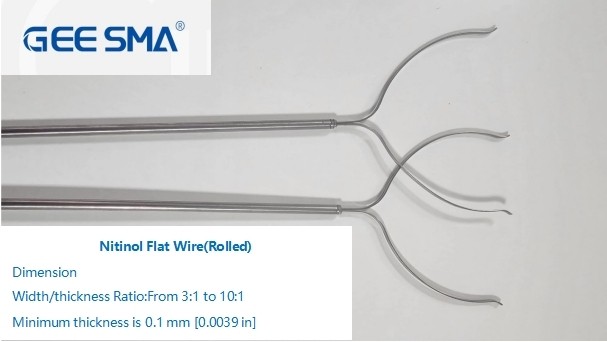
Superelastic Nitinol is a fascinating material that combines the unique properties of shape memory alloys with an incredible ability to undergo large deformations without permanent change. This characteristic allows it to return to its original shape when the stress is removed, making it a versatile choice for various applications. The phenomenon of superelasticity occurs at specific temperatures, which means that Nitinol can perform exceptionally well in both normal and high-temperature environments.
Definition and Properties of Superelastic Nitinol
Superelastic Nitinol is a type of shape memory alloy (SMA) made primarily from nickel and titanium, exhibiting remarkable elasticity under stress. When subjected to mechanical deformation beyond its yield point at a temperature above its transformation range, it can revert to its original shape upon unloading. This property distinguishes superelastic nitinol from other shape memory metals, as it does not require heating to recover its form, making it particularly valuable in dynamic environments.
The key properties of superelastic nitinol include high fatigue resistance, biocompatibility, and excellent corrosion resistance. These characteristics make it an ideal candidate for medical devices like stents or guidewires that must endure repeated stress while maintaining functionality. Moreover, the unique behavior of nitinol wire under varying conditions provides engineers with innovative solutions across various industries.
Applications in Medical Devices and Robotics
Superelastic nitinol has carved out a prominent niche in the medical field due to its exceptional properties and adaptability. In particular, it's widely used for manufacturing stents and surgical tools where flexibility and durability are paramount; these devices need to navigate through complex anatomical structures without breaking or losing their effectiveness. Furthermore, robotic applications benefit from superelastic nitinol springs that can absorb shocks while maintaining their original shapes after deformation.
In addition to medical devices, robotics has also embraced this remarkable alloy for actuators and joints that require both strength and flexibility. The ability of superelastic materials to withstand significant forces without permanent deformation makes them perfect for robotic limbs or grippers designed for delicate tasks requiring precision handling. As technology advances, we can expect even more groundbreaking uses for superelastic nitinol in these fields.
Advantages Over Traditional Materials
When comparing nitinol superelastic vs shape memory alloys with traditional materials like steel or plastics, several advantages emerge that highlight why industries are shifting towards this innovative metal. Firstly, the inherent flexibility of superelastic nitinol allows for more compact designs without sacrificing performance; this leads to lighter-weight products essential in both aerospace engineering and medical device design where every gram counts.
Additionally, the fatigue resistance offered by superelastic nitinol significantly outperforms many high-temperature alloys commonly used today—meaning components made from this material have longer lifespans even under strenuous conditions. With benefits such as corrosion resistance combined with biocompatibility in medical settings, it's clear why many engineers are opting for Nitinol over traditional options when designing advanced technologies.
Exploring Shape Memory Nitinol
Nitinol, a remarkable shape memory alloy, exhibits the fascinating ability to return to a predetermined shape when subjected to specific temperature changes. This unique characteristic is rooted in its phase transformation properties, which enable it to remember its original form after deformation. Shape memory metals like nitinol are increasingly becoming essential in various industries due to their exceptional performance and versatility.
Definition and Characteristics of Shape Memory Nitinol
Shape memory Nitinol operates on the principle of phase transformation between two distinct states: the austenite phase and the martensite phase. In its martensite state, nitinol can be easily deformed at lower temperatures; however, upon heating above a certain threshold, it transforms back into its original austenitic form, regaining its shape. This transition not only defines the material's functionality but also contributes to the lightweight yet robust nature of nitinol wire and springs used in numerous applications.
The key characteristics that set shape memory alloys apart include their excellent fatigue resistance and biocompatibility, making them ideal for medical devices such as stents and surgical tools. Unlike traditional materials that can wear out or lose their structural integrity over time, shape memory materials maintain their performance even after repeated use. Consequently, engineers are drawn to these high-temperature alloys for innovative designs that require both adaptability and durability.
Usage in Aerospace and Automotive Industries
In aerospace applications, shape memory Nitinol has been utilized for actuators that require precise movement under varying temperature conditions. The ability of these materials to change shapes allows for more efficient mechanisms in aircraft components where space is at a premium. Similarly, automotive manufacturers have begun incorporating nitinol springs into safety features like seatbelt systems; these components enhance passenger protection by automatically adjusting during an impact.
The automotive industry also benefits from using high-temperature alloys like nitinol in engines where thermal efficiency is paramount. These alloys can withstand extreme conditions while maintaining their structural integrity—an essential feature for modern vehicles striving for improved fuel efficiency and emissions reduction. As engineers continue exploring the potential of shape memory metals in various applications, we can expect significant advancements across both aerospace and automotive sectors.
Benefits of Shape Memory Materials
One primary benefit of utilizing shape memory materials like nitinol is their ability to simplify complex mechanical designs while improving overall performance metrics significantly. By replacing multiple components with a single nitinol spring or actuator capable of dynamic adjustments based on environmental stimuli, manufacturers can reduce weight and assembly time while enhancing functionality. This streamlined approach not only leads to cost savings but also promotes sustainability through resource-efficient production processes.
Another advantage lies in the inherent self-repairing capability of these materials; when exposed to stress or deformation beyond typical operational limits, they can revert back without permanent damage upon returning to favorable conditions—unlike conventional metals that may fracture or bend irreparably under similar circumstances. Such resilience makes shape memory Nitinol an invaluable asset across industries seeking innovative solutions that prioritize longevity alongside performance enhancement.
In summary, exploring the world of shape memory Nitinol reveals an exciting landscape filled with possibilities driven by cutting-edge technology and material science advancements; whether it's revolutionizing aerospace design or enhancing automotive safety features through clever engineering solutions involving superelastic vs shape memory comparisons—the future looks bright!
Key Differences Between Superelastic and Shape Memory

When it comes to nitinol superelastic vs shape memory, understanding their key differences is essential for selecting the right application. Both forms of nitinol exhibit remarkable properties due to their unique phase transformations, but they behave differently under stress and temperature changes. Let's dive into these distinctions to better appreciate the versatility of shape memory alloys.
Functional Behavior Under Stress
Superelastic nitinol showcases an impressive ability to undergo significant deformation when subjected to stress, returning to its original shape once the load is removed. This characteristic makes it ideal for applications where flexibility and resilience are paramount, such as in nitinol springs or medical devices like stents. In contrast, shape memory nitinol is designed primarily for functionality at specific temperatures; it can return to a predetermined shape when heated after being deformed, making it suitable for applications that require precise movements or configurations.
The functional behavior under stress highlights a fundamental difference between these two types of shape memory metals: superelasticity allows for dynamic adjustments without permanent deformation, while shape memory relies on thermal activation to regain its form. This leads us into how each type responds differently to temperature fluctuations as well.
Temperature Response Characteristics
Temperature response characteristics are another area where nitinol superelastic vs shape memory diverges significantly. Superelastic nitinol operates effectively over a broader temperature range and does not require heating to activate its unique properties; instead, it functions based on mechanical loading alone. On the other hand, shape memory alloys have specific transformation temperatures that must be reached before they can revert back to their memorized shapes.
This difference means that while superelastic materials excel in environments with varying thermal conditions—such as robotics or certain medical applications—shape memory alloys shine in scenarios where precise thermal control is available, such as aerospace engineering or automotive components requiring exact positioning at high temperatures. The choice between these two types of high-temperature alloys ultimately depends on the operational environment and desired functionalities.
Applications and Material Suitability
When considering applications and material suitability within the realm of nitinol superelastic vs shape memory technologies, each has its niches where they excel best. Superelastic nitinol finds extensive use in dynamic settings like surgical tools that need flexibility under pressure or in consumer products such as smart eyewear frames that adjust without breaking under stress. Its ability to adapt without permanent changes makes it a go-to choice for many innovative designs.
Conversely, shape memory materials are particularly advantageous in situations requiring reliable performance at set temperatures—think aerospace components that need specific configurations during flight or automotive parts designed for optimal function during engine operation. By understanding these differences in application suitability between superelastic and shape memory variants of nitinol wire and springs, engineers can make informed decisions tailored toward their project needs.
Real-World Applications of Nitinol
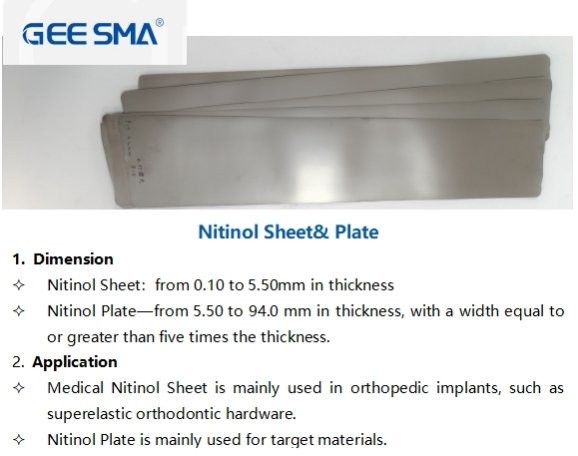
Nitinol, a remarkable shape memory alloy, has found its way into various industries thanks to its unique properties. From medical devices that save lives to innovative applications in aerospace and consumer products, the versatility of nitinol is astounding. This section will delve into some of the most significant real-world applications that showcase the incredible capabilities of both nitinol superelastic and shape memory forms.
Medical Applications: Stents and Surgical Tools
In the medical field, nitinol's superelastic properties have revolutionized the design of stents and surgical tools. Nitinol stents can expand within blood vessels, providing support while maintaining flexibility; this adaptability is crucial for patient comfort and recovery. Additionally, surgical tools made from shape memory metals allow for minimally invasive procedures, as they can change shape or deploy mechanisms with precision when heated.
The use of nitinol wire in these applications ensures that devices can return to their original shapes after being deformed during placement or use. This resilience not only enhances performance but also reduces complications associated with traditional materials. As a result, nitinol has become a go-to material for medical professionals seeking reliable solutions in challenging environments.
Aerospace Uses: GEE SMA in Missions
Aerospace engineers are increasingly turning to high temperature alloys like nitinol due to their ability to withstand extreme conditions while maintaining structural integrity. The Global Engineering Excellence (GEE) Shape Memory Alloy (SMA) program has harnessed these properties for missions requiring lightweight yet durable components. Nitinol's unique characteristics enable it to adapt under varying temperatures and pressures, making it an ideal candidate for critical aerospace applications.
For instance, components made from nitinol can be designed to change shape in response to environmental stimuli during flight operations or landing sequences. This capability not only enhances performance but also contributes to overall mission safety by allowing for real-time adjustments based on operational needs. The integration of nitinol into aerospace technology exemplifies how shape memory materials are pushing the boundaries of engineering innovation.
Consumer Products: Shape Memory Springs in Daily Life
Nitinol isn't just limited to high-stakes industries; it's also making waves in everyday consumer products! One popular application is found in shape memory springs that revert back to their original form after being compressed or stretched—perfect for items like eyeglass frames or even toys! These nifty little gadgets leverage the principles of both superelasticity and shape memory effects, providing functionality that enhances user experience.
Moreover, incorporating nitinol springs into products allows manufacturers to create more durable items with fewer moving parts—who doesn't love a product that lasts longer? As consumers become more aware of sustainable practices and materials, the demand for innovative solutions like those offered by shape memory alloys continues to grow across various markets. The versatility and reliability inherent in nitinol spring designs illustrate how this incredible material is seamlessly blending into our daily lives.
Conclusion
In summary, the choice between nitinol superelastic and shape memory alloys hinges on the specific requirements of each application. Both types of shape memory materials offer unique advantages that cater to different industries, from medical devices to aerospace engineering. Understanding the nuances of nitinol wire, including its phase transformation properties and stress responses, is crucial for optimizing its use.
Choosing Between Superelastic and Shape Memory Nitinol
When selecting between nitinol superelastic vs shape memory options, it's essential to consider the intended application and environmental conditions. Superelastic nitinol springs excel in situations requiring high flexibility without permanent deformation, making them ideal for medical tools like stents. In contrast, shape memory metals are better suited for applications where a predetermined shape is vital, such as in actuators or connectors in aerospace systems.
The decision also involves evaluating temperature response characteristics; while superelastic nitinol operates effectively at room temperature under stress, shape memory alloys activate their unique properties at specific temperatures. This means that engineers must carefully analyze operational environments when choosing which type of nitinol to employ in their projects. Ultimately, understanding these distinctions can lead to more efficient designs and improved product performance.
Future of Nitinol Superelastic vs Shape Memory
Looking ahead, both nitinol superelastic and shape memory technologies are poised for significant advancements driven by ongoing research and development efforts. The future may see enhanced high-temperature alloys that expand the operational range of these materials beyond current limitations. Innovations could lead to new applications in diverse fields such as robotics or even space exploration.
Moreover, improvements in manufacturing techniques might allow for more complex shapes and configurations within both categories of nitinol products—ultimately leading to greater versatility in design options. As industries continue to recognize the benefits offered by these remarkable shape memory materials, we can expect a surge in demand that drives further innovation and exploration into their capabilities.
GEE SMA's Role in Advancing Nitinol Technology
GEE SMA stands at the forefront of advancing nitinol technology by developing cutting-edge solutions tailored for various applications involving both superelasticity and shape memory effects. Their commitment to innovation ensures that they remain competitive while providing high-performance products like advanced nitinol wire suitable for critical uses across multiple sectors.
By focusing on refining manufacturing processes and enhancing material properties, GEE SMA contributes significantly to expanding the scope of what can be achieved with shape memory metals today. Their research initiatives not only push boundaries but also pave the way for future breakthroughs that will redefine how we utilize these extraordinary materials across industries—from medical devices like stents to everyday consumer products featuring nimble nitinol springs.