

Introduction
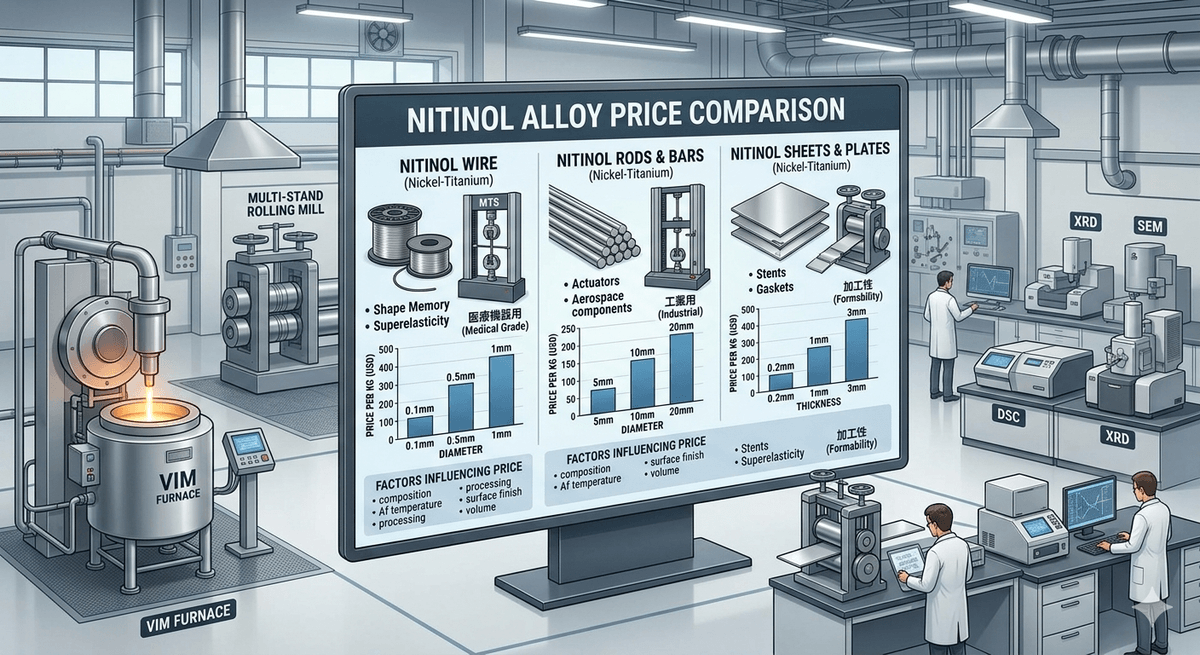
Nitinol, a remarkable nickel-titanium alloy, has garnered significant attention across various industries due to its unique properties, including shape memory and superelasticity. From medical devices to aerospace applications, understanding nitinol and its applications is crucial for anyone looking to harness its benefits. However, as the demand for this extraordinary material rises, so does the nitinol alloy price, prompting buyers to navigate a complex landscape of factors influencing costs.
Understanding Nitinol and Its Applications
Nitinol's unique characteristics make it an invaluable resource in fields such as medicine and engineering. In the medical sector, nitinol is widely used in stents and guidewires due to its biocompatibility and ability to return to a predetermined shape when exposed to body heat. In aerospace engineering, it plays a pivotal role in creating lightweight components that can withstand extreme conditions while maintaining structural integrity.
The Rise of Nitinol Alloy Price
Over recent years, the nitinol alloy price has seen a notable increase driven by growing market demand and limited supply chains. Factors such as rising production costs and specialized manufacturing processes contribute significantly to this trend. As industries continue to explore innovative applications for nitinol, understanding how much does nitinol cost becomes essential for businesses looking to incorporate this material into their products.
Key Considerations for Nitinol Buyers
When considering purchasing nitinol products, buyers must evaluate several key factors that influence pricing and availability. These include the specific composition of the alloy, which can affect both performance characteristics and cost-effectiveness. Additionally, potential buyers should weigh the question: why is nitinol so expensive? Understanding these considerations will empower decision-makers in selecting materials that align with their project requirements while managing budgets effectively.
Nitinol Alloy Price Factors
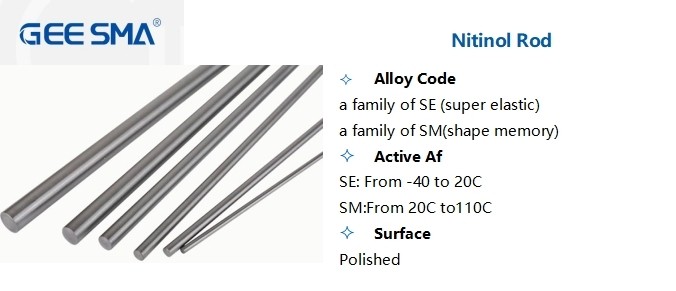
When diving into the world of nitinol, understanding the factors that influence its alloy price is crucial. The cost of nitinol is not just a random number; it’s shaped by various elements, including material composition, market dynamics, and manufacturing processes. Each factor plays a significant role in determining how much does nitinol cost in different applications.
Material Composition and Quality
The composition of nitinol significantly impacts its alloy price and overall quality. Typically composed of nickel and titanium in varying ratios, the precise formulation can lead to variations in mechanical properties and performance characteristics. Higher purity levels or specific compositions designed for specialized applications can drive up costs, making it essential for buyers to evaluate what they truly need.
Quality also matters; lower-quality alloys might be cheaper but could compromise on performance or longevity. This begs the question: why is nitinol so expensive? The answer often lies in the stringent quality standards required for critical applications like medical devices or aerospace components where failure is simply not an option.
Market Demand and Supply Trends
Market demand plays a pivotal role in shaping the nitinol alloy price landscape. As industries increasingly adopt nitinol for its unique properties—like shape memory effect and superelasticity—the demand continues to rise. However, supply chain challenges can lead to fluctuations in availability, further influencing how much does nitinol cost at any given time.
Additionally, global economic factors can create ripples in supply trends; when demand outstrips supply or vice versa, prices will inevitably react accordingly. For instance, if there’s a surge in the medical sector’s need for stents made from nitinol due to an aging population, expect prices to reflect that urgency.
Manufacturing Processes Impacting Cost
The complexity of manufacturing processes used to produce nitinol also contributes significantly to its overall pricing structure. Unlike traditional metals like steel—which are relatively straightforward to process—nitinol requires specialized techniques such as controlled cooling and precise heat treatments that add layers of cost during production. These intricate processes are necessary to ensure that the final product meets specific performance standards expected by industries relying on this remarkable alloy.
Furthermore, advances in technology may enhance production efficiency but often come with hefty initial investments that manufacturers must recoup through pricing strategies. So when you ponder why is nitinol so expensive? Remember that these advanced manufacturing processes are essential for producing high-quality materials tailored for demanding applications.
How Much Does Nitinol Cost?

When it comes to understanding the nitinol alloy price, many potential buyers find themselves asking, How much does nitinol cost? The answer is not straightforward, as prices can fluctuate based on various factors. However, gaining insights into average prices and global comparisons can help buyers make informed decisions.
Average Prices per Kilogram
On average, the nitinol alloy price typically ranges from $50 to $200 per kilogram, depending on its specific composition and quality. This broad range reflects the complexity of producing nitinol and the specialized processes involved in its manufacturing. Buyers should be prepared for potential variations in pricing due to supplier markups or changes in market demand.
Comparing Nitinol Prices Globally
When comparing nitinol prices globally, it's essential to consider regional differences influenced by local manufacturing capabilities and raw material availability. For instance, countries with advanced metallurgical industries may offer more competitive pricing than those relying heavily on imports. Additionally, fluctuations in currency exchange rates can further impact how much does nitinol cost across different markets.
Price Variability by Application
The application of nitinol significantly influences its cost; specialized forms used in medical devices may command higher prices compared to standard grades used in industrial applications. For example, medical-grade nitinol often undergoes rigorous testing and certification processes that contribute to its higher price tag—leading some to wonder: why is nitinol so expensive? Ultimately, understanding these variabilities helps buyers assess whether is nitinol cheap for their specific needs or if they should explore alternative materials.
Why Is Nitinol So Expensive?
When it comes to the nitinol alloy price, many factors contribute to its high cost. Understanding these elements can help potential buyers grasp why they may be spending more on this unique material compared to traditional metals. Let's dive into the reasons that make nitinol one of the pricier options on the market.
Complex Production Techniques
One of the primary reasons for why is nitinol so expensive is its intricate production process. Producing nitinol involves several sophisticated steps, including precise control over temperature and composition during alloying, which requires specialized equipment and expertise. This complexity not only adds to manufacturing costs but also limits production scalability, ultimately driving up how much does nitinol cost?
Moreover, these advanced techniques are crucial for achieving the unique shape memory and superelastic properties that make nitinol desirable in various applications. Thus, while it may be tempting to look solely at upfront costs, understanding the value derived from these complex production techniques is essential when evaluating if nitinol is cheap or worth every penny.
Specialty Applications in Various Industries
Nitinol's price tag can also be attributed to its specialty applications across a range of industries such as medical devices, aerospace, and robotics. In medicine, for example, nitinol is used in stents and guidewires due to its biocompatibility and ability to return to a predefined shape after deformation—qualities that are hard to replicate with other materials like steel. This specialized usage not only justifies higher manufacturing costs but also reinforces why is nitinol so expensive compared to more common alloys.
Additionally, industries that rely on advanced technologies often have stringent requirements for material performance and reliability. As a result, manufacturers can command higher prices for products made from this versatile alloy because of its unique properties tailored for specific needs.
Limitations in Raw Material Availability
Another significant factor influencing the nitinol alloy price is the limited availability of raw materials required for its production. Nitinol primarily consists of nickel and titanium; fluctuations in their supply chains can dramatically affect how much does nitinol cost? For instance, geopolitical issues or mining restrictions might lead to scarcity in raw materials—this scarcity translates into increased prices.
Furthermore, sourcing high-quality nickel and titanium suitable for creating reliable nitinol requires careful selection processes that add layers of complexity (and expense) before reaching consumers. Consequently, these limitations contribute not only to pricing volatility but also raise questions about whether investing in this material makes it a viable option compared with alternatives like steel.
Nitinol vs. Steel: Strength Comparison

When it comes to comparing materials like nitinol and steel, the conversation often centers around strength and versatility. Nitinol, a nickel-titanium alloy, is renowned for its unique properties such as shape memory and superelasticity, which give it an edge in specific applications. However, many still wonder: **Is nitinol stronger than steel?** The answer isn't straightforward, as it depends on the context of use.
Analyzing Mechanical Properties
Nitinol's mechanical properties are fascinating and quite different from those of traditional steel. While steel boasts high tensile strength and durability, nitinol’s ability to return to its original shape after deformation gives it unique advantages in dynamic applications. This elasticity means that while nitinol may not always withstand higher loads compared to steel, its capacity for deformation without permanent damage makes it invaluable in scenarios where flexibility is essential.
Moreover, when considering **how much does nitinol cost?**, one must also weigh these mechanical properties against the price tag attached to this advanced material. The complex production techniques contribute significantly to **why is nitinol so expensive?** Despite these costs, the benefits offered by nitinol can justify its price in critical applications where performance outweighs expense.
Applications in Aerospace and Medical Fields
In aerospace engineering, both materials play crucial roles but serve different purposes due to their distinct properties. Steel is often favored for structural components that require robust support under heavy loads; however, nitinol shines in areas demanding lightweight solutions with high fatigue resistance—think actuators or stents used in medical devices. This brings us back to the question of whether **is nitinol cheap?** In many cases, its specialized applications can lead manufacturers to prioritize performance over cost.
The medical field particularly benefits from the unique attributes of nitinol; devices such as guidewires and stents leverage its superelasticity for better patient outcomes while minimizing complications during procedures. Thus, understanding how these materials compare helps buyers make informed decisions about their investments based on both function and **nitinol alloy price**.
Cost Implications of Material Selection
Choosing between nitinol and steel involves more than just a simple comparison of their prices; it's about evaluating long-term value versus upfront costs. While the initial investment for a product made from nitinol may be higher due to manufacturing complexities—contributing factors behind **why is nitinol so expensive?**—the durability and performance benefits can lead to lower maintenance costs over time.
Additionally, industries that rely heavily on precision-engineered components must consider how much they are willing to invest upfront versus potential savings later on—especially when weighing options like How much does nitinol cost? against traditional materials like steel that might seem cheaper at first glance but could incur higher lifecycle costs due to wear or failure rates. Ultimately, understanding these implications allows buyers not only to grasp if **is nitinol stronger than steel**, but also whether investing in this remarkable alloy aligns with their financial strategy.
Is Nitinol Cheap?

When considering the cost of materials, one must weigh not just the upfront price but also the long-term value they provide. Nitinol, with its unique properties and applications, often raises the question: Is nitinol cheap? While the initial nitinol alloy price may seem steep compared to other metals, its benefits can justify this expense over time. From medical devices to aerospace components, understanding how much does nitinol cost in relation to its performance and longevity is crucial for buyers.
Evaluating Long-term Value
Investing in nitinol is akin to purchasing a high-quality tool that pays dividends over time. Its remarkable shape memory and superelasticity mean that products made from nitinol can withstand stress and strain better than many alternatives, leading to reduced maintenance costs and longer service life. Thus, even if the upfront nitinol alloy price appears high, it can be seen as a cost-effective choice when factoring in durability and reliability.
Moreover, industries such as medicine benefit greatly from these attributes; devices made from nitinol often require fewer replacements or repairs due to their resilience. This longevity translates into savings for hospitals and manufacturers alike. So while many may wonder why is nitinol so expensive? The answer lies in its ability to deliver exceptional performance and reliability over time.
Comparing with Other Materials
When comparing materials like steel versus nitinol, it's essential to consider not just strength but also functionality across various applications. Many might ask: Is nitinol stronger than steel? While steel boasts impressive tensile strength, it lacks the unique properties of nitinol that allow it to return to a predetermined shape after deformation—something no standard steel can do effectively.
This comparison highlights that while steel might have a lower initial cost per kilogram than some types of nitinol alloys, it doesn't offer the same versatility or long-term value for specific applications like stents or actuators where shape memory is crucial. Hence, while some materials may appear cheaper initially on paper, they often lead to higher overall expenses due to frequent replacements or modifications needed throughout their lifecycle.
Real-world Applications Justifying Costs
In real-world scenarios, the question of whether is nitinol cheap? becomes more nuanced as we look at practical applications across industries like healthcare and aerospace. For instance, in medical devices such as guidewires or stents made from Nitinol—despite their higher alloy price—their ability to navigate complex anatomical structures without damage makes them invaluable tools for surgeons worldwide.
Furthermore, aerospace components crafted from this extraordinary metal can withstand extreme conditions while maintaining structural integrity; thus ensuring safety and efficiency in flight operations. These specialized uses demonstrate how investing in more expensive materials like Nitinol can ultimately lead to enhanced performance outcomes that cheaper alternatives simply cannot match.
Conclusion

In wrapping up our exploration of Nitinol, it’s clear that the nitinol alloy price is influenced by a multitude of factors, from material composition to market dynamics. As industries continue to innovate and discover new applications for this remarkable material, understanding how much nitinol costs will become increasingly vital for manufacturers and buyers alike. Ultimately, the value proposition of Nitinol goes beyond its initial expense; it embodies a unique blend of performance and versatility.
The Future of Nitinol Alloy Price Trends
Looking ahead, the future of nitinol alloy price trends appears optimistic yet complex. As demand surges in sectors like medical devices and aerospace, prices may see upward pressure due to increased production costs and raw material scarcity. However, advancements in manufacturing techniques could potentially stabilize or even reduce costs over time, making it essential for buyers to stay informed about market shifts.
Best Practices for Nitinol Purchases
When considering how much does nitinol cost?, it's crucial to adopt best practices that ensure you get the most bang for your buck. Start by evaluating suppliers based on their reputation and quality assurance processes—this can significantly impact both cost and product performance. Additionally, always compare quotes from multiple vendors while taking into account not just the price but also delivery timelines and customer support.
GEE SMA: Leading Nitinol Solutions Provider
If you're navigating the complexities of purchasing nitinol, look no further than GEE SMA—a leading provider in the field. With a commitment to quality and innovation, they offer competitive pricing structures that reflect current nitinol alloy price trends while ensuring superior product performance. By partnering with GEE SMA, you gain access not only to high-quality materials but also expert guidance on why nitinol is so expensive yet invaluable in various applications.