

Introduction
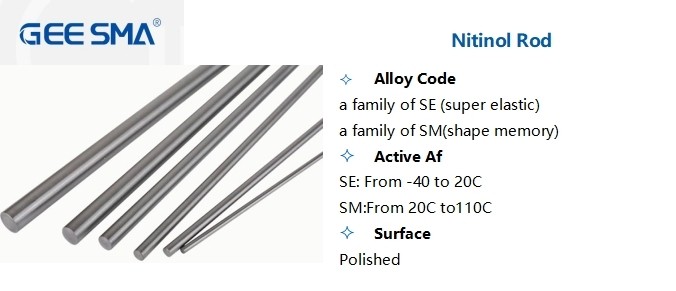
In a world where innovation meets functionality, shape memory alloys are taking center stage, redefining what we expect from materials. These extraordinary shape memory metals have the unique ability to return to a predetermined shape when exposed to specific temperatures, making them invaluable across various industries. Among the front-runners in this field is GEE SMA, a company dedicated to pioneering advancements in shape memory alloy products that push the boundaries of what's possible.
Overview of Shape Memory Alloys
Shape memory alloys are specialized materials that exhibit remarkable properties, primarily their ability to remember and revert to a pre-defined shape after deformation. This phenomenon is mainly observed in titanium alloy and nickel alloy metals, which undergo phase transformations in response to temperature changes. The versatility of these alloys allows engineers and designers to harness their unique abilities for innovative applications across multiple sectors.
Applications in Various Industries
The applications of shape memory alloys products are as diverse as they are fascinating. From medical devices that adapt seamlessly within the human body to aerospace components designed for extreme conditions, these materials have proven indispensable. Industries such as robotics and automation also benefit from super elastic nitinol wire, which enhances performance and reliability in various mechanisms.
Meet GEE SMA and Its Innovations
GEE SMA stands at the forefront of developing cutting-edge solutions using shape memory alloys products tailored for specific needs. With a commitment to innovation, GEE SMA continuously explores new ways to enhance the capabilities of shape metal technologies while ensuring compliance with industry standards. By focusing on customer requirements and fostering creativity, GEE SMA is shaping the future of materials science like never before.
What Are Shape Memory Alloys?
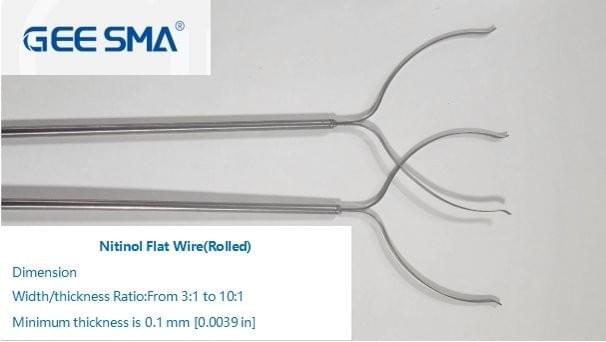
Shape memory alloys (SMAs) are a fascinating class of materials that have the unique ability to return to a predetermined shape when subjected to specific temperature changes. These remarkable shape memory metals can be deformed at lower temperatures but will revert to their original form when heated, making them incredibly versatile for various applications. In essence, they combine the properties of metals with an extraordinary capability for transformation, resulting in innovative solutions across multiple industries.
Understanding Shape Memory Metals
To grasp the concept of shape memory alloys, one must first understand what makes these shape memory metals so special. Unlike traditional metals that maintain their form regardless of temperature fluctuations, shape memory alloys products can remember their original structure. This property arises from a phase transformation at the atomic level, allowing these materials to exhibit both elasticity and deformability in ways that conventional metals cannot.
Mechanism Behind Shape Recovery
The magic behind the mechanism of shape recovery in SMAs lies in their ability to undergo two distinct phases: martensite and austenite. When cooled below a certain temperature, the metal transforms into martensite, which is more malleable and allows for deformation; upon heating above this threshold, it reverts back to its original crystalline structure known as austenite. This transition is what enables shape metal products like super elastic nitinol wire to regain their intended shapes after being distorted or bent.
Popular Types: Titanium and Nickel Alloys
Among the most widely used types of SMAs are titanium alloy and nickel alloy metals, each boasting unique characteristics suited for different applications. Titanium alloys are renowned for their strength-to-weight ratio and corrosion resistance, making them ideal for aerospace components and medical devices alike. On the other hand, nickel-based alloys offer excellent thermal stability and are often utilized in environments where high performance under varying temperatures is crucial—further enhancing the versatility of shape memory alloys products across industries.
The Unique Properties of Nitinol

Nitinol, a remarkable shape memory alloy, stands out due to its unique properties that make it ideal for various applications. This alloy, primarily composed of nickel and titanium, exhibits exceptional characteristics such as super elasticity and temperature sensitivity. Understanding these properties is crucial for harnessing the potential of shape memory alloys products in industries ranging from medical devices to aerospace engineering.
Super Elasticity Explained
Super elasticity is one of the most fascinating features of Nitinol, allowing it to undergo significant deformation and return to its original shape without permanent damage. When subjected to stress, this shape metal can stretch up to eight times more than traditional materials before reverting back once the stress is removed. This quality not only enhances the durability of products made from super elastic nitinol wire but also opens doors for innovative designs in various applications.
The ability to maintain structural integrity while being flexible makes super elastic nitinol wire particularly valuable in medical devices such as stents and guidewires. These products benefit from the unique properties of Nitinol, ensuring they can navigate through complex anatomical structures without compromising their performance. As a result, super elasticity plays a pivotal role in improving patient outcomes and overall product reliability.
Temperature Sensitivity and Shape Memory Effect
Another captivating attribute of Nitinol is its temperature sensitivity combined with the shape memory effect, which allows it to remember its pre-deformed shape when heated above a specific transformation temperature. This property enables shape memory alloys products to transition between two distinct shapes based on temperature changes—an incredible feat that traditional metals simply cannot achieve. For instance, when cooled below this threshold, Nitinol can be deformed into any desired shape; upon heating, it returns to its original form.
This remarkable ability has significant implications for industries using titanium alloy and nickel alloy metals in their designs. In robotics and automation solutions, components made from Nitinol can adapt dynamically based on environmental conditions or operational requirements without requiring complex mechanical systems. The combination of temperature sensitivity and the shape memory effect thus empowers engineers and designers with unparalleled design flexibility.
Key Benefits for Industrial Applications
The unique properties of Nitinol translate into numerous key benefits for industrial applications across various sectors. First off, the resilience provided by super elasticity means that components made from this alloy are less prone to fatigue or failure over time—an essential consideration in high-stress environments like aerospace engineering or medical device manufacturing. Additionally, the lightweight nature of nickel alloy metals enhances efficiency without sacrificing strength or durability.
Moreover, incorporating these advanced materials into product designs often leads to reduced assembly costs due to fewer components needed for functionality—thanks largely to their adaptability through thermal activation or mechanical deformation capabilities inherent in shape memory alloys products like those derived from Nitinol. This efficiency not only streamlines production processes but also contributes positively towards sustainability goals by minimizing waste.
In summary, understanding how super elasticity works alongside temperature sensitivity allows industries utilizing shape memory alloys products like Nitinol—and even other titanium alloys—to innovate continuously while reaping substantial benefits regarding performance reliability and cost-effectiveness across diverse applications.
Applications of Shape Memory Alloys Products
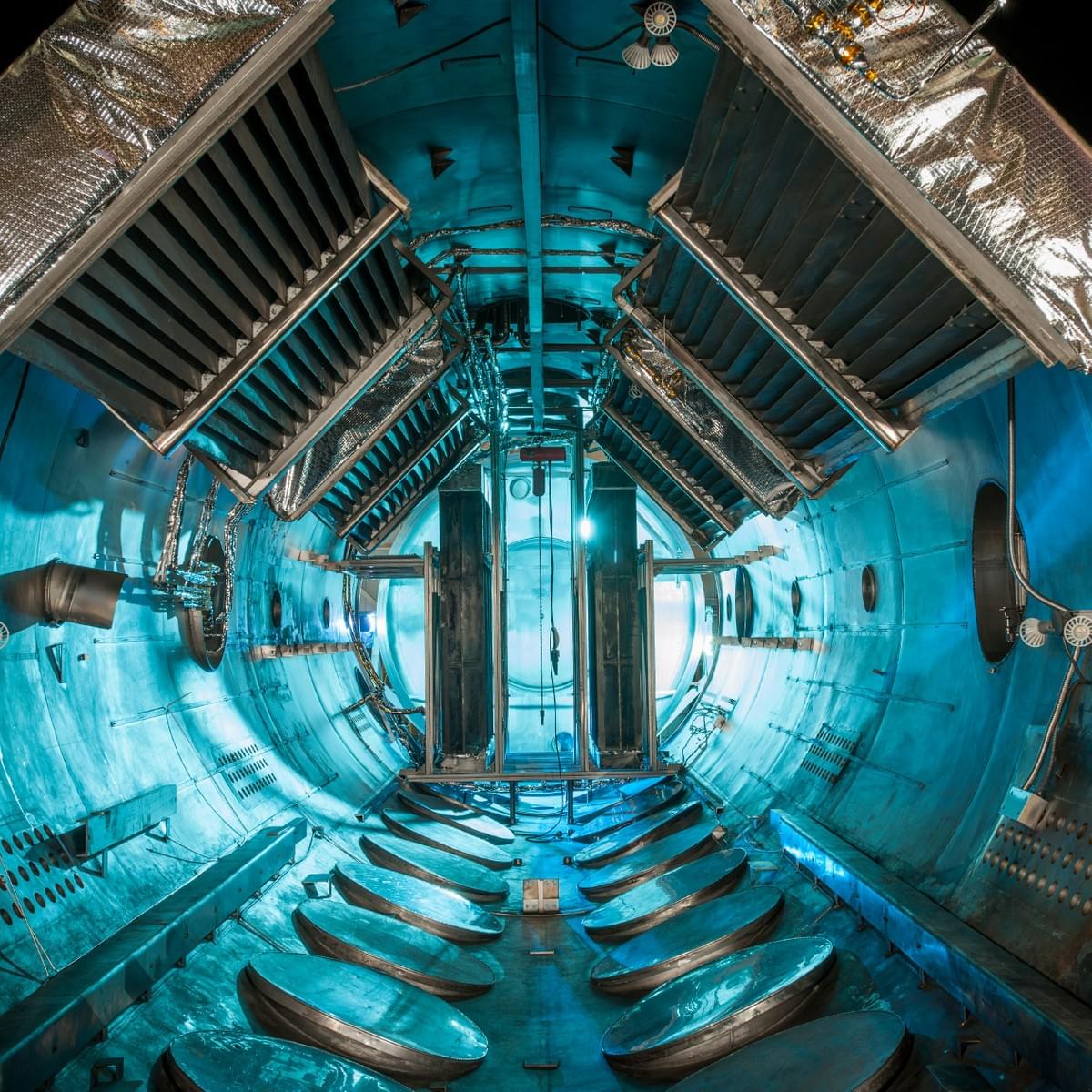
Shape memory alloys products are revolutionizing various industries with their unique properties and capabilities. From medical devices to aerospace engineering, these remarkable materials are pushing the boundaries of what is possible. Let’s dive into some exciting applications that showcase the versatility of shape memory alloys.
Medical Devices and Implants
In the medical field, shape memory alloys have found a niche that is hard to ignore. Shape memory metals like Nitinol, a super elastic nitinol wire, are commonly used in stents and guidewires due to their ability to return to a predetermined shape upon heating. This characteristic not only enhances the functionality of medical devices but also ensures patient safety by allowing for minimally invasive procedures.
Moreover, titanium alloy implants leverage the unique properties of shape metal, providing both strength and biocompatibility. The ability of these shape memory alloys products to adapt under varying conditions makes them ideal for use in dynamic environments such as the human body. As research continues, we can expect even more innovative applications in surgeries and prosthetics using these advanced materials.
Aerospace Engineering Innovations
Aerospace engineering is another domain where shape memory alloys shine brightly. The lightweight yet robust nature of nickel alloy metals allows for significant weight savings in aircraft design without compromising structural integrity. These materials enable engineers to create components that can change shape or position during flight, improving aerodynamics and fuel efficiency.
Additionally, super elastic nitinol wire is being utilized in actuators and control surfaces, allowing for real-time adjustments based on flight conditions. This adaptability not only enhances performance but also contributes to safety by enabling rapid responses to changing environmental factors. With ongoing advancements in material science, we anticipate even more groundbreaking innovations utilizing shape memory alloys products in aerospace applications.
Robotics and Automation Solutions
The world of robotics has embraced shape memory alloys with open arms due to their unique mechanical properties and versatility. Robots equipped with components made from titanium alloy or nickel alloy metals can perform intricate tasks that require precise movements while maintaining durability under stress. These materials allow robots to mimic natural movements more effectively than traditional metals.
In automation solutions, super elastic nitinol wire provides an edge by enabling actuators that can operate efficiently across a range of temperatures and loads without losing functionality or performance quality. This flexibility translates into enhanced operational capabilities for industrial robots used in manufacturing processes or assembly lines. As industries evolve towards smarter automation systems, the demand for innovative applications involving shape memory alloys products will undoubtedly grow.
GEE SMA's Role in Space Exploration
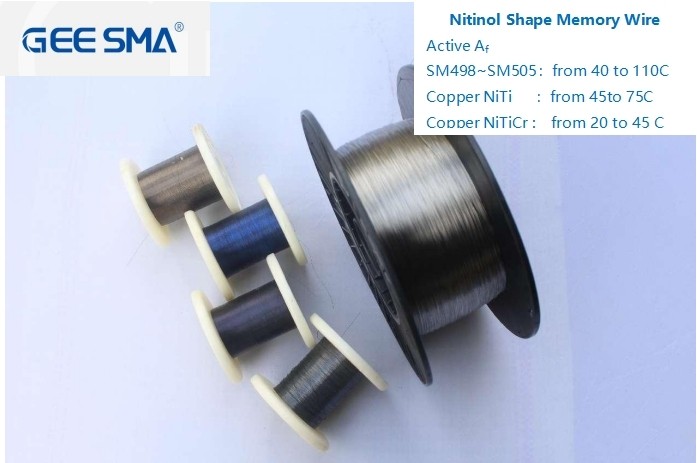
In the realm of space exploration, GEE SMA stands out as a pioneer in integrating shape memory alloys products into various missions. Their innovative applications of shape memory metals, particularly in extreme environments, have proven essential for the success of significant projects like the Chang’e-5 and Chang’e-6 missions. By harnessing the unique properties of titanium alloy and nickel alloy metals, GEE SMA ensures that their solutions can withstand the rigors of space travel.
Supporting Chang’e-5 and Chang’e-6 Missions
GEE SMA has played a crucial role in supporting China's ambitious lunar exploration efforts through its cutting-edge shape memory alloys products. The company provided essential components that utilize super elastic nitinol wire, enhancing the functionality and reliability of equipment used during these missions. This not only showcases the versatility of shape memory alloys but also highlights how they can adapt to varying conditions on the moon's surface.
The integration of shape memory metals into these missions has allowed for innovative mechanisms that respond dynamically to temperature changes and mechanical stress. For instance, specific components designed with Nitinol enable precise movements necessary for sample collection and analysis on lunar terrain. Such advancements underscore GEE SMA's commitment to pushing boundaries in aerospace engineering.
Ensuring Reliability in Extreme Conditions
Space is an unforgiving environment where materials must perform flawlessly under extreme conditions—this is where GEE SMA’s expertise shines through with their shape memory alloy solutions. The unique characteristics of titanium alloy and nickel alloy metals ensure that components maintain their integrity even when exposed to harsh temperatures and vacuum conditions found beyond Earth’s atmosphere. This reliability is paramount when every mission could mean groundbreaking discoveries or critical failures.
Moreover, super elastic nitinol wire is instrumental in creating systems that can endure significant stress without permanent deformation, making it ideal for use in spacecraft structures and mechanisms. This adaptability not only enhances operational safety but also contributes to mission longevity by reducing maintenance needs during long-duration space flights. By leveraging these advanced materials, GEE SMA helps secure a future where space exploration is safer and more efficient.
Tailored Solutions for Space Applications
Understanding that each mission presents unique challenges, GEE SMA offers tailored solutions specifically designed for diverse space applications involving shape memory alloys products. Their ability to customize components based on mission requirements showcases their deep understanding of both material science and aerospace engineering principles. From specialized actuators to adaptive structures made from shape metal technologies, every product reflects meticulous attention to detail.
GEE SMA’s innovations are not just about using existing technologies; they actively engage in research and development aimed at enhancing the performance characteristics of their offerings like titanium alloy variants specifically suited for low-gravity environments or high-radiation areas encountered on lunar or Martian surfaces. These bespoke solutions ensure that each component meets stringent industry standards while pushing technological boundaries further than ever before.
In summary, GEE SMA's contributions significantly enhance our capabilities in space exploration through innovative applications of shape memory alloys products tailored for extreme conditions—embracing both challenge and opportunity with every launch.
How GEE SMA Enhances Product Quality
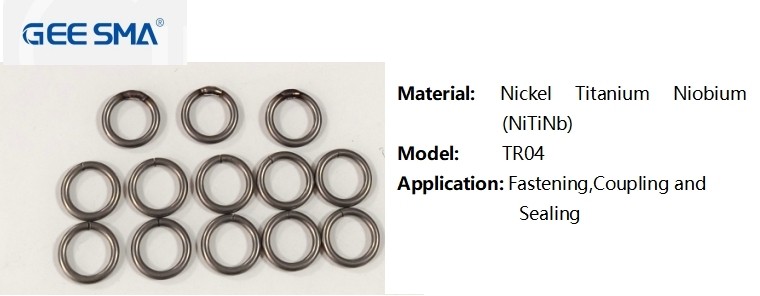
GEE SMA stands at the forefront of innovation in shape memory alloys products, ensuring that every offering meets the highest standards of quality and performance. By focusing on customer needs, GEE SMA tailors its shape memory alloy solutions to fit a diverse range of applications, from medical devices to aerospace technology. This commitment not only fosters customer satisfaction but also drives the continuous evolution of their shape memory metals.
Commitment to Customer Needs
At GEE SMA, understanding and addressing customer needs is paramount when developing shape memory alloys products. The company actively engages with clients to gather feedback, ensuring that their titanium alloy and nickel alloy metals are designed with practical applications in mind. This dedication creates a partnership where customers feel valued and understood, leading to innovative solutions that enhance product functionality.
Moreover, GEE SMA’s commitment extends beyond mere responsiveness; it involves anticipating future industry trends and challenges. By aligning their development processes with customer expectations, they ensure that their shape metal offerings remain relevant and effective in an ever-evolving market landscape. Ultimately, this approach solidifies GEE SMA's reputation as a leader in providing high-quality shape memory alloys products tailored for diverse industries.
Continuous Innovation in Materials Development
Innovation is the lifeblood of GEE SMA’s operations when it comes to advancing shape memory metals technology. The company invests heavily in research and development to create cutting-edge titanium alloy and nickel alloy solutions that push the boundaries of what is possible with these materials. This relentless pursuit of excellence leads to breakthroughs such as super elastic nitinol wire, which offers unparalleled flexibility and resilience.
GEE SMA’s focus on continuous innovation ensures that their customers benefit from the latest advancements in material science while maintaining high standards for product quality. Their team works diligently to refine existing products while exploring new avenues for improvement—making sure every new iteration enhances performance without compromising reliability or safety. As a result, clients can trust that they are receiving state-of-the-art shape memory alloys products designed for optimal efficiency.
Meeting Industry Standards and Regulations
In today's competitive landscape, adhering to industry standards and regulations is crucial for any manufacturer of shape memory alloys products. GEE SMA prioritizes compliance by implementing rigorous testing protocols throughout its production processes—ensuring that each batch meets or exceeds regulatory requirements for quality and safety. This meticulous attention to detail builds trust among clients who rely on these materials for critical applications across various sectors.
Moreover, GEE SMA collaborates closely with regulatory bodies to stay ahead of evolving compliance landscapes associated with titanium alloy and nickel alloy metals manufacturing practices. By doing so, they not only protect their customers but also contribute positively towards setting benchmarks within the industry itself regarding best practices for quality assurance in shape metal production processes. Ultimately, this commitment reinforces GEE SMA's position as a trusted provider of superior shape memory alloys products.
Conclusion
In wrapping up our exploration of shape memory alloys products, it’s clear that these remarkable materials are not just a passing trend but are poised to revolutionize various industries. With their unique properties and versatile applications, shape memory alloys like titanium and nickel alloy metals are paving the way for innovations that enhance functionality and efficiency. As we look ahead, the potential for further advancements in shape memory metals seems limitless.
The Future of Shape Memory Alloys Products
The future of shape memory alloys products is bright, with ongoing research promising even more sophisticated applications in diverse fields. Innovations in super elastic nitinol wire and other shape metal technologies will likely lead to breakthroughs in areas such as healthcare, aerospace, and robotics. As industries continue to push the boundaries of what’s possible with these materials, we can expect exciting developments that will redefine their role in everyday life.
Why Choose GEE SMA for Your Needs
Choosing GEE SMA means opting for quality and innovation when it comes to your shape memory alloy needs. With a commitment to customer satisfaction and continuous improvement in materials development, GEE SMA stands out as a leader in the field. Their expertise ensures that you receive not only superior products but also tailored solutions that meet the highest industry standards.
Transformative Impact on Various Industries
Shape memory alloys have already begun to transform various industries by offering solutions that were once thought impossible. From medical devices that adapt seamlessly within the human body to aerospace components designed to withstand extreme conditions, the impact is profound. As companies like GEE SMA continue to innovate with titanium alloy and nickel alloy metals, we can anticipate a future where these transformative materials play an even more integral role across multiple sectors.