

Introduction
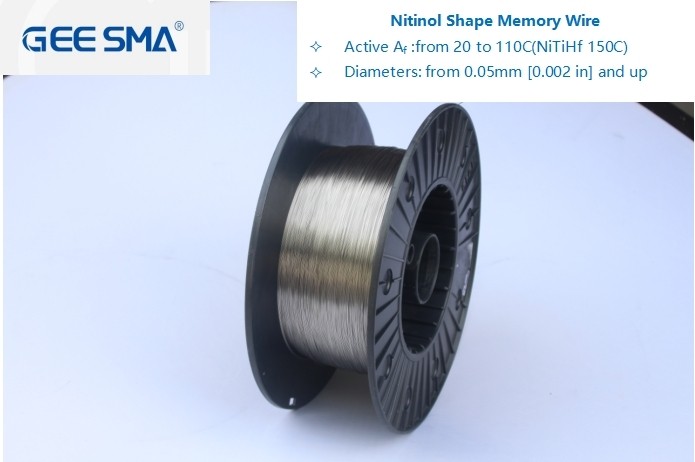
In a world where engineering marvels continuously reshape our everyday lives, the fascinating realm of shape memory alloys (SMAs) stands out as a particularly intriguing field. These materials possess the remarkable ability to return to a predetermined shape when exposed to specific temperatures, making them invaluable across various industries. Among these SMAs, Nitinol has emerged as the star performer, captivating engineers and researchers alike with its unique properties and diverse applications.
The Fascinating World of Shape Memory Alloys
Shape memory alloys are not just your run-of-the-mill metals; they exhibit extraordinary behaviors that can defy conventional expectations. The magic lies in their ability to remember a specific shape and revert back to it upon heating, thanks to their phase transformation properties. This fascinating capability opens the door for innovative applications of shape memory alloys in fields ranging from healthcare to aerospace engineering.
Nitinol: The Star of Shape Memory Alloys
Nitinol, an alloy composed primarily of nickel and titanium, is at the forefront of SMA technology due to its exceptional characteristics and versatility. Known for its impressive strength-to-weight ratio and biocompatibility, Nitinol is often used in medical devices such as stents and surgical tools—truly showcasing the potential of memory nitinol in life-saving applications. With products like nitinol rings and nitinol SE508 gaining traction, this alloy is solidifying its status as an indispensable material in modern engineering.
Practical Applications in Engineering Today
The practical applications of shape memory alloys are nothing short of revolutionary; Nitinol's adaptability allows it to enhance performance across various sectors. From automotive safety features that respond dynamically during crashes to aerospace innovations that improve actuation mechanisms, the possibilities are endless. As we delve deeper into how Nitinol alloy foil contributes to these advancements, it becomes clear that understanding nitinol temperature variations is crucial for optimizing performance in real-world scenarios.
Understanding the Basics of Shape Memory Alloys

Shape Memory Alloys (SMAs) are a fascinating class of materials that can return to a predetermined shape when subjected to specific temperature changes. This unique behavior arises from their ability to undergo phase transformations, which allows them to remember their original shape. Among these remarkable materials, Nitinol stands out due to its exceptional properties and diverse applications.
What are Shape Memory Alloys?
SMA alloys are metallic compounds that exhibit a remarkable phenomenon known as the shape memory effect. When deformed at lower temperatures, they can revert to their original configuration upon heating above a certain threshold, known as the Nitinol temperature. This phenomenon makes SMAs like Nitinol particularly useful in various fields, including medical devices and aerospace engineering, where precise movement is crucial.
The application of shape memory alloys extends beyond just returning to an original form; they can also provide actuation without the need for external power sources. For example, in medical devices such as stents or surgical tools, memory nitinol can expand or contract based on body temperature changes. This ability enhances functionality and reduces complications during procedures.
The Unique Properties of Nitinol
Nitinol is an alloy primarily composed of nickel and titanium, which gives it its distinctive properties compared to other SMAs. One notable feature is its superelasticity; this allows Nitinol rings and other components to undergo significant deformation without permanent damage when subjected to stress within certain limits. Additionally, the alloy exhibits biocompatibility, making it ideal for use in healthcare applications such as stents made from nitinol alloy foil.
Another unique property of Nitinol is its ability to operate efficiently across a range of temperatures while maintaining structural integrity. The specific composition can be adjusted to achieve desired characteristics tailored for particular applications—whether in extreme environments or everyday use cases like automotive parts or aerospace components. This versatility further solidifies Nitinol's status as a go-to material in many engineering sectors.
How SMA Alloys Work
The operation of SMA alloys hinges on their phase transformation between two distinct states: martensite and austenite. At lower temperatures (martensite), the structure is relatively soft and easily deformable; upon heating past the critical nitinol temperature, it transforms into a more rigid phase (austenite), returning to its original shape after deformation occurs. This transformation process is what enables SMAs like nitinol se508—an advanced variant—to perform tasks that require precise movements with minimal energy input.
When utilized effectively in applications ranging from actuators in automotive systems to innovative medical devices like self-expanding stents, SMA alloys demonstrate their potential for revolutionizing traditional designs through enhanced performance and efficiency. As researchers continue exploring new uses for these materials, we can expect exciting developments that leverage the unique characteristics of SMA shape memory alloy technology.
The Role of Nitinol in Medical Devices
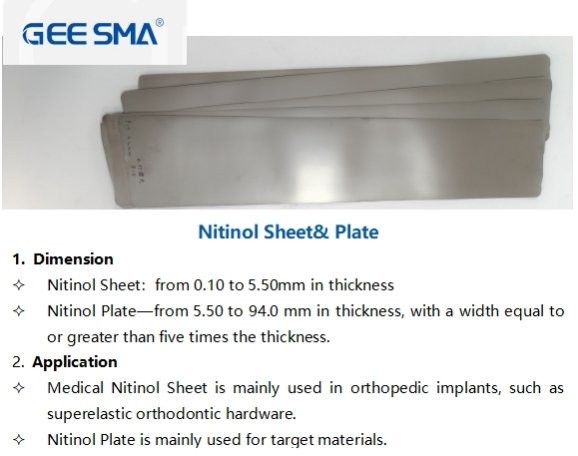
Nitinol, a remarkable shape memory alloy (SMA), has revolutionized the medical device industry with its unique properties and versatile applications. Its ability to return to a predetermined shape when heated makes it ideal for various medical instruments, particularly in minimally invasive procedures. This section explores how nitinol is utilized in stents and surgical tools, its benefits as a nitinol alloy foil, and some real-world success stories that highlight its impact on healthcare.
Nitinol in Stents and Surgical Tools
The application of shape memory alloys like nitinol in stents has transformed cardiovascular interventions. Nitinol stents are designed to expand once inserted into the body, adapting seamlessly to the vascular environment while maintaining structural integrity over time. Additionally, surgical tools made from memory nitinol offer enhanced flexibility and precision, allowing surgeons to navigate complex anatomies with ease.
In particular, the nitinol ring plays a crucial role in ensuring that these devices maintain their functionality under varying conditions within the human body. The unique properties of SMA alloys enable them to withstand significant stress without permanent deformation—a vital feature for any medical device operating within dynamic biological systems. As a result, nitinol's presence in surgical instruments not only improves patient outcomes but also reduces recovery times.
Benefits of Nitinol Alloy Foil in Healthcare
Nitinol alloy foil brings numerous advantages that enhance patient care and procedural efficiency. One key benefit is its biocompatibility; since it closely resembles human tissue properties, there is minimal risk of adverse reactions when used inside the body. Moreover, the lightweight nature of nitinol allows for easier handling during surgeries while still providing strength where needed.
Another significant advantage is related to temperature responsiveness—known as the nitinol temperature—which allows devices made from this material to change shape at specific thermal thresholds. This characteristic can be harnessed for innovative applications such as self-expanding stents or other implantable devices that require precise deployment mechanisms. Overall, these benefits make nitinol an invaluable asset in modern healthcare practices.
Real-World Success Stories
The success stories surrounding the application of shape memory alloys are both inspiring and illustrative of their potential impact on medicine. One notable example involves the use of nitinol se508 stents that have significantly improved blood flow recovery rates post-angioplasty procedures compared to traditional metal options. Patients have reported fewer complications and faster healing times due to these advanced devices.
Another compelling case includes surgical tools designed with memory nitinol technology that allow for less invasive approaches during complex surgeries—reducing trauma and promoting quicker recoveries for patients undergoing procedures like laparoscopic surgery or orthopedic repairs. These real-world examples underscore how SMA alloys are not just theoretical marvels but practical solutions enhancing lives every day.
Aerospace Advancements with SMA Alloys
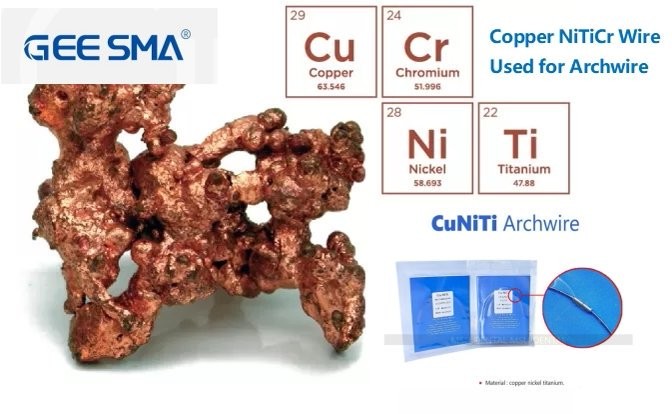
The aerospace industry is constantly evolving, and one of the most exciting advancements in recent years has been the application of shape memory alloys (SMAs), particularly Nitinol. This remarkable material exhibits unique properties that make it ideal for various aerospace applications, from actuators to structural components. The ability of Nitinol to return to its original shape when heated, known as the memory effect, allows for innovative designs that enhance performance and reliability in demanding environments.
Nitinol in Aerospace Engineering
Nitinol's role in aerospace engineering cannot be overstated; its lightweight nature combined with exceptional strength makes it a game-changer. Engineers are increasingly utilizing Nitinol rings and other components to create more efficient systems that can withstand extreme temperatures and pressures encountered during flight. As the demand for fuel efficiency grows, the application of shape memory alloys like Nitinol is becoming essential for developing lighter aircraft without compromising safety or performance.
Moreover, the versatility of nitinol alloy foil allows for intricate designs that would be impossible with traditional materials. These foils can be engineered to respond to specific temperature changes, enabling adaptive structures that enhance aerodynamics. In essence, Nitinol is not just a material; it's a catalyst driving innovation across aerospace engineering.
GEE SMA Contributions to Space Missions
Global Engineering Enterprises (GEE) has made significant strides in integrating SMA technology into space missions through their specialized use of nitinol se508 components. This particular alloy variant offers enhanced thermal stability and resilience against harsh space conditions, making it ideal for applications ranging from satellite mechanisms to spacecraft deployment systems. The application of shape memory alloys like nitinol se508 ensures that critical systems function reliably under extreme environmental stresses.
One notable contribution by GEE involves using SMA actuators in deploying solar panels on satellites, where precise movement is crucial for maximizing energy capture. These actuators utilize the unique properties of nitinol to achieve reliable operation without bulky motors or complex mechanical linkages—saving weight and increasing efficiency. As we venture further into space exploration, advancements like these highlight how SMAs are revolutionizing mission design and execution.
Innovations in Actuation Mechanisms
Actuation mechanisms are at the heart of many aerospace technologies, and innovations driven by SMA alloys are reshaping this field dramatically. By leveraging the unique characteristics of memory nitinol, engineers have developed compact actuation solutions capable of operating effectively under varying temperatures—a crucial factor given the temperature fluctuations experienced during flight and re-entry phases.
For instance, researchers are exploring how smart materials can replace conventional actuation systems with lighter-weight alternatives that offer greater reliability and lower maintenance needs. The potential applications range from wing morphing technology to deployable landing gear mechanisms—all utilizing nitinol's ability to change shape at predetermined temperatures effectively.
In conclusion, as we explore new frontiers in aerospace technology through innovative applications of shape memory alloys like Nitinol, we pave the way for safer and more efficient air travel while enhancing our capabilities beyond Earth’s atmosphere.
Automotive Applications of Shape Memory Alloys
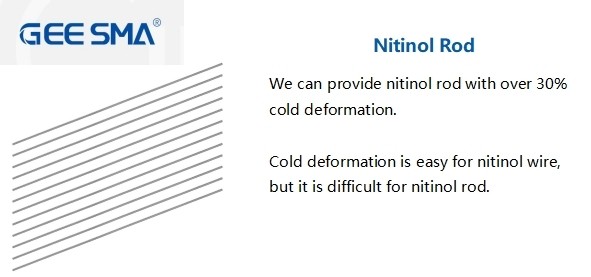
The automotive industry is increasingly embracing the application of shape memory alloys (SMAs), particularly Nitinol, due to their unique properties and versatility. Nitinol can transform its shape in response to temperature changes, making it an ideal candidate for various automotive applications, especially in actuators and safety features. With the growing demand for smarter and more efficient vehicles, the integration of Nitinol into automotive design is paving the way for innovative engineering solutions.
Nitinol in Actuators and Safety Features
Nitinol plays a crucial role in the development of actuators that enhance vehicle performance. Its ability to return to a predetermined shape when heated makes it perfect for applications where precise movements are essential, such as adjusting mirrors or seat positions automatically. Moreover, the incorporation of Nitinol rings in safety mechanisms can provide reliable deployment of airbags or seatbelt tensioners during collisions, ensuring enhanced passenger protection.
In addition to its actuation capabilities, Nitinol's inherent strength and lightweight properties contribute significantly to vehicle safety features. The combination of memory nitinol with advanced materials allows manufacturers to create components that are not only effective but also reduce overall vehicle weight—leading to improved fuel efficiency. As automakers continue exploring these benefits, we can expect even more innovative uses for this remarkable alloy.
Enhancing Performance and Efficiency
The application of shape memory alloys like Nitinol is revolutionizing how vehicles perform on the road by enabling smarter designs that adapt dynamically to driving conditions. For instance, SMA alloys can be utilized in adaptive suspension systems that adjust automatically based on terrain or driving style, providing a smoother ride while improving handling. This adaptability leads not only to enhanced performance but also contributes significantly to overall vehicle efficiency.
Furthermore, integrating nitinol alloy foil into engine components can optimize thermal management systems by controlling heat distribution effectively. By utilizing nitinol temperature changes strategically within engine designs, manufacturers can improve combustion efficiency and reduce emissions—addressing both performance demands and environmental concerns simultaneously. As these technologies evolve, they promise a future where every drive becomes an experience tailored specifically for optimal performance.
Case Studies in Auto Manufacturing
Several leading automotive manufacturers have begun implementing SMAs into their production lines with impressive results showcasing the potential impact of memory nitinol on modern vehicles. For example, one major car manufacturer successfully incorporated nitinol se508 into their active suspension system prototype; this innovation allowed real-time adjustments based on road conditions while enhancing comfort levels considerably during test drives. Such case studies highlight how nimble engineering solutions using SMA alloys pave new roads toward excellence in auto manufacturing.
Another notable example comes from an electric vehicle startup leveraging nitinol technology for battery management systems—allowing them greater control over thermal regulation through strategic placement within battery packs. This application not only enhances battery life but also ensures safety during high-performance scenarios when temperatures could otherwise become problematic. With each success story emerging from industry pioneers experimenting with SMA technologies like nitinol rings or foils further solidifies their place at the forefront of automotive innovation.
Future Trends in Shape Memory Alloys
The future of shape memory alloys (SMAs), particularly Nitinol, is brimming with potential as advancements in technology continue to unfold. Researchers are exploring innovative applications of shape memory alloys that go beyond traditional uses, opening doors to new industries and functionalities. As we delve into the emerging technologies with Nitinol, it’s clear that this remarkable material is set to redefine engineering solutions.
Emerging Technologies with Nitinol
One of the most exciting emerging technologies involving Nitinol is its integration into robotics, where the unique properties of SMA shape memory alloy can be harnessed for soft actuators. These actuators can mimic natural movements, offering a more flexible and adaptable approach compared to conventional rigid systems. Furthermore, the development of nitinol rings for various applications is gaining traction; these rings can be used in everything from medical devices to innovative fastening solutions.
In addition to robotics, researchers are investigating how Nitinol alloy foil can be utilized in smart textiles and wearables that respond dynamically to environmental stimuli or user needs. Imagine clothing that adjusts its fit based on temperature changes or physical activity—this is no longer just a dream! With the ability to manipulate nitinol temperature settings for different operational scenarios, these textiles could revolutionize personal comfort and functionality.
Moreover, advancements in 3D printing technology are paving the way for customized SMA components tailored specifically for individual needs. This means we could soon see personalized medical implants or specialized tools designed through precise additive manufacturing processes using memory nitinol—truly a game changer!
Potential Breakthroughs in Various Industries
The application of shape memory alloys isn't limited to healthcare and aerospace; it has far-reaching implications across numerous industries including automotive and construction. In automotive engineering, for instance, nitinol's ability to return to a predetermined shape under specific temperatures can enhance safety features like automatic seatbelt tensioners or adaptive suspension systems that adjust based on driving conditions.
In construction, SMA technology could lead to buildings equipped with self-repairing materials that react intelligently under stress or damage conditions—imagine structures that 'heal' themselves! The use of nitinol se508 components in structural reinforcements could also provide additional resilience against earthquakes or extreme weather events.
Furthermore, energy harvesting technologies utilizing SMAs are being explored as sustainable solutions for powering small devices through mechanical movements or temperature fluctuations. This innovative approach has the potential not only to reduce our reliance on batteries but also contribute significantly towards greener energy solutions across various sectors.
The Role of Research and Development
Research and development play an indispensable role in unlocking the full potential of SMAs like Nitinol by fostering collaboration among scientists, engineers, and industry stakeholders. Ongoing studies focus on enhancing the performance characteristics of SMA alloys while also reducing production costs—a crucial factor for widespread adoption across different markets.
Investments into R&D initiatives are vital as they pave the way for breakthroughs in material science that can lead to improved processing techniques or novel alloy compositions tailored specifically for niche applications. For example, fine-tuning the properties of nitinol alloy foil may yield enhanced fatigue resistance or biocompatibility crucial for long-term medical implants.
Ultimately, it's this synergy between innovation and practical application that will drive forward-thinking companies towards integrating advanced SMA technologies into their products—ensuring they remain competitive while simultaneously addressing real-world challenges faced by society today.
Conclusion

The world of engineering has been profoundly transformed by the advent of shape memory alloys (SMAs), particularly through the remarkable properties of Nitinol. These materials, with their unique ability to return to a predetermined shape when subjected to specific temperatures, have opened up new avenues for innovation across various sectors. As we reflect on the impact of SMAs, it’s clear that their applications are not just futuristic dreams but tangible solutions enhancing our daily lives.
The Impact of Shape Memory Alloys on Engineering
The application of shape memory alloys in engineering is nothing short of revolutionary. With Nitinol at the forefront, industries have harnessed its extraordinary qualities to develop devices and structures that adapt dynamically to changing conditions. Whether it’s a nitinol ring in medical devices or a nitinol alloy foil in aerospace components, the versatility and effectiveness of SMAs are reshaping our technological landscape.
Moreover, SMA alloys offer engineers innovative solutions that enhance performance while reducing weight and energy consumption. For instance, in automotive applications, Nitinol can be utilized for actuators that respond quickly to temperature changes, improving safety features significantly. The continued integration of SMAs into engineering practices promises not only efficiency but also groundbreaking designs that were previously unimaginable.
Nitinol's Versatility in Multiple Applications
Nitinol's versatility shines brightly across various fields—from medicine to aerospace and beyond—demonstrating its status as a game-changer among shape memory alloys. In healthcare, memory Nitinol provides unmatched benefits; its use in stents and surgical tools has revolutionized minimally invasive procedures by ensuring reliability and adaptability inside the human body. Similarly, nitinol se508 showcases how tailored compositions can meet specific needs across diverse applications.
In aerospace engineering, the application of shape memory alloys enables innovations such as morphing wings that adjust during flight for optimal performance. This adaptability is crucial for enhancing fuel efficiency while also improving overall aircraft safety and functionality. Furthermore, with ongoing research into new SMA technologies, we can expect even more groundbreaking uses for Nitinol and its counterparts.
Looking Ahead: The Future of SMA Alloys
The future trajectory of shape memory alloys looks exceptionally promising as research continues to uncover new possibilities for materials like Nitinol. Emerging technologies aim to expand their capabilities further—imagine smart structures that autonomously respond to environmental stimuli using advanced SMA systems! As industries evolve toward sustainability and efficiency, the role of SMA alloys will undoubtedly become even more critical.
Additionally, advancements in manufacturing techniques are paving the way for innovative applications ranging from wearables integrating nitinol alloy foil technology to next-gen automotive components utilizing nitinol temperature responses for enhanced safety features. With an ever-growing focus on research and development within this field, we stand on the brink of witnessing transformative breakthroughs driven by these remarkable materials.