

Introduction
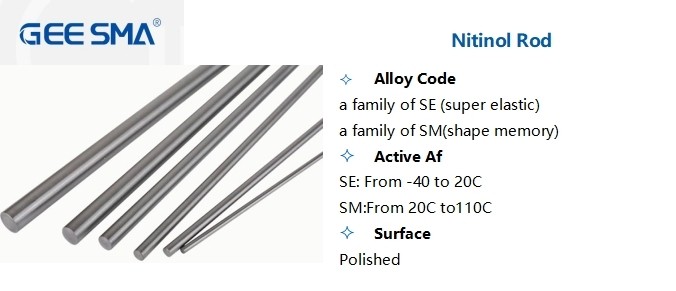
The realm of memory alloys is nothing short of captivating, with high temperature shape memory alloys (HTSMAs) leading the charge in innovative materials science. These unique alloys possess an incredible ability to return to their original shape after deformation when exposed to elevated temperatures, making them a game-changer across various industries. From aerospace engineering to medical devices, the applications of high temperature shape memory alloys are as diverse as they are groundbreaking.
The Fascinating World of Memory Alloys
Memory alloys, particularly high temperature shape memory alloys, have captured the imagination of scientists and engineers alike due to their remarkable properties. These materials can remember their original form and revert back when heated above a certain threshold—an effect known as the shape memory effect. This fascinating characteristic opens doors for countless applications where traditional materials fall short, especially in environments with extreme temperatures.
What Are High Temperature Shape Memory Alloys?
High temperature shape memory alloys are specialized metallic compounds that exhibit significant changes in mechanical properties at elevated temperatures. Unlike conventional SMA (shape memory alloy) materials that operate at lower temperatures, HTSMAs can function effectively in harsher conditions without losing their unique properties. This makes them ideal for demanding applications such as aerospace components and automotive systems where reliability is crucial.
Applications of High Temperature Shape Memory Alloys
The versatility of high temperature shape memory alloys is evident in their wide range of applications—from nitinol rings used in medical devices to nitinol alloy foil utilized in advanced robotics. In addition, these materials play a pivotal role in enhancing performance and efficiency across industries by enabling smart actuation systems that respond dynamically to changing conditions. As we explore further into this fascinating world, questions like is nitinol expensive? arise alongside discussions about its transformative potential in modern technology.
Understanding High Temperature Shape Memory Alloys
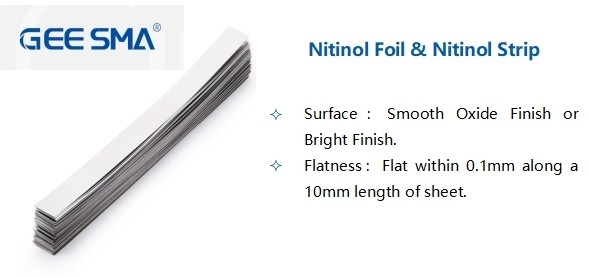
High temperature shape memory alloys (HTSMAs) are remarkable materials that can return to a predetermined shape when heated above a specific transition temperature. These alloys exhibit unique characteristics that set them apart from conventional metals and allow for innovative applications across various industries. By understanding their composition, functionality, and how they compare to traditional alloys, we can appreciate the potential of HTSMAs in modern technology.
Composition and Characteristics
High temperature shape memory alloys are typically composed of nickel and titanium, with varying ratios that influence their properties. Nitinol, a well-known type of SMA shape memory alloy, is particularly popular due to its excellent mechanical properties and biocompatibility. The addition of elements like copper or iron can enhance specific characteristics such as thermal stability or strength, making nitinol alloy foil versatile for diverse applications.
The defining feature of these alloys is their ability to undergo phase transformations between austenite and martensite phases at elevated temperatures. This transformation enables the memory effect that allows objects made from high temperature shape memory alloys to revert back to their original shape after being deformed. Such properties make these materials ideal for applications where reliability and performance under extreme conditions are crucial.
How They Work
The functionality of high temperature shape memory alloys hinges on their unique phase transformation behavior in response to changes in temperature. When heated above the nitinol temperature threshold, the alloy transitions from its deformed martensitic state back into its original austenitic form, effectively remembering its pre-deformed structure. This process generates significant forces that can be harnessed for mechanical work in various devices.
Memory nitinol exhibits this behavior with remarkable efficiency; it can undergo numerous cycles without losing its effectiveness or structural integrity. This resilience makes it an attractive choice for components like actuators or sensors in demanding environments such as aerospace or medical devices where reliability is paramount. As engineers continue to explore new formulations of HTSMAs, we may see even more innovative uses emerge.
Comparison to Conventional Alloys
When comparing high temperature shape memory alloys with conventional metals, several key differences emerge that highlight the advantages of HTSMAs like nitinol se508. While traditional alloys may exhibit predictable responses under stress or heat, HTSMAs offer dynamic behaviors that allow them to adapt effectively under varying conditions—an invaluable trait in many engineering applications.
Conventional materials often lack the ability to revert back to a predefined state after deformation; once bent or twisted beyond a certain point, they remain permanently altered unless repaired or replaced entirely. In contrast, high temperature shape memory alloys such as nitinol ring retain their functional capabilities over time due to their unique thermal properties and inherent memory. Consequently, while some might wonder if nitinol is expensive compared to standard metals—its long-term durability often justifies any initial cost by reducing maintenance needs and enhancing overall performance.
The Role of Nitinol in High Temperature Applications
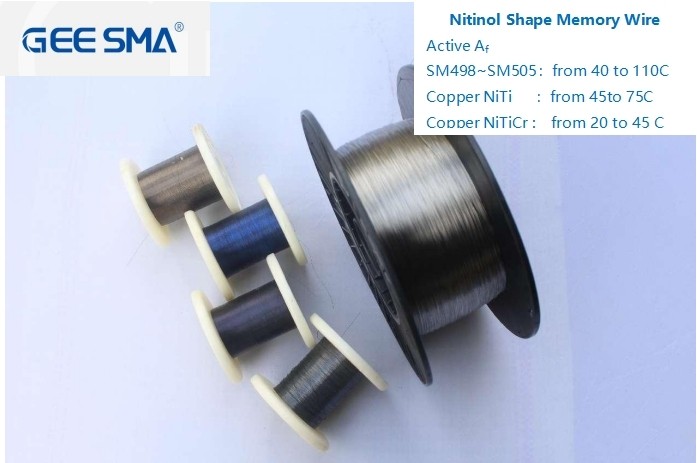
Nitinol, a unique alloy primarily composed of nickel and titanium, plays a pivotal role in the realm of high temperature shape memory alloys (HTSMAs). Known for its remarkable ability to return to a pre-defined shape when heated, nitinol exhibits properties that make it ideal for various high-temperature applications. Its versatility is evident in its use across multiple industries, from aerospace to medical devices.
Nitinol Basics and Properties
Nitinol is celebrated for its distinct phase transformation characteristics, which allow it to exhibit both shape memory and superelasticity. This means that when subjected to specific temperatures—known as the nitinol temperature—this alloy can remember its original form after being deformed. Additionally, nitinol alloy foil can be manufactured into intricate shapes such as nitinol rings or other components that are crucial for various engineering applications.
One of the standout properties of nitinol is its ability to operate effectively at elevated temperatures without losing functionality. In high temperature shape memory alloys, this resilience is essential for maintaining structural integrity under stress and heat. Consequently, these properties make nitinol an invaluable asset in environments where conventional materials might fail.
Why Nitinol Is Used
The unique combination of strength, flexibility, and thermal responsiveness makes nitinol a preferred choice over traditional materials in many applications. For instance, in the aerospace industry, high temperature shape memory alloys like nitinol are utilized due to their lightweight nature and ability to withstand extreme conditions without compromising performance. Furthermore, medical devices often rely on memory nitinol for stents or guidewires because they can adapt seamlessly within the human body while maintaining their mechanical properties.
Another reason why engineers favor using nitinol is its ease of customization; designs can be tailored specifically to meet project requirements without extensive modifications or redesigns. This adaptability extends beyond just physical forms; it also encompasses performance characteristics that can be fine-tuned through alloy composition variations like those seen with the popular nitinol se508 variant. Thus, whether it's a precise component in robotics or an innovative solution in biotechnology, the demand for this material continues to grow.
Is Nitinol Expensive?
When considering whether is nitinol expensive, it's important to weigh the cost against performance benefits it brings compared to conventional materials. While initial investment costs may be higher due to complex manufacturing processes and raw material sourcing challenges associated with high temperature shape memory alloys like nitinol, many find that long-term savings outweigh these upfront expenses. The durability and reliability provided by components made from this alloy often lead to reduced maintenance costs over time.
Moreover, as technology advances and production methods improve efficiency, prices for products like nitinol alloy foil have become more competitive within various markets. Businesses looking at options such as custom-made components—including those crafted from memory nitinol—should consider not just immediate costs but also potential returns on investment through enhanced functionality and longevity offered by these advanced materials. Ultimately, while initial pricing may raise eyebrows initially when discussing is nitinol expensive, strategic advantages could justify any perceived premium.
Real-World Applications of Nitinol Shape Memory Alloys
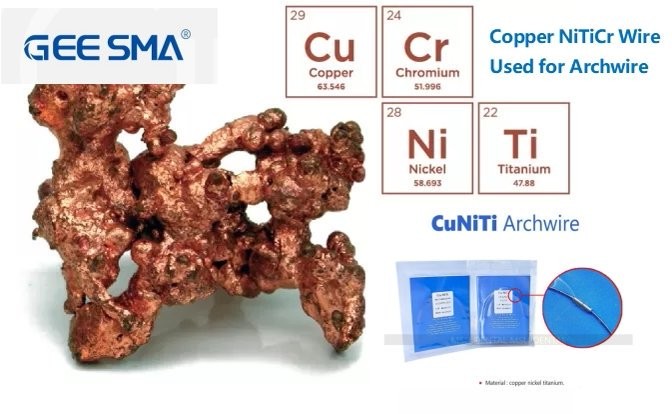
Nitinol shape memory alloys have carved a niche for themselves across various industries due to their unique properties and capabilities. From aerospace innovations to medical devices, the versatility of high temperature shape memory alloys is nothing short of remarkable. Let's dive into some real-world applications that showcase the transformative power of nitinol.
Aerospace and Automotive Innovations
In the aerospace sector, nitinol is revolutionizing how we design components that can withstand extreme conditions without compromising performance. High temperature shape memory alloys are utilized in actuators and control systems where reliable movement and minimal weight are essential. For automotive applications, nitinol components like exhaust valves and adaptive suspension systems enhance efficiency while providing significant weight savings—making them a favorite among manufacturers looking to innovate without breaking the bank.
However, one might wonder: is nitinol expensive? While it can be pricier than conventional materials initially, its long-term benefits in terms of durability and maintenance often outweigh upfront costs. The ability of nitinol to return to its original shape after deformation makes it an ideal choice for applications where reliability is paramount.
Medical Devices and Biotechnology
The medical field has embraced memory nitinol for its biocompatibility and unique properties that enable groundbreaking advancements in therapeutic devices. Nitinol's ability to change shape at specific temperatures allows for innovative solutions such as self-expanding stents or guidewires that navigate complex anatomical structures with ease. Moreover, products made from nitinol alloy foil are lightweight yet robust, making them ideal for minimally invasive surgeries.
In addition to stents, nitinol rings are used in various orthodontic applications due to their ability to maintain desired shapes under varying conditions—effectively improving patient comfort during treatment. The combination of high temperature shape memory alloys with cutting-edge technology continues to open new doors in biotechnology, offering life-saving solutions that were once thought impossible.
Nitinol in Robotics and Automation
The robotics industry has found a valuable ally in high temperature shape memory alloys like nitinol, which provide unique advantages over traditional actuators or motors. With their capacity for precise movement when subjected to thermal stimuli, these materials allow robots to perform intricate tasks more efficiently than ever before. Whether it's soft robotics mimicking natural movements or automated systems requiring rapid response times, memory nitinol plays a crucial role in enhancing functionality.
Nitinol se508 is one example where this alloy's exceptional properties have been leveraged for advanced robotic applications—providing strength while maintaining flexibility when needed most. As industries continue pushing the boundaries of automation technology, the demand for innovative materials like SMA shape memory alloy will only grow stronger.
Exploring Memory Nitinol and Its Versatility
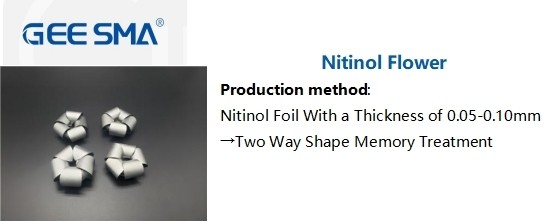
Memory Nitinol, a fascinating subset of high temperature shape memory alloys, showcases remarkable properties that make it stand out in various applications. This unique material can return to a predetermined shape when heated above a specific temperature, demonstrating the memory effect that is characteristic of SMA shape memory alloys. Understanding these properties is crucial for harnessing the full potential of memory Nitinol in innovative designs.
Memory Effects Explained
The memory effect in Nitinol occurs due to its unique crystalline structure, which allows it to remember its original form after being deformed. When subjected to heat—often exceeding the nitinol temperature threshold—this alloy undergoes a phase transformation that restores its intended shape. This remarkable ability not only makes high temperature shape memory alloys highly versatile but also opens doors for creative applications across diverse fields.
Nitinol Alloy Foil and Its Uses
Nitinol alloy foil is an essential component of many advanced technologies due to its flexibility and durability. This thin material can be shaped into various forms, such as nitinol rings or intricate components for medical devices, providing both strength and adaptability. Applications range from stents in healthcare to sensors in robotics, showcasing how this unique foil embodies the versatility of high temperature shape memory alloys.
Nitinol Temperature Transition
The nitinol temperature transition plays a critical role in determining how effectively this material performs under different conditions. By carefully controlling the composition and processing of nitinol, manufacturers can tailor the transition temperatures to suit specific applications—making it ideal for environments where traditional materials might fail. As we continue to explore the capabilities of high temperature shape memory alloys, understanding these thermal characteristics will be key to unlocking new innovations.
GEE SMA: Pioneering Nitinol Solutions

When it comes to high temperature shape memory alloys, GEE SMA stands out as a leader in innovation and application. This company specializes in developing advanced nitinol solutions that cater to a variety of industries, pushing the boundaries of what shape memory alloys can achieve. With a focus on quality and customization, GEE SMA is redefining how we think about nitinol's potential.
Introduction to GEE SMA
GEE SMA is at the forefront of creating cutting-edge solutions using high temperature shape memory alloys, particularly nitinol. By harnessing the unique properties of this remarkable material, they have developed products that not only meet but exceed industry standards. Their commitment to research and development ensures that every nitinol ring or nitinol alloy foil produced is engineered for optimal performance and durability.
The versatility of GEE SMA’s offerings makes them an ideal partner for various applications, from aerospace to medical devices. Their innovative approach incorporates the latest technology in memory nitinol production, ensuring that clients receive state-of-the-art products tailored to their specific needs. In an era where efficiency and reliability are paramount, GEE SMA’s dedication positions them as a trusted name in the field.
Nitinol in Space Missions
One of the most exciting applications for high temperature shape memory alloys like nitinol is found within space missions. The unique properties of nitinol allow it to perform exceptionally well under extreme conditions—think temperature fluctuations and intense pressure—making it an ideal material for spacecraft components. Whether it’s used in actuators or deployable structures, nitinol's ability to return to its original shape after deformation is invaluable for ensuring mission success.
GEE SMA has played a pivotal role by supplying specialized nitinol se508 components designed specifically for aerospace applications. These components are rigorously tested to withstand the harsh environments encountered during space travel while maintaining functionality and reliability over time. As space exploration continues to evolve, the demand for durable materials like high temperature shape memory alloys will only increase.
By leveraging advancements in manufacturing techniques, GEE SMA ensures that their products remain competitively priced without compromising quality—addressing concerns like is nitinol expensive? effectively through innovative design processes and economies of scale. This strategic focus allows them not only to support current missions but also pave the way for future explorations beyond our planet.
Commitment to Quality and Customization
At GEE SMA, quality isn’t just a buzzword; it’s embedded into every aspect of their operations when working with high temperature shape memory alloys such as nitinol alloy foil or other custom shapes like rings or wires. Each product undergoes rigorous testing procedures designed to guarantee performance under specified conditions—ensuring they meet client expectations every time they deliver a product into the field.
Customization is another cornerstone of GEE SMA’s philosophy; they understand that one size does not fit all when it comes to applications involving memory nitinol materials. Clients can collaborate directly with engineers who specialize in tailoring solutions based on specific requirements—from dimensions down through mechanical properties—to create precisely what they need without unnecessary delays or complications.
With ongoing investments in research coupled with feedback from customers across various sectors—including robotics and biotechnology—GEE SMA continually refines its offerings while providing education about how best utilize these advanced materials effectively within their projects moving forward into tomorrow's innovations involving high temperature shape memory alloys!
Conclusion

In wrapping up our exploration of high temperature shape memory alloys, it is clear that these materials are not just a scientific novelty but a transformative technology with vast potential. As industries continue to evolve, the demand for innovative solutions will drive further advancements in shape memory alloys, particularly nitinol. This remarkable material promises to redefine standards across various sectors, making it an exciting area for future research and development.
The Future of High Temperature Shape Memory Alloys
The future of high temperature shape memory alloys looks promising as researchers delve deeper into their unique properties and applications. With ongoing advancements in metallurgy and processing techniques, we can expect enhanced performance characteristics from materials like nitinol. Furthermore, the integration of smart technologies with these alloys could lead to intelligent systems capable of self-repair or adaptive functionalities in real-time.
Innovations on the Horizon
Innovations on the horizon include new formulations of nitinol that enhance its temperature transition capabilities and expand its usability in extreme environments. For instance, developments such as nitinol se508 demonstrate how tailored compositions can improve mechanical properties while reducing costs associated with production—addressing concerns like is nitinol expensive? directly. Additionally, applications in fields such as aerospace and medical devices are set to benefit significantly from breakthroughs like advanced nitinol alloy foil designs that promise increased durability and efficiency.
Why Choose Nitinol for Your Next Project
Choosing nitinol for your next project is a decision rooted in versatility and reliability; its unique memory effects make it ideal for a variety of applications ranging from robotics to biomedical devices. The ability to create components like nitinol rings that respond dynamically to environmental changes offers engineers unprecedented design flexibility. Moreover, with the growing body of research surrounding high temperature shape memory alloys, selecting nitinol ensures you're at the forefront of innovation—a choice that can elevate your project’s success.