

Introduction
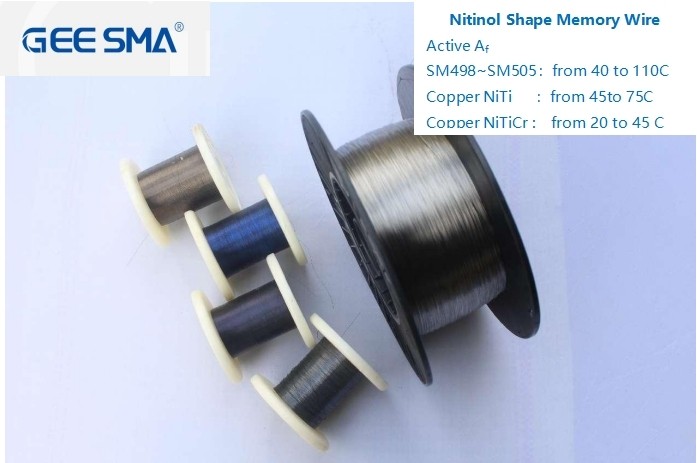
In the realm of advanced materials, few can rival the remarkable capabilities of Nitinol shape memory alloys. These innovative materials possess a unique ability to return to a predetermined shape when subjected to specific temperature conditions, thanks to what is known as the shape memory effect. As we delve into the intricacies of shape memory alloy wire and its properties, we uncover not only how these materials work but also their transformative applications across various industries.
Understanding Nitinol Shape Memory Alloys
Nitinol, an alloy primarily composed of nickel and titanium, is a quintessential example of a shape memory alloy that exhibits extraordinary properties. This fascinating material can remember its original form after being deformed, showcasing one of the most intriguing aspects of shape materials: their ability to undergo phase transformations in response to temperature changes. Understanding Nitinol's composition and behavior is crucial for harnessing its potential in diverse applications ranging from medical devices to robotics.
The Unique Properties of Shape Memory Materials
What sets shape memory alloys apart from conventional metals are their unique properties that stem from their atomic structure and phase transformation capabilities. The most notable characteristic is the shape memory effect, which allows these materials to revert back to their original configuration upon heating after being deformed at lower temperatures. Additionally, Nitinol exhibits superelasticity—a phenomenon where it can be stretched significantly without permanent deformation—making it an ideal candidate for various engineering applications.
Applications of Shape Memory Alloy Wire
The versatility of shape memory alloy wire opens doors to groundbreaking innovations across multiple sectors. In medicine, for instance, Nitinol is used in stents and guidewires that adapt seamlessly within the human body due to their responsive nature. Beyond healthcare, aerospace engineers are leveraging the unique properties of shape memory alloys for mission-critical components that require reliability under extreme conditions—demonstrating just how pivotal these advanced materials have become in modern technology.
What is Nitinol?
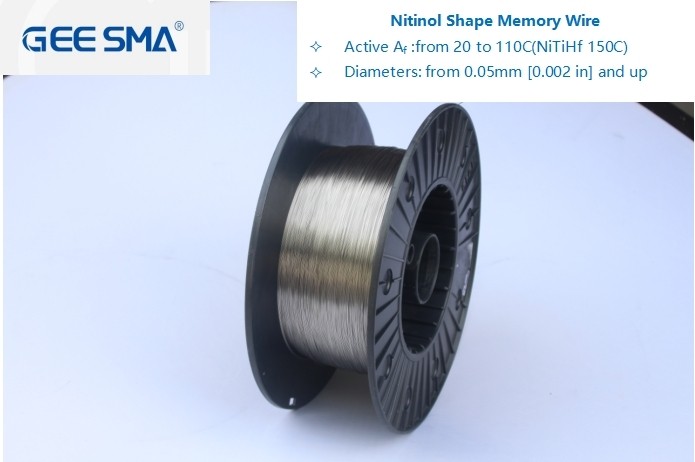
Nitinol is a remarkable material that falls under the category of shape memory alloys, known for its unique ability to return to a predetermined shape when heated past a specific temperature. This fascinating property stems from the alloy's composition, primarily consisting of nickel and titanium, which allows it to exhibit both superelasticity and the shape memory effect. The combination of these characteristics makes Nitinol an exceptional choice for various applications across multiple industries.
Definition and Composition
At its core, Nitinol is defined as a nickel-titanium shape memory alloy that can remember its original form after being deformed. The composition typically contains around 55% nickel and 45% titanium, leading to its distinctive properties. This specific ratio plays a crucial role in enabling the shape memory effect, allowing the material to undergo phase transformations under varying temperatures.
History of Nitinol Development
The journey of Nitinol began in the early 1960s when it was discovered by researchers at the Naval Ordnance Laboratory in Maryland. Its name is derived from its composition (Nickel Titanium) and the location of its discovery (Naval Ordnance Laboratory). Since then, advancements in processing techniques have expanded our understanding of this extraordinary shape memory alloy, paving the way for innovative uses in fields such as medicine and aerospace.
Key Characteristics of Nitinol
Nitinol boasts several key characteristics that set it apart from other materials, making it ideal for applications requiring flexibility and resilience. One primary feature is its ability to undergo significant deformation while still returning to its original shape upon heating—a phenomenon known as the shape memory effect. Additionally, Nitinol exhibits superelasticity at certain temperatures, allowing it to absorb energy without permanent deformation; this unique combination highlights why researchers are continually exploring new possibilities for utilizing this versatile shape material.
The Science Behind the Shape Memory Effect
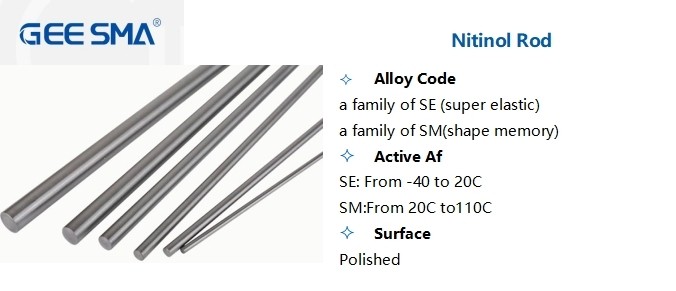
Shape memory alloys (SMAs), particularly Nitinol, exhibit a fascinating phenomenon known as the shape memory effect. This remarkable property allows these materials to return to a predetermined shape when subjected to specific thermal conditions. Understanding the science behind how shape memory works is crucial for harnessing its potential in various applications.
How Shape Memory Works
At its core, the shape memory effect relies on the unique atomic structure of shape memory alloys. When deformed at a lower temperature, these materials undergo a transformation that locks them into a new shape. Upon heating above a certain threshold, the atomic arrangement shifts back to its original configuration, allowing the material to remember and revert to its initial form.
This transition is not just about heat; it also involves precise control over temperature and stress levels. The interplay between thermal energy and mechanical deformation plays a pivotal role in activating the shape memory effect in SMA wire. By carefully managing these factors, engineers can design systems that utilize this property effectively, from medical devices to aerospace innovations.
Phase Transformation of Shape Materials
The phase transformation process is central to understanding how shape materials operate under different conditions. In SMAs like Nitinol, there are two primary phases: martensite and austenite. Martensite is the low-temperature phase where the material can be easily deformed; when heated above a critical temperature, it transforms into austenite, regaining its original structure and properties.
This transformation isn't merely physical; it's an intricate dance at the atomic level that defines how these alloys behave under stress and temperature changes. The ability of shape memory alloy wire to switch between these phases allows for versatile applications where precise movements are essential—be it in stents or robotic actuators.
Factors Influencing Shape Memory Alloy Properties
Several factors influence the properties of shape memory alloys and their performance in various applications. Composition plays a significant role; even slight variations in alloying elements can dramatically affect transition temperatures and mechanical strength of SMAs like Nitinol. Additionally, processing techniques such as heat treatment or cold working can further refine these properties.
Environmental factors such as temperature fluctuations also impact how well an SMA performs its intended function—too much heat or cold can hinder its ability to revert shapes effectively. Thus, understanding these influencing factors enables engineers and designers to optimize their use of shape memory materials across diverse fields—from medical implants that respond dynamically within the body to aerospace components that adapt during flight.
Applications of Nitinol Shape Memory Alloy Wire
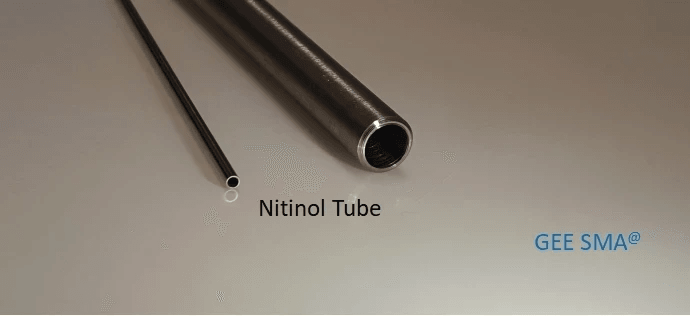
Nitinol shape memory alloy wire has carved a niche for itself across various industries due to its unique properties and versatility. This remarkable material is not just a scientific curiosity; it plays an integral role in real-world applications that enhance functionality and efficiency. From medical devices to aerospace innovations, the shape memory effect of Nitinol is transforming how we approach engineering challenges.
Medical Devices and Implants
In the realm of medical devices, Nitinol shape memory alloy wire shines brightly due to its biocompatibility and excellent mechanical properties. Its ability to return to a predetermined shape when heated makes it ideal for stents, guidewires, and orthopedic implants, where precision and reliability are crucial. The shape memory effect ensures these devices can navigate complex pathways in the human body before expanding or contracting as needed, leading to improved patient outcomes.
Moreover, the elasticity of Nitinol allows for minimal invasiveness during procedures, which is a game-changer in modern medicine. Surgeons appreciate how easy it is to manipulate this shape material without compromising its integrity or performance. As research continues into advanced applications, we can expect even more innovative uses for Nitinol in healthcare.
Aerospace Innovations and Missions
The aerospace industry has embraced Nitinol shape memory alloys for their lightweight yet robust characteristics that contribute significantly to mission success. Engineers utilize these materials in actuators and control surfaces where precise movements are essential for flight stability and maneuverability. The unique properties of shape memory alloys allow them to withstand extreme conditions while maintaining their functionality throughout demanding missions.
Notably, Nitinol's adaptability makes it suitable for applications such as deployable structures on spacecraft or satellites that require reliable performance under varying temperatures. As space missions become increasingly ambitious—think Mars rovers or lunar landers—Nitinol’s ability to perform under pressure will be critical for future innovations in aerospace technology. With ongoing advancements in this field, the potential uses for shape materials continue to expand dramatically.
Robotics and Actuation Systems
Robotics is another area where Nitinol's extraordinary capabilities are being harnessed effectively through the use of shape memory alloy wire. The actuation systems powered by these materials provide lightweight solutions with high force-to-weight ratios that traditional motors cannot achieve easily. This characteristic not only enhances robot mobility but also improves energy efficiency by reducing power consumption during operation.
In addition, the flexibility offered by Nitinol allows robots to adapt their shapes dynamically based on environmental conditions or tasks at hand—a feature that could revolutionize how robots interact with their surroundings. As engineers explore new designs incorporating these innovative materials, we can anticipate a future filled with smarter robots capable of performing complex tasks more efficiently than ever before using advanced shape memory technologies.
GEE SMA: A Leader in Nitinol Production
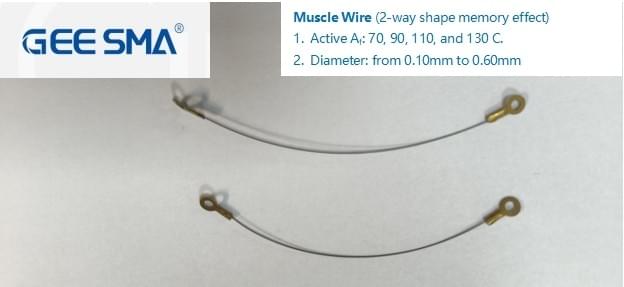
In the realm of shape memory alloys, GEE SMA stands out as a beacon of excellence and innovation. Their dedication to producing high-quality shape memory alloy wire has set new standards in various industries, including medical, aerospace, and robotics. With a focus on pioneering advancements, GEE SMA is not just a manufacturer but a partner in pushing the boundaries of what shape memory materials can achieve.
Commitment to Quality and Innovation
At GEE SMA, quality isn't just a buzzword; it's woven into the very fabric of their operations. The company employs rigorous testing protocols to ensure that their shape memory alloy properties meet or exceed industry standards. By investing in cutting-edge technology and research, GEE SMA continuously refines its production processes to enhance the performance and reliability of their shape memory materials.
Innovation is at the heart of GEE SMA's philosophy. They understand that the future relies on developing new applications for shape memory alloys, which is why they actively engage in collaborative research projects with universities and industry leaders. This commitment not only propels advancements in shape materials but also ensures that clients receive top-tier solutions tailored to their specific needs.
Custom Solutions for Diverse Needs
One size doesn’t fit all when it comes to applications involving shape memory alloy wire. Recognizing this fact, GEE SMA specializes in providing custom solutions designed to meet diverse industry requirements. Whether it's tailoring dimensions or modifying properties of the alloy for unique applications, their team works closely with clients to deliver precisely what they need.
The versatility of shape memory alloys allows for an array of applications across different sectors—from intricate medical devices that respond dynamically within the human body to innovative aerospace components designed for extreme conditions. By understanding each client's goals and challenges, GEE SMA crafts solutions that leverage the distinct advantages offered by shape materials effectively.
Moreover, their ability to adapt quickly to emerging trends ensures that customers remain at the forefront of technological advancements in fields like robotics and automation systems. With custom-designed products backed by extensive expertise in shape memory effects, clients can confidently pursue groundbreaking projects knowing they have reliable support from GEE SMA.
Impact on Aerospace Missions like Chang’e-5
GEE SMA's contributions extend beyond commercial markets; they play a significant role in pivotal aerospace missions such as China’s Chang’e-5 lunar exploration program. The reliability and performance characteristics inherent in Nitinol make it an ideal candidate for critical components used during these ambitious missions—where precision is paramount.
The use of shape memory alloys within spacecraft systems enhances operational efficiency while minimizing weight—a crucial factor when launching payloads into orbit or beyond. For instance, actuators made from Nitinol can adjust mechanisms under varying temperatures encountered during space travel without requiring complex controls or heavy actuating systems.
As we look toward future explorations beyond our planet, collaborations between organizations like GEE SMA and aerospace entities will continue shaping how we explore space using advanced technologies rooted in innovative materials like Nitinol-based shape memory alloy wire.
Future Trends in Shape Memory Alloys

The future of shape memory alloys (SMAs) is bright, with ongoing advancements that promise to enhance their applications across various fields. Innovations in shape memory alloy wire technology are leading to smarter, more efficient materials that can respond dynamically to environmental changes. As researchers delve deeper into the science of shape materials, we can expect breakthroughs that will redefine how these alloys are used in everyday applications.
Advancements in Shape Memory Technologies
Recent advancements in shape memory technologies are making waves, particularly in the development of new alloys and composite materials. These innovations aim to improve the performance and reliability of shape memory alloy properties, allowing for greater versatility and functionality. Enhanced processing techniques are also emerging, enabling manufacturers to create more precise and customizable shapes that can better exploit the unique characteristics of the shape memory effect.
Moreover, integration with digital technologies such as AI is paving the way for smart materials that can adapt their behavior based on real-time feedback from their environment. This leap forward could revolutionize industries ranging from healthcare to aerospace by providing solutions that were previously unimaginable. As we continue to explore these technological frontiers, the potential applications for shape memory alloy wire will expand exponentially.
Emerging Markets for Shape Memory Materials
The demand for shape memory materials is on an upward trajectory, spurred by their diverse applications across various sectors. Emerging markets such as robotics and wearable technology are becoming hotspots for innovation involving shape memory alloys due to their lightweight nature and ability to return to a predetermined form when activated. Companies are increasingly recognizing the value of incorporating SMAs into products designed for consumer convenience and enhanced functionality.
In addition to robotics and wearables, industries like automotive manufacturing are beginning to explore how shape materials can be utilized for smart components that respond automatically under different conditions—think self-adjusting seats or adaptive suspension systems. The versatility of these alloys makes them ideal candidates for next-generation products aimed at improving user experience while maintaining efficiency. As these markets grow, so too does the need for high-quality shape memory alloy wire tailored specifically for new applications.
Sustainability in Alloy Production
Sustainability is becoming a crucial focus within the production processes of all materials—including those used in creating shape memory alloys. Manufacturers are actively seeking ways to reduce waste during production while sourcing raw materials responsibly; this trend aligns with global efforts toward sustainable manufacturing practices. By minimizing environmental impact through recycling initiatives and energy-efficient processes, companies can ensure a greener future while still meeting rising demands.
Additionally, researchers are investigating bio-inspired designs using renewable resources which could lead to innovative alternatives within the realm of SMAs without compromising performance or durability. The intersection of sustainability with advanced material science could yield exciting developments not only in how we produce but also how we utilize these remarkable alloys effectively over time. The evolution towards eco-friendly practices will undoubtedly enhance the reputation of shape memory alloy wire as a forward-thinking choice for projects committed to sustainability.
Conclusion

In wrapping up our exploration of shape memory alloys, it’s clear that these remarkable materials hold a unique position in the world of engineering and innovation. The versatility of shape memory alloy wire allows it to be used in a myriad of applications, from medical devices to aerospace technologies. With their ability to “remember” specific shapes and revert back when triggered, shape materials are not just fascinating; they are transformative.
The Versatility of Shape Memory Alloys
Shape memory alloys exhibit an impressive range of functionalities that make them indispensable across various industries. Their ability to undergo phase transformations means that they can adapt and respond dynamically to external stimuli, which is particularly useful in applications requiring precision and reliability. Whether it's in the delicate mechanisms of surgical tools or the robust systems used in aerospace missions, the properties of shape memory materials ensure performance and efficacy.
GEE SMA’s Role in Technological Advancements
GEE SMA stands at the forefront of Nitinol production, driving innovation through quality craftsmanship and cutting-edge technology. Their commitment to developing custom solutions showcases how shape memory alloy wire can be tailored for specific needs, enhancing functionality across diverse sectors. Notably, GEE SMA's contributions have significantly impacted high-stakes projects like China's Chang’e-5 mission, proving that their work with shape materials goes beyond mere production—it shapes the future.
Why Choose Shape Memory Alloy Wire for Projects
When selecting materials for innovative projects, choosing shape memory alloy wire is a decision backed by its proven advantages. The unique properties inherent to shape memory alloys provide unmatched reliability and adaptability essential for modern engineering challenges. By integrating these advanced materials into your designs, you not only leverage their exceptional capabilities but also position your projects at the cutting edge of technology.