

Introduction

In the ever-evolving landscape of modern medicine, nitinol tubes have emerged as a revolutionary force, transforming how healthcare professionals approach various medical challenges. These remarkable structures, made from a unique combination of nickel and titanium known as shape memory alloy, exhibit extraordinary properties that make them indispensable in numerous applications. The advent of nitinol tubing has not only enhanced the efficacy of medical devices but also improved patient outcomes across a spectrum of treatments.
The Revolution of Nitinol Tubes in Medicine
Nitinol tubes represent a significant leap forward in medical technology, offering unparalleled flexibility and resilience that standard materials simply cannot match. This innovative use of shape memory alloy allows these tubes to adapt to complex anatomical shapes while maintaining structural integrity under stress. As healthcare continues to prioritize minimally invasive procedures, the role of nitinol material becomes increasingly critical for both surgeons and patients alike.
Why Shape Memory Alloy Matters
The importance of shape memory alloys like nitinol lies in their ability to return to a predetermined shape when subjected to specific temperatures or conditions. This remarkable characteristic enables nitinol wire and tubing to function effectively in dynamic environments within the human body, providing solutions that enhance both performance and safety. In an era where precision is paramount, understanding the significance of these metals can lead to innovations that redefine patient care.
Applications of Nitinol Tubing in Healthcare
Nitinol tubing finds its way into various medical applications, from stents and guidewires used in cardiovascular procedures to orthopedic implants designed for long-term stability. Its biocompatibility ensures that these devices work harmoniously with human tissue, reducing complications and improving recovery times for patients. As research continues to unveil new possibilities for this versatile material, the future looks bright for nitinol tubes in addressing emerging healthcare needs.
Understanding Nitinol Material

Nitinol is a remarkable material that has revolutionized various fields, particularly medicine. This unique metal alloy, primarily composed of nickel and titanium, is renowned for its extraordinary properties, which include shape memory and superelasticity. These characteristics make nitinol tubes and nitinol wire invaluable in medical applications, providing solutions that traditional materials simply cannot match.
What is Nitinol?
Nitinol stands for Nickel Titanium Naval Ordnance Laboratory, where it was first developed in the 1960s. This shape memory alloy can return to a predefined shape when heated above a certain temperature, making it an ideal candidate for applications requiring flexibility and resilience. In the context of medical devices, nitinol tubing plays a crucial role in stents and guidewires due to its ability to adapt to the body's internal environment.
Properties of Shape Memory Metals
Shape memory metals like nitinol exhibit two key properties: shape memory effect and superelasticity. The shape memory effect allows these materials to remember specific shapes; when deformed at lower temperatures, they revert to their original form upon heating. Superelasticity enables nitinol alloys to undergo significant deformation without permanent change when subjected to stress at body temperature—ideal for applications such as nitinol tubes in minimally invasive surgeries.
The Science Behind Nitinol Tubes
The science behind nitinol tubes is rooted in the unique atomic structure of this metal alloy. When cooled below its transformation temperature, the atoms rearrange themselves into a martensitic phase that allows flexibility and deformation; however, once warmed up again, they transition back into an austenitic phase that provides strength and rigidity. This fascinating interplay between temperature and atomic arrangement is what makes nitinol tubing so effective in various medical technologies—allowing devices made from this material to perform reliably within the human body while maintaining patient comfort.
Benefits of Nitinol Tubes in Medical Devices

Nitinol tubes have revolutionized the landscape of medical devices, offering a unique combination of properties that enhance both functionality and patient care. As a shape memory alloy, nitinol material exhibits remarkable flexibility and strength, making it an ideal choice for various applications. The benefits of using nitinol tubing extend to improved patient outcomes, safety, and usability.
Flexibility and Strength Combined
One of the standout features of nitinol tubes is their exceptional flexibility paired with impressive strength. This unique characteristic allows nitinol wire to navigate complex anatomical structures without compromising its integrity or performance. Surgeons can rely on these shape memory metals to provide support while adapting seamlessly to the body's natural movements, ensuring effective treatment without unnecessary strain on tissues.
Furthermore, the ability of nitinol alloy to return to its predetermined shape after deformation enhances its reliability in critical applications such as stents and guidewires. This duality—flexibility when needed and strength when required—makes nitinol material an invaluable asset in modern medicine. The resilience offered by these tubes leads not only to better surgical outcomes but also contributes significantly to patient comfort during procedures.
Biocompatibility for Patient Safety
When it comes to medical devices, biocompatibility is non-negotiable; fortunately, nitinol tubing excels in this area as well. Made primarily from nickel and titanium, this metal nitinol exhibits excellent compatibility with human tissues, minimizing the risk of adverse reactions post-implantation. As healthcare providers increasingly prioritize patient safety, incorporating biocompatible materials like nitinol wire into devices ensures that patients can receive care without added risks.
Moreover, the corrosion resistance inherent in nitinol material further enhances its safety profile by preventing reactions with bodily fluids over time. This durability means that patients can rely on these implants for extended periods without fear of degradation or complications arising from material failure. Ultimately, the biocompatibility of nitinol tubes fosters trust between patients and medical professionals while enhancing overall treatment efficacy.
Lightweight Design for Enhanced Usability
Another compelling advantage of using nitinol tubing in medical devices is its lightweight design, which significantly improves usability during surgical procedures. Compared to traditional materials like stainless steel or other alloys, the lower density of metal nitinol allows for easier handling by surgeons while reducing fatigue during lengthy operations. This ergonomic benefit translates directly into enhanced precision and efficiency throughout various procedures.
Additionally, a lighter device often results in less invasive techniques being employed since it can be designed more compactly without sacrificing performance or effectiveness. Patients also appreciate lighter implants due to reduced stress on surrounding tissues during recovery periods—a crucial factor contributing to faster healing times and overall satisfaction with their treatment experience. In summary, the lightweight nature of nitinol tubes not only makes them easier for healthcare providers but also enhances patient comfort post-procedure.
Key Applications in Medical Technology
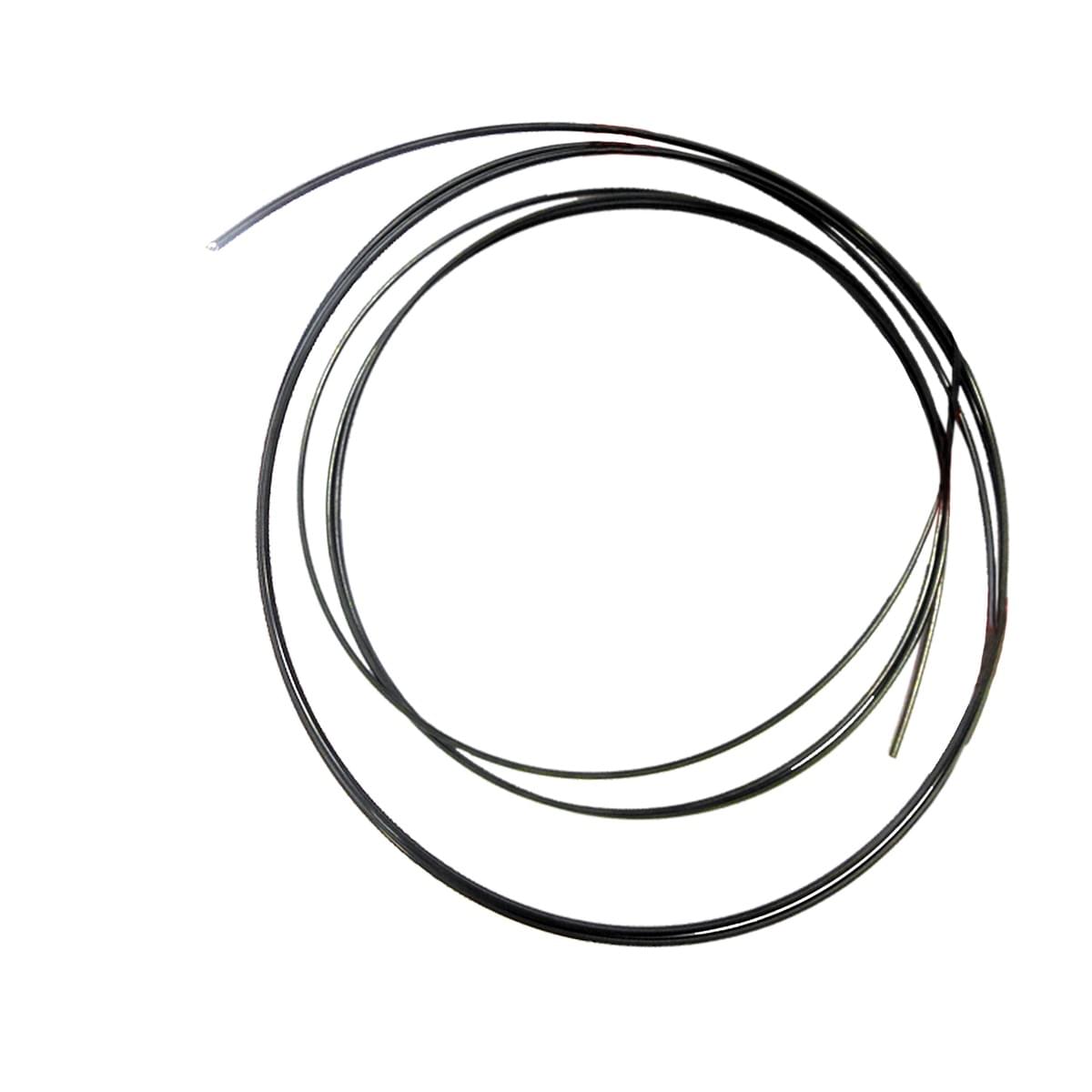
Nitinol tubes have revolutionized various facets of medical technology, showcasing their versatility and effectiveness. The unique properties of shape memory alloys enable these tubes to adapt to different environments and requirements within the human body. As we delve into specific applications, it becomes clear that nitinol tubing is not just a trend but a game-changer in healthcare.
Nitinol Tubes in Stents and Guidewires
Nitinol tubes are particularly significant in the realm of stents and guidewires, where flexibility and strength are paramount. The shape memory alloy allows these devices to navigate through complex vascular pathways while retaining their structural integrity once deployed. This adaptability ensures that nitinol tubing can accommodate varying vessel sizes and shapes, enhancing patient outcomes during minimally invasive procedures.
Moreover, the biocompatibility of nitinol material minimizes the risk of adverse reactions within the body, making it an ideal choice for long-term implants like stents. As healthcare professionals increasingly rely on these advanced devices, the demand for high-quality nitinol tubes continues to rise. Ultimately, this innovation not only improves procedural efficiency but also significantly boosts patient safety.
Role of Nitinol Wire in Surgical Devices
The role of nitinol wire extends beyond stents; it plays a crucial part in numerous surgical devices designed for precision and reliability. Surgeons utilize this remarkable shape memory metal for its ability to return to a predetermined shape after deformation, providing enhanced control during delicate operations. This property allows for better maneuverability in challenging anatomical areas where traditional materials might falter.
In addition to its mechanical advantages, nitinol wire's lightweight design contributes to reduced fatigue for surgeons during lengthy procedures. This combination of functionality and comfort is vital when considering the demands placed on medical professionals today. As surgical techniques continue to evolve towards minimally invasive approaches, the reliance on durable yet flexible materials like nitinol alloy will only grow stronger.
Nitinol Alloy in Orthopedic Implants
When it comes to orthopedic implants, nitinol alloy stands out due to its unique combination of properties tailored for bone healing and joint stability. These implants leverage the exceptional strength-to-weight ratio offered by metal nitinol while also benefiting from its shape memory capabilities during recovery phases post-surgery. Traditional materials often lack this level of adaptability, which can lead to complications or prolonged recovery times.
Furthermore, employing nitinol tubing in orthopedic applications allows surgeons greater flexibility when designing custom-fit solutions tailored specifically for individual patients’ anatomies. The potential for personalized medicine is expanding rapidly with innovations like these at our disposal; patients can now expect better alignment and support throughout their healing journey with less discomfort overall. As we look forward into future developments within this field, it's clear that advancements involving nitinol will pave new paths toward improved orthopedic care.
GEE SMA: Pioneers in Nitinol Production

In the world of medical technology, GEE SMA stands out as a trailblazer in the production of nitinol tubes and other shape memory alloys. Their innovative approach to manufacturing has set new standards for quality and performance in the healthcare sector. By focusing on cutting-edge techniques, GEE SMA ensures that their nitinol material meets the rigorous demands of modern medicine.
Innovative Manufacturing Processes
GEE SMA employs state-of-the-art manufacturing processes that leverage advanced technologies to produce high-quality nitinol tubing and wire. This includes precise control over temperature and composition, which is crucial in achieving the desired properties of shape memory metals. The result is a range of nitinol products that exhibit exceptional flexibility, strength, and biocompatibility—ideal for various medical applications.
Moreover, their commitment to innovation doesn't stop at production; GEE SMA continually refines its methodologies to enhance efficiency while maintaining strict adherence to quality standards. This dedication allows them to produce nitinol alloy components that are not only reliable but also cost-effective for healthcare providers. As a leader in this field, GEE SMA's innovative practices ensure they remain at the forefront of nitinol technology.
Quality Control and Customer Focus
Quality control is paramount at GEE SMA; every batch of metal nitinol undergoes rigorous testing to ensure it meets stringent industry standards. Their comprehensive quality assurance protocols guarantee that each piece of nitinol tubing or wire is free from defects and performs reliably under clinical conditions. This commitment extends beyond just meeting specifications; it reflects their dedication to patient safety and satisfaction.
Customer focus plays an equally vital role in their operations—GEE SMA actively engages with healthcare professionals to understand their needs better. By fostering strong relationships with clients, they can tailor solutions that address specific challenges faced in medical settings using shape memory alloys. This responsiveness not only enhances product offerings but also solidifies GEE SMA's reputation as a trusted partner in medical device development.
Contributions to Space Missions
Interestingly, GEE SMA's expertise in producing high-performance nitinol materials has found applications beyond medicine—most notably in space missions! The unique properties of shape memory alloys make them ideal for various aerospace applications where reliability and performance are critical under extreme conditions. From deployable structures to actuation systems, metal nitinol components have proven invaluable for NASA and other space agencies.
Their contributions demonstrate how innovations developed for healthcare can transcend industries, showcasing the versatility of nitinol tubing and wire across diverse fields such as aerospace engineering. As space exploration continues to evolve, so too does the role of GEE SMA’s pioneering technologies—bridging gaps between terrestrial needs and interstellar ambitions!
Future Trends in Nitinol Technology
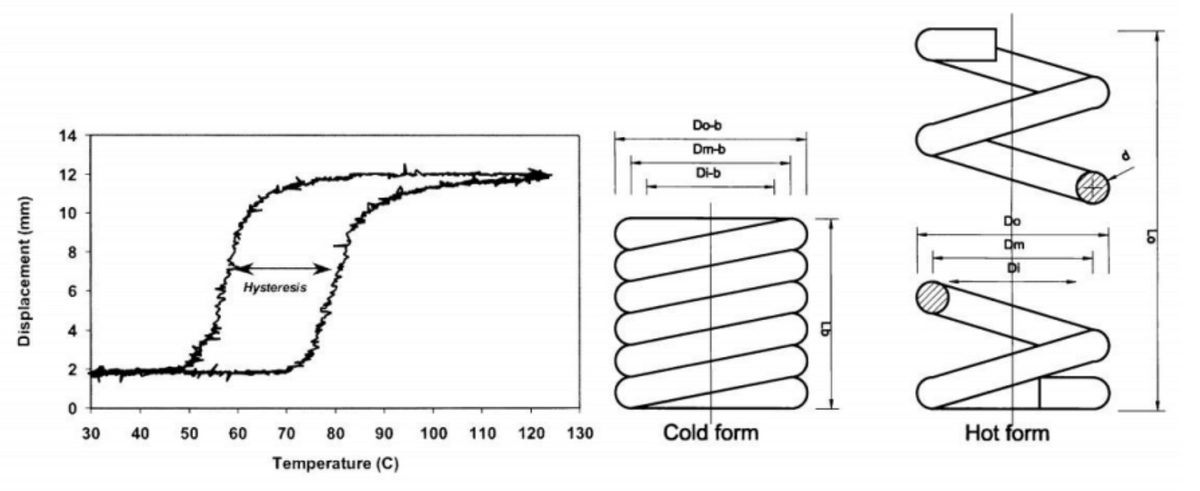
The future of nitinol technology is brimming with potential, particularly as advances in shape memory alloys continue to unfold. Researchers are constantly exploring new methods to enhance the properties and functionalities of nitinol materials, making them even more versatile for medical applications. With ongoing innovations, the landscape of healthcare is poised for transformation through the integration of advanced nitinol tubing and other shape memory metals.
Advances in Shape Memory Alloys
Recent advancements in shape memory alloys have opened new avenues for nitinol tubes and devices that can adapt to various conditions within the human body. Enhanced processing techniques are yielding nitinol wire with improved mechanical properties, allowing for greater flexibility and strength while maintaining biocompatibility. As scientists delve deeper into the unique characteristics of metal nitinol, we can expect smarter, more responsive medical devices that harness these remarkable materials.
Expanding Applications in Medicine
The applications of nitinol tubing are expanding beyond traditional uses like stents and guidewires into innovative realms such as minimally invasive surgery and robotic-assisted procedures. Nitinol alloy is being integrated into surgical instruments that require precision and adaptability, offering surgeons enhanced control during operations. Furthermore, researchers are investigating how nitinol materials could revolutionize drug delivery systems by using their shape memory properties to release medication at targeted sites within the body.
Potential Solutions for Emerging Healthcare Challenges
As healthcare faces emerging challenges such as aging populations and increasing chronic diseases, solutions utilizing nitinol technology may provide significant benefits. The lightweight design of nitinol tubes allows for easier handling during procedures while minimizing patient discomfort—a crucial factor when addressing an aging demographic requiring frequent interventions. Moreover, advancements in shape memory metals could lead to breakthroughs in personalized medicine, enabling tailored treatments that respond dynamically to individual patient needs.
Conclusion
The journey of nitinol tubes in the medical field has been nothing short of revolutionary. These shape memory alloys have transformed patient care by providing innovative solutions that enhance the performance and safety of medical devices. As healthcare continues to evolve, the impact of nitinol tubing will only grow, leading to better outcomes and improved quality of life for patients.
The Impact of Nitinol Tubes on Patient Care
Nitinol tubes are reshaping how we approach various medical procedures, offering unparalleled flexibility and strength that traditional materials struggle to match. With their unique properties as shape memory metals, nitinol tubing can adapt to complex anatomical structures, making interventions less invasive and more effective. This adaptability not only reduces recovery times but also minimizes complications, allowing patients to return to their daily lives sooner than ever.
Why Shape Memory Alloys Will Dominate
The future is bright for shape memory alloys like nitinol due to their remarkable attributes that cater perfectly to the needs of modern medicine. Their biocompatibility ensures that devices made from nitinol material are safe for use within the human body, significantly lowering risks associated with foreign objects in surgical procedures. As advancements continue in manufacturing processes and applications expand across various medical fields, it's evident that nitinol alloy will dominate due to its versatility and reliability.
Looking Ahead: Nitinol's Role in Innovation
As we look toward the horizon, the potential for nitinol wire and other forms of metal nitinol is vast and promising. Emerging technologies will likely harness these shape memory metals in ways we can only begin to imagine today—from advanced stents that respond dynamically within arteries to orthopedic implants that adapt over time for optimal healing outcomes. By addressing current healthcare challenges with innovative solutions derived from nitinol tubing, we are poised on the brink of a new era in patient care.