

Introduction

In the realm of modern technology, muscle wires have emerged as a fascinating innovation that combines science and engineering to create unprecedented applications. These remarkable materials, particularly Nitinol wire, are a type of shape memory alloy (SMA) that can return to a predetermined shape when exposed to heat or an electric current. Understanding how these SMA wires function not only highlights their impact on various industries but also opens the door to new possibilities in design and functionality.
Understanding Muscle Wires and Their Impact
Muscle wires, often referred to as memory wires due to their unique properties, have revolutionized the way we think about actuation in devices ranging from medical instruments to robotic systems. The ability of these Nitinol wires to contract and expand with the application of electric current allows for lightweight and compact designs that traditional actuators simply cannot match. As industries continue to explore the potential of muscle wires, their impact is expected to grow exponentially, enhancing efficiency and performance across numerous applications.
The Science Behind Shape Memory Alloys
At the heart of muscle wire technology lies the science of shape memory alloys (SMAs), which possess extraordinary characteristics that enable them to remember specific shapes. When subjected to heat or an electric current, Nitinol wire undergoes a phase transformation that allows it to revert back to its original configuration after being deformed. This remarkable property not only makes SMA wire highly versatile but also positions it as a critical component in advanced technological applications where precision and reliability are paramount.
Applications of Muscle Wires in Modern Technology
The versatility of muscle wires has led them into diverse fields such as aerospace engineering, robotics, and medical devices—each benefiting from their unique capabilities. For instance, GEE SMA specializes in producing high-quality Nitinol shape memory alloys that power critical missions like Chang’e-5 and Tianwen by ensuring reliable deployment in extreme environments. As we continue exploring innovative uses for SMA technology, it's clear that muscle wires will play an increasingly vital role in shaping our technological future.
What are Muscle Wires?
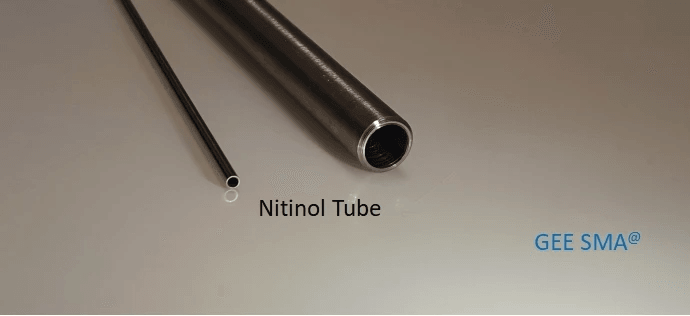
Muscle wires, often referred to as shape memory alloys (SMAs), are a fascinating class of materials that can return to a predefined shape when subjected to specific conditions. The most common type of muscle wire is Nitinol wire, which is an alloy of nickel and titanium known for its unique properties. These wires mimic the function of biological muscles, contracting and expanding based on thermal or electrical stimuli.
Defining Muscle Wires and Their Mechanism
Muscle wires operate on the principle of shape memory effect, which allows them to remember their original form after deformation. When heated or energized by an electric current, these SMA wires undergo a phase transformation that causes them to revert back to their predetermined shape. This mechanism not only enables precise movement but also allows for lightweight and compact designs in various applications.
The beauty of muscle wires lies in their ability to perform mechanical work without the bulkiness associated with traditional actuators. As they contract upon heating, they can exert significant force relative to their size, making them ideal for applications where space is at a premium. This innovative technology has paved the way for advancements across multiple industries.
Overview of Nitinol Wire and Its Properties
Nitinol wire stands out among other muscle wires due to its remarkable properties such as superelasticity and biocompatibility. Superelasticity allows Nitinol to undergo large strains while returning to its original shape upon unloading—an essential characteristic for many dynamic applications. Moreover, its biocompatibility makes it suitable for medical devices like stents and guidewires.
The unique combination of strength, flexibility, and lightweight design makes Nitinol wire invaluable in modern engineering solutions. It can withstand harsh environments without losing functionality—ideal for aerospace applications where reliability is crucial. GEE SMA specializes in producing high-quality Nitinol materials that meet rigorous standards, ensuring performance even under extreme conditions.
The Role of Electric Current in Memory Wire
The application of electric current plays a pivotal role in the operation of memory wire systems like muscle wires. When an electric current flows through Nitinol wire, it generates heat due to electrical resistance; this heat triggers the transformation from martensite (the low-temperature phase) back into austenite (the high-temperature phase). Consequently, this transition results in the contraction or expansion needed for actuation.
This responsive behavior makes muscle wires incredibly versatile across various sectors including robotics and aerospace engineering where precision is key. By controlling the amount of electric current applied, engineers can finely tune the movements produced by these SMA wires—allowing intricate designs that were once thought impossible with traditional actuators. GEE SMA's expertise ensures that these innovative technologies are harnessed effectively for missions like Chang’e-5 and Tianwen-1.
The Advantages of Using Muscle Wires
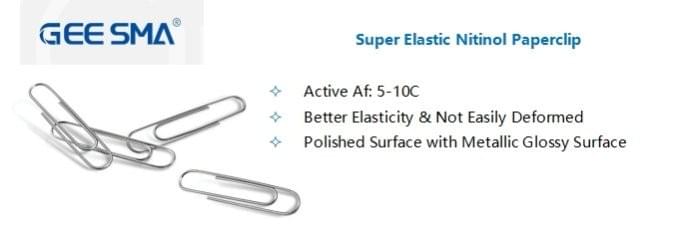
Muscle wires, particularly those made from Nitinol, offer a myriad of advantages that set them apart from traditional actuators. These shape memory alloys (SMAs) are designed to be lightweight and compact, making them ideal for a variety of applications where space and weight are critical factors. The unique properties of SMA wire allow it to achieve remarkable performance while maintaining a minimal footprint.
Lightweight and Compact Design Benefits
One of the standout features of muscle wires is their lightweight nature, which is crucial in applications such as aerospace engineering and robotics. Nitinol wire is significantly lighter than conventional materials used in actuators, allowing for easier integration into systems without adding excessive weight. This compact design not only enhances portability but also contributes to overall system efficiency by reducing the energy needed for operation.
Energy Efficiency Compared to Traditional Actuators
When it comes to energy consumption, muscle wires excel in comparison to traditional actuators. The mechanism behind memory wire electric current allows these SMAs to operate with minimal energy input while delivering maximum output force. This efficiency translates into longer battery life in portable devices and reduced energy costs in larger systems, making Nitinol-based solutions particularly attractive for modern technology applications.
Reliability in Harsh Environments
Muscle wires demonstrate exceptional reliability even in harsh environments where other materials might falter. Nitinol's inherent resistance to corrosion and fatigue makes it an ideal choice for applications exposed to extreme temperatures or corrosive substances, such as those found in space missions powered by GEE SMA's advanced SMA technology. With proven performance in demanding conditions—like those faced during the Chang’e-5 and Tianwen missions—muscle wires ensure consistent actuation when it matters most.
GEE SMA: A Leader in Nitinol Production

GEE SMA has established itself as a prominent player in the production of Nitinol, a key material for muscle wires. Their commitment to quality and innovation positions them at the forefront of the shape memory alloy (SMA) industry. With a mission focused on enhancing product quality and swiftly addressing customer needs, GEE SMA tailors its Nitinol functional materials to meet specific applications.
Overview of GEE SMA and Their Mission
At GEE SMA, the production of high-quality Nitinol wire is not just a business; it's a passion that drives their mission. They specialize in crafting muscle wires that exhibit remarkable properties such as flexibility, durability, and responsiveness to electric current. By consistently improving their manufacturing processes, GEE SMA ensures that their shape memory alloys meet or exceed industry standards while adapting to customer requirements.
The company's dedication extends beyond mere production; they aim to foster strong partnerships with clients across various sectors. This collaborative approach allows for tailored solutions that leverage the unique characteristics of Nitinol wire and other SMAs. As they continue to innovate, GEE SMA remains committed to pushing the boundaries of what muscle wires can achieve.
Contributions to Space Missions and Beyond
GEE SMA's expertise in producing reliable Nitinol shape memory alloys has made significant contributions to space exploration missions, including Chang’e-5, Chang’e-6, and Tianwen. These missions have relied on muscle wires for critical deployment mechanisms that operate flawlessly even in extreme environments like outer space. The ability of these shape memory alloys to function under pressure showcases their reliability and innovative design.
The deployment systems powered by GEE SMA's memory wire electric current technology have been pivotal for spacecraft operations, ensuring precise actuation when needed most. This reliability is essential for mission success where failure is not an option; every component must perform optimally under challenging conditions. With each successful mission outcome, GEE SMA solidifies its reputation as a leader in advanced material solutions for aerospace applications.
As space agencies continue exploring new frontiers, the role of innovative materials like Nitinol wire will only grow more critical. GEE SMA stands ready to support these endeavors with cutting-edge technologies designed specifically for demanding applications beyond Earth's atmosphere.
Innovations in Shape Memory Alloy Technology
Innovation is at the heart of what makes GEE SMA stand out among competitors in the field of muscle wires and shape memory alloys (SMAs). They are continually researching new methods to enhance the performance characteristics of their Nitinol wire products while maintaining cost-effectiveness for clients across diverse industries. Recent advancements include improved thermal response times and greater fatigue resistance—two vital factors that enhance functionality in practical applications.
Moreover, developments within the realm of memory wire electric current control have allowed engineers more precise manipulation over how these materials behave under different conditions. Such innovations enable engineers designing robotic systems or medical devices utilizing muscle wires greater flexibility than ever before when integrating these components into complex systems.
In addition to performance enhancements, sustainability practices are also becoming increasingly important at GEE SMA as they strive toward eco-friendly production methods without compromising quality or efficacy—truly revolutionizing how we think about shape memory alloys today!
Real-World Applications of Muscle Wires
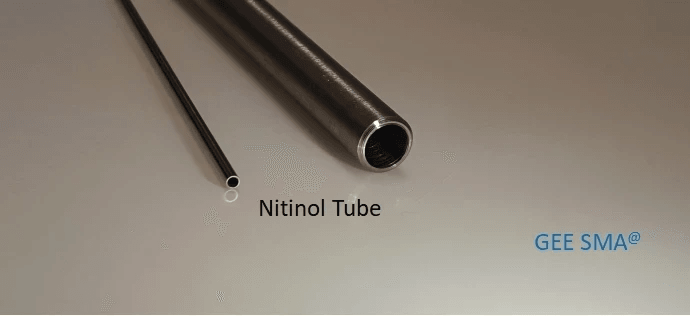
Muscle wires, particularly those made from Nitinol, have carved out a niche in various industries due to their unique properties and capabilities. These shape memory alloys (SMAs) are not just a scientific curiosity; they are transforming how we approach problems in fields like medicine, robotics, and aerospace engineering. By harnessing the power of electric current to activate memory wire functions, muscle wires offer innovative solutions that were once only imagined.
Medical Devices and Surgical Tools
In the medical field, muscle wires play a pivotal role in enhancing surgical tools and devices. Nitinol wire's biocompatibility and flexibility allow for the creation of minimally invasive instruments that can adapt to complex anatomical structures. For example, SMA wire is utilized in stents that expand upon reaching body temperature or when an electric current is applied, providing life-saving interventions with precision.
Moreover, muscle wires are increasingly used in robotic surgery systems where delicate movements are essential. The ability of shape memory alloys to return to a predetermined shape makes them ideal for actuating surgical instruments with high accuracy. As healthcare technology continues to evolve, the integration of muscle wires promises improved patient outcomes through more efficient surgical techniques.
Robotics and Automation Solutions
Robotics has seen a surge in innovation thanks to the incorporation of muscle wires into automation solutions. Nitinol wire provides unique advantages over traditional actuators due to its lightweight nature and energy efficiency when activated by electric current. This means robots can move more fluidly while consuming less power—ideal for applications ranging from manufacturing to service robots.
Furthermore, SMA wire is being leveraged in soft robotics where gentle yet precise movements are crucial. By mimicking natural muscle contractions through temperature changes or electric stimulation, these robots can interact safely with humans and delicate objects alike. The versatility of muscle wires opens up new avenues for automation that were previously unattainable with conventional technologies.
Aerospace Engineering and Spacecraft
The aerospace industry is another frontier where muscle wires demonstrate their remarkable capabilities. GEE SMA specializes in producing Nitinol shape memory alloys that have been integral to missions like Chang’e-5 and Tianwen-1 by ensuring reliable deployment mechanisms under extreme conditions encountered in space exploration. The use of SMA wire allows spacecraft components to operate effectively without relying on bulky systems typically needed for actuation.
Additionally, muscle wires contribute significantly to satellite technology by enabling compact designs that save valuable space without compromising functionality or reliability. When powered by electric current, these materials can adapt their shapes as needed during various mission phases—this adaptability is crucial when operating far from Earth’s support systems. As we venture further into space exploration, the importance of innovative materials like Nitinol will only grow.
Future Trends in Muscle Wire Technology

As we look ahead, the landscape of muscle wire technology is poised for significant evolution. With advancements in research and development, particularly in Shape Memory Alloys (SMA), the capabilities and applications of Nitinol wire are expanding. This growth is not only driven by technological innovation but also by an increasing demand for efficient and reliable solutions across various industries.
Research and Development in Shape Memory Alloys
Research into shape memory alloys, particularly muscle wires like Nitinol, continues to push boundaries in material science. Scientists are exploring new alloy compositions and processing techniques to enhance the performance characteristics of SMA wire, such as response time and fatigue resistance. The ability of these materials to return to their original shape when exposed to electric current opens up exciting possibilities for innovative applications in fields ranging from robotics to medical devices.
Moreover, ongoing studies are focusing on optimizing the transformation temperatures of Nitinol wire, allowing for more precise control over its actuation behavior. This could lead to breakthroughs in applications where fine-tuned movements are critical, such as minimally invasive surgical tools or advanced robotic systems. As research progresses, we can expect a surge in commercially viable products that harness the unique properties of muscle wires.
Emerging Markets and Potential Use Cases
The versatility of muscle wires positions them well for emerging markets that require compact actuation solutions with high reliability. From automotive engineering—where space constraints demand lightweight components—to consumer electronics that benefit from miniaturization, the potential use cases for Nitinol wire seem limitless. Additionally, sectors such as renewable energy are beginning to explore how SMA technology can be integrated into systems like solar tracking mechanisms or wind turbine adjustments.
One particularly exciting area is soft robotics, where muscle wires provide a means for creating adaptable structures that mimic natural movements. These applications could revolutionize industries such as healthcare or disaster response by enabling robots that can navigate complex environments with ease. As companies recognize the advantages offered by memory wire electric current actuation systems, investment in these technologies will likely increase dramatically.
Sustainable Practices in Muscle Wire Production
With growing awareness about environmental issues, sustainable practices in muscle wire production have become more important than ever before. Companies like GEE SMA are at the forefront of this movement by focusing on responsible sourcing of materials and efficient manufacturing processes for their Nitinol shape memory alloys. By minimizing waste and energy consumption during production, they not only reduce their carbon footprint but also enhance product quality.
Furthermore, innovations aimed at recycling used SMA wire components are gaining traction within the industry. Developing methods to reclaim valuable materials from obsolete devices aligns with sustainability goals while ensuring a steady supply chain for future production needs. As consumers increasingly demand eco-friendly products, manufacturers who prioritize sustainable practices will likely find themselves leading the market.
Conclusion
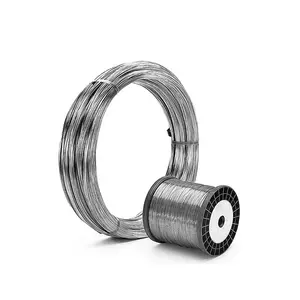
In the ever-evolving landscape of technology, muscle wires—particularly Nitinol wire—stand out for their unique capabilities and transformative potential. These remarkable materials harness the principles of shape memory alloys (SMA), allowing them to change shape in response to temperature variations and electric current. As we conclude our exploration, it’s clear that muscle wires are not just a fleeting trend; they represent a significant leap forward in engineering and design.
The Transformative Power of Muscle Wires
Muscle wires have revolutionized how we think about actuators and movement in various applications. Thanks to their lightweight nature and compact design, they can fit into spaces where traditional actuators would struggle or simply be impractical. The ability of SMA wire to respond dynamically to electric current further enhances their functionality, making them indispensable in fields ranging from robotics to aerospace engineering.
Revolutionizing Multiple Industries with SMA Technology
The impact of muscle wires extends far beyond mere novelty; they are reshaping entire industries by offering solutions that were once deemed impossible. In medical devices, for instance, Nitinol wire is used in stents and surgical tools, providing reliability and precision during critical procedures. Similarly, GEE SMA's contributions to space missions like Chang’e-5 and Tianwen showcase how SMA technology can withstand extreme conditions while ensuring essential functions like deployment and actuation are executed flawlessly.
The Future of Nitinol Wire and Muscle Wires
Looking ahead, the future of muscle wires seems bright as research continues to unlock new possibilities within shape memory alloys. Emerging markets will likely see innovative use cases that leverage the unique properties of Nitinol wire, pushing boundaries in automation, healthcare, and beyond. Moreover, as sustainability becomes increasingly important across all sectors, advancements in eco-friendly practices for producing muscle wires will ensure that this technology not only meets but exceeds expectations for both performance and environmental responsibility.