

Introduction
In the realm of advanced materials, few substances capture the imagination quite like nitinol. This remarkable shape memory alloy, composed primarily of nickel and titanium, showcases a unique ability to return to its original shape after deformation. As a game changer in various industries, nitinol nickel titanium stands at the forefront of innovation, promising to revolutionize how we approach engineering and design.
Explore the Magic of Nitinol
Nitinol is not just another metal; it’s a marvel that combines strength with flexibility in ways that traditional materials cannot match. When heated above a certain temperature, this shape memory alloy nitinol can remember its pre-deformed shape and revert back to it, making it incredibly useful for applications ranging from medical devices to aerospace technology. The magic lies in its ability to perform under stress while maintaining structural integrity—an enchanting combination that has captivated engineers and designers alike.
What is Shape Memory Alloy?
At its core, a shape memory alloy (SMA) like nitinol exhibits an extraordinary property: it can undergo significant deformation and still return to its original form when subjected to specific thermal conditions. This fascinating characteristic stems from the unique crystalline structure of nitinol alloys, which allows them to remember their shapes through phase transformations between different states. In simpler terms, when you bend or twist a nitinol sheet into an unusual form and then heat it up, it magically snaps back into its intended design—truly one of nature's engineering feats!
Why Nitinol is a Game Changer
Nitinol has emerged as a game changer across various sectors due to its unparalleled properties such as biocompatibility and high elasticity. In medical applications, for instance, this titanium alloy is used in stents and guidewires because it minimizes rejection by the human body while providing essential support where it's needed most. With ongoing advancements in production techniques by leading nitinol manufacturers, the potential for new applications continues to expand—making this shape memory alloy not just relevant but essential for future technological innovations.
Unique Properties of Nitinol

Nitinol, a remarkable shape memory alloy, boasts unique properties that set it apart from conventional metals. Its ability to return to a predetermined shape when heated is just the tip of the iceberg. This section delves into three standout features: shape recovery capability, biocompatibility, and exceptional elasticity and strength.
Shape Recovery Capability
The most captivating feature of nitinol is its shape recovery capability, which is intrinsic to all shape memory alloys. When deformed at lower temperatures, nitinol can revert to its original form upon heating—an impressive transformation that can occur even after significant distortion. This property makes nitinol an ideal choice in applications ranging from medical devices to aerospace components, where reliability and precision are paramount.
This unique behavior stems from the phase transformation between its austenite and martensite states. In simpler terms, when heated above a certain temperature, nitinol nickel titanium shifts back to its original structure like magic! The versatility of this shape memory alloy means engineers can design intricate mechanisms that respond dynamically to temperature changes.
Biocompatibility Features
Another remarkable trait of nitinol lies in its biocompatibility features—making it a hero in the medical field. Unlike many metals that can cause adverse reactions in the human body, nitinol’s composition minimizes allergic responses and promotes healing when used in implants or surgical tools. This characteristic is crucial for devices such as stents and orthopedic implants where long-term contact with body tissues is necessary.
Nitinol's biocompatibility also extends beyond mere safety; it enhances patient comfort and reduces recovery times due to its unique properties. For instance, when utilized in dental braces or surgical instruments made from this titanium alloy, patients experience less irritation compared to traditional metal options. Thus, it's no wonder that nitinol alloys are becoming increasingly popular among healthcare professionals seeking reliable materials for patient care.
High Elasticity and Strength
In addition to its magical capabilities of shape recovery and biocompatibility features, nitinol showcases impressive elasticity and strength—properties not commonly found together in traditional materials. With high tensile strength combined with remarkable flexibility, this shape memory metal can withstand significant stress without permanent deformation. This attribute makes it an excellent choice for applications requiring both durability and adaptability.
The high elasticity ensures that products made from nitinol sheets maintain their integrity over time while being subjected to repeated mechanical loads—a vital consideration for everything from consumer gadgets to aerospace technology components. Furthermore, these characteristics contribute significantly to the longevity of devices made using this innovative material; hence manufacturers are increasingly turning toward nitinol for their engineering needs.
Applications of Nitinol
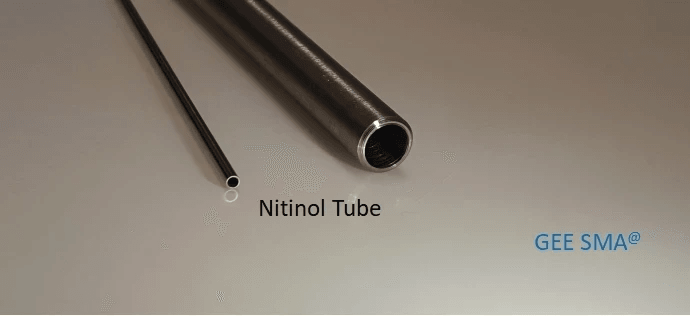
Nitinol, a remarkable shape memory alloy, has found its way into various industries due to its unique properties. This innovative material is not just a scientific curiosity; it has practical applications that are changing the game in fields like medicine, aerospace, and consumer products. Let’s dive into the fascinating ways nitinol is being utilized today.
Medical Devices and Implants
In the medical field, nitinol nickel titanium is revolutionizing how we approach devices and implants. Its shape recovery capability allows for minimally invasive procedures, as nitinol can be compressed or bent during insertion but will return to its original shape once inside the body. From stents to guidewires and orthopedic implants, this shape memory alloy is enhancing patient outcomes by reducing recovery times and improving overall effectiveness.
Moreover, the biocompatibility features of nitinol make it an ideal choice for medical applications. Unlike some materials that can cause adverse reactions in the body, nitinol alloys are well-tolerated by human tissue. This means fewer complications and a higher success rate for surgeries involving devices made from this extraordinary titanium alloy.
As research continues to unfold, we can expect even more innovative uses for shape memory metals in healthcare. With ongoing advancements in materials science, the potential for new medical applications seems limitless—making nitinol a cornerstone of future medical technology.
Aerospace Technology
The aerospace industry is another sector where nitinol shines brightly as a game changer. The lightweight nature combined with high strength makes this shape memory alloy an attractive option for aircraft components where reducing weight without sacrificing performance is critical. Nitinol's unique properties allow engineers to design systems that can adapt dynamically to changing conditions—think morphing wings or deployable structures that enhance aerodynamics during flight.
Additionally, nitinol's ability to withstand extreme temperatures makes it suitable for various aerospace applications where traditional materials might fail under stress or heat exposure. Whether it's actuators or fasteners designed for high-performance aircraft engines or spacecraft components that require precision under pressure, nitinol alloys are paving new paths in aerospace engineering.
As we look ahead towards space exploration and advanced aviation technologies, incorporating shape memory metals like nitinol could lead to breakthroughs that were previously unimaginable—transforming how we think about flight forever.
Consumer Products and Gadgets
The versatility of nitinol extends beyond specialized industries into everyday consumer products and gadgets as well! Imagine eyeglass frames made from this remarkable titanium alloy; they can bend without breaking yet return to their original form when needed—a perfect blend of style and durability! From smart devices with flexible components to innovative toys that change shapes on command, the potential applications are endless.
Moreover, manufacturers are tapping into the customization options available with nitinol sheet products to create bespoke solutions tailored specifically to consumer needs. As consumers increasingly seek out products that offer both functionality and flair, incorporating shape memory alloys becomes an attractive proposition for brands looking to stand out in a crowded market.
With ongoing innovations in design and manufacturing processes thanks to nimble nitinol manufacturers worldwide, we're bound to see more exciting developments emerge across various sectors—from fashion accessories that wow at first glance to tech gadgets designed with adaptability at their core!
Nitinol Alloys: Composition and Performance

Nitinol alloys, particularly nitinol nickel titanium, are fascinating materials that exhibit remarkable properties due to their unique composition. These shape memory alloys are primarily composed of nickel and titanium, which give them the ability to return to a predetermined shape when heated above a specific temperature. This characteristic makes nitinol an essential player in various industries, from medical devices to aerospace technology.
Nitinol Nickel Titanium Explained
Nitinol nickel titanium is a specific alloy that exemplifies the wonders of shape memory alloys. The balance between nickel and titanium in this alloy typically ranges from 50% to 60% nickel, allowing it to exhibit both superelasticity and shape memory effects. This means that when subjected to certain temperatures or stress conditions, nitinol can morph into its original form, making it ideal for applications requiring precise movements or adjustments.
The versatility of nitinol extends beyond just its ability to remember shapes; it also allows for customization in terms of mechanical properties through variations in alloy composition. By tweaking the ratios of nickel and titanium or adding trace elements, manufacturers can produce nitinol sheets with tailored characteristics for specific applications. This adaptability is what keeps nitinol at the forefront among other shape memory metals.
Performance in Harsh Conditions
One of the standout features of nitinol alloys is their impressive performance in harsh conditions where many other materials might falter. Nitinol's resilience stems from its high corrosion resistance and ability to withstand extreme temperatures without losing functionality—qualities that are essential in demanding environments like aerospace or medical settings. For instance, a nitinol stent can remain functional within the human body for years without degrading.
Moreover, when exposed to mechanical stressors or environmental factors such as humidity or temperature fluctuations, nitinol maintains its structural integrity better than many traditional metals like stainless steel or aluminum alloys. This durability ensures that products made from this remarkable shape memory alloy continue performing optimally over time, providing reliability where it's most needed.
Comparison with Other Shape Memory Metals
When comparing nitinol with other shape memory metals like copper-aluminum-nickel or iron-based alloys, several distinctions emerge that highlight why nitinol often takes center stage. While alternative shape memory metals may offer some similar properties—like returning to an original form under certain conditions—they frequently lack the biocompatibility and elasticity found in nitinol nickel titanium alloys.
Additionally, while some other shape memory metals can be less expensive due to simpler compositions and manufacturing processes, they often do not match the performance capabilities of high-quality nitinol sheets under extreme conditions. Thus, despite potentially higher upfront costs associated with sourcing from reputable nitinol manufacturers, investing in these superior materials pays off through enhanced product longevity and effectiveness across various applications.
Nitinol Manufacturing Process
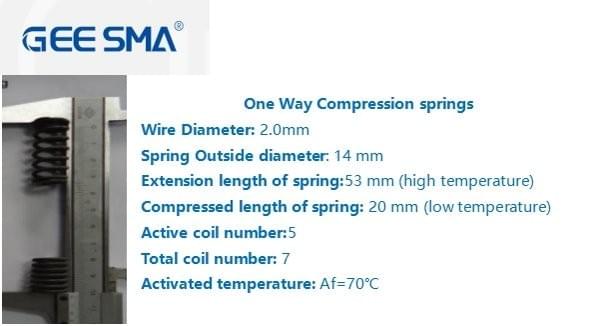
The manufacturing process of shape memory alloy nitinol is a fascinating journey that combines advanced technology with meticulous craftsmanship. Understanding how nitinol is produced gives insight into its exceptional properties and applications. From raw materials to finished products, every step plays a crucial role in ensuring the quality and performance of this remarkable titanium alloy.
Insights from GEE SMA
GEE SMA stands at the forefront of nitinol manufacturing, employing cutting-edge techniques to produce high-quality shape memory alloys. Their expertise in nitinol nickel titanium allows them to create materials that boast superior flexibility and strength, which are essential for various applications. By utilizing advanced melting and alloying processes, GEE SMA ensures that their nitinol alloys meet the stringent requirements needed for medical devices and aerospace technologies.
Quality Control Standards
Quality control is paramount in the production of shape memory metals like nitinol; even minor imperfections can significantly affect performance. Manufacturers must adhere to rigorous standards throughout the entire process, from raw material selection to final product testing. This includes thorough inspections and certifications to ensure that each nitinol sheet or component meets industry specifications for biocompatibility, elasticity, and overall durability.
Customization Options Available
One of the standout features of working with a reputable nitinol manufacturer is the ability to customize products according to specific needs. Whether it’s adjusting the composition of nitinol alloys or tailoring dimensions for unique applications, customization plays a vital role in leveraging the benefits of shape memory alloy nitinol effectively. This flexibility allows industries—from medical implants to consumer gadgets—to harness the true potential of this innovative material tailored precisely for their requirements.
Future of Nitinol Technology
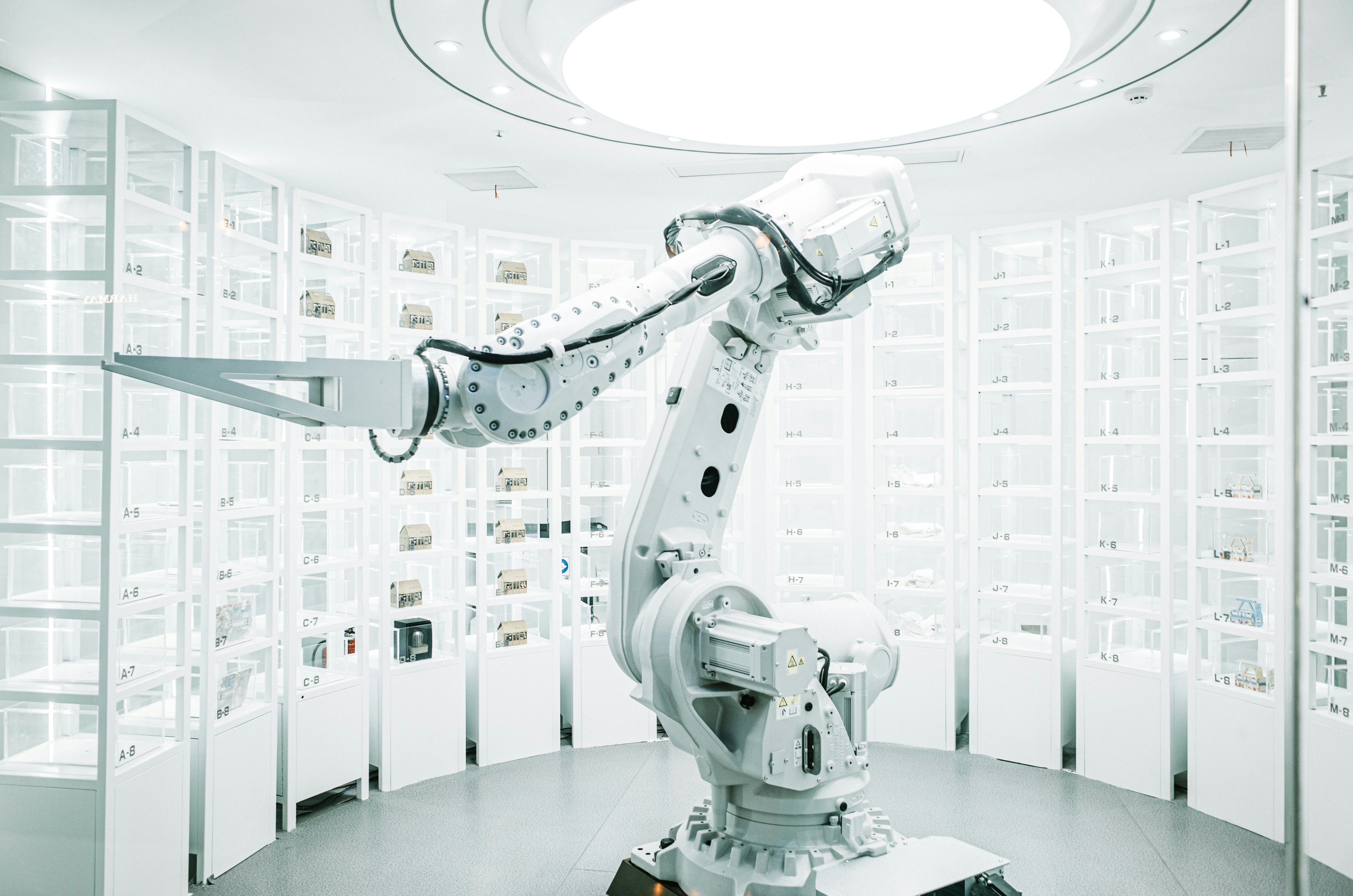
The future of nitinol technology looks brighter than a freshly polished titanium alloy. With its unique properties as a shape memory alloy, nitinol is poised to revolutionize multiple sectors, from healthcare to consumer electronics. As innovations emerge, the potential applications for this remarkable material continue to expand, making it an exciting time for both manufacturers and consumers alike.
Innovations on the Horizon
Innovations in shape memory alloy nitinol are already underway, with researchers exploring new ways to enhance its performance and versatility. One promising development involves creating advanced nitinol alloys that can withstand even harsher conditions without losing their shape recovery capabilities. Additionally, integrating smart technology into nitinol components could lead to self-adjusting medical devices that respond dynamically to patient needs.
Moreover, the combination of nitinol nickel titanium with other materials is paving the way for hybrid solutions that capitalize on the strengths of each component. This synergy could result in products that are not only more efficient but also lighter and more durable than ever before. The ongoing research into these innovations showcases how versatile shape memory metals can be when paired with cutting-edge technology.
Expanding Market Opportunities
The market opportunities for nitinol are expanding at an astonishing rate as industries recognize its unique advantages over traditional materials. In medical devices and implants alone, the demand for biocompatible materials like nitinol sheet is skyrocketing due to its ability to adapt and recover shapes within the human body seamlessly. Beyond healthcare, aerospace technology is also embracing nitinol's lightweight yet strong characteristics for applications ranging from actuators in aircraft systems to components in satellites.
Consumer products are not left behind either; imagine gadgets that utilize shape memory alloys for enhanced functionality or aesthetics! The potential applications seem limitless—ranging from eyeglass frames that return to their original form after bending to innovative fastening solutions in clothing design made possible by nitinol alloys. As these markets grow, so does the need for reliable nitinol manufacturers who can meet increasing demands while maintaining high-quality standards.
Sustainability in Nitinol Production
As we look toward a future enriched by advancements in shape memory alloy technology, sustainability remains a crucial focal point in production processes involving nitinol nickel titanium. Manufacturers are now focusing on eco-friendly practices that reduce waste and energy consumption while ensuring high-quality output of nitinol alloys. By utilizing recycled materials and optimizing manufacturing techniques, companies can produce nitrile sheets with a significantly lower environmental impact.
Furthermore, sustainable sourcing of raw materials is becoming increasingly important as demand rises globally; responsibly mined titanium can help mitigate some ecological concerns associated with metal extraction processes. As innovation meets sustainability within the realm of shape memory metals, we may soon witness a paradigm shift towards greener production methods across various industries reliant on these remarkable materials.
In conclusion, as we venture into this exciting future filled with possibilities driven by innovations in shape memory alloy nitinol, it's clear that both market opportunities and sustainable practices will play pivotal roles in shaping what lies ahead.
Conclusion
Nitinol, the shape memory alloy that has taken the engineering and medical fields by storm, offers a plethora of benefits that make it an invaluable material. Its unique properties, including shape recovery capability, biocompatibility, and high elasticity, position it as a game changer across various industries. As we wrap up our exploration of nitinol, it's clear that its versatility and performance are unmatched among shape memory metals.
Recap of Nitinol's Benefits
To summarize, the advantages of nitinol are numerous and compelling. First off, its remarkable shape recovery capability allows it to return to a predetermined form after deformation—an essential feature for applications in medical devices like stents and guidewires. Additionally, nitinol nickel titanium boasts excellent biocompatibility features that make it ideal for implants within the human body without triggering adverse reactions.
Moreover, this titanium alloy exhibits impressive strength and elasticity under stress, ensuring durability in demanding environments. The unique combination of these properties makes nitinol alloys particularly suitable for aerospace technology as well as consumer products where reliability is paramount. With such an impressive roster of benefits, it's no wonder that industries are increasingly leaning toward incorporating this innovative material into their designs.
The Role of Nitinol in Future Tech
Looking ahead, nitinol is poised to play a pivotal role in shaping future technologies across multiple sectors. Innovations on the horizon include advanced robotics and smart materials that respond dynamically to environmental changes—an area where shape memory alloys can truly shine. As research continues to unlock new potentials for nitinol nickel titanium applications, we can expect exciting developments in areas like soft robotics or self-healing materials.
Furthermore, expanding market opportunities present themselves not only in healthcare but also in automotive design and renewable energy solutions where lightweight yet strong materials are essential. The adaptability of nitinol alloys means they can be tailored to meet specific needs while maintaining high performance under challenging conditions—a critical factor as industries seek sustainable solutions moving forward.
Why Choose Nitinol for Your Needs
In conclusion, choosing nitinol for your project or product means opting for unparalleled quality and innovation. Whether you require a reliable solution in medical devices or need durable components for aerospace applications, this shape memory alloy delivers on all fronts with its remarkable capabilities. Partnering with a reputable nitinol manufacturer ensures access to high-quality materials like nitinol sheet that meet stringent quality control standards while offering customization options tailored specifically to your requirements.
With its proven track record across various applications combined with ongoing advancements in technology and sustainability practices within production processes, there's no better time than now to consider integrating shape memory alloy nitinol into your next venture.