

Introduction
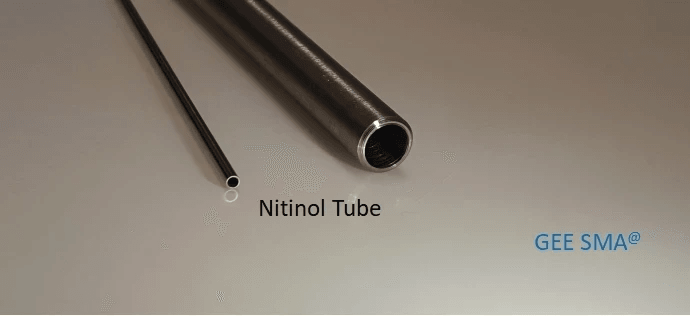
In the realm of advanced materials, few can match the allure of nitinol components. This unique alloy, composed primarily of nickel and titanium, exhibits remarkable properties that set it apart from traditional metals. From its ability to return to a predetermined shape when heated to its superelastic behavior at body temperature, nitinol captivates engineers and innovators alike.
The Allure of Nitinol Components
Nitinol components are not just fascinating due to their unusual physical properties; they also offer a plethora of practical applications that enhance modern engineering solutions. The combination of strength, flexibility, and light weight makes nitinol an ideal choice for various industries, including medical devices and aerospace technology. As researchers continue to explore the capabilities of this remarkable alloy, the demand for nitinol components is only expected to grow.
Versatile Applications in Modern Engineering
The versatility of nitinol alloys positions them as game-changers in multiple fields. In medicine, for instance, nitinol devices and components are revolutionizing surgical procedures with their ability to adapt seamlessly within the human body. Beyond healthcare, the aerospace sector is leveraging nitinol's unique properties for applications ranging from actuators to shape memory structures—demonstrating that the possibilities are virtually limitless.
The Science Behind Nitinol Structure
Understanding the science behind nitinol structure is key to unlocking its potential. This alloy undergoes phase transformations that allow it to exhibit both shape memory effects and superelasticity under specific conditions. By grasping how these properties arise from its molecular structure, engineers can better harness nitinol's capabilities in developing innovative solutions like nitinol wire used in various applications—from robotics to consumer products.
Understanding Nitinol Alloys
Nitinol, a remarkable alloy of nickel and titanium, has captured the attention of engineers and innovators alike. Its unique structure is responsible for a range of extraordinary properties that make it an essential choice in various applications. From medical devices to aerospace components, understanding the composition and characteristics of nitinol alloys is key to unlocking their full potential.
Composition and Structure of Nitinol
Nitinol is primarily composed of nickel (about 55-60%) and titanium (about 40-45%), forming a solid solution that exhibits fascinating phase transformations. The alloy's structure can exist in two distinct phases: martensite at lower temperatures and austenite at higher temperatures. This transformation allows nitinol components to remember their original shapes, which is crucial for many applications where flexibility and strength are required.
The unique composition of nitinol contributes significantly to its versatility as a material in engineering design. The precise ratio of nickel to titanium can be adjusted to tailor the properties of the nitinol alloy for specific uses, making it an adaptable choice in various industries. Understanding this intricate balance is essential for those looking to harness the benefits offered by nitinol devices and components.
Unique Properties of Nitinol
The properties of nitinol are nothing short of astonishing; its ability to undergo shape memory effects allows it to return to a predetermined shape after deformation when exposed to heat. Additionally, nitinol exhibits superelasticity, enabling it to withstand significant stress without permanent deformation—making it ideal for applications requiring high durability paired with flexibility. These unique traits set nitinol apart from other materials commonly used in engineering.
Another noteworthy characteristic is its biocompatibility, which makes nitinol particularly valuable in medical settings such as stents or surgical instruments where interaction with biological tissues occurs frequently. The corrosion resistance inherent in this alloy further enhances its appeal across various sectors by ensuring longevity even under harsh conditions. This combination of mechanical resilience and chemical stability contributes significantly to the growing demand for nitinol wire and other components.
Benefits of Nitinol in Various Industries
Nitinol's diverse set of properties translates into numerous benefits across multiple industries—from healthcare innovations like self-expanding stents to aerospace applications that require lightweight yet robust materials for structural integrity. In consumer products, manufacturers leverage these advantages by incorporating nitinol components into items such as eyeglass frames or temperature-sensitive toys that change shape with heat exposure.
The increasing adoption of nitinol also brings about economic considerations; while initial costs may be higher due to complex manufacturing processes affecting the overall nitinol price, long-term savings from durability and reduced maintenance often outweigh these expenses. As industries continue exploring new uses for this exceptional alloy, we can expect even more innovative solutions that capitalize on the unique characteristics offered by various forms of this remarkable material.
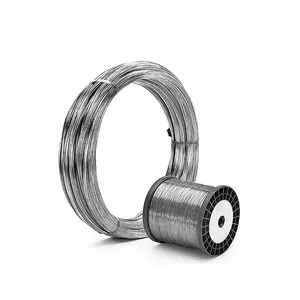
[Image description=nitirol wire coils arranged neatly on a workbench surrounded by tools, showcasing their metallic sheen; image name=nitirol_wire_coils; alt tag=nitinol components showcased in wire form]
Nitinol Devices and Components
Nitinol devices and components are revolutionizing various industries with their unique properties and versatility. The remarkable characteristics of Nitinol alloys, including shape memory effect and superelasticity, make them ideal for a wide range of applications. From medical innovations to aerospace technology, Nitinol is making waves that are hard to ignore.
Medical Innovations Using Nitinol
In the medical field, Nitinol components are nothing short of groundbreaking. Their unique properties allow for minimally invasive procedures, as seen in stents and guidewires that adapt perfectly to the human anatomy. The flexibility and strength of Nitinol wire enable surgeons to navigate complex pathways with ease, reducing recovery time for patients while enhancing overall safety.
Moreover, the biocompatibility of Nitinol alloys ensures that these devices can be safely implanted within the body without adverse reactions. This quality has led to an increase in demand for Nitinol-based surgical tools and implants, driving innovation in healthcare technologies. As medical professionals continue to explore the potential of these materials, we can expect even more advanced applications that leverage the incredible properties of Nitinol.
Nitinol in Aerospace Applications
The aerospace industry has also recognized the immense potential of Nitinol components in enhancing performance and efficiency. Aircraft manufacturers are increasingly incorporating Nitinol alloys into critical systems due to their lightweight nature combined with exceptional strength. These properties help reduce overall aircraft weight while maintaining structural integrity, leading to improved fuel efficiency.
Additionally, the ability of Nitinol wire to undergo significant deformation without permanent damage makes it ideal for use in actuators and control systems within aircraft designs. As engineers push the boundaries of what’s possible with aerospace technology, the integration of innovative materials like Nitinol is essential for achieving new heights—literally! With ongoing advancements in this sector, we can anticipate a future where aerospace applications utilize even more sophisticated iterations of this remarkable alloy.
Consumer Products Featuring Nitinol
Beyond specialized industries like medicine and aerospace, consumer products featuring Nitinol components are becoming increasingly popular among everyday users. From eyeglass frames that retain their shape after bending to self-healing materials used in smartphones, the versatility of this alloy is truly impressive. Consumers appreciate how products incorporating Properties of Nitinol enhance durability while providing unique functionality not found in traditional materials.
Moreover, as awareness grows about sustainability and eco-friendly options, many brands are turning towards innovative solutions like those offered by Nitinol wire products that promise longevity over disposable alternatives. This shift not only appeals to environmentally conscious consumers but also reflects a broader trend toward investing in high-quality items designed for longevity rather than short-term use. As we embrace these cutting-edge consumer goods powered by advanced material science, it's clear that nitinol's influence will continue expanding across various markets.
Nitinol Wire: The Building Block

Nitinol wire is often considered the backbone of various innovative technologies, thanks to its unique properties and versatile applications. This remarkable material, a nickel-titanium alloy, exhibits shape memory and superelasticity, making it invaluable in numerous fields. From medical devices to aerospace engineering, nitinol wire's adaptability continues to unlock new possibilities.
Manufacturing Process of Nitinol Wire
The manufacturing process of nitinol wire involves several critical steps that ensure the final product possesses the desired nitinol structure and properties. Initially, high-purity nickel and titanium are combined in precise ratios to create a homogeneous alloy known as a nitinol alloy. This mixture undergoes processes such as melting, casting, and hot working before being subjected to cold drawing techniques that refine its diameter while enhancing its mechanical properties.
Heat treatment is another essential step in creating nitinol wire; this process allows for the establishment of specific phase transformations that enable its unique shape memory capabilities. After heat treatment, the wire is often subjected to surface finishing processes to enhance its corrosion resistance and overall durability—key factors when considering various nitinol components for different applications. The result is a highly functional material ready for use in demanding environments.
Applications of Nitinol Wire
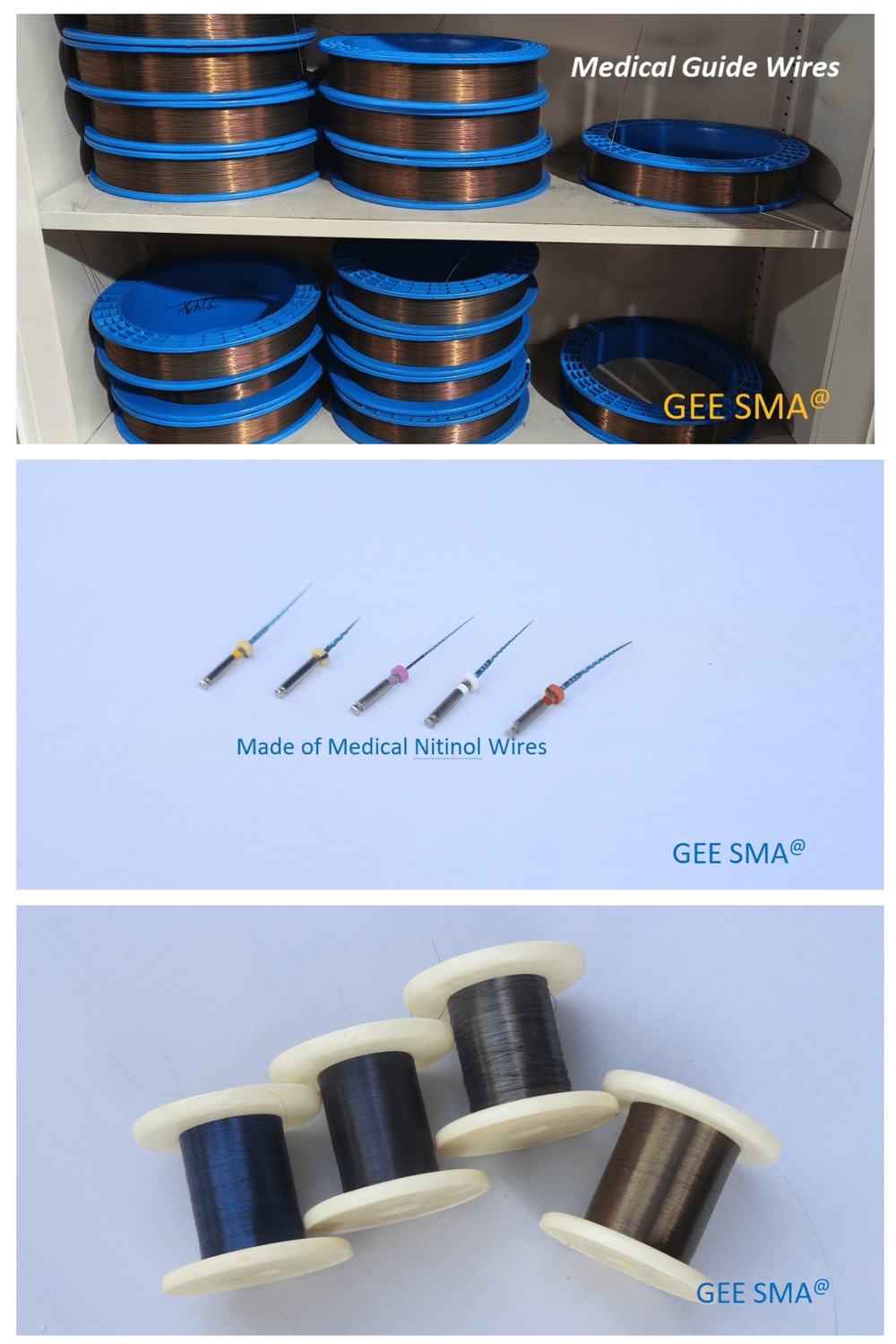
The applications of nitinol wire are as diverse as they are impressive, spanning multiple industries with groundbreaking innovations. In the medical field, nitinol wire plays an integral role in devices such as stents and guidewires; these devices leverage the shape memory effect for minimally invasive surgeries. Beyond healthcare, aerospace engineers utilize nitinol components in actuators and control systems due to their lightweight nature and ability to withstand extreme conditions.
Consumer products also benefit from the versatility of nitinol wire; items like eyeglass frames can flexibly adapt without losing their original shape thanks to this extraordinary material's properties. Furthermore, niche markets are emerging around smart textiles that incorporate nitinol wires for adaptive clothing solutions that respond dynamically to environmental changes. As demand grows across sectors for reliable materials like this one, understanding both its manufacturing process and applications becomes increasingly vital.
Comparing Nitinol Wire to Other Materials
When comparing nitinol wire with other materials commonly used in engineering and design—like stainless steel or titanium—the differences become strikingly clear due to its unique properties of Nitinol. For instance, while stainless steel may offer good strength and corrosion resistance, it lacks the remarkable shape memory effect inherent in a well-manufactured nitinol alloy; this makes it less suitable for certain specialized applications where flexibility is paramount.
Moreover, titanium is renowned for its high strength-to-weight ratio but does not exhibit superelasticity like Nitinol does at room temperature—an essential feature when designing components that must endure repetitive stress without permanent deformation or failure over time. Ultimately, while traditional materials have their merits within specific contexts, they simply cannot match what makes Nitinol components so compelling: innovative technology backed by exceptional performance across diverse industries.
Nitinol Price and Market Trends
The pricing of nitinol components is a dynamic subject influenced by various factors, including raw material costs, manufacturing processes, and market demand. As the versatility of nitinol alloys continues to expand across industries, understanding these elements becomes crucial for stakeholders. This section delves into the intricacies affecting nitinol price, providing insight into its global market landscape.
Factors Influencing Nitinol Pricing
Several factors play a significant role in determining the price of nitinol components. Firstly, the cost of nickel and titanium, the primary elements in nitinol alloys, can fluctuate based on global mining activities and geopolitical events. Additionally, production techniques for creating high-quality nitinol wire can be complex and resource-intensive; these manufacturing costs are often passed on to consumers through higher prices.
Another critical factor is the growing demand for innovative applications of nitinol devices and components in sectors such as medical technology and aerospace engineering. As industries increasingly recognize the unique properties of nitinol—such as its shape memory effect—competition for these specialized materials intensifies, further driving up prices. Understanding these dynamics helps businesses make informed decisions about sourcing and budgeting for their projects involving nitinol structure.
Global Market Overview of Nitinol
The global market for nitinol is witnessing robust growth due to its expanding applications across various sectors. In recent years, there has been a notable surge in demand for medical devices that utilize nitinol components; this trend is expected to continue as healthcare innovations evolve. Moreover, aerospace applications are also contributing significantly to market expansion as manufacturers seek lightweight yet durable materials like nitinol wire.
Regional markets show varied trends; North America leads in innovation adoption while Europe focuses on regulatory aspects influencing product development using Nitinol alloys. Additionally, Asia-Pacific is emerging as a competitive player with increasing investments in research and development related to properties of Nitinol that cater to local industries' needs. This diverse landscape creates opportunities for companies involved in producing or utilizing Nitinol devices and components.
Future Predictions for Nitinol Prices
Looking ahead, predictions suggest that the price of nitinol will experience fluctuations but generally trend upwards due to sustained demand across multiple industries. As more companies invest in advanced technologies that leverage the unique properties of Nitinol alloys—especially within medical applications—the competition will likely increase pricing pressures on suppliers striving to maintain quality amid rising costs.
Furthermore, advancements in manufacturing techniques may eventually stabilize prices by enhancing production efficiency or reducing reliance on expensive raw materials needed for creating high-performance nitinol wire. However, external economic factors such as inflation rates or changes in trade policies could still influence future pricing scenarios unpredictably. Ultimately, stakeholders must remain agile and informed about market trends surrounding this fascinating material's evolving landscape.
GEE SMA: Leading the Nitinol Revolution
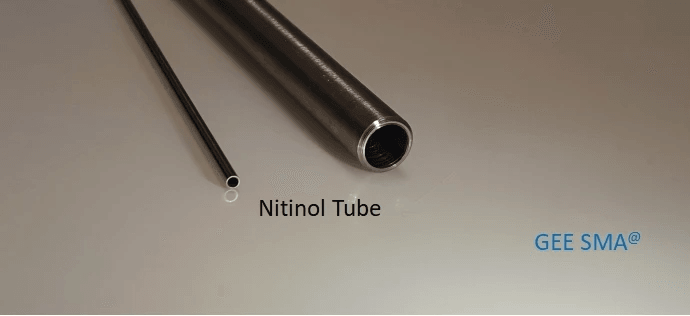
In the rapidly evolving world of material science, GEE SMA stands out as a pioneer in harnessing the unique properties of Nitinol. By focusing on innovative applications and cutting-edge manufacturing processes, GEE SMA has made significant strides in developing advanced Nitinol components that cater to various industries. Their commitment to excellence not only enhances existing technologies but also opens new avenues for future exploration.
Overview of GEE SMA’s Innovations
GEE SMA has consistently pushed the boundaries of what is possible with Nitinol alloys, creating devices that capitalize on their remarkable properties. The company's innovations include advanced Nitinol wire and specialized components designed for high-stress environments, showcasing how versatile this material can be. As a result, industries ranging from medical to aerospace benefit from enhanced performance and reliability through these innovative Nitinol devices and components.
The focus on research and development at GEE SMA has led to breakthroughs in shape memory alloys, allowing for more efficient designs that can adapt under varying conditions. For instance, their unique approach to optimizing Nitinol structure enables products that are not only lightweight but also incredibly strong—attributes essential for modern engineering challenges. With an eye towards sustainability, GEE SMA is committed to creating solutions that minimize environmental impact while maximizing utility.
Nitinol Components Used in Space Exploration
Space exploration requires materials that can withstand extreme conditions—enter GEE SMA's specialized Nitinol components. These components are engineered to endure the harsh realities of space travel while maintaining functionality over long periods, making them indispensable in spacecraft design and operation. The unique properties of Nitinol allow these parts to perform reliably under fluctuating temperatures and pressures found beyond our atmosphere.
For example, actuators made from Nitinol wire have been integrated into satellite systems where precision movement is crucial for tasks like antenna deployment or solar panel orientation. Additionally, the lightweight nature of these components contributes significantly to reducing overall spacecraft weight—a critical factor when launching payloads into orbit. As space missions become more ambitious, the demand for such innovative solutions continues to grow.
Custom Solutions Offered by GEE SMA
One of the standout features of GEE SMA is its ability to provide custom solutions tailored specifically to client needs using advanced Nitinol technology. Whether it’s designing bespoke medical devices or aerospace components built from high-performance alloys, their expertise ensures optimal results every time. This flexibility allows companies across various sectors to leverage the benefits of Nitinol without compromising on performance or quality.
Moreover, with a keen understanding of market dynamics—including factors influencing Nitinol price—GEE SMA offers competitive options without sacrificing innovation or durability in their products. Clients can expect comprehensive support throughout the design process as well as post-production services aimed at ensuring longevity and effectiveness in real-world applications involving complex Nitinol structures. Ultimately, this dedication positions GEE SMA at the forefront of revolutionizing how we utilize nitinol components across diverse fields.
Conclusion
As we conclude our exploration into the fascinating world of Nitinol components, it’s clear that the future is bright for this remarkable alloy. The unique properties of Nitinol, including its shape memory effect and superelasticity, position it as a game-changer across various industries. With ongoing advancements in Nitinol technology and applications, we can expect to see even more innovative uses for these versatile materials.
The Future of Nitinol Components
The future of Nitinol components looks promising as research continues to unlock new possibilities within this extraordinary alloy. As industries seek lighter, stronger materials that can adapt to changing conditions, the demand for Nitinol wire and other forms will likely surge. Innovations in manufacturing processes will also play a vital role in making Nitinol more accessible and affordable, potentially impacting the overall Nitinol price.
Unlocking New Possibilities with Nitinol
Unlocking new possibilities with Nitinol means expanding its applications beyond current boundaries. From medical devices that can better respond to patient needs to aerospace technologies that enhance performance while reducing weight, the potential is vast. As researchers delve deeper into the properties of Nitinol alloys, we may soon witness groundbreaking developments that redefine what’s achievable in engineering and design.
GEE SMA's Impact on Nitinol Applications
GEE SMA stands at the forefront of the Nitinol revolution, driving innovation through their cutting-edge solutions and expertise in this remarkable material. Their contributions to space exploration using specialized nitinol components exemplify how far we can push technological limits when harnessing unique properties of Nitinol alloys. By offering custom solutions tailored to specific needs, GEE SMA not only enhances existing applications but also paves the way for future advancements in various sectors.